Tadoba-Andhari Tiger Reserve: Safari Guide
Tiger sightings, the tigress Maya, and Tadoba Lake
About Tadoba-Andhari Tiger Reserve
Tadoba-Andhari Tiger Reserve lies in Chandrapur district in eastern Maharashtra and is the state's largest national park landscape. It consists of Tadoba National Park and the neighbouring Andhari Wildlife Sanctuary, together forming the core of a reserve that covers about 1,728 km²: roughly 626 km² of core and 1,102 km² of buffer. The name comes from Taru, a tribal deity worshipped at a shrine beside Tadoba Lake, and from the Andhari river that winds through the forest.
Hunting was banned here in 1935, and about 116 km² of forest was declared a national park in 1955. The adjoining Andhari sanctuary followed in 1986, and in the mid-1990s the two were combined as a tiger reserve. The distinction for visitors is easy to hold: the national park and sanctuary form the core zones, while the surrounding buffer offers additional routes through forest shared with village communities.
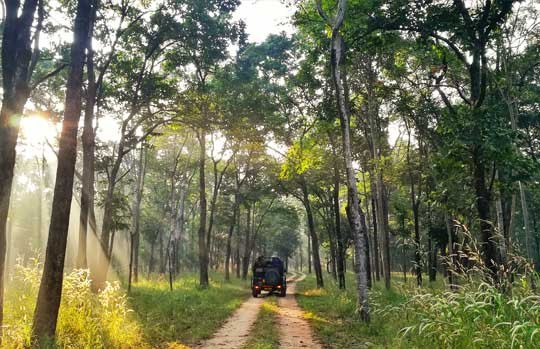
The landscape is classic central Indian teak forest, with dry deciduous woodland covering most of the reserve, dense bamboo thickets, grassy meadows and rocky hills. Steep hills bound the north and west, and the terrain slopes gently southwards. At its heart is Tadoba Lake, a perennial waterbody that draws wildlife year-round and supports mugger crocodiles, with Kolsa Lake and the Andhari river adding more water.
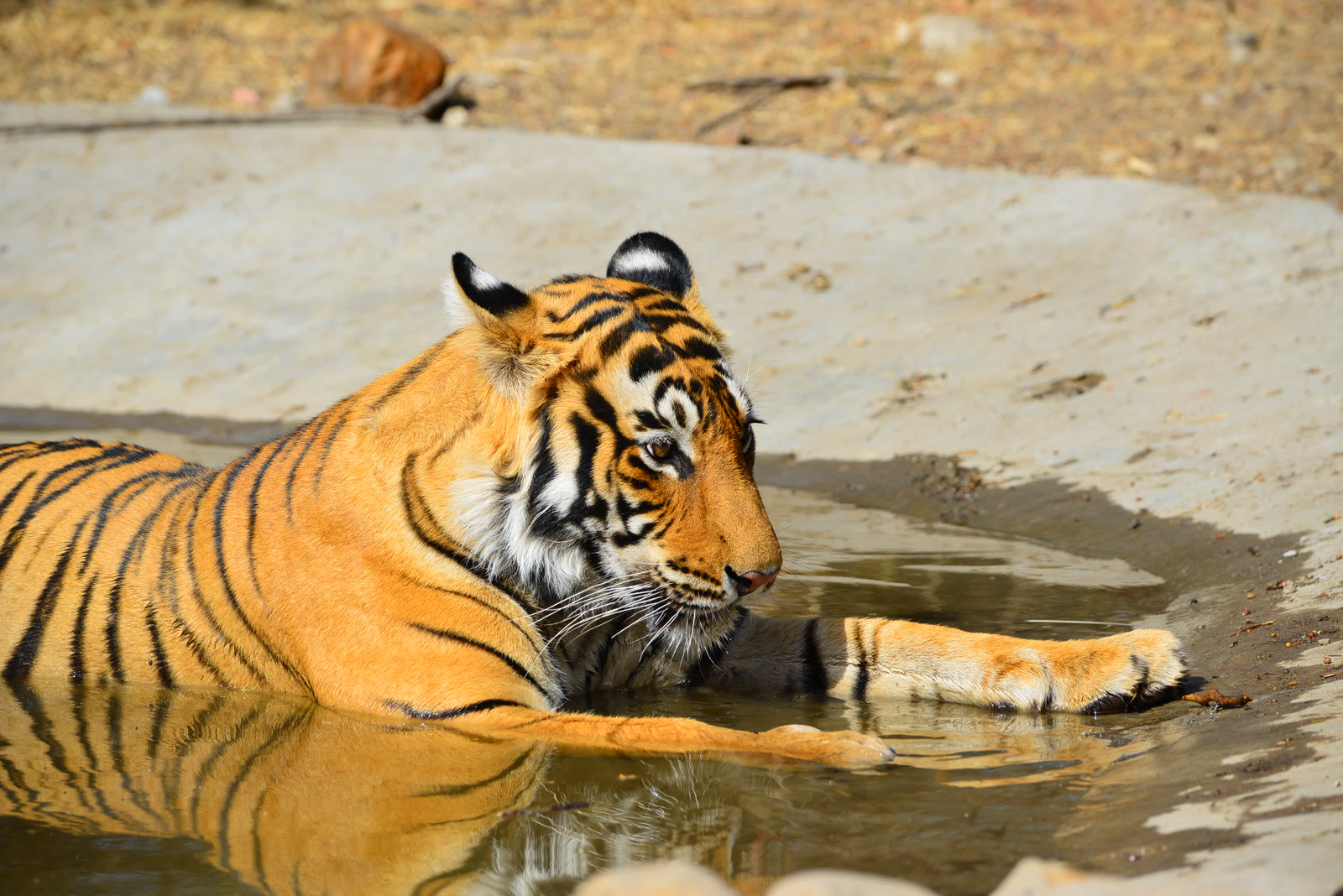
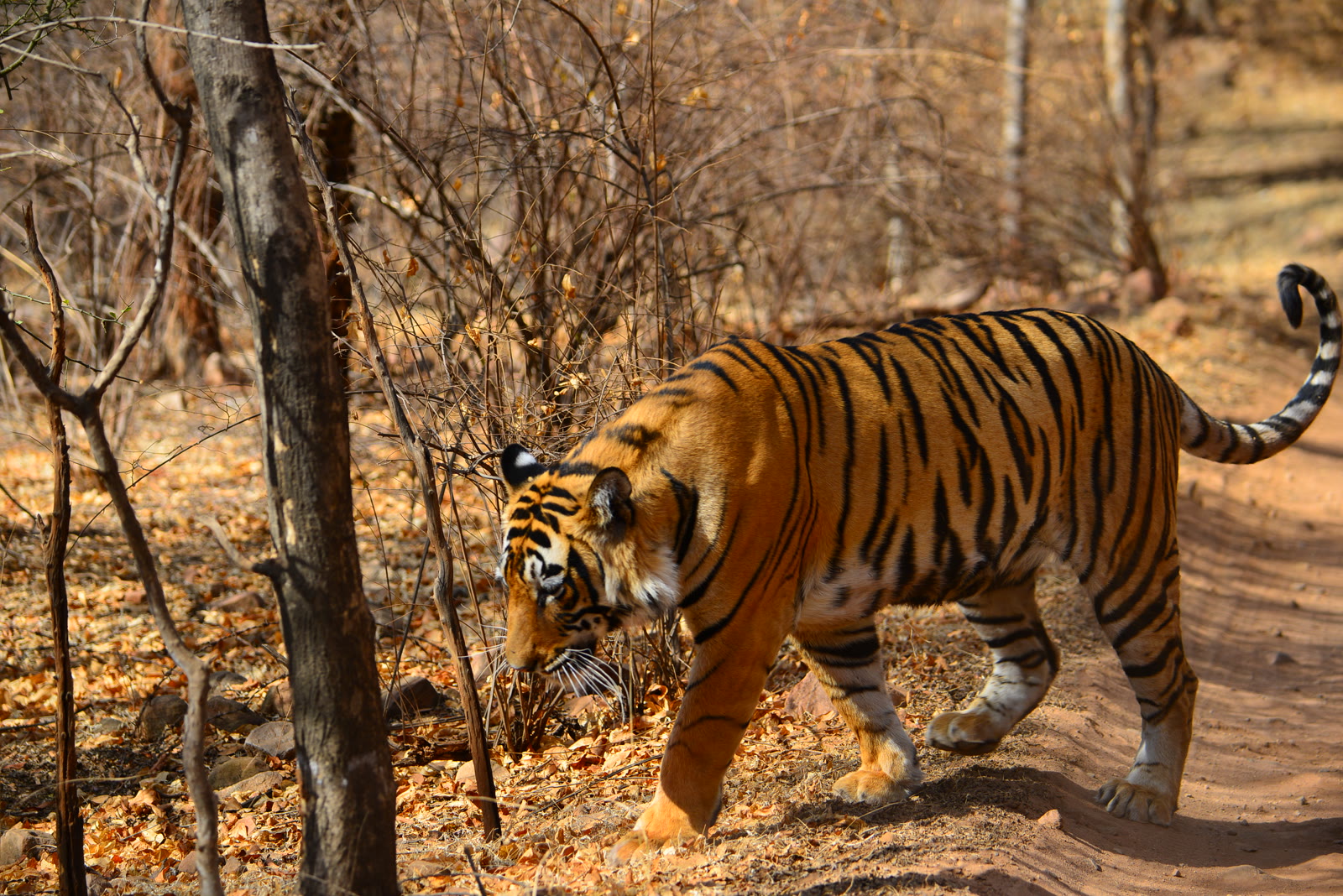
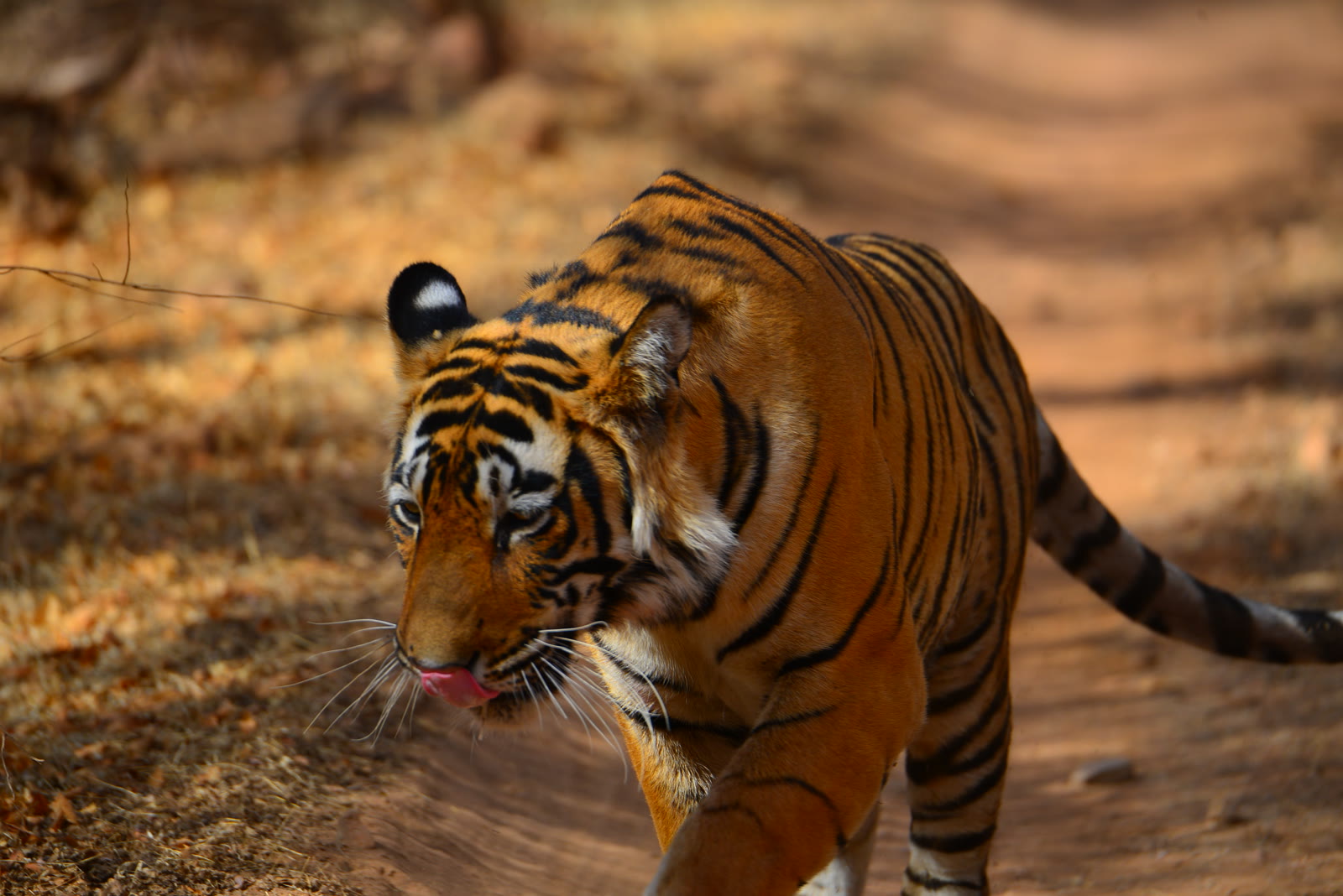
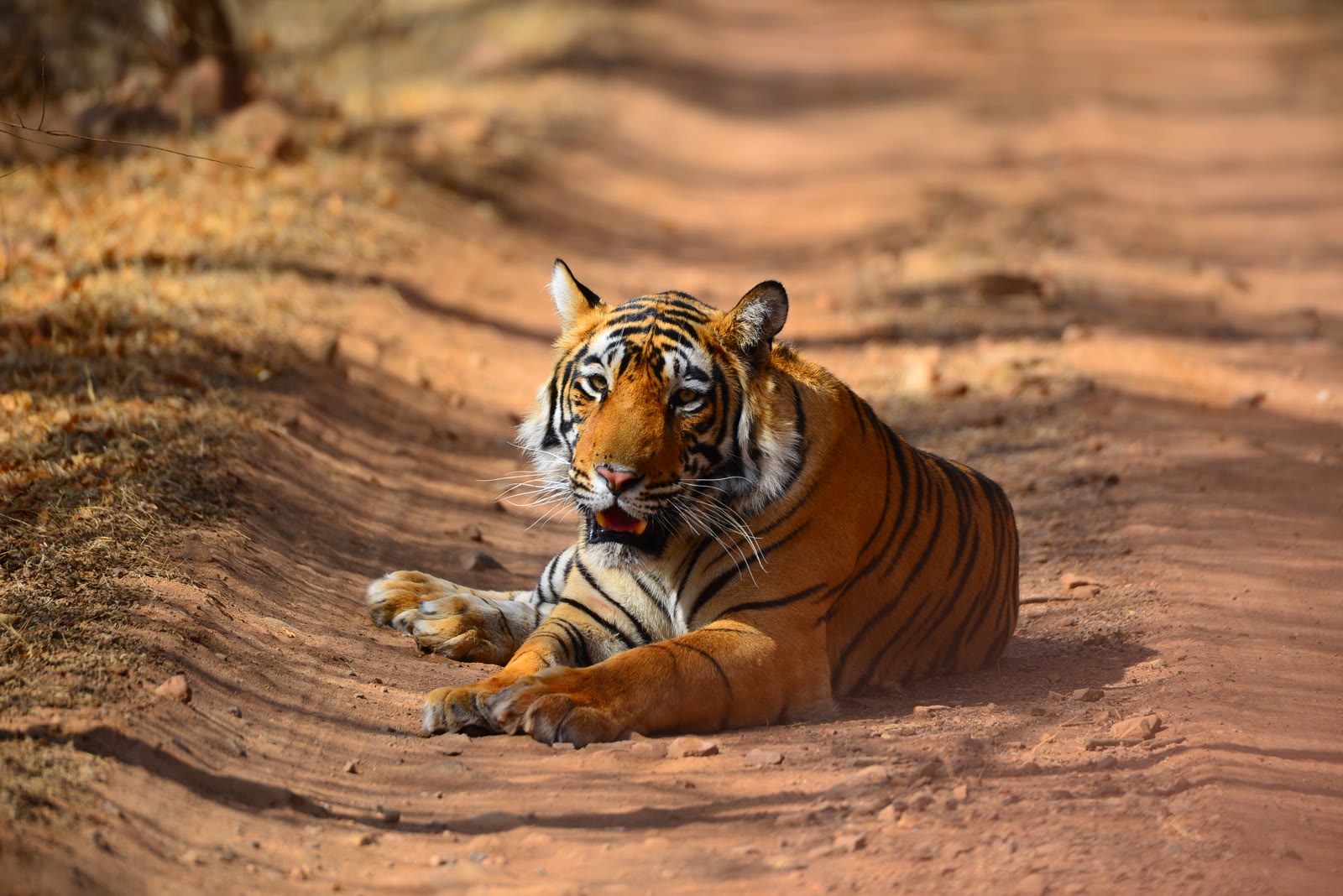
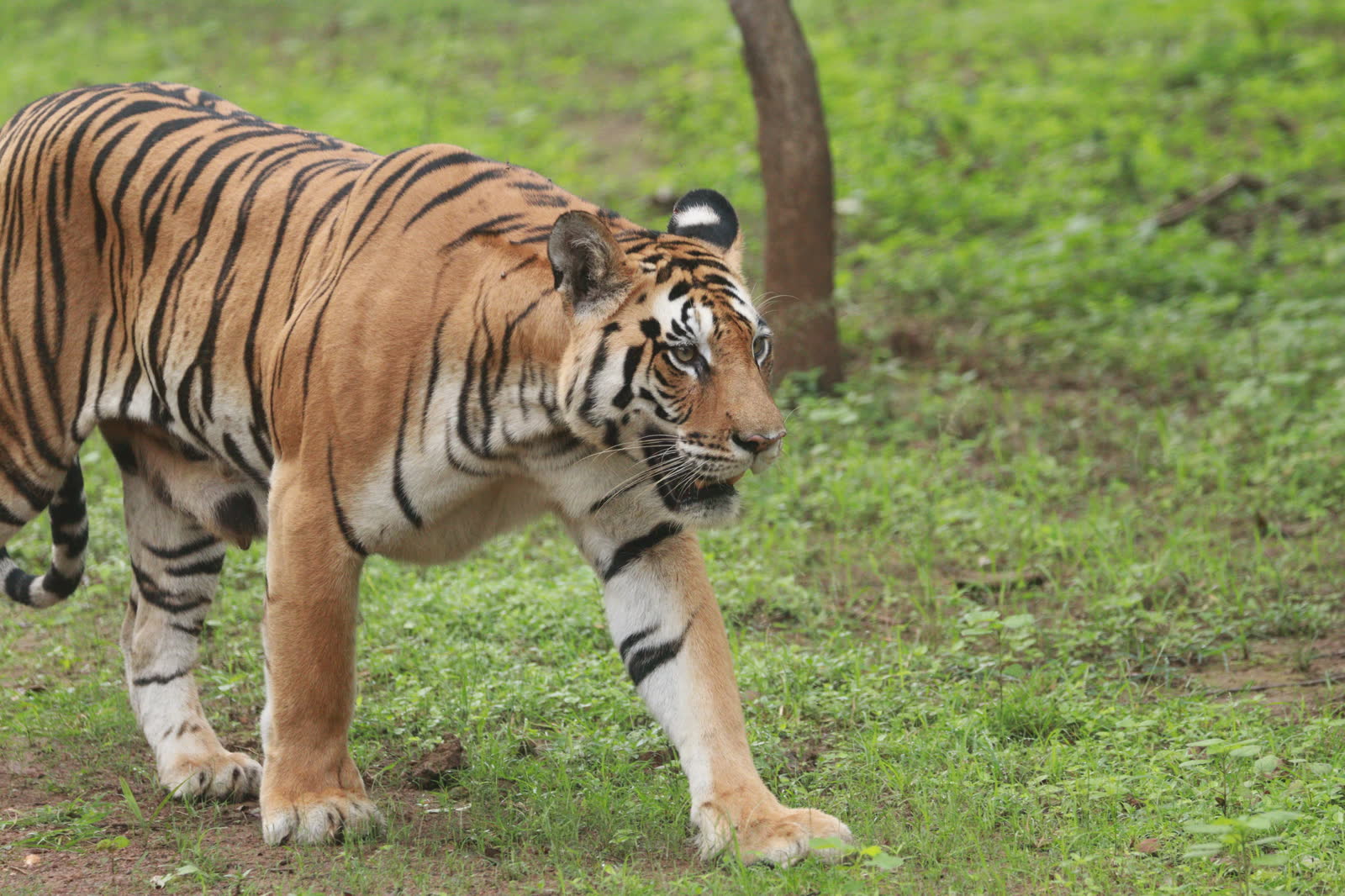
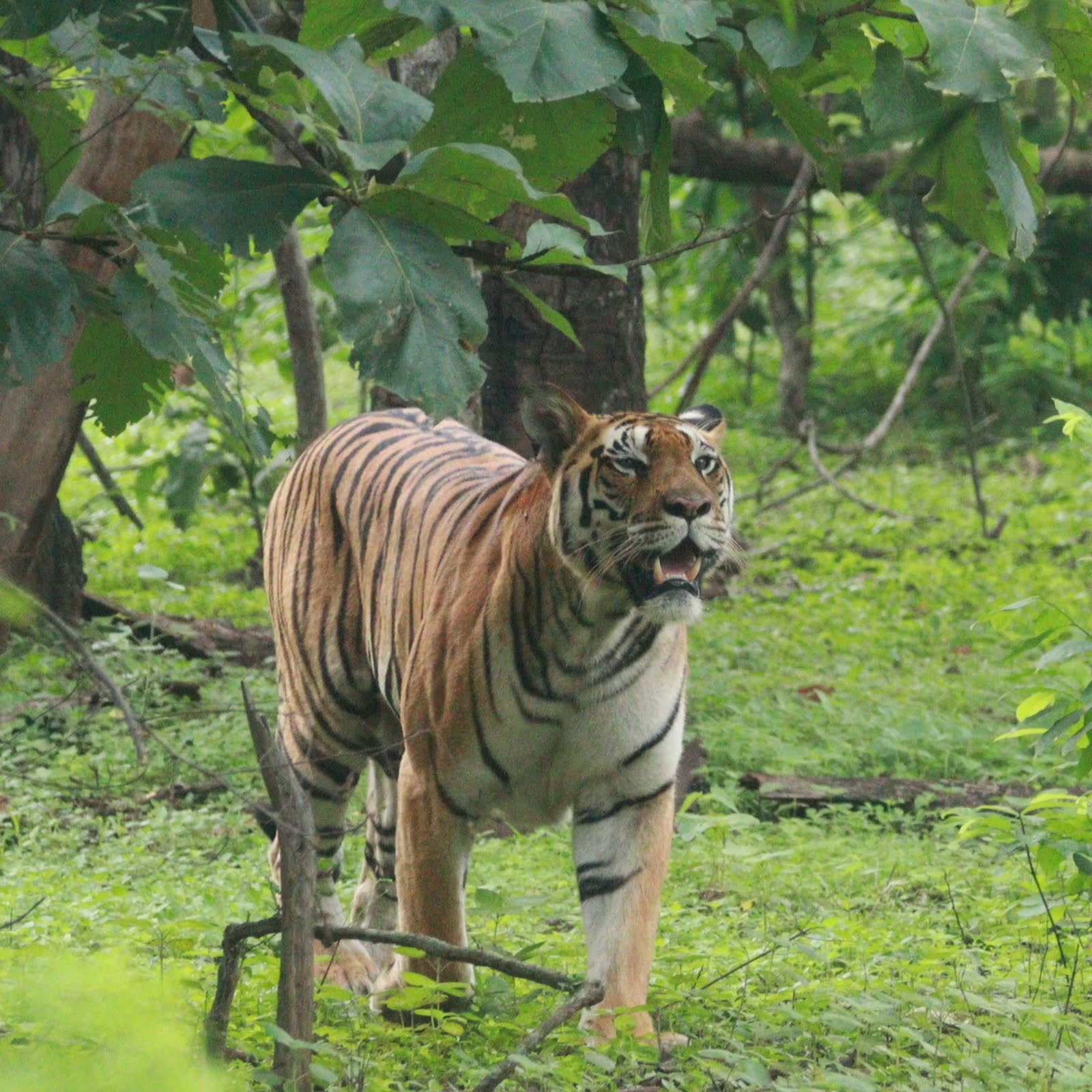
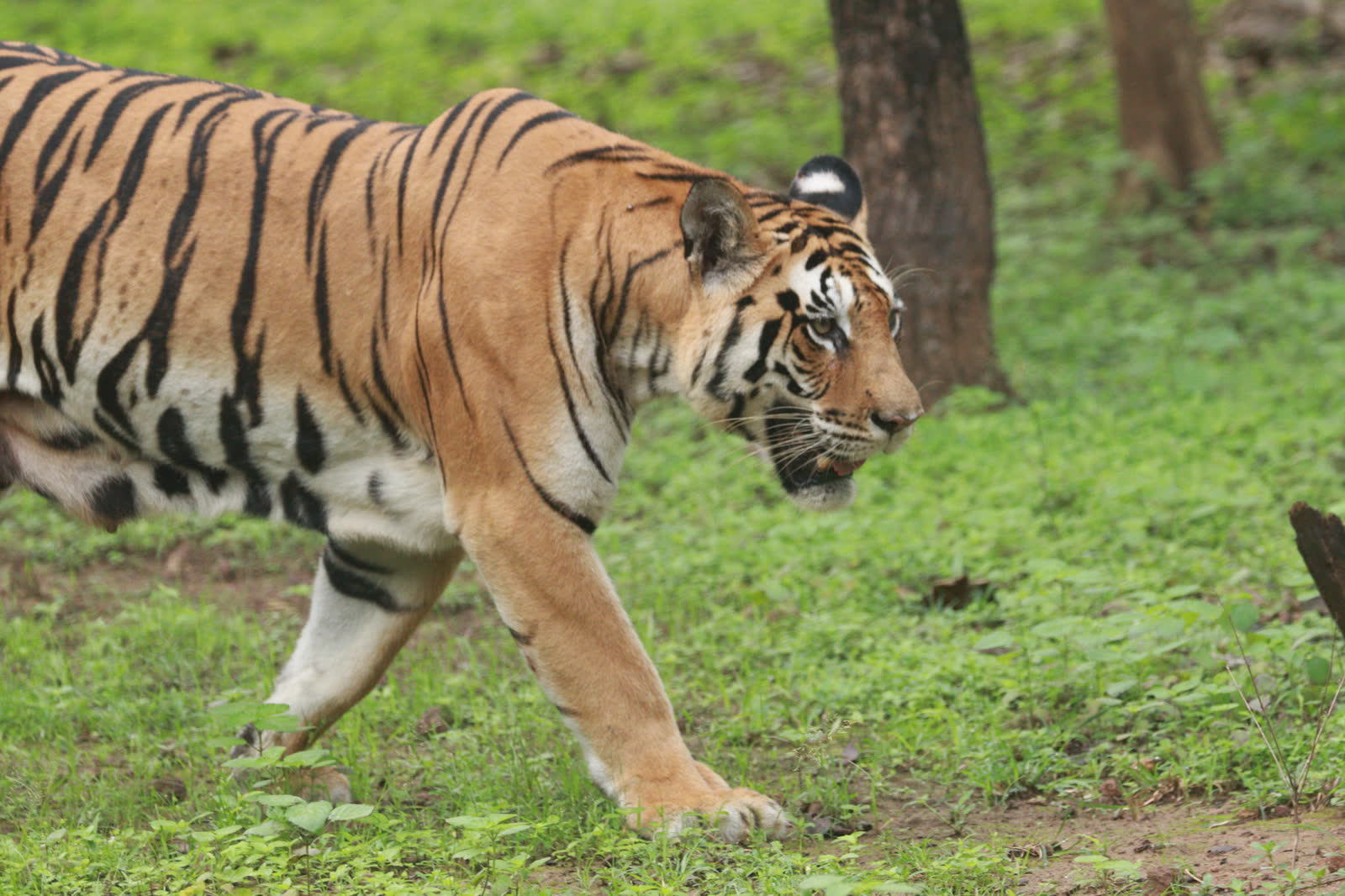
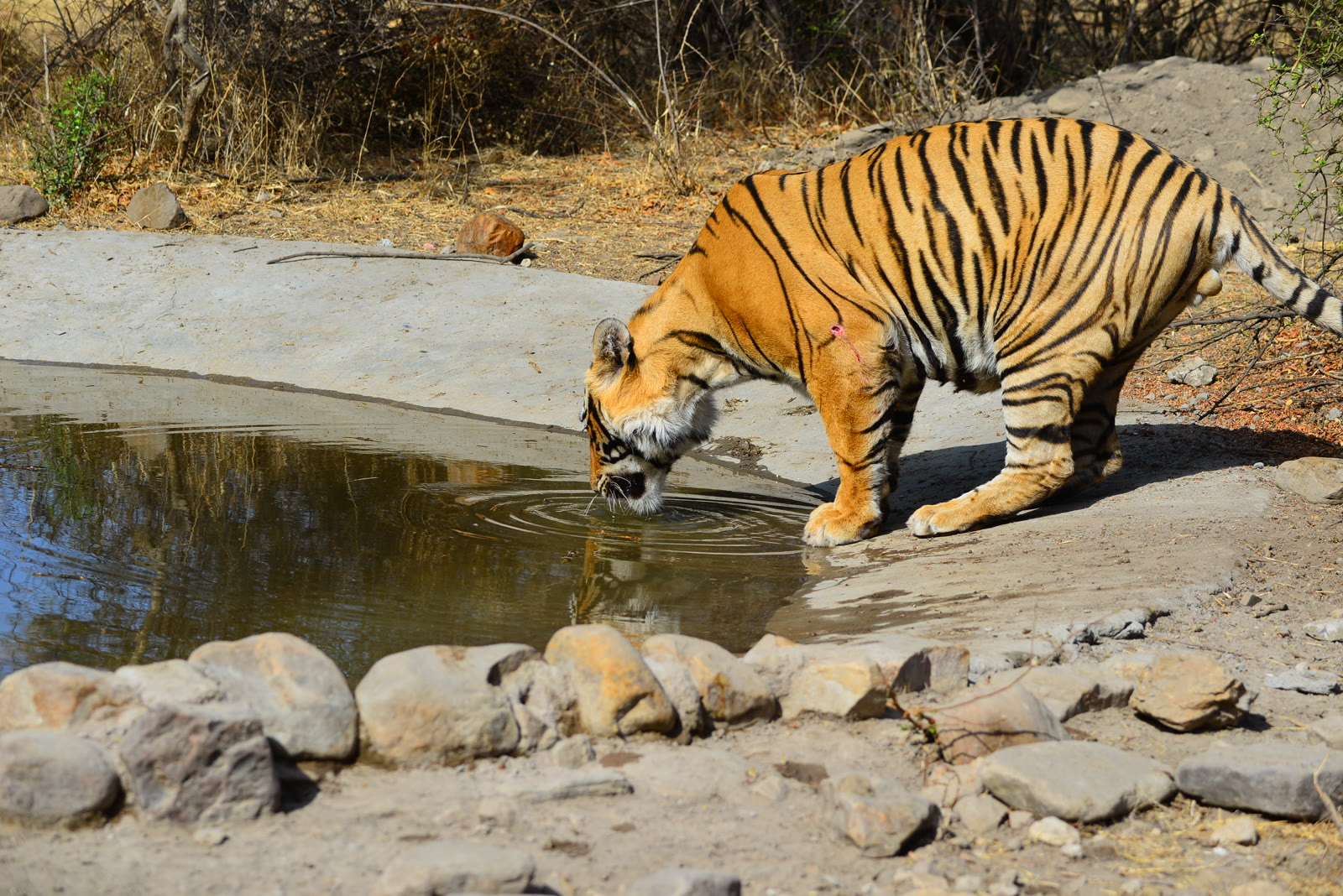
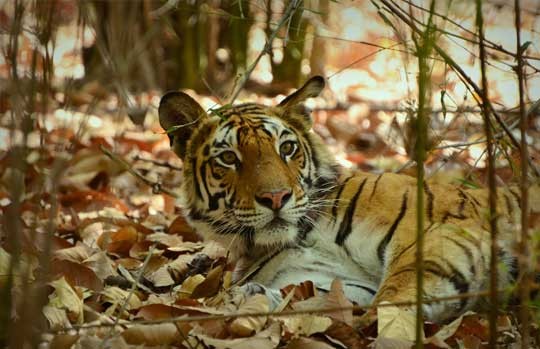
Tadoba's reputation rests on the strength of its tiger sightings. It is frequently ranked among the best places in India to see tigers in dry forest, and it is the home of Maya, one of the country's best-known tigresses. Sloth bears, leopards, dhole, gaur and a rare black leopard sighted in 2018 add to its allure.
Birdlife is rewarding too, with about 195 species recorded, including grey-headed fish eagle, crested serpent eagle, Indian pitta and paradise flycatcher, along with 74 species of butterflies.
What to expect: morning and afternoon jeep drives through teak forest, bamboo, meadows and lakeshores, on compact routes where sightings feel close. Tigers are the headline, with sloth bears and gaur regular companions, and sightings, while never promised, are frequent.
Facts About Tadoba-Andhari Tiger Reserve
| Information | Details |
|---|---|
| Location | Chandrapur district, eastern Maharashtra |
| State | Maharashtra |
| Established | National park 1955; Andhari Wildlife Sanctuary 1986; combined as a tiger reserve in the mid-1990s |
| Area | Tiger reserve about 1,728 km² (core about 626 km², buffer about 1,102 km²) |
| Protected Area Type | Tiger reserve comprising Tadoba National Park and Andhari Wildlife Sanctuary |
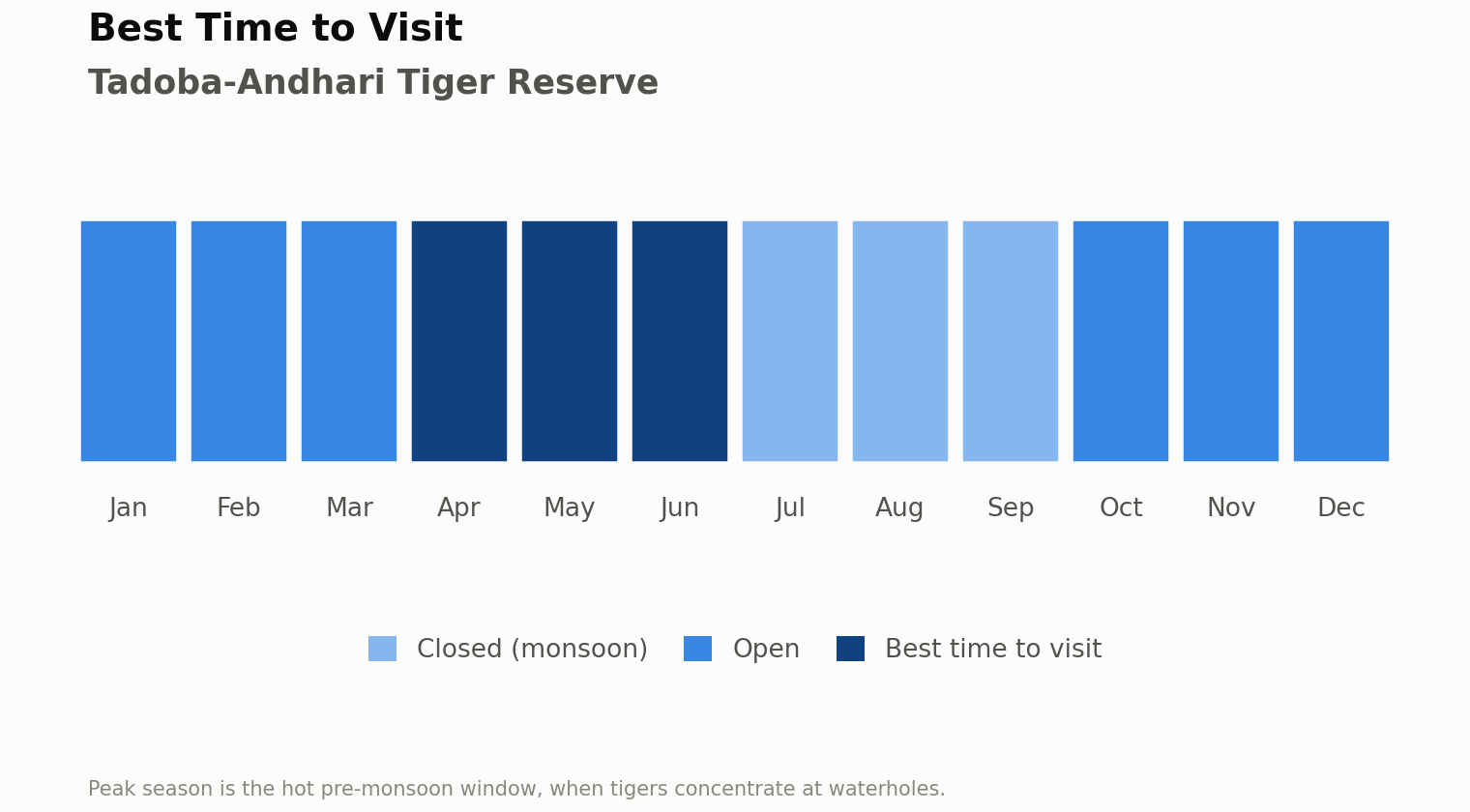
| Functional Days | Two daily shifts. Core zones from 1 October to 30 June; buffer zones through the year |
| Annual Closure | Core zones rest from 1 July to 30 September; buffer routes continue |
| Weekly Offs | Core gates rest on Tuesdays, and buffer gates typically rest on Wednesdays |
| Best Time to Visit | November to April, with April to June best for tigers at waterholes |
| Recommended Safari Duration | Two to three nights with three to five drives across two or more gates |
| Vegetation | Dry deciduous teak forest, bamboo, grassland and lakes |
| Elevation | Hills of about 200–350 m |
| Major Wildlife | Tiger, leopard, sloth bear, dhole, gaur, sambar, chital, mugger crocodile |
| Famous For | Tiger sightings, the tigress Maya, and Tadoba Lake |
Functional days. Drives run in a morning and an afternoon shift that follow the season, with earlier starts in the hot months.
Yearly off. The core zones rest through the monsoon and reopen on 1 October, when the forest is green and the lakes are full. Buffer zones remain open through the year.
Weekly offs and rules. Rest days differ between core and buffer gates. Each permit is tied to a gate, date and shift, and only authorised jeeps enter the park.
Tiger Density and Other Major Species
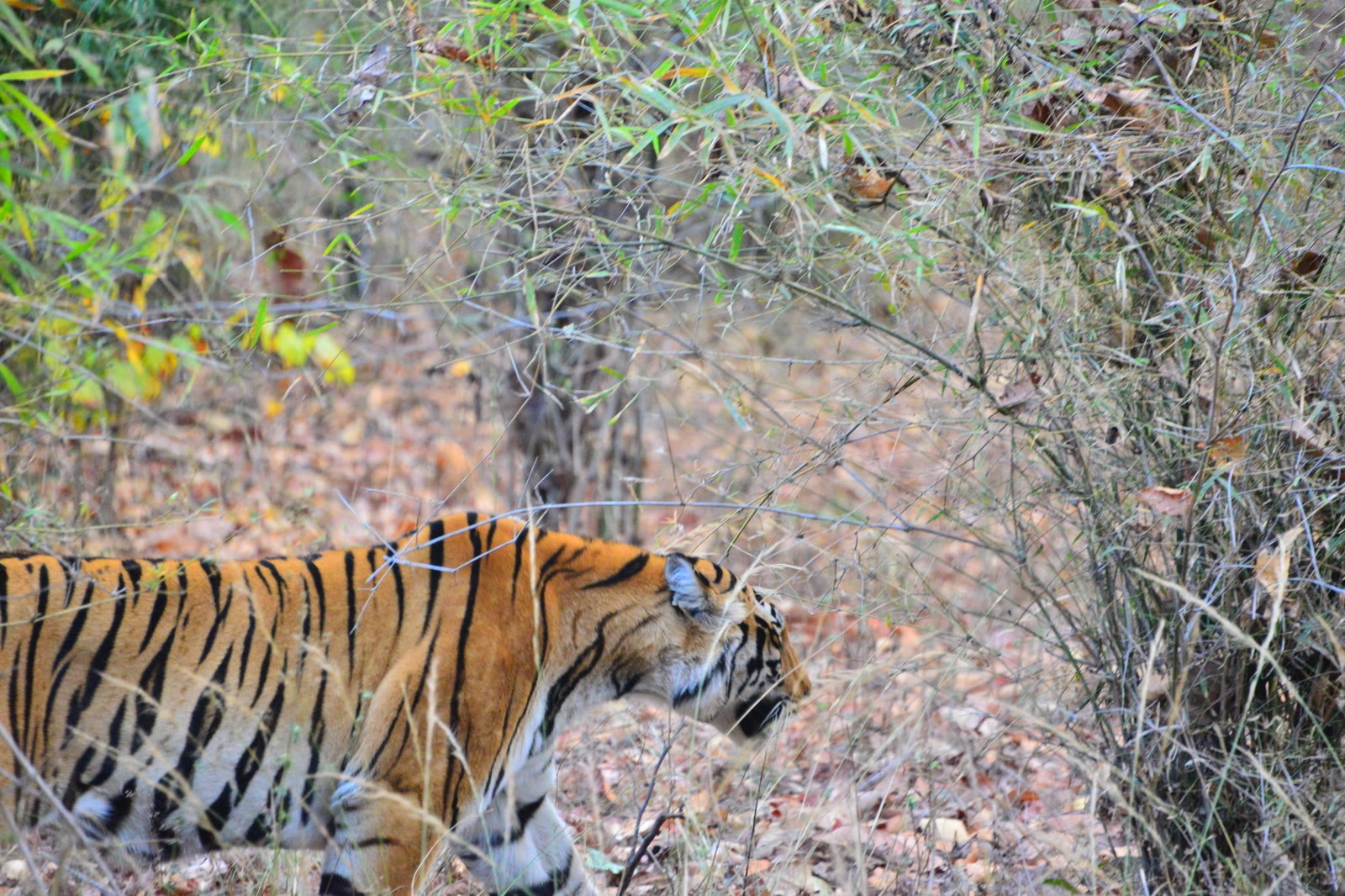
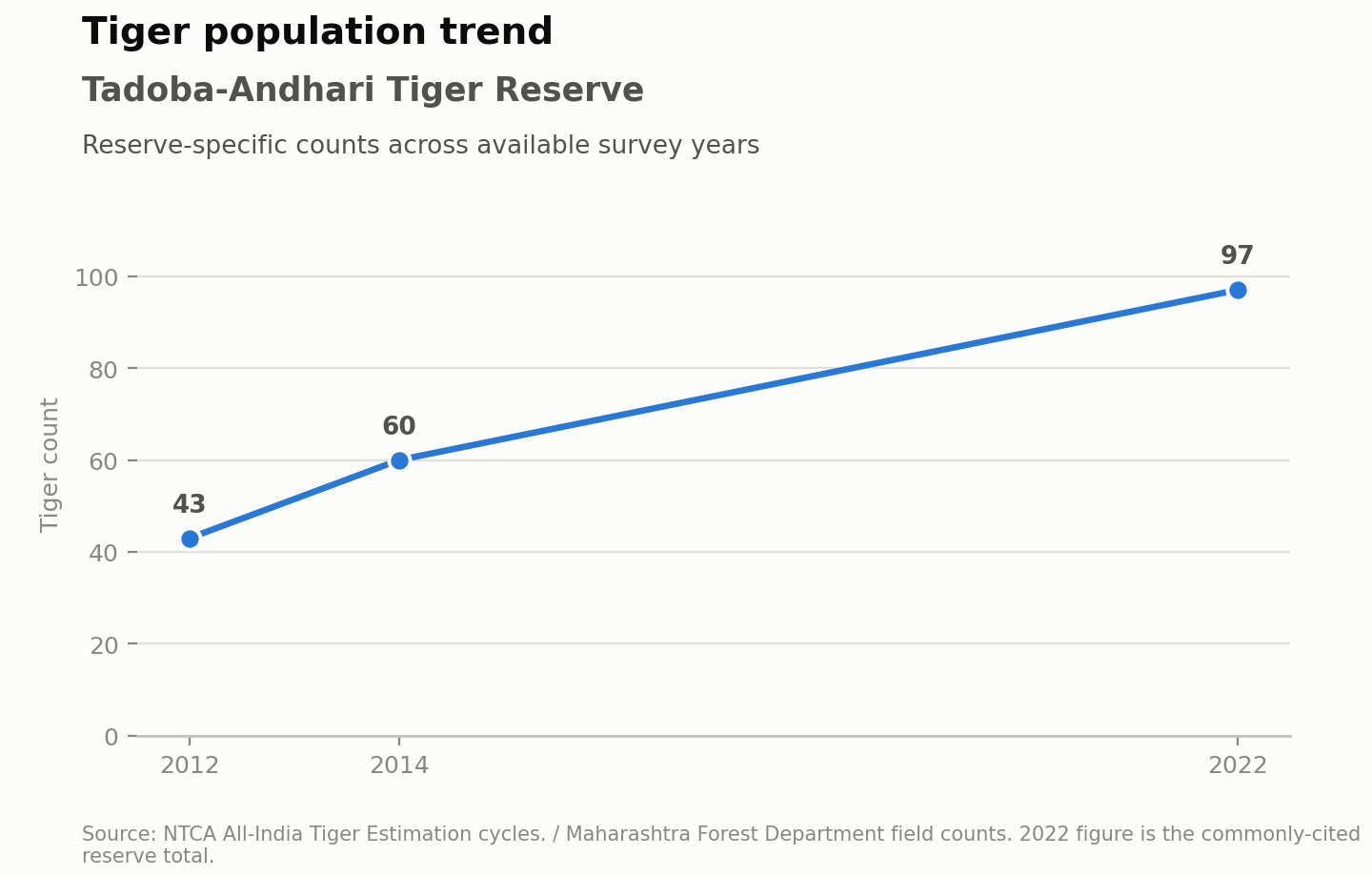
Tadoba-Andhari is one of India's most successful tiger landscapes, and a leading reserve in Maharashtra's strong tiger recovery.
| Year | Area | Estimated tigers |
|---|---|---|
| 2022 | Tadoba-Andhari Tiger Reserve | About 97 |
| 2022 | Maharashtra | 444 |
| 2022 | India | 3,682 (range 3,167–3,925) |
Tadoba's tigers are known for being visible, using the lakeshore, the open meadows and the forest roads, and the reserve has produced some of India's most celebrated individuals, chief among them Maya, a tigress who became a wildlife icon. Conservation success rests on habitat protection, the relocation of villages from the core to give tigers more space, and the strength of the prey base, from chital and sambar to gaur.
Sightings are frequent, and Tadoba is often ranked among the best places in India to see tigers in dry forest. No sighting can be promised, but the compact routes and open water make each drive full of promise.
Other species
- Leopard: Present and seen occasionally, a black leopard was recorded in 2018.
- Sloth bear: Seen regularly, especially near mahua trees in the hot season.
- Dhole (wild dog): Seen from time to time in packs.
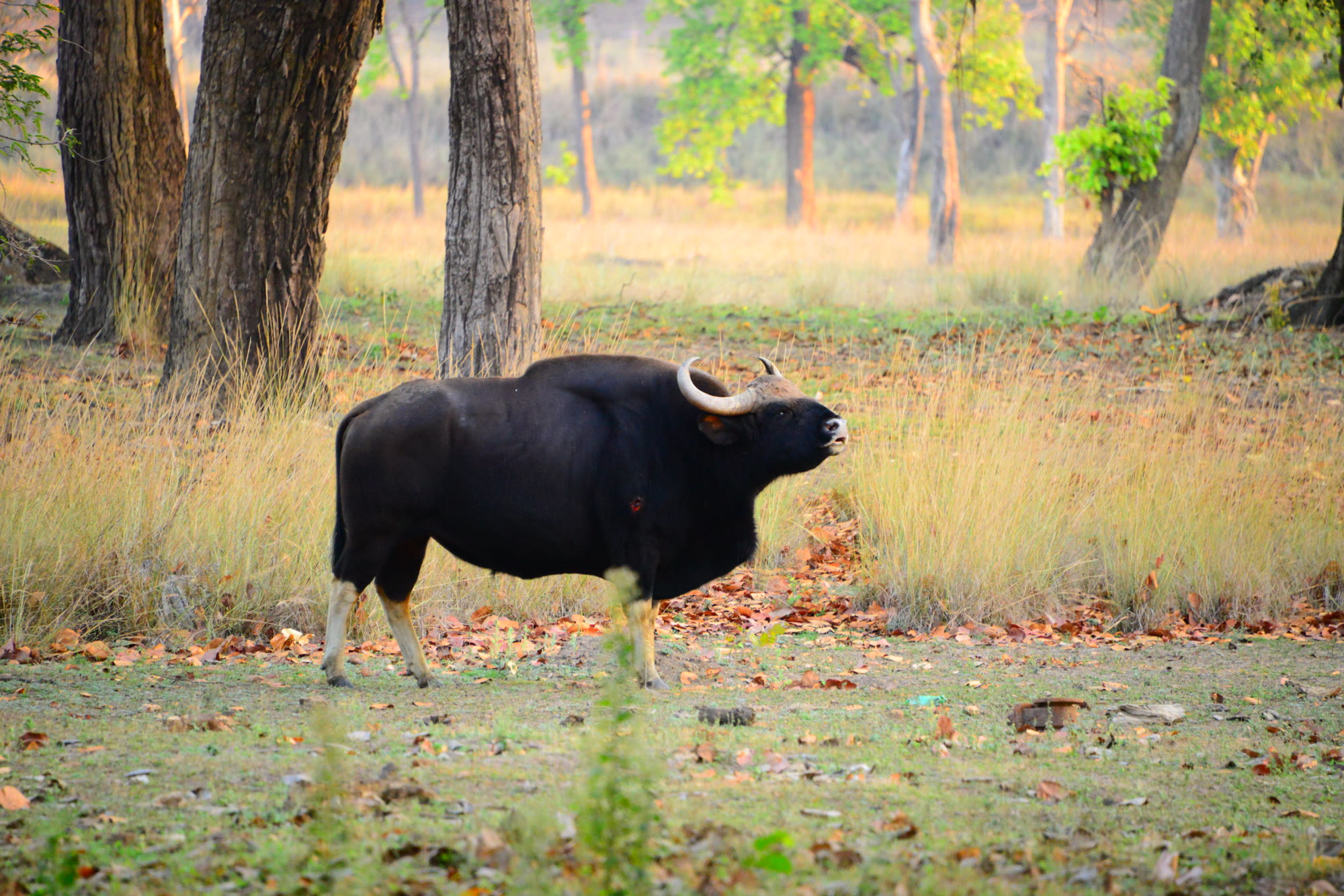
- Gaur: Seen regularly in forest clearings.
- Prey base: Chital and sambar are seen on almost every drive, with nilgai, barking deer and four-horned antelope also present.
- Mugger crocodile: A dependable sight around Tadoba Lake.
- Birds: About 195 species, from grey-headed fish eagle to Indian pitta.
Safari Zones in Tadoba-Andhari Tiger Reserve
Tadoba is explored through four main zones, each with its own gates into the core and the buffer. A permit is tied to a gate, and no gate can promise a sighting.
| Zone | Core gates | Buffer gates | Character |
|---|---|---|---|
| Moharli | Moharli, Khutwanda | Adegaon, Agarzari, Junona, Devada | The oldest and busiest zone, rich in tigers and lakes |
| Kolara | Kolara | Alizanza, Madnapur, Sirkheda, Kolara Chauradeo, Palasgaon, Belara | The nearest zone to Nagpur, with a strong record of sightings |
| Navegaon | Navegaon | Navegaon-Ramdegi, Nimdela | Quieter drives through hills and waterholes |
| Pangdi and Zari | Pangdi, Zari | Pangdi Aswal Chuha, Kesalghat, Zari-Peth | A secluded eastern zone with sweeping views |
Moharli
Moharli is the oldest and most visited gate, with a long record of tiger sightings and forest routes that pass Tadoba Lake and its meadows. Khutwanda, nearby, offers a quieter route into the same landscape. The buffer gates close to Moharli, such as Agarzari, are good for scenery and birds.
Kolara
Kolara is the closest zone to Nagpur and a favourite for its dense tiger population across varied terrain, with shared buffer gates that give easy access to many routes. It is popular for first-time visitors and has good lodges nearby.
Navegaon
Navegaon is quieter and less crowded, with hillocks, waterholes and dry deciduous forest, and is good for tigers and birds. It lies adjacent to Kolara and shares much of its habitat.
Pangdi and Zari
Pangdi and Zari lie on the far eastern side of the reserve, in the Kolsa area. They suit travellers who want seclusion and unhurried drives away from the crowds, and the Zari area is known for its views over the forest.
Buffer gates
The buffer gates encircle the core and stay open through the year, including the monsoon, so they suit travellers visiting between July and September. Rural villages and wildlife share the landscape, and buffer drives can be strong for tigers and birds.
Vehicles and rules
Open jeeps carry small groups with a naturalist. Permits are allotted by gate, so drives across two or three gates give the fullest picture. India Tiger Safari would be delighted to design your fully private Tadoba safari: a bespoke journey through the gates that suit you best, with curated stays, a private jeep and a naturalist guide devoted to your party.
Mammals and Birds
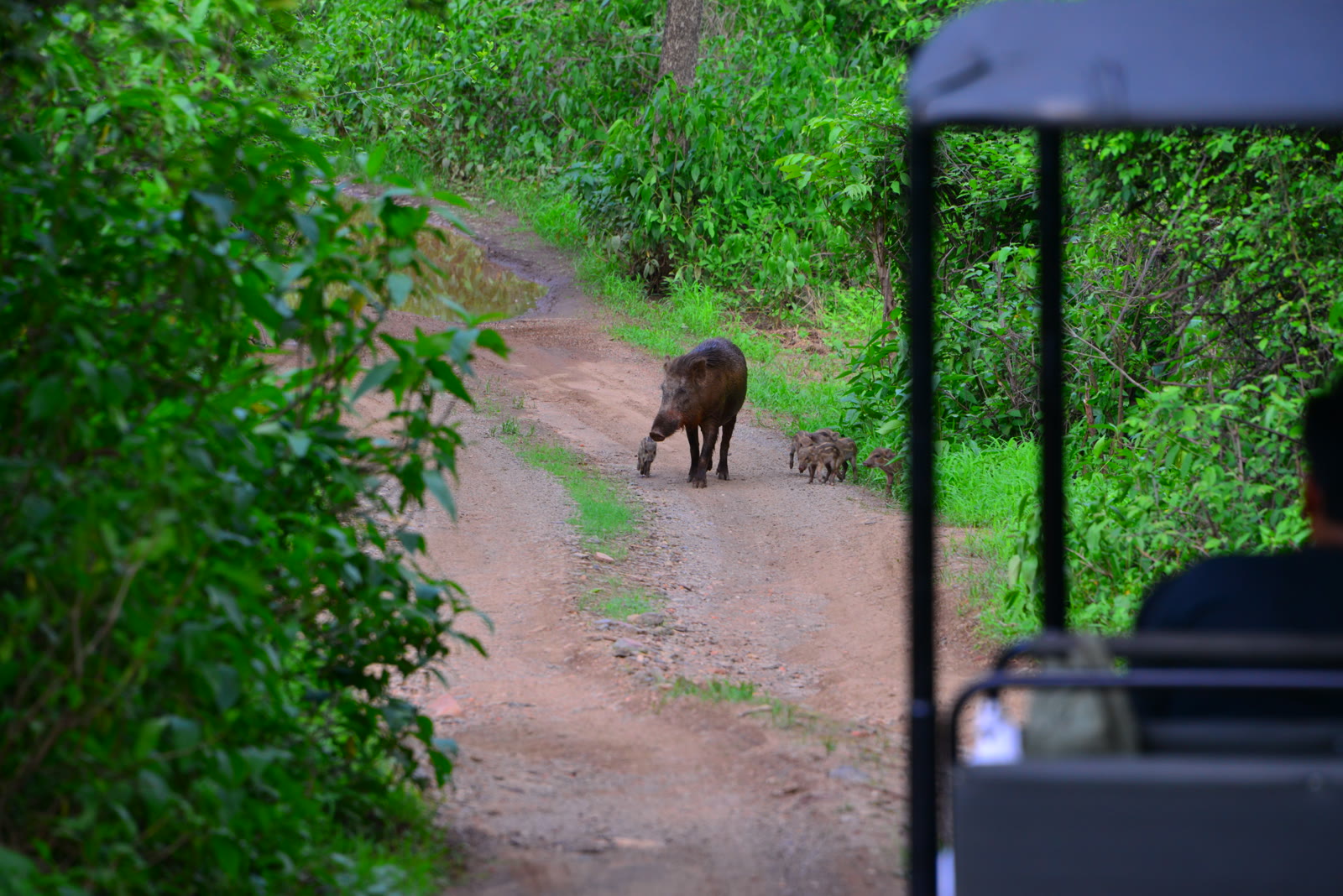
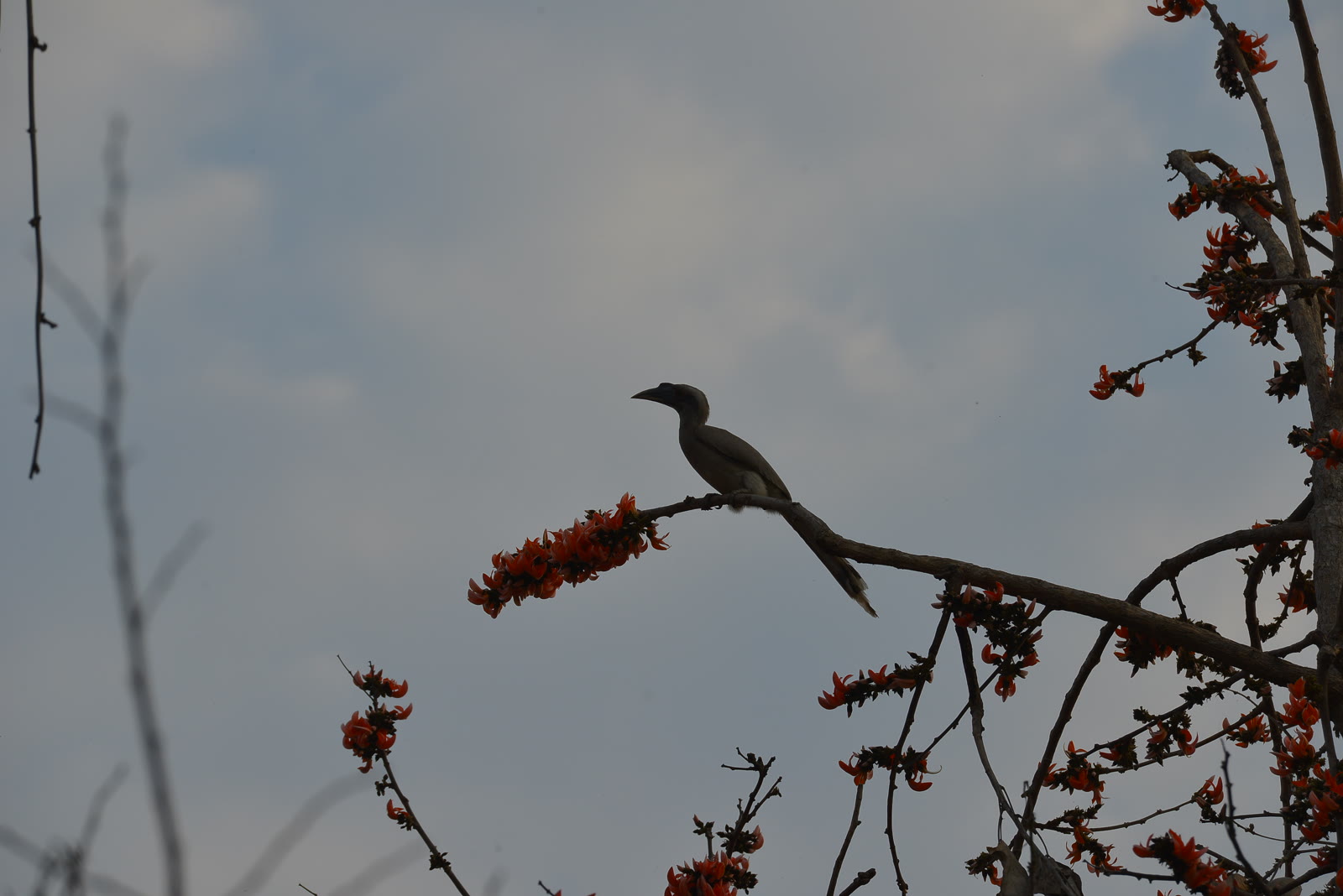
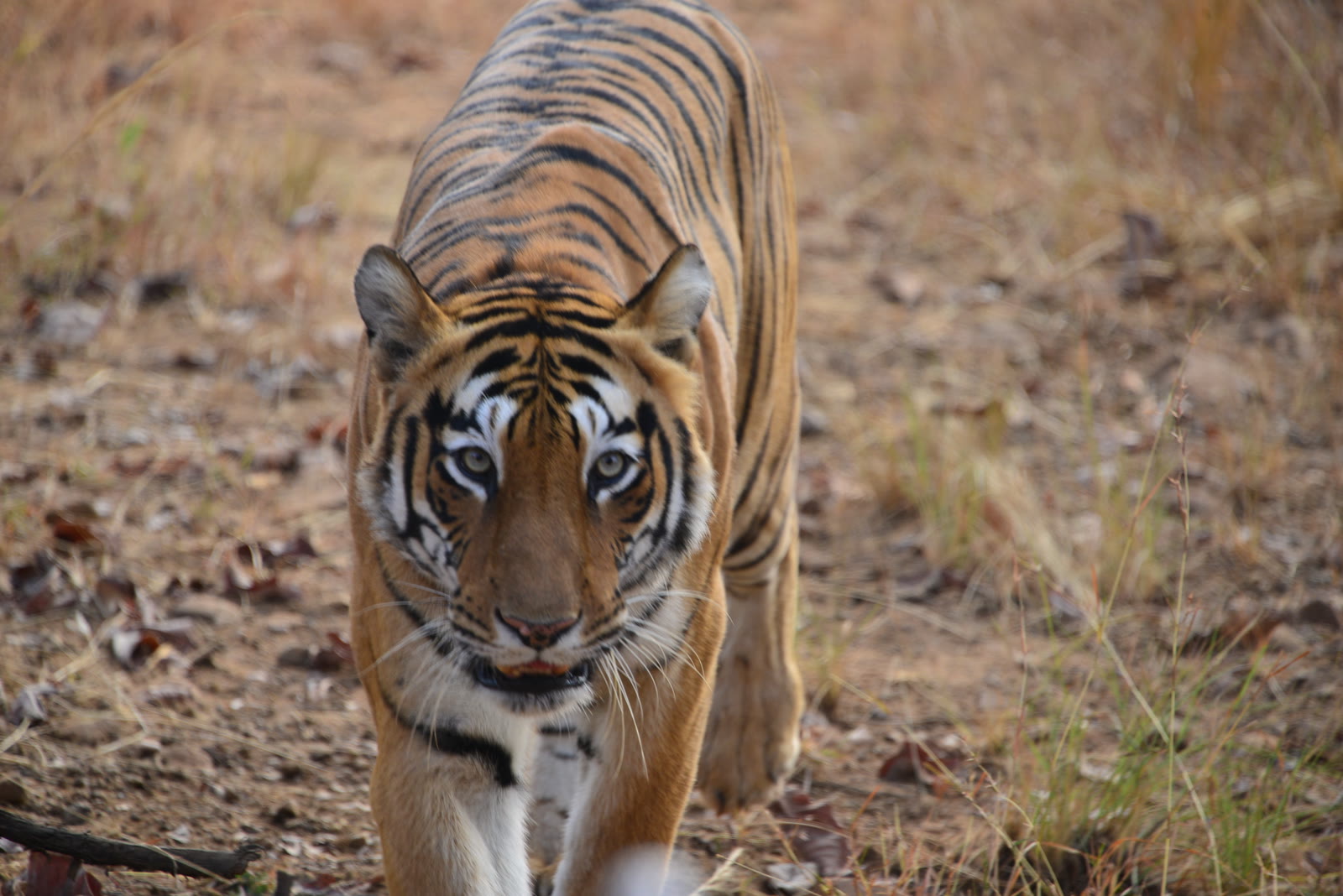
The lists below are representative and not complete.
Mammals
- Tiger
- Leopard
- Sloth Bear
- Dhole
- Gaur
- Nilgai
- Sambar
- Chital
- Barking Deer
- Four-horned Antelope
- Small Indian Civet
- Jungle Cat
- Honey Badger
- Common Langur
- Rhesus Macaque
- Wild Boar
Birds
- Grey-headed Fish Eagle
- Crested Serpent Eagle
- Changeable Hawk-Eagle
- Orange-headed Thrush
- Indian Pitta
- Crested Treeswift
- Stone-curlew
- Crested Honey Buzzard
- Indian Paradise Flycatcher
- Bronze-winged Jacana
- Black-rumped Flameback
- Black-naped Monarch
- Indian Peafowl
Accessibility
Tadoba lies in the east of Maharashtra, and most guests approach it from Nagpur. The drive passes through farmland and small towns, and the last stretch enters teak forest. Distances and times are approximate.
Train
| Station | Distance and road time to the park | Why use it |
|---|---|---|
| Nagpur Junction | About 120–190 km depending on the gate; roughly two and a half to four hours | A major junction with trains from Delhi, Mumbai, Chennai and Kolkata |
| Chandrapur | About 45 km to Moharli; roughly an hour | The nearest station, useful for the Moharli side |
Air
| Airport | Distance and road time | Onward transport |
|---|---|---|
| Nagpur (NAG) | About 120–190 km depending on the gate; two and a half to four hours | Private transfer |
Nagpur is the nearest airport with regular scheduled flights and is well connected to Delhi, Mumbai, Bengaluru and Hyderabad. Kolara, at about 120 km, is the closest gate, followed by Navegaon at about 130 km, Khutwanda at about 140 km, Pangdi at about 160 km, Moharli at about 180 km and Zari at about 190 km.
Road
Nagpur (about 120–190 km, two and a half to four hours). A good highway drive, with the exact time depending on your gate.
Chandrapur (about 45 km to Moharli, roughly one hour). The nearest large town, with services and a railway station.
Chimur (nearest town to the Kolara gate). A small town near Kolara with lodges along the way.
Inside the reserve, only authorised safari vehicles are used, with a naturalist.
Accommodation
Stays around Tadoba cluster near the Moharli and Kolara gates, set among teak forest, farmland and village lands. There is no accommodation inside the core, so lodges sit on the forest edge. This guide describes the character of each option rather than ranking properties.
Luxury safari lodges
The finest properties offer spacious cottages or tents, private terraces, pools, fine dining and expert naturalists. Many sit at the forest edge, with mornings that begin with a short drive to the gate. They suit couples and small private groups who want comfort between drives.
Boutique lodges and eco-lodges
Smaller lodges near Moharli and Kolara offer a quieter, more personal stay, with tree-house and cottage-style rooms and warm, home-style meals.
Resorts and mid-range hotels
A range of resorts with gardens and pools serves families and groups, and is practical for early starts.
Budget stays
Guesthouses in Moharli, Chimur and Chandrapur offer simple, good-value rooms.
Choosing well
- Gate proximity: Choose a base near Moharli for the Moharli zone, near Kolara for the Kolara zone, and plan a longer transfer for Navegaon and Zari.
- Dining: Lodges serve Indian menus and can pack breakfast for early drives.
- Guiding: Naturalists accompany every vehicle, and lodges can recommend experienced guides.
- Families: Resorts with pools and gardens suit children best.
India Tiger Safari's bespoke private itineraries pair each gate with a curated lodge.
People Also Visit
Tadoba sits in the same region as central India's finest tiger parks, with Nagpur as a shared gateway.
Pench National Park
Pench lies to the north-west of Nagpur, and many itineraries combine the two through the city. Pench's teak forest, river valley and dhole packs offer a different rhythm from Tadoba's lakes and bamboo, and the two make a natural pairing.
Kanha National Park
Kanha lies further east in Madhya Pradesh, usually reached after Pench in a longer road journey. Its sal forests, meadows and barasingha complete a central India circuit of three quite different tiger landscapes.
Satpura National Park
Satpura lies to the north, and it offers a very different kind of safari, with boat, walking and jeep drives across rugged hills. It can be reached from Pench by a road journey of about a day and adds variety to a longer central India trip.
Tadoba-Andhari Tiger Reserve FAQs
What is the best time to visit Tadoba-Andhari Tiger Reserve?
The core zones are open from 1 October to 30 June. November to April brings pleasant weather and green forest, while April to June is hot, with tigers and other animals gathering at Tadoba Lake and other waterholes. Buffer zones stay open through the monsoon, from July to September.
How many days do you need in Tadoba?
Two to three nights is ideal, giving three to five drives across two or more gates. That allows time for the lakes and forest of Moharli, the dense tiger routes of Kolara and the quiet of Navegaon or Zari. India Tiger Safari's bespoke itineraries match nights and gates to your dates.
Can you see tigers in Tadoba?
Tadoba-Andhari held about 97 tigers in 2022, and sightings are frequent, so the reserve is often ranked among the best places in India to see tigers in dry forest. No sighting can be promised, but the lakeshore, the meadows and the compact routes make each drive full of promise.
Which safari gate is best in Tadoba?
There is no single best gate. Moharli is the oldest and most visited, Kolara has a dense tiger population and is close to Nagpur, Navegaon is quieter, and Pangdi and Zari offer seclusion and views. Driving two or three gates gives the fullest picture, and buffer gates stay open in the monsoon.
How do Tadoba safari arrangements work?
Safaris are booked by gate, date and a morning or afternoon shift, in an open jeep with a naturalist. Every guest needs valid ID. India Tiger Safari handles permits, vehicles and guides for its private guests, so you can concentrate on the landscape and the animals.
Who is Maya the tigress?
Maya is one of Tadoba's best-known tigresses, whose territory around the lakes and meadows made her a favourite of wildlife lovers and photographers. Like all tigers, she cannot be promised on any drive, but stories of her and her descendants are part of Tadoba's identity.
How do you reach Tadoba National Park?
Nagpur, about 120 to 190 km away depending on the gate, is the nearest airport and a major railway junction. Kolara is closest at about 120 km, and Moharli about 180 km. Chandrapur, about 45 km from Moharli, is the nearest railway station. A private transfer to your lodge is the most comfortable option.
Is Tadoba suitable for families?
Yes. Drives are unhurried, the lake and forest offer plenty to see, and children often love the langurs, deer and birds. Resorts with pools and gardens suit young guests, and a private jeep lets families set a comfortable pace.
What should you wear on a Tadoba safari?
Choose muted greens, browns and khaki, and layer up, since winter mornings in an open jeep are cool. In summer, bring a hat, sunscreen and light long sleeves. Wear closed shoes, avoid strong perfume and carry binoculars for the birds.
Is a private jeep available in Tadoba?
Yes. A jeep permit covers one vehicle for a small party, so a private group can have it to itself. India Tiger Safari arranges a private jeep and a naturalist guide devoted to your party as part of its bespoke journeys.