Panna National Park: Safari Guide
One of India's great tiger recovery stories, the Ken River gorge and proximity to Khajuraho
About Panna National Park
Panna National Park lies in the Panna and Chhatarpur districts of northern Madhya Pradesh, in the Bundelkhand region and about 25 km from the temples of Khajuraho. It covers about 543 km² and was declared a tiger reserve in 1994, becoming part of Project Tiger. It is a landscape of plateaus and deep gorges cut by the Ken River, and it is one of the most inspiring conservation stories in India.
The national park was created in 1981 and is the core of Panna Tiger Reserve. In 2020 the wider landscape, of about 3,000 km² including a core of about 793 km² and a buffer and transition zone of over 2,000 km², was recognised as a UNESCO Biosphere Reserve. The distinction for visitors is simple: the national park is the historic heart, the tiger reserve is the wider protected landscape, and the biosphere reserve recognises the way people and wildlife share the region.
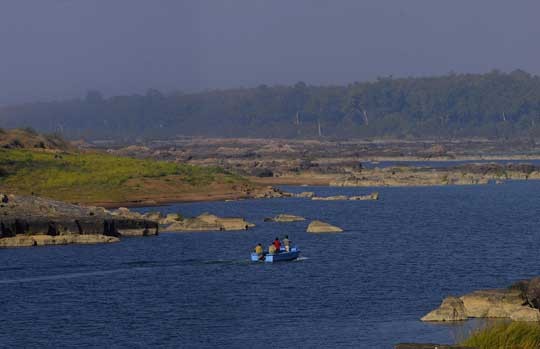
The geography is distinctive. The Ken River, one of Madhya Pradesh's perennial rivers, flows for about 72 km through the park, carving ravines, gorges and rocky terraces between broad plateaus and grasslands. Dry deciduous forest of teak, kardhai, mahua and tendu covers the slopes, and Panna sits at the northernmost tip of India's natural teak forests. The Ken Gharial Sanctuary protects a long stretch of river, and Raneh Falls and Pandav Falls add drama in the wet season.
Panna is also part of a rich human landscape. Bundelkhand is India's diamond-bearing region, and ancient rock paintings, believed to be around 2,000 years old, dot the forest. The park won the Ministry of Tourism's Award of Excellence in 2007 as the best maintained national park in India.
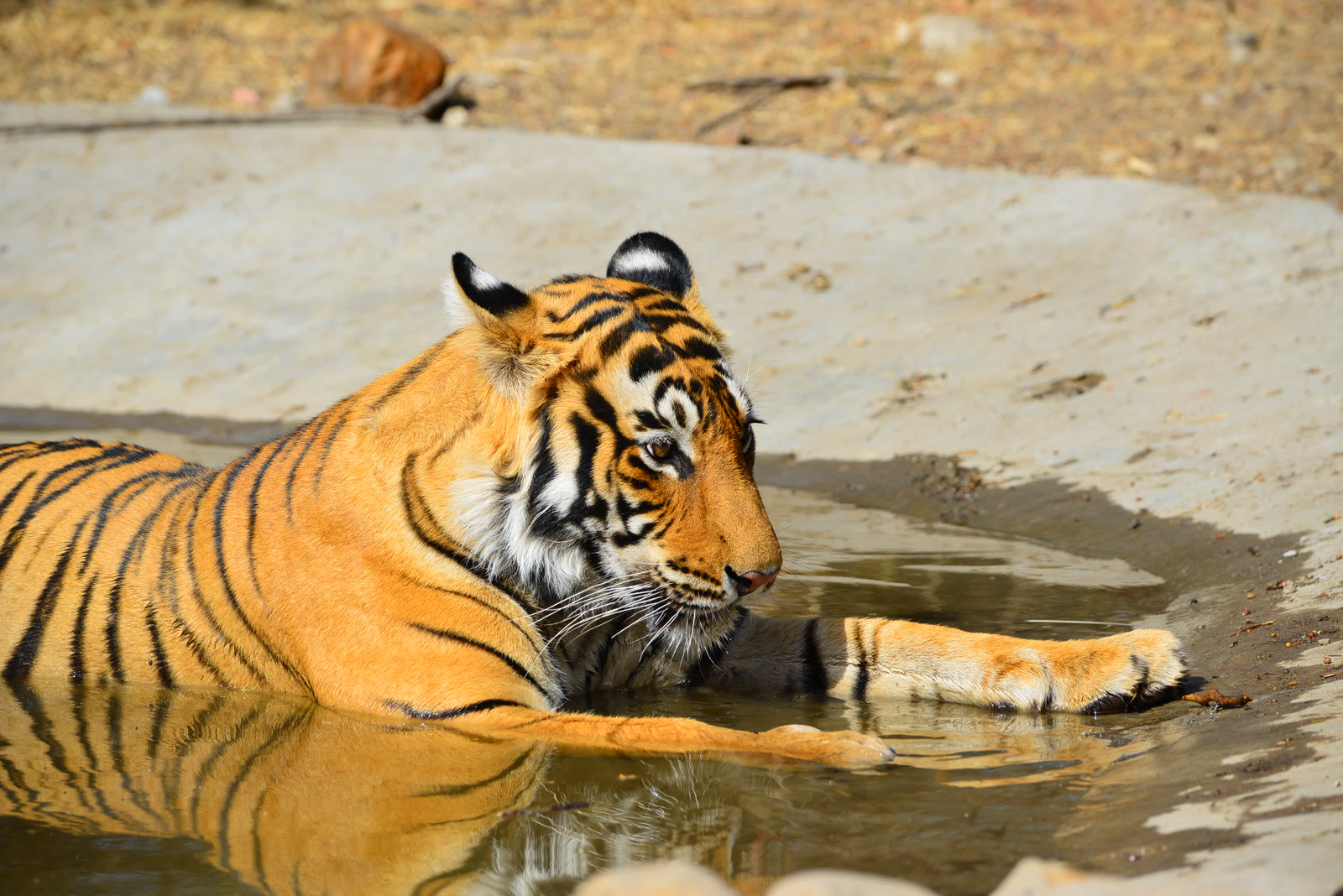
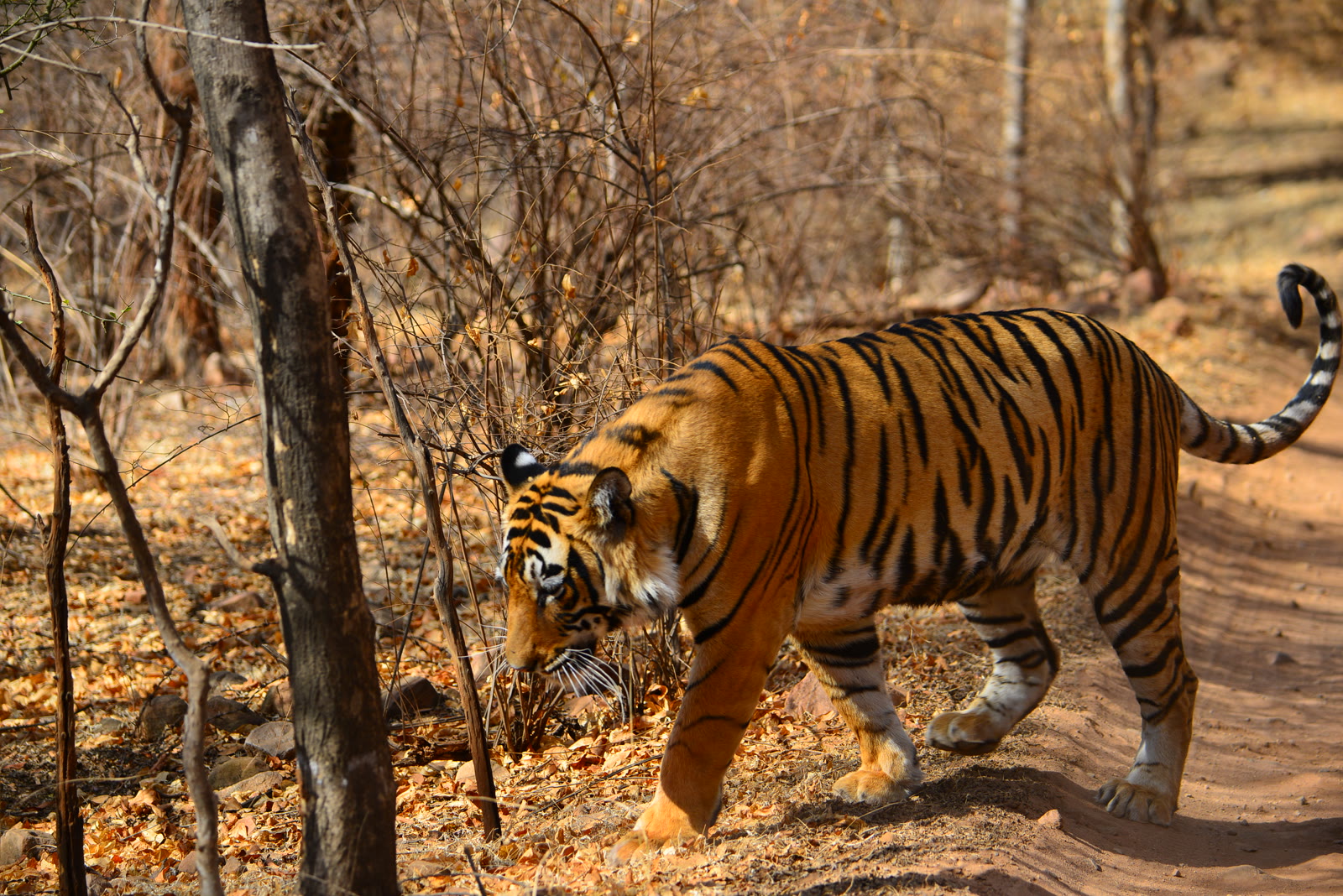
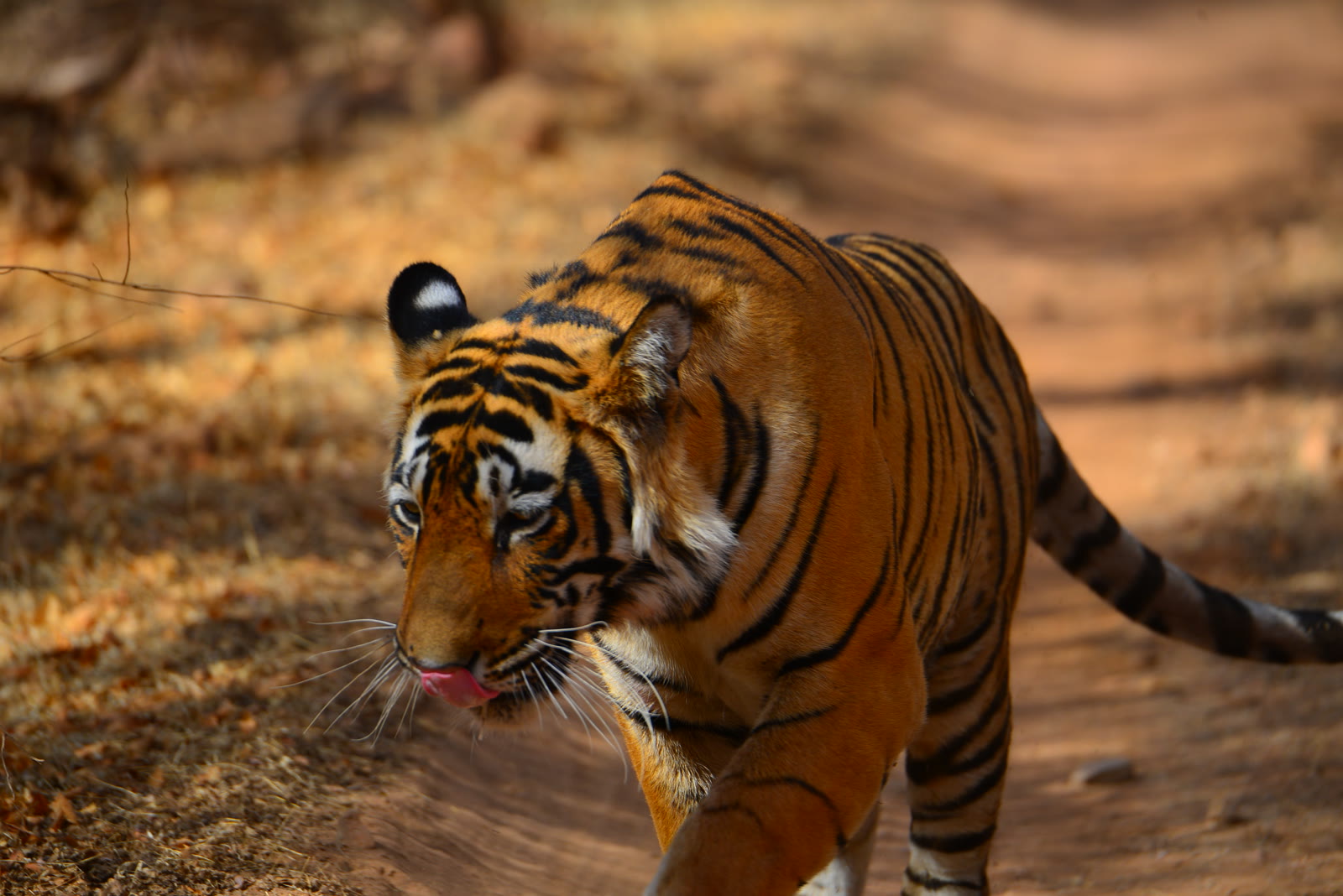
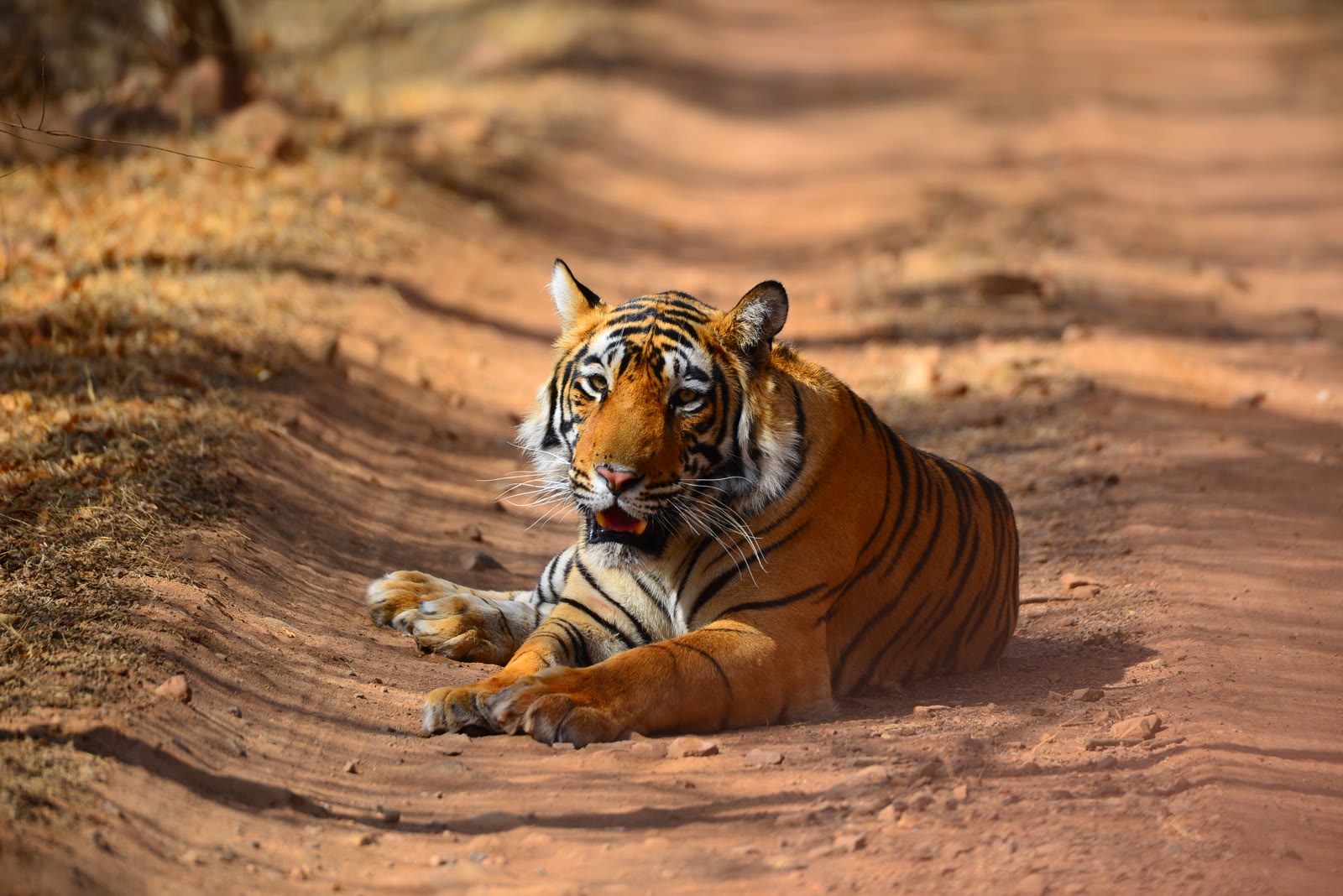
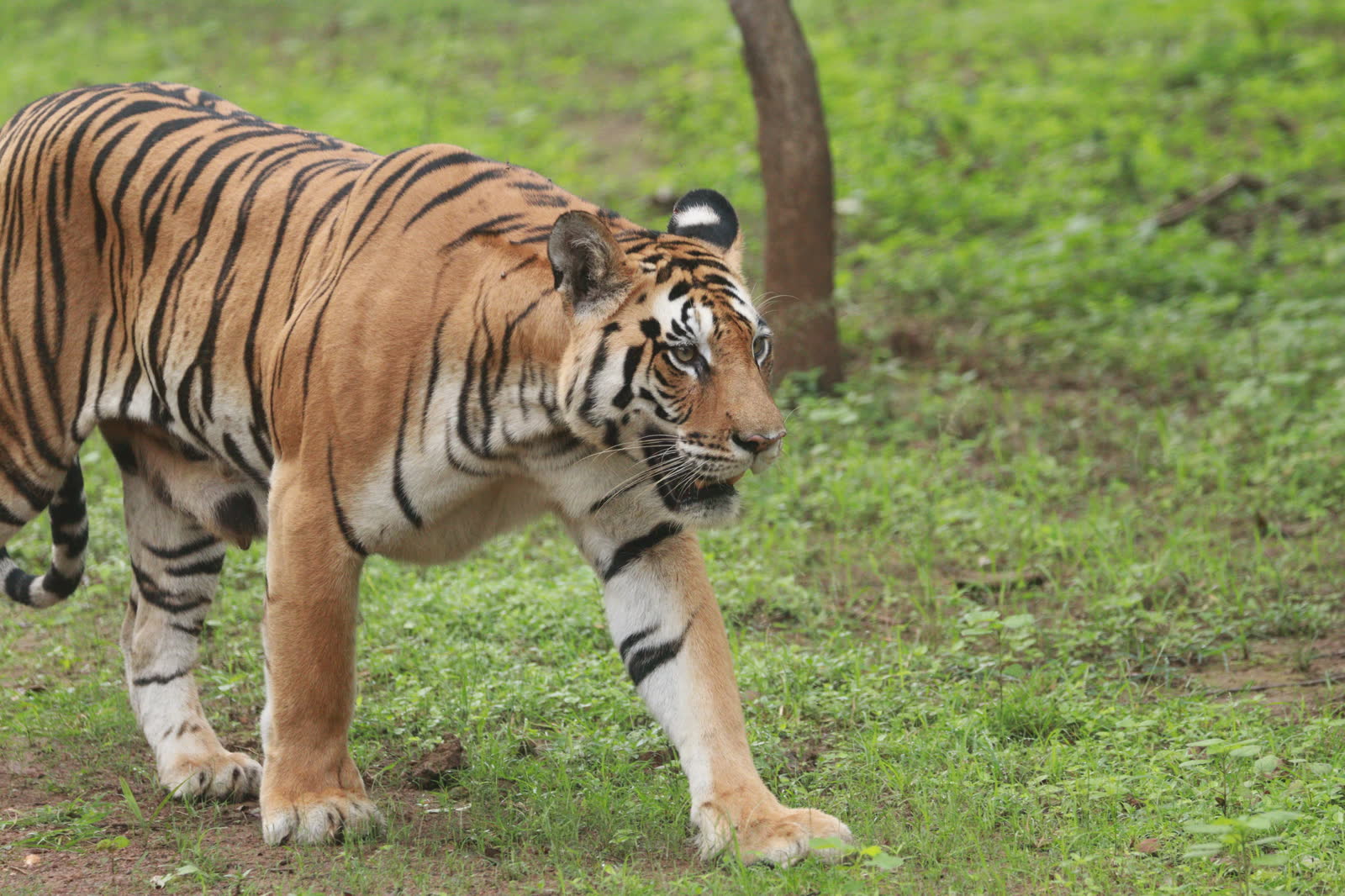
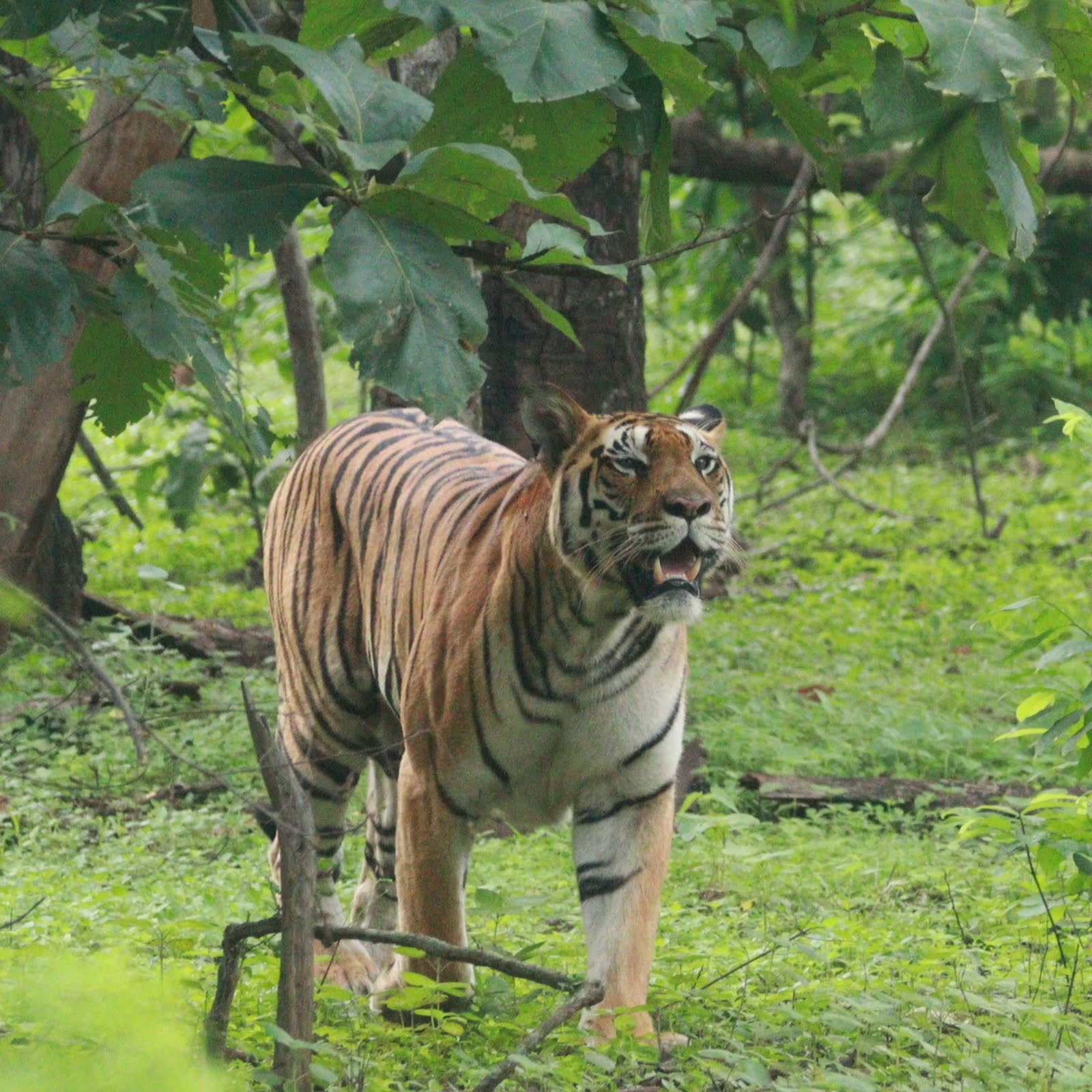
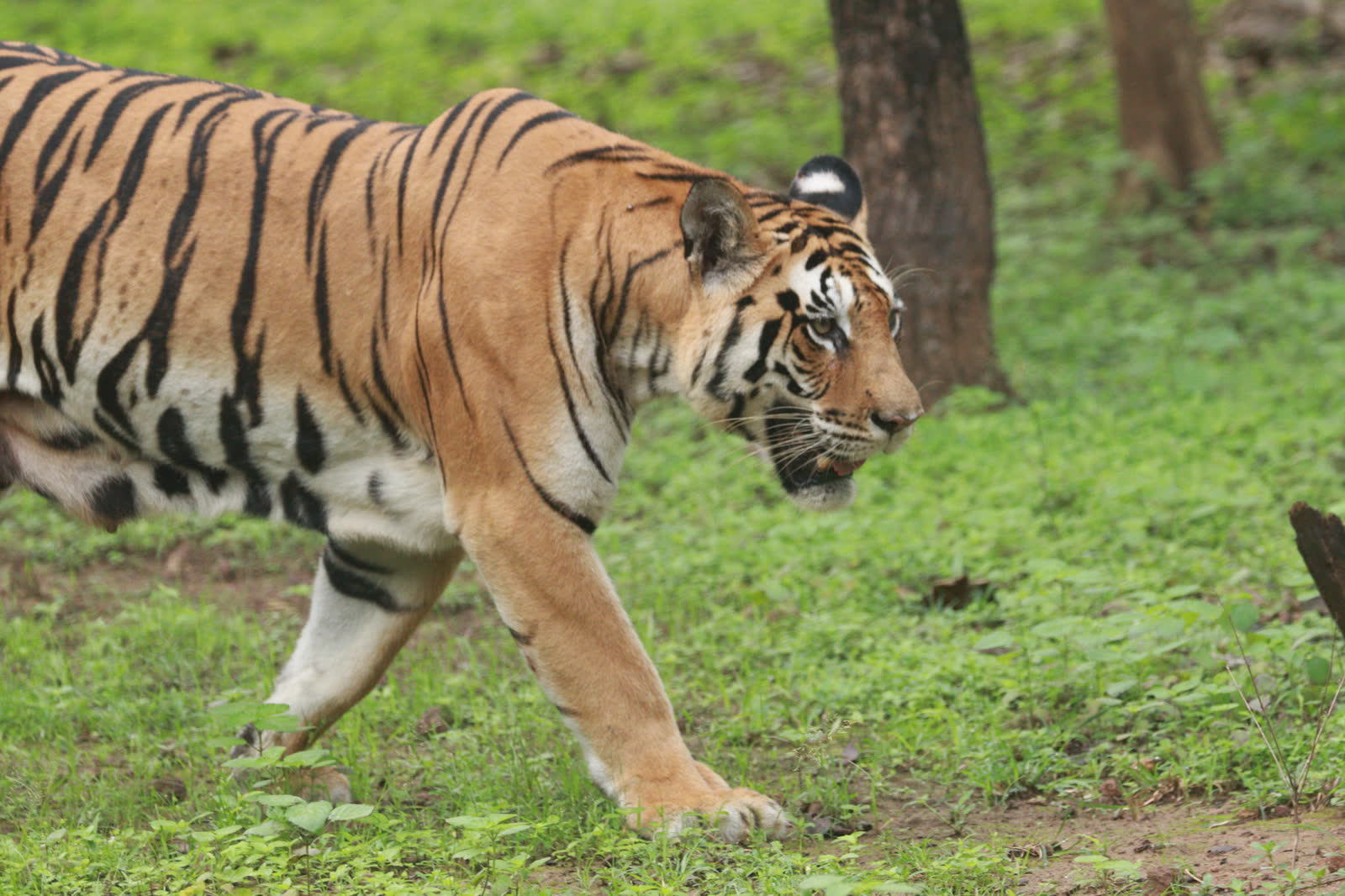
What makes Panna especially moving is its tiger story. In 2009 the reserve began a landmark reintroduction, bringing tigers from Bandhavgarh, Kanha and Pench, and today it holds dozens of tigers, a recovery celebrated worldwide.
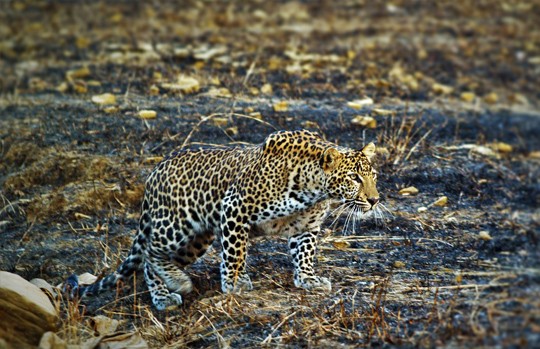
What to expect: morning and afternoon jeep drives through plateau forest, grassland and river gorge, with an optional boat trip on the Ken. Tigers, leopards, sloth bears and gharial are highlights, and sightings, while never promised, are a rewarding sign of a landscape restored.
Facts About Panna National Park
| Information | Details |
|---|---|
| Location | Panna and Chhatarpur districts, Bundelkhand, near Khajuraho |
| State | Madhya Pradesh |
| Established | National park 1981; tiger reserve 1994; UNESCO Biosphere Reserve 2020 |
| Area | National park about 543 km²; biosphere reserve about 3,000 km² (core about 793 km²) |
| Protected Area Type | National park within a tiger reserve and a UNESCO Biosphere Reserve |
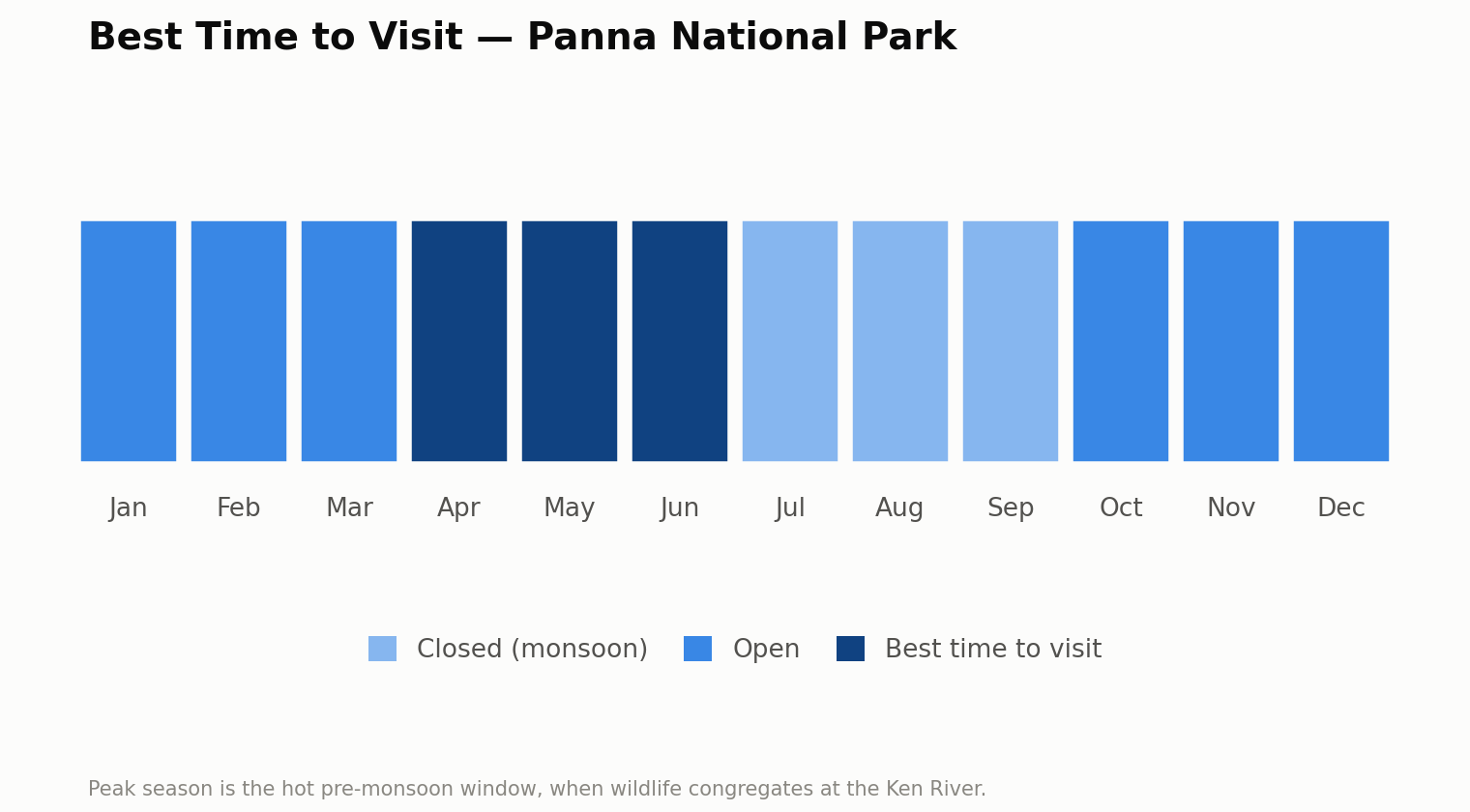
| Functional Days | Two daily shifts, from 1 October to 30 June |
| Annual Closure | Monsoon closure from 1 July to 30 September, when the Ken is in spate |
| Weekly Offs | Each gate follows its own rest schedule |
| Best Time to Visit | November to June, with April to June best for tigers along the Ken |
| Recommended Safari Duration | Two nights with three to four drives, plus time in Khajuraho |
| Vegetation | Dry deciduous forest of teak, kardhai, mahua and tendu, grassland and river gorge |
| Elevation | Plateaus and gorges of the Vindhyan tableland |
| Major Wildlife | Tiger, leopard, sloth bear, chital, sambar, nilgai, chinkara, gharial |
| Famous For | One of India's great tiger recovery stories, the Ken River gorge and proximity to Khajuraho |
Functional days. Drives run in a morning and an afternoon shift, roughly 6:15 to 11:00 am and 3:00 to 6:00 pm, with afternoons starting later in summer.
Yearly off. The park rests through the monsoon and reopens on 1 October, when the plateaus are green and the waterfalls full.
Weekly offs and rules. Rest days differ by gate, so a permit is tied to a gate, date and shift. Only authorised jeeps enter the park.
Tiger Density and Other Major Species
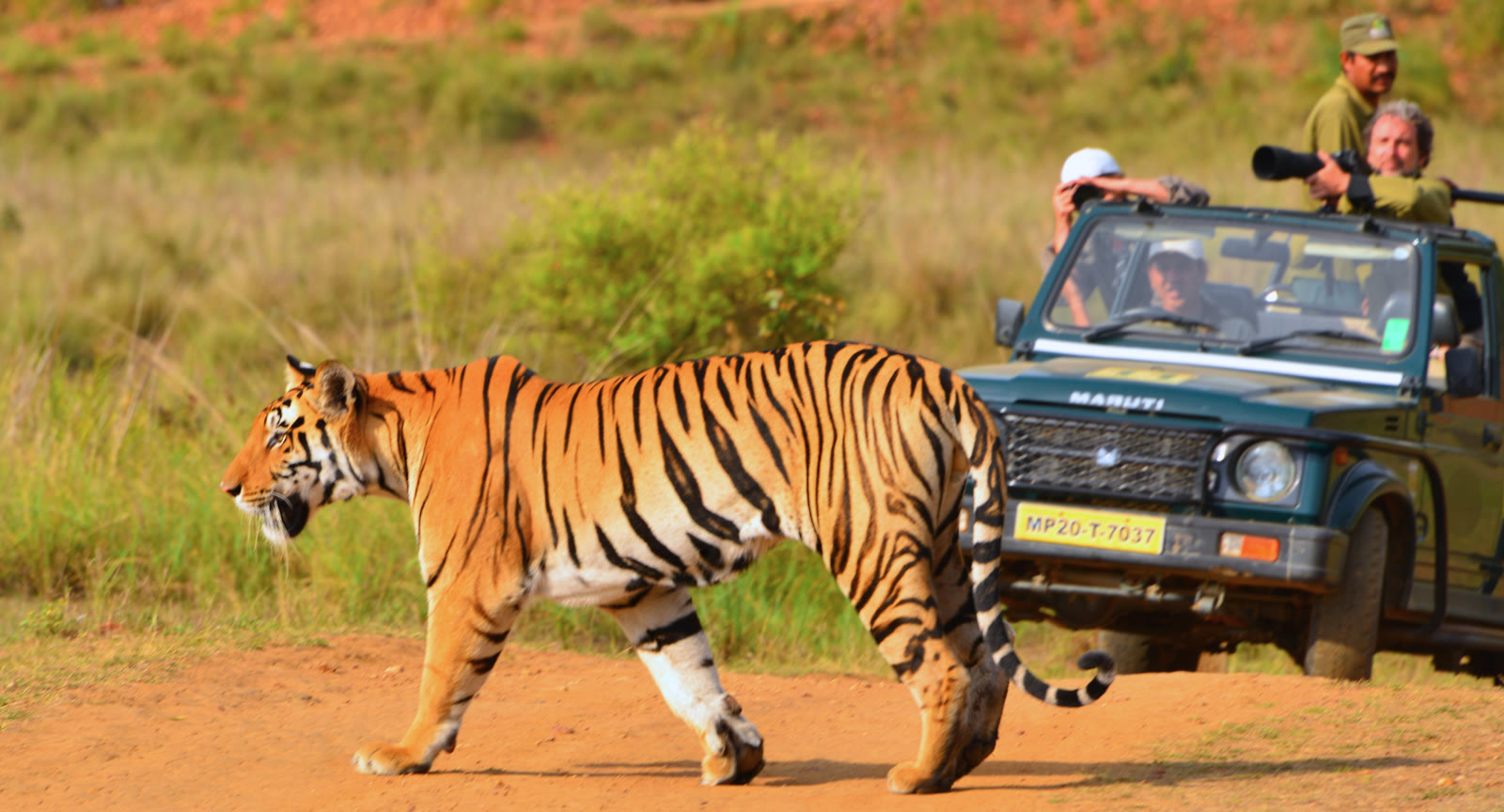
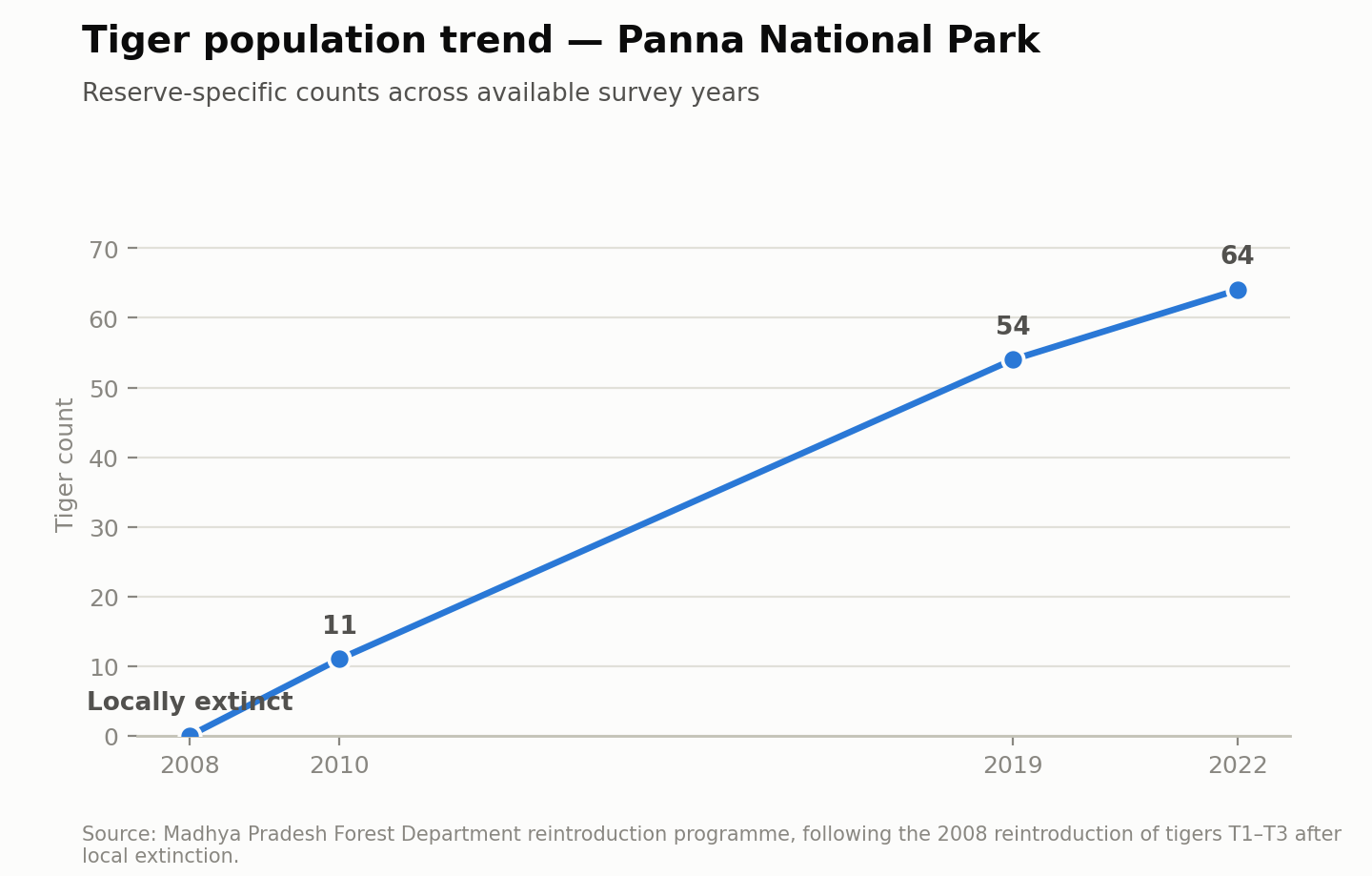
Panna's tiger population is one of the great conservation recoveries in India. In 2009 a reintroduction programme began, bringing tigers from Bandhavgarh, Kanha and Pench to restore the population, and it has been remarkably successful.
| Year | Milestone | Detail |
|---|---|---|
| 2009 | Reintroduction begins | Females brought from Bandhavgarh and Kanha, and a male from Pench |
| 2010 | First cubs | Born to the relocated tigress from Bandhavgarh |
| 2022 | Tiger estimate | About 64 |
| Recent | Population | More than 80 across the landscape |
The programme was built on careful protection, tracking and habitat management. The relocated male famously set out towards his home in Pench and was tracked for weeks before settling in Panna, and the first litters were followed by generations of cubs. Tigresses here have raised large numbers of cubs, and Panna's tigers have spread beyond the park into the surrounding forests.
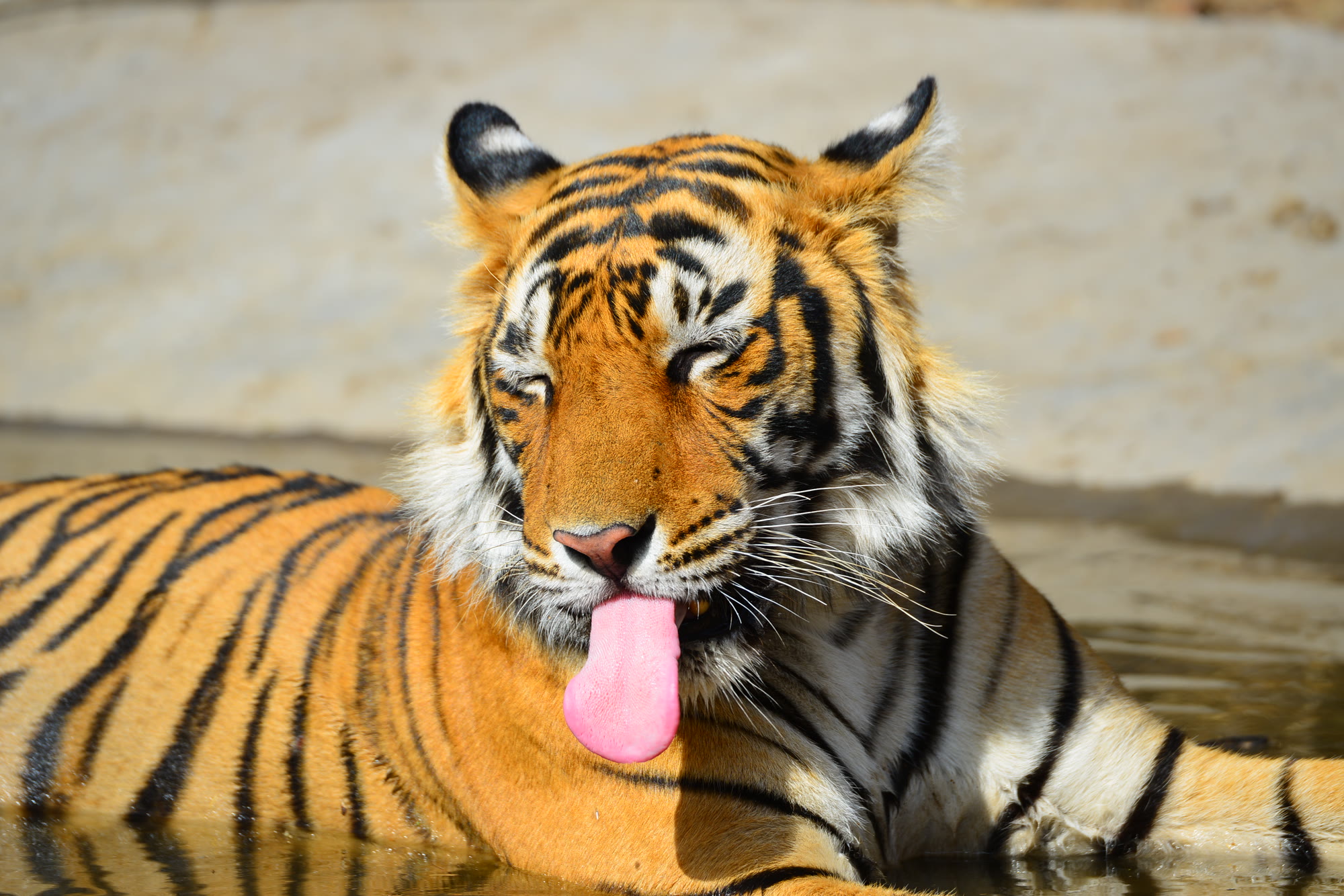
Sightings are frequent in season, especially in the dry months when tigers come to the Ken River, and Panna is often praised for intimate sightings in a quieter park. No sighting can be promised, but the plateaus, gorges and river make every drive scenic.
Other species
- Leopard: Present and seen occasionally, especially in rocky areas.
- Sloth bear: Seen occasionally, often in hilly forest.
- Gharial and marsh crocodile: Seen regularly along the Ken River.
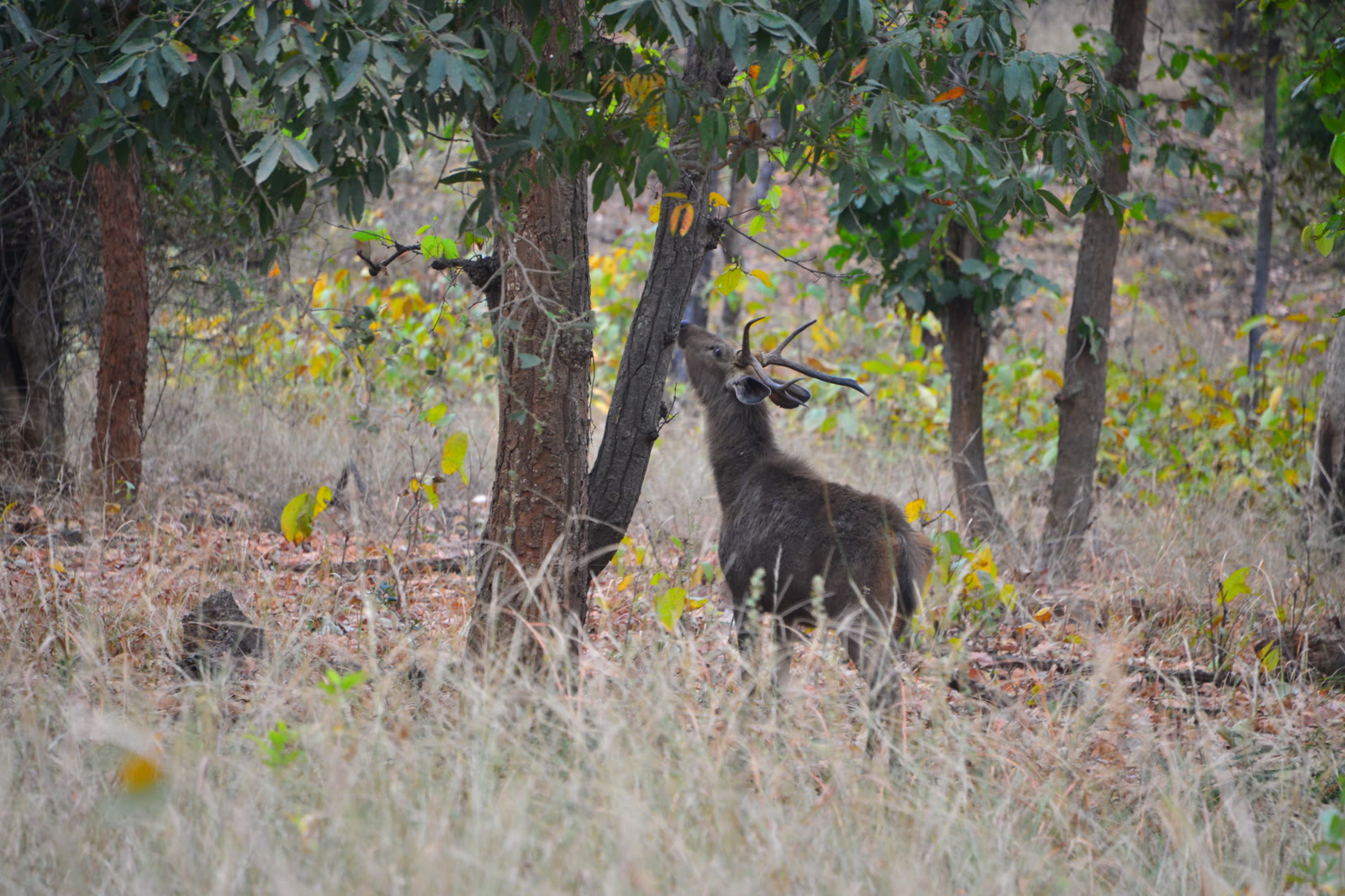
- Prey base: Chital, sambar and nilgai are seen on most drives, with chinkara and four-horned antelope on the plateaus.
- Vultures: Panna is a good place to see red-headed and Indian vultures.
- Smaller cats: Rusty-spotted cat, jungle cat and caracal are present and rarely seen.
- Birds: More than 200 species, including bar-headed geese in winter.
Safari Zones in Panna National Park
Panna is explored mainly through two core gates, Madla and Hinauta, with the Akola gate and several buffer routes adding variety. Only a limited number of vehicles enter each gate, and no gate can promise a sighting.
| Gate | Area | Character |
|---|---|---|
| Madla | Core | The oldest and most popular gate, close to Khajuraho and the Ken River |
| Hinauta | Core | Dry, rocky terrain near Panna town, with leopards and sloth bears |
| Akola | Core and buffer routes | Additional forest routes that connect with the main gates |
| Jhinna, Harsha and Khajurikudar | Buffer | Quieter routes, including a buffer night safari at Jhinna |
Madla
Madla is the oldest and most popular gate, entered just after the Ken River bridge and about 26 km from Khajuraho. Its routes pass grassland, teak forest and the river, with a strong record of tiger sightings, and a boat safari on the Ken adds a different view. The zone has the widest choice of lodges nearby.
Hinauta
Hinauta lies closer to Panna town, about 30 km from Madla, and offers dry, rocky terrain that suits leopards, sloth bears and tigers. It is quieter than Madla and has a raw, rugged feel, with small museums at the gate showing local wildlife and geography.
Akola
Akola opens additional forest routes that link with the main gates, and vehicles entering here can often exit through Madla. It is a good option when the main gates are full.
Buffer routes
The buffer routes at Jhinna, Harsha and Khajurikudar are quieter, with mixed habitat and fewer vehicles. Jhinna offers a night safari in the buffer, when civets, honey badgers and the rare rusty-spotted cat can sometimes be seen.
Vehicles and rules
Open jeeps carry up to six guests with a naturalist and driver, and only authorised vehicles enter. Permits are allotted by gate, so drives at Madla and Hinauta give the fullest picture. India Tiger Safari would be delighted to design your fully private Panna safari: a bespoke journey through the gates that suit you best, with curated stays, a private jeep and a naturalist guide devoted to your party.
Mammals and Birds
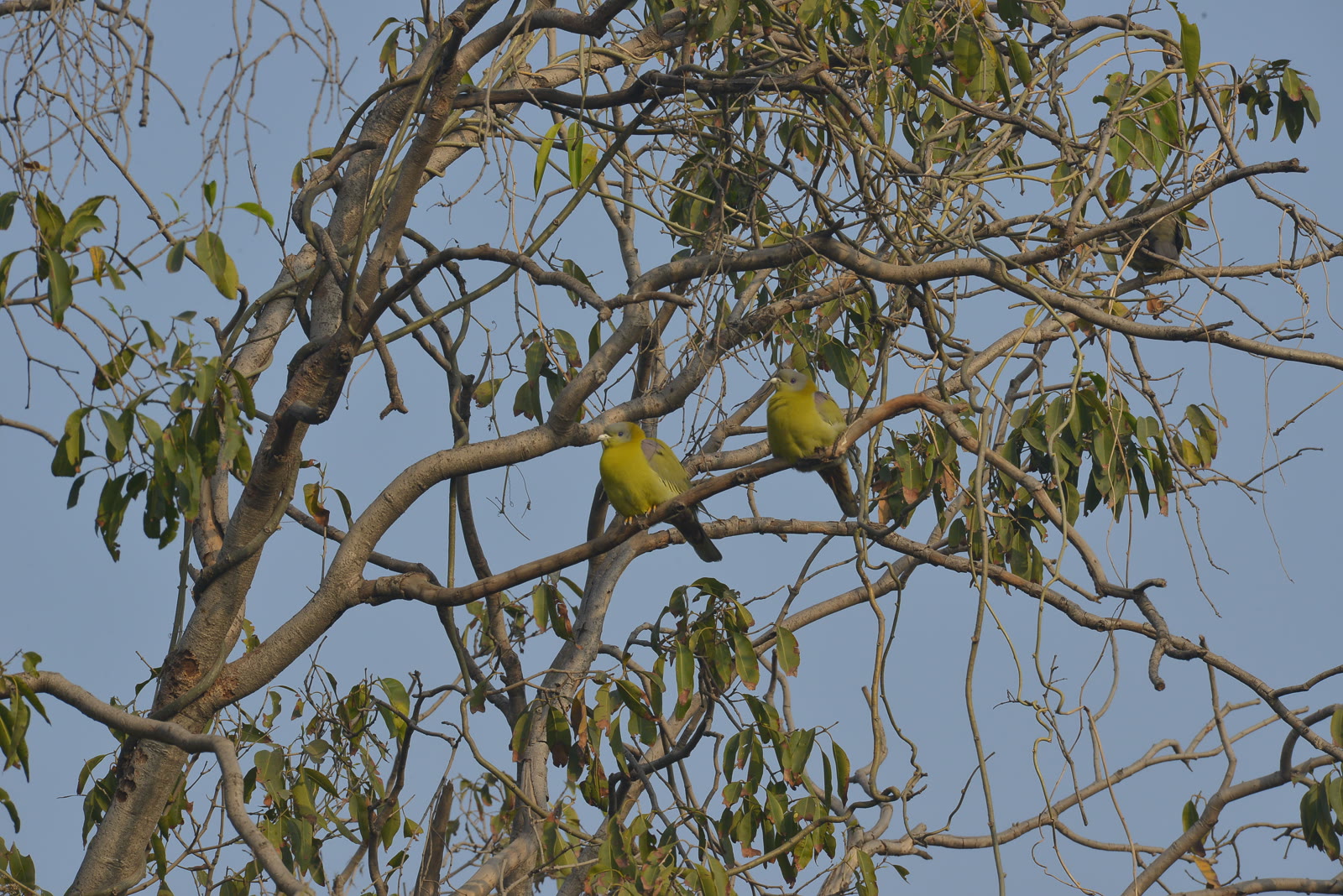
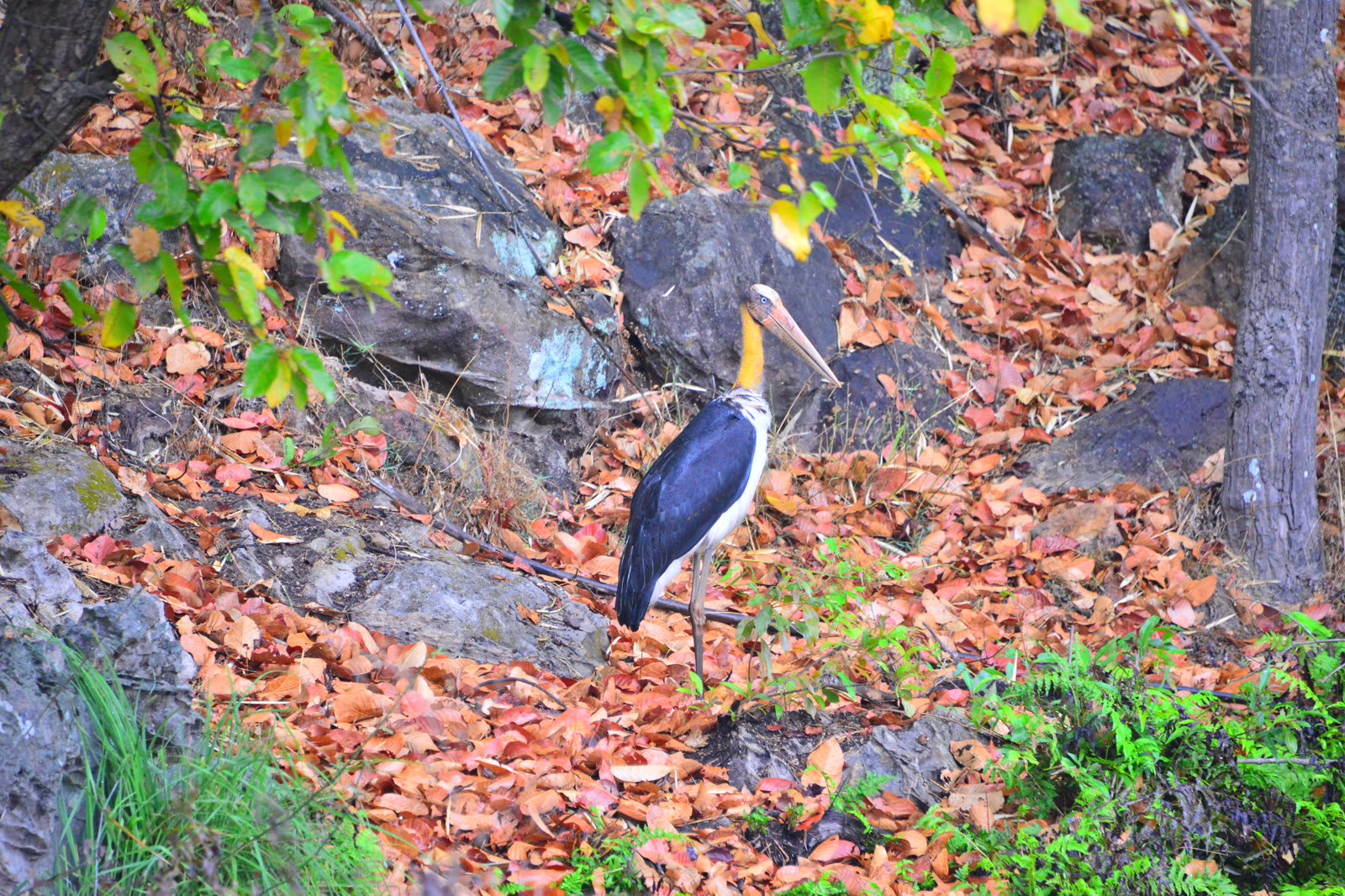
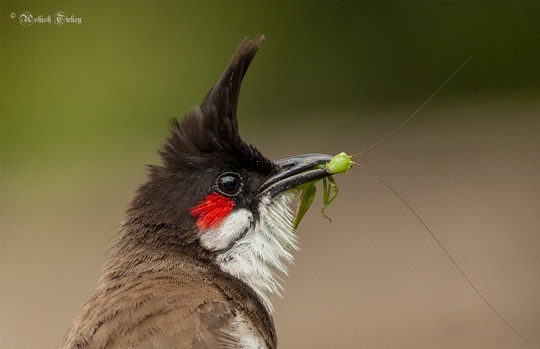
The lists below are representative and not complete.
Mammals
- Tiger
- Leopard
- Sloth Bear
- Indian Wolf
- Striped Hyaena
- Chital
- Sambar
- Nilgai
- Chinkara
- Four-horned Antelope
- Wild Boar
- Jungle Cat
- Rusty-spotted Cat
- Caracal
- Asian Palm Civet
- Indian Pangolin
- Common Langur
- Rhesus Macaque
Birds
- Bar-headed Goose
- Crested Honey Buzzard
- Red-headed Vulture
- Indian Vulture
- Plum-headed Parakeet
- Changeable Hawk-Eagle
- Indian Peafowl
- Indian Roller
- Painted Stork
- Egret
- Heron
Accessibility
Panna is one of the easiest tiger parks to combine with culture, as it lies less than an hour from the temples of Khajuraho. Distances and times are approximate.
Train
| Station | Distance and road time to the park | Why use it |
|---|---|---|
| Satna | About 70–90 km; roughly two to two and a half hours | The nearest major junction, on the Mumbai–Howrah line with trains from Delhi, Mumbai and Bhopal |
| Jhansi Junction | About 180 km; roughly four and a half hours | A major hub on the Delhi–Bhopal line, useful for Orchha and Khajuraho circuits |
Air
| Airport | Distance and road time | Onward transport |
|---|---|---|
| Khajuraho (HJR) | About 25–30 km; roughly 45 minutes to an hour | Private transfer |
| Jabalpur (JLR) | About 175 km; roughly four hours | Private transfer |
Khajuraho airport has direct flights from Delhi and Varanasi and is the natural gateway, only a short drive from the Madla gate.
Road
Khajuraho (about 25 km, 45 minutes). The most convenient transfer, passing through village and farmland to the Madla gate.
Satna (about 70–90 km, two to two and a half hours). A comfortable drive from the railway junction.
Jhansi (about 180 km, four and a half hours). A scenic drive via Orchha and Khajuraho for those combining heritage and wildlife.
Inside the park, only authorised safari vehicles are used, with a naturalist.
Accommodation
Stays around Panna cluster near the Madla gate and along the Ken River, close to Khajuraho, with a few options near Hinauta. This guide describes the character of each option rather than ranking properties.
Luxury safari lodges
The finest properties sit beside the Ken River or at the forest edge, with spacious cottages or tents, private terraces, pools, fine dining and expert naturalists. Mornings can begin with a short drive to the gate, and some offer river walks and boat trips. They suit couples and small private groups who want comfort between drives.
Forest rest houses and jungle camps
Simple forest department accommodation near Madla, Hinauta and Raneh Falls offers rooms, tents and dormitory beds close to the wildlife. India Tiger Safari arranges stays there as part of a private itinerary.
Boutique lodges and eco-lodges
Smaller lodges along the river offer a quieter, more personal stay, with cottage-style rooms and home-style meals.
Resorts and mid-range hotels
A range of resorts with gardens and pools serves families and groups, and a stay in Khajuraho pairs well with a morning drive.
Budget stays
Guesthouses in Madla, Panna and Khajuraho offer simple, good-value rooms.
Choosing well
- Gate proximity: Choose a base near Madla for the main gate and Khajuraho, or near Hinauta for the quieter side.
- Dining: Lodges serve Indian menus and can pack breakfast for early drives.
- Guiding: Naturalists accompany every vehicle, and lodges can recommend experienced guides.
- Families: Resorts with pools and gardens suit children best.
India Tiger Safari's bespoke private itineraries pair each gate with a curated lodge.
People Also Visit
Panna sits at the northern end of Madhya Pradesh's tiger circuit, with Khajuraho as a natural gateway.
Bandhavgarh National Park
Bandhavgarh lies to the east, about four to five hours by road via Khajuraho or Satna. Its rocky hills, fort and famously high tiger density contrast with Panna's plateaus and river gorge, and the two make a classic pairing, with tigers from Bandhavgarh having helped restart Panna's population.
Kanha National Park
Kanha lies further south-east and is usually visited after Bandhavgarh. Its sal forests, meadows and barasingha add a different landscape, and tigers from Kanha also helped restore Panna, so the two share a conservation thread.
Ranthambore National Park
Ranthambore can follow Panna on a wider circuit, usually connecting through Delhi, with a flight from Khajuraho. The dry deciduous forest, lakes and fort ruins of Rajasthan contrast with Panna's river gorge.
Panna National Park FAQs
What is the best time to visit Panna National Park?
The park is open from 1 October to 30 June. November to March brings cool, pleasant weather, and April to June is hot, with tigers and other animals gathering along the Ken River. The monsoon closes the park from July to September, when the waterfalls and river are at their fullest.
How many days do you need in Panna?
Two nights is ideal, giving three to four drives and time for a boat trip on the Ken, the waterfalls or the temples of Khajuraho. India Tiger Safari's bespoke itineraries match nights and gates to your dates.
Can you see tigers in Panna?
Panna's tiger population was rebuilt through a celebrated reintroduction that began in 2009, with about 64 tigers recorded in 2022 and more than 80 across the landscape since. Sightings are frequent in season, especially in the dry months along the Ken. No sighting can be promised, but each one is a conservation success.
Which safari gate is best in Panna?
There is no single best gate. Madla is the oldest and most popular, close to Khajuraho and the Ken River, Hinauta is quieter and rockier with leopards and sloth bears, and Akola and the buffer routes offer variety. Driving two gates gives the fullest picture.
How do Panna safari arrangements work?
Safaris are booked by gate, date and a morning or afternoon shift, in an open jeep for up to six guests with a naturalist. Every guest needs valid ID. India Tiger Safari handles permits, vehicles and guides for its private guests, so you can concentrate on the landscape and the animals.
Why is Panna famous for its tiger recovery?
In 2009 Panna began one of India's most celebrated reintroductions, bringing tigers from Bandhavgarh, Kanha and Pench. The first cubs were born in 2010, and the population has grown to dozens, one of the world's most successful big cat recoveries.
How do you reach Panna National Park?
Khajuraho airport, about 25 to 30 km away and roughly 45 minutes by road, has direct flights from Delhi and Varanasi. Satna, about 70 to 90 km away, is the nearest major railway junction, and Jhansi, about 180 km away, is a major hub. A private transfer to your lodge is the most comfortable option.
Is Panna suitable for families?
Yes. Drives are unhurried, a boat trip on the Ken is a favourite, and the temples of Khajuraho are close by. Resorts with pools and gardens suit young guests, and a private jeep lets families set a comfortable pace.
What should you wear on a Panna safari?
Choose muted greens, browns and khaki, and layer up, since winter mornings in an open jeep are cool. In summer, bring a hat, sunscreen and light long sleeves. Wear closed shoes, avoid strong perfume and carry binoculars for the birds and gharial.
Is a private jeep available in Panna?
Yes. A jeep permit covers one vehicle for up to six guests, so a private group can have it to itself. India Tiger Safari arranges a private jeep and a naturalist guide devoted to your party as part of its bespoke journeys.