Jim Corbett National Park: Safari Guide
India's first national park, the launch site of Project Tiger, tiger habitat along the Ramganga, and forest rest houses inside the reserve
About Jim Corbett National Park
Jim Corbett National Park lies in the Himalayan foothills of Uttarakhand, chiefly in Nainital district, with the wider reserve reaching into Pauri Garhwal. It is India's oldest national park and the site where Project Tiger was launched on 1 April 1973. Two names cause confusion here: the national park is the original protected core, while Corbett Tiger Reserve is the larger, later unit built around it.
The park was created in 1936 as Hailey National Park, covering 323.75 km², and was renamed Ramganga National Park in 1954–55. In 1956 it took the name of Jim Corbett, the hunter-turned-conservationist. It grew to 520.82 km² in 1966. In 1991 a buffer of 797.72 km² was added, including the 301.18 km² Sonanadi Wildlife Sanctuary. The Government of Uttarakhand notified the whole as Corbett Tiger Reserve on 26 February 2010, with a total area of 1,288.31 km², of which the core (critical tiger habitat) is about 822 km² and the remainder buffer.
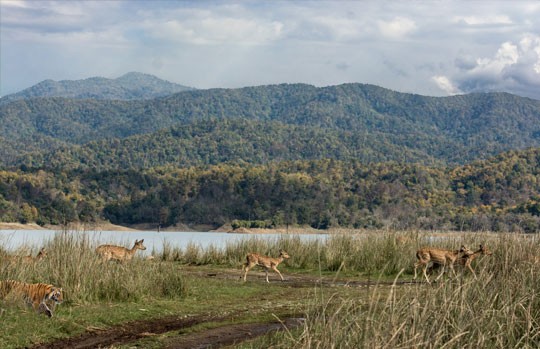
The terrain rises from about 400 to 1,220 m (1,300–4,000 ft), where the Shivalik hills meet the Ramganga valley. Sal accounts for roughly 40% of the reserve's forest, with pure stands between Dhangarhi and Dhikala. Khair and shisham line the river floodplains. Between them lie chaurs, open meadows that formed on old clearings and settlements, at Dhikala, Phulai, Khinnanauli and Bijrani among others. A large reservoir on the Ramganga, backed by the Kanda ridge, anchors the northern landscape.
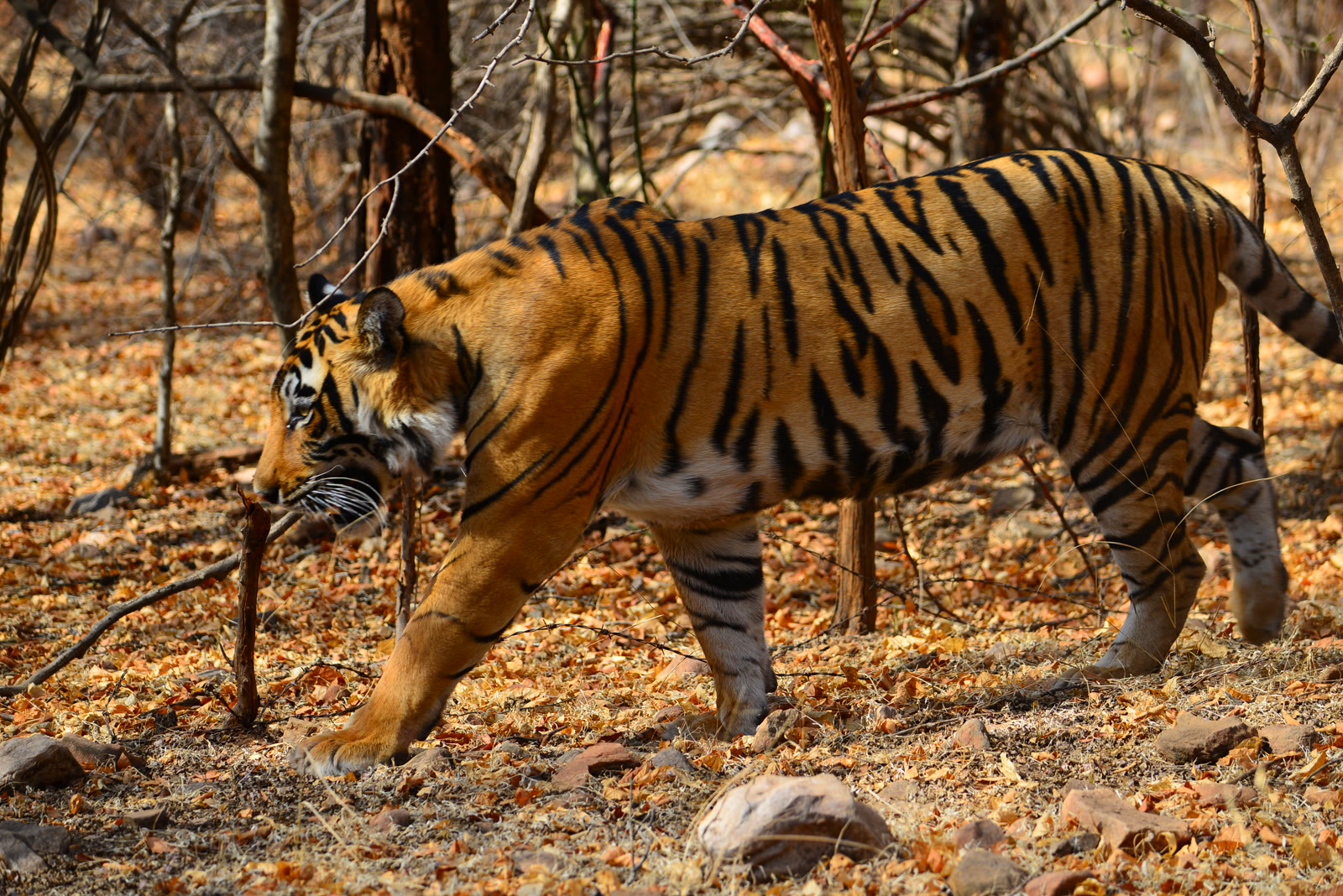
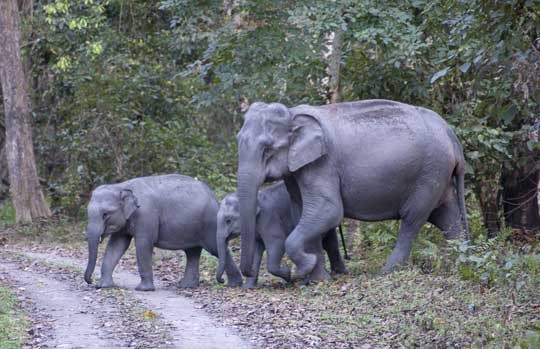
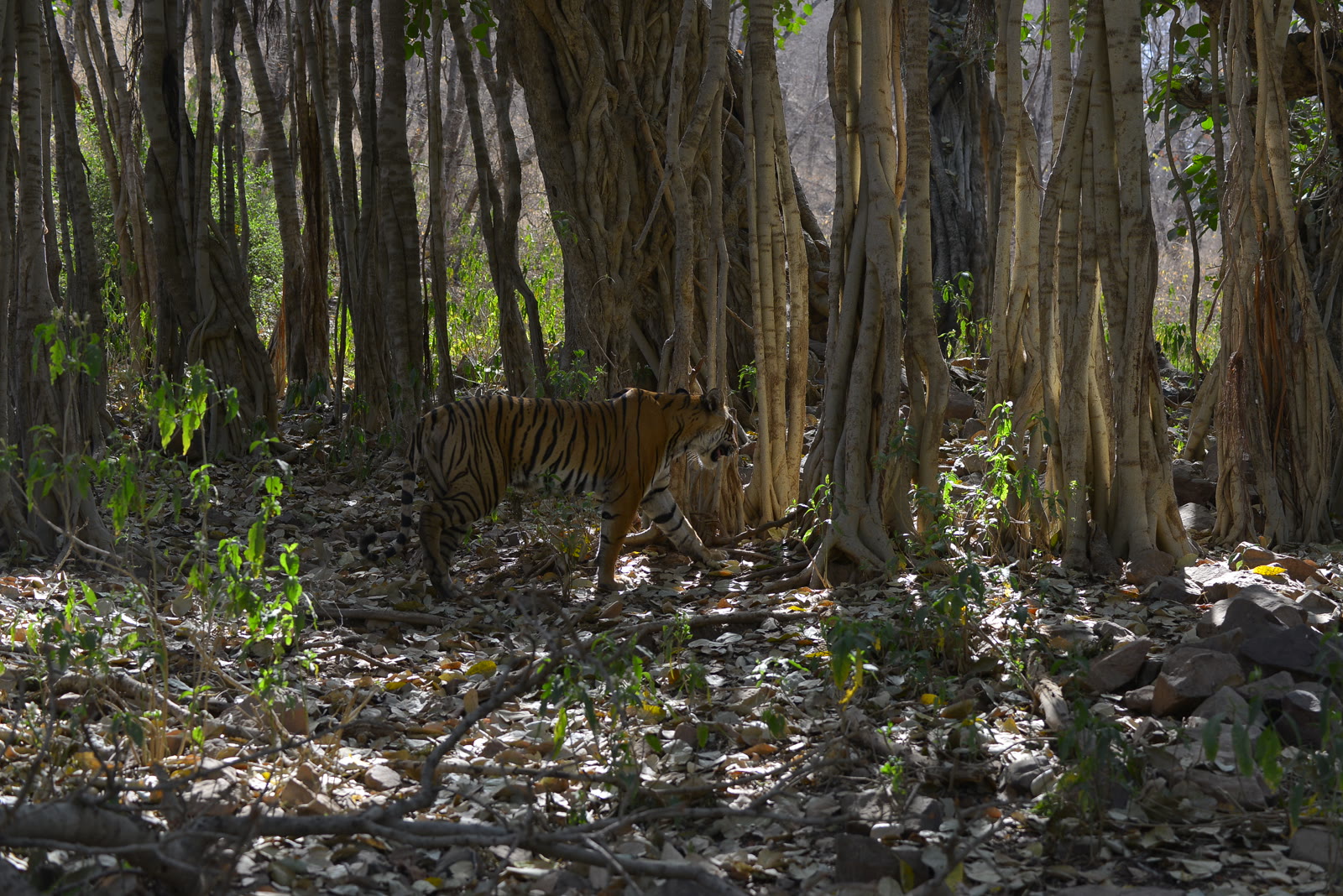
This mix of river, grassland and hill forest supports tigers, Asian elephants, leopards, sloth bears and, in winter, Asiatic black bears in the north. The rivers hold gharial and mugger crocodile, and Golden Mahseer. Birdlife is exceptional: the reserve is an Important Bird Area, with 51 of the subcontinent's 69 diurnal raptor species recorded here. The reserve is also one of the protected areas within the Terai Arc Landscape, a conservation corridor along the Himalayan foothills.
What sets Corbett apart within Indian wildlife tourism is its range of settings in one reserve: river valley, meadow, hill road and year-round buffer forest. It also permits overnight stays in forest rest houses inside the safari zones, subject to advance booking.
What to expect: a safari here is a half-day drive of roughly three to four hours, in a jeep for up to six guests or a shared canter (Dhikala only), with a registered naturalist guide. Expect tracks through sal forest, meadows and dry riverbeds, with deer, elephants, gharial and birds as regular highlights. Tiger sightings are a treat when they come, though wildlife is unpredictable and no sighting can be promised; several drives across zones give the best chance.
Facts About Jim Corbett National Park
| Information | Details |
|---|---|
| Location | Around Ramnagar, in Nainital and Pauri Garhwal districts |
| State | Uttarakhand |
| Established | 1936 as Hailey National Park; notified as Corbett Tiger Reserve on 26 February 2010; Project Tiger launched here in 1973 |
| Area | Tiger reserve 1,288.31 km²; core about 822 km²; national park proper 520.82 km² (as expanded in 1966) |
| Protected Area Type | National park inside a tiger reserve; the buffer includes Sonanadi Wildlife Sanctuary (301.18 km²) |
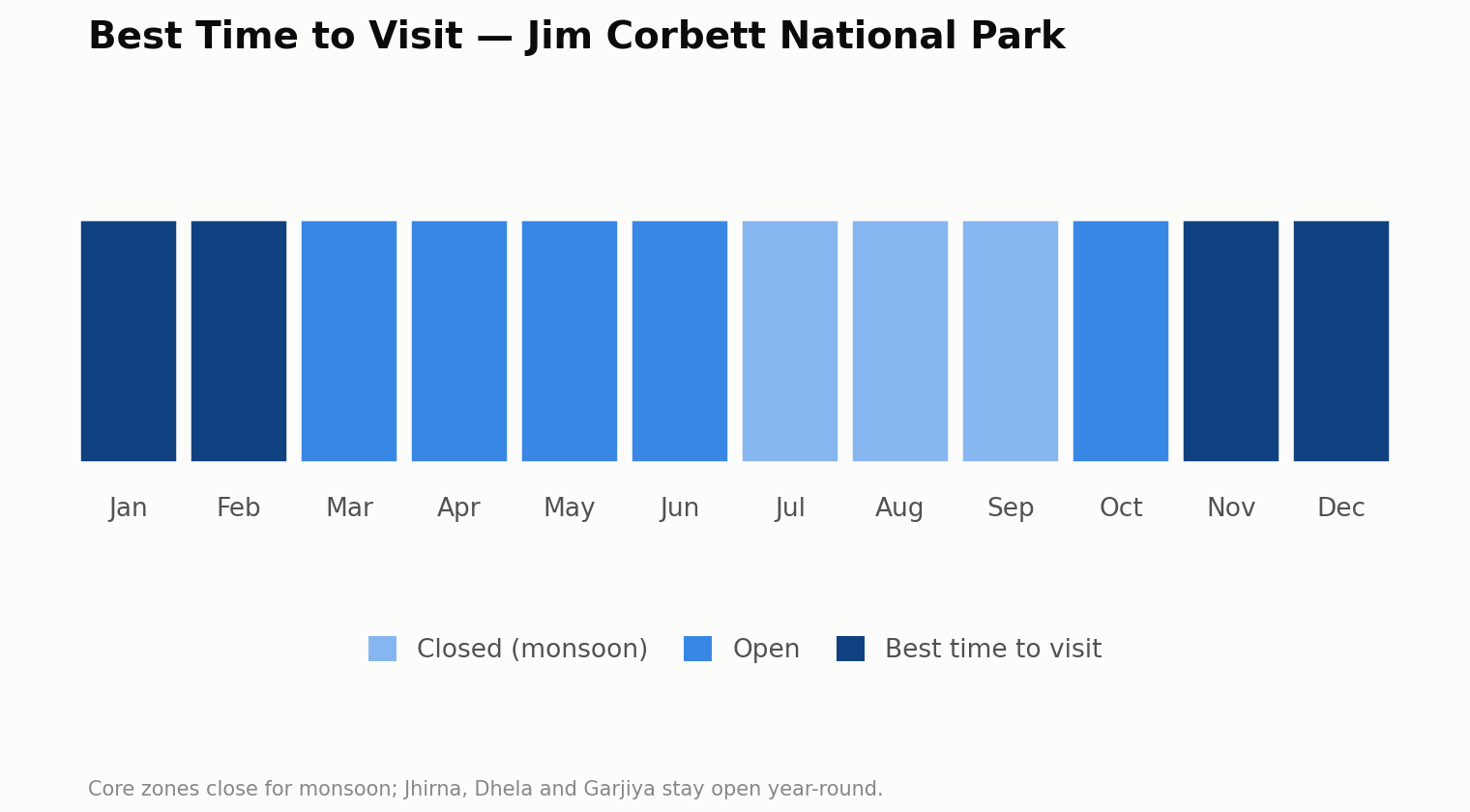
| Functional Days | Two daily shifts. Jhirna, Dhela and Garjiya are open through the year; Bijrani from 15 October to 30 June; Dhikala, Durgadevi, Sonanadi and Pakhro from 15 November to 15 June |
| Annual Closure | Monsoon closure of the core zones, roughly mid-June to mid-October or mid-November depending on the zone |
| Weekly Offs | Operating days are confirmed for each itinerary; India Tiger Safari checks these when planning your dates |
| Best Time to Visit | Mid-November to mid-June, when the main zones are open; November to February is cool, April to June is hot but animals gather near water |
| Recommended Safari Duration | Our suggestion: two to three nights with three to five drives, ideally across two zones |
| Vegetation | Sal (about 40% of forest), hill sal, khair–shisham riverine forest, mixed hardwood, chironji (Anogeissus) forest, chaur grasslands |
| Elevation | About 400–1,220 m (1,300–4,000 ft) |
| Major Wildlife | Tiger, Asian elephant, leopard, sloth bear, Asiatic black bear, hog deer, chital, sambar, gharial, mugger; about 580 bird species per the reserve |
| Famous For | India's first national park, the launch site of Project Tiger, tiger habitat along the Ramganga, and forest rest houses inside the reserve |
Functional days. Safaris run in a morning and an afternoon shift. Drives in Bijrani and Dhela typically run from 6:30 to 9:30 am and 3:00 to 6:00 pm, with timings following sunrise and sunset as shown on your permit.
Yearly off. Opening dates are confirmed each season, and India Tiger Safari takes care of the timing for your journey. Dhikala welcomes visitors from 15 November, while Durgadevi, Sonanadi and Pakhro open between mid-October and mid-November, and Bijrani from mid-October. The core zones close around 15 June (Bijrani on 30 June) as the monsoon settles in.
Weekly offs and rules. Rules differ by zone: canters run only in Dhikala, and jeep day safaris are not offered there, so jeeps in Dhikala are for guests staying in forest rest houses. Mobile phones are not permitted in core safari zones under a Supreme Court order.
Tiger Density and Other Major Species
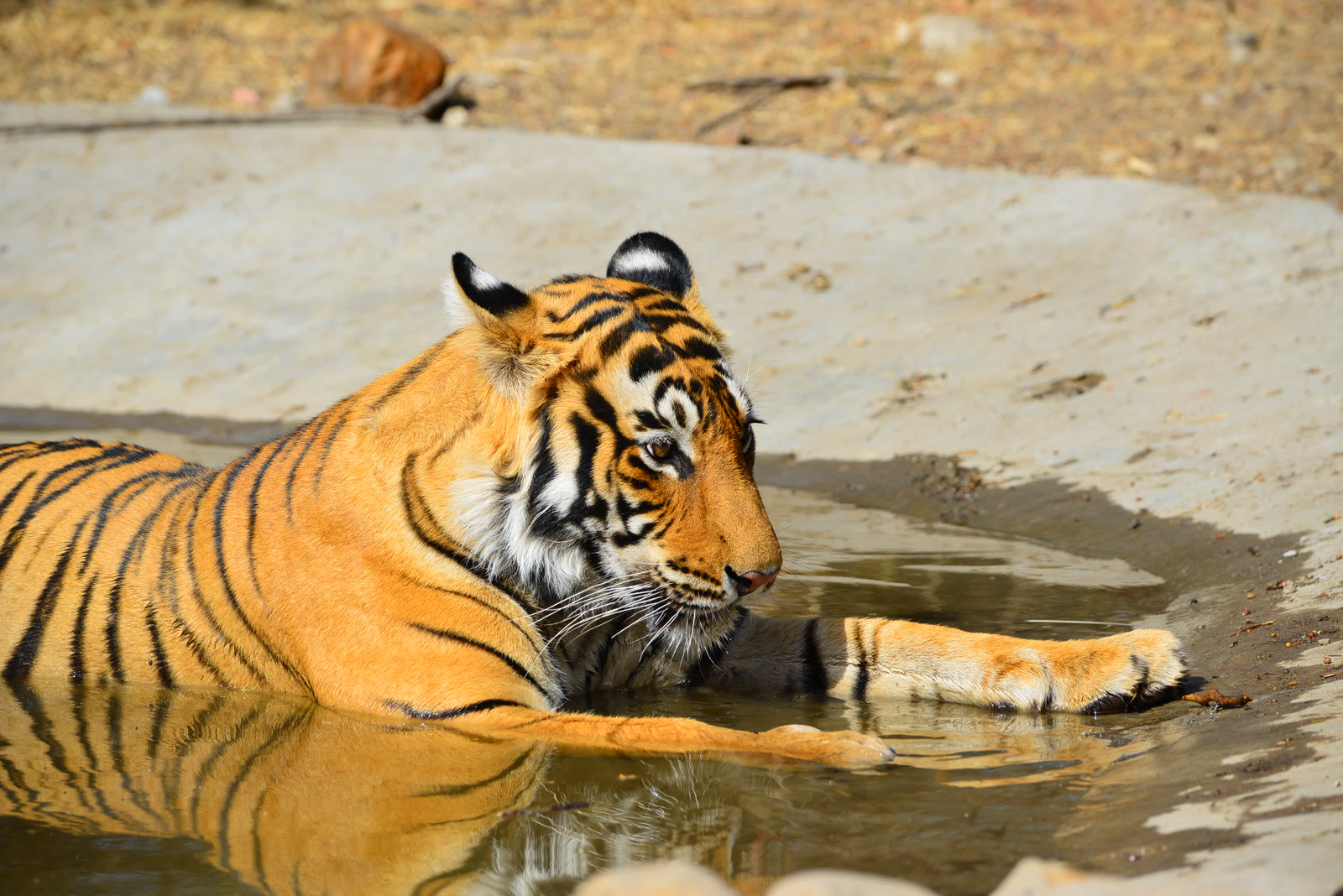
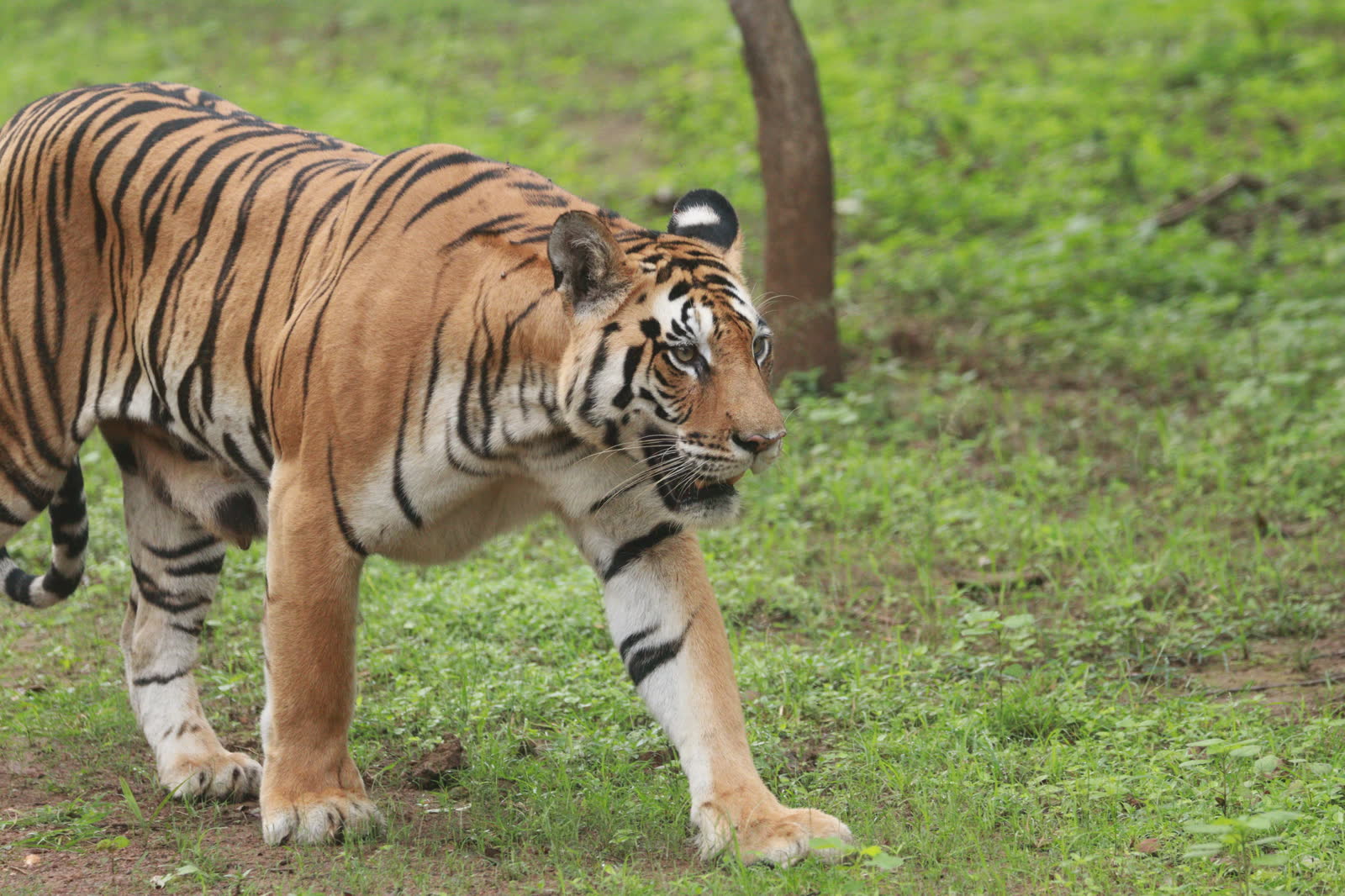
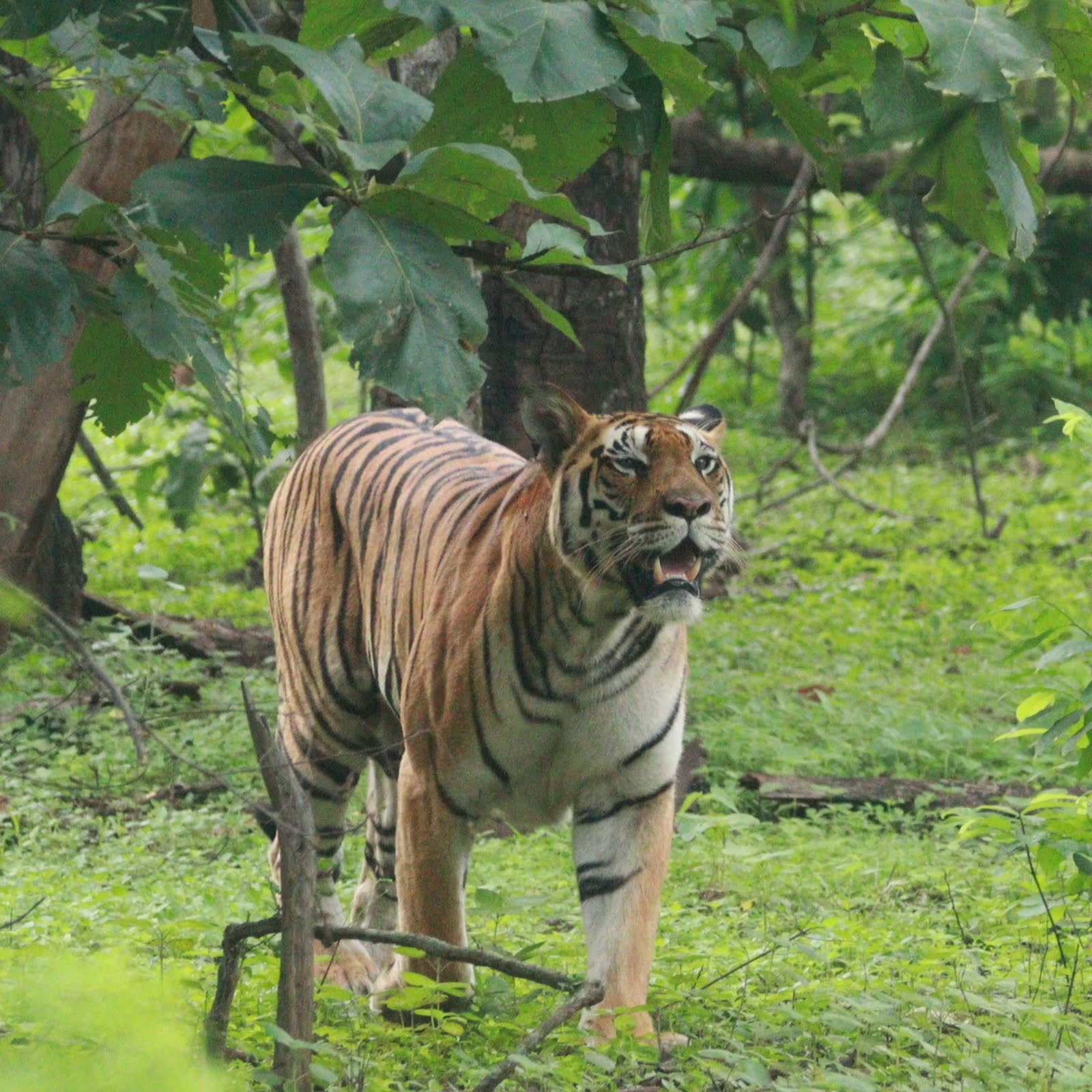
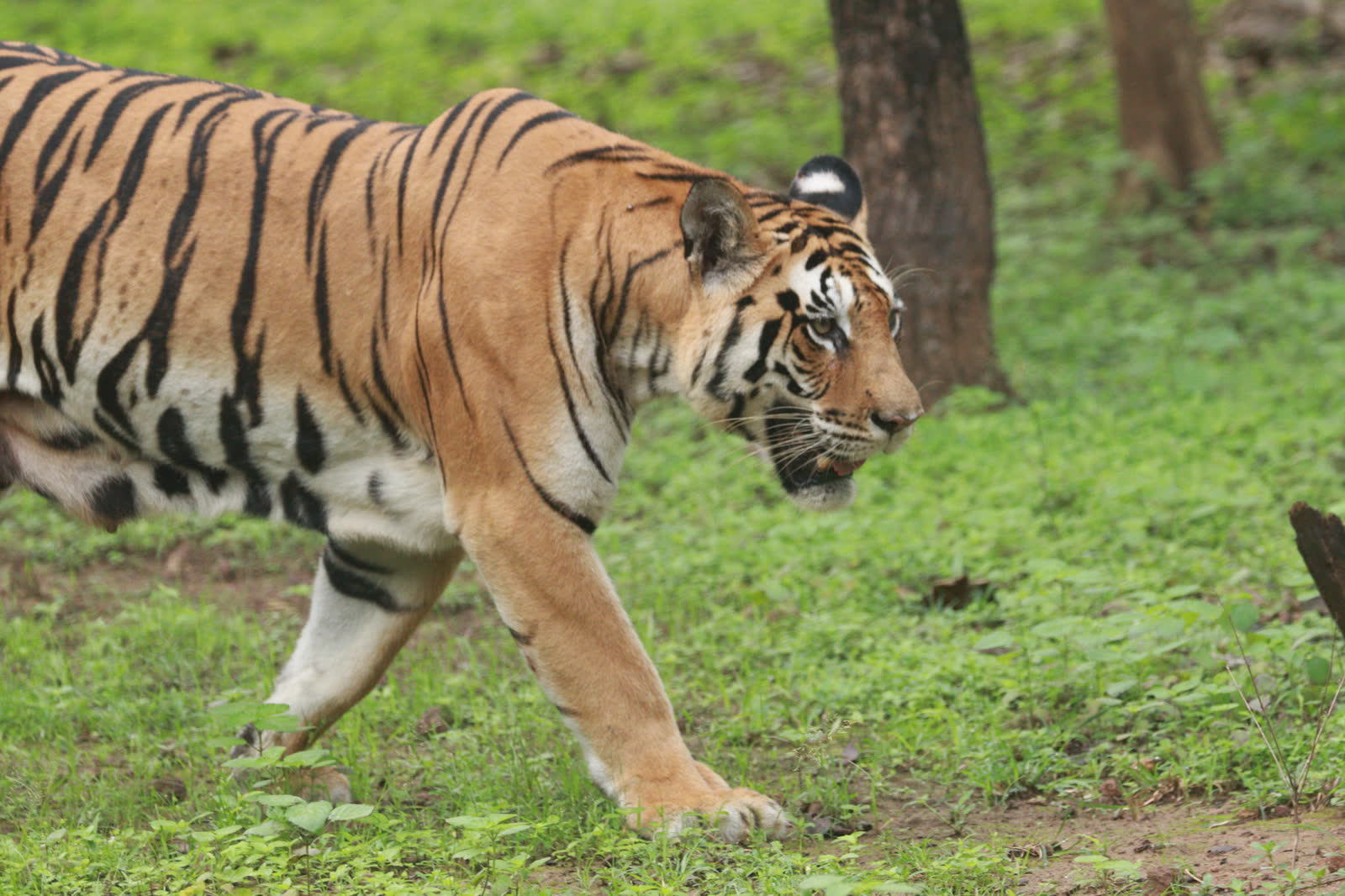
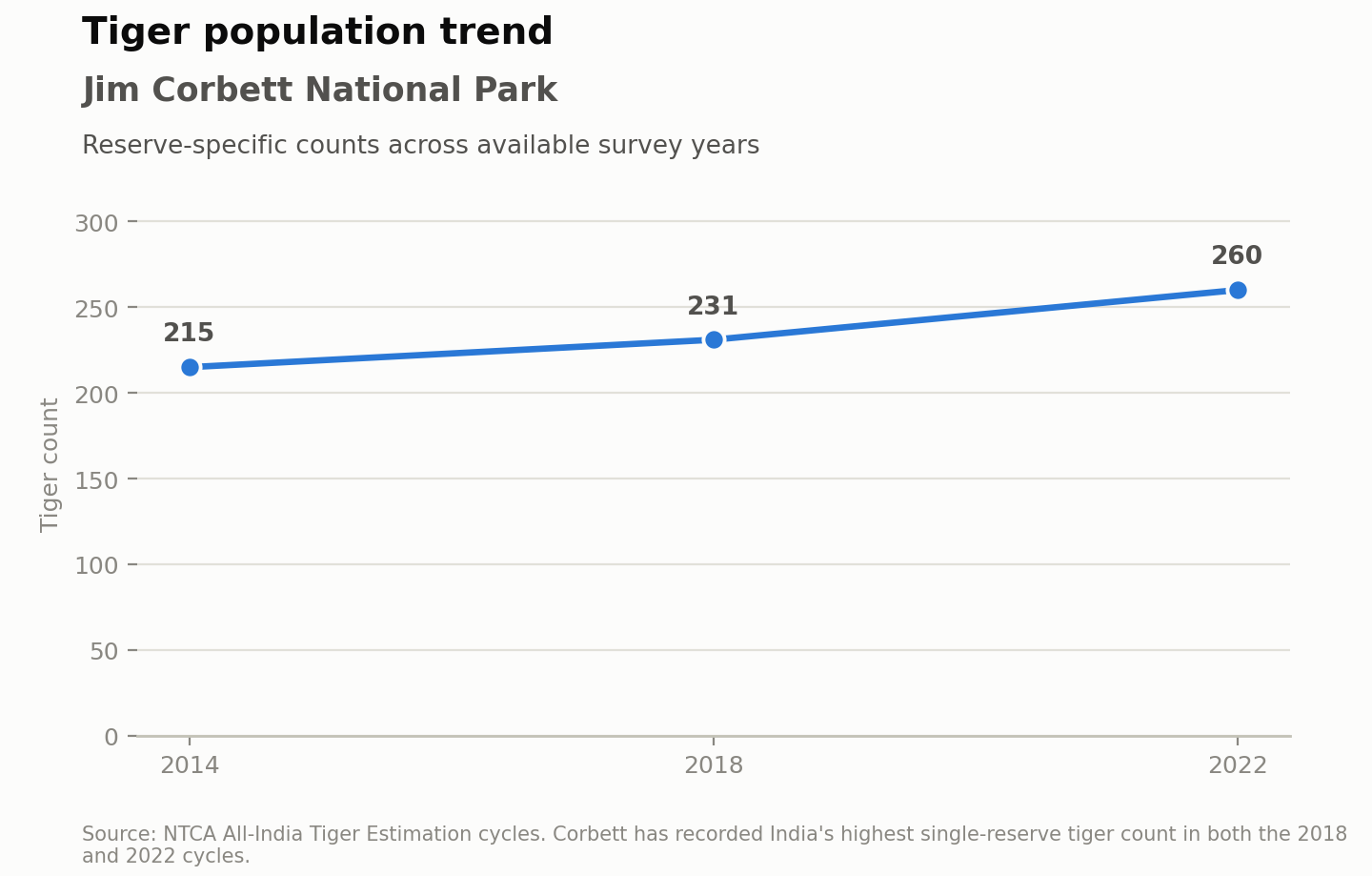
Corbett holds the largest tiger count of any single reserve in India in the 2022 All-India Tiger Estimation, and is known for one of the world's highest tiger densities.
| Survey | Area | Reported figure | Note |
|---|---|---|---|
| 2006 | India | 1,411 | Start of the modern camera-trap series |
| 2022 | India | 3,682 (range 3,167–3,925) | 2022 All-India Tiger Estimation |
| 2022 | Uttarakhand | 560 | State total, includes Rajaji and Nandhaur |
| 2022 | Corbett Tiger Reserve | Between 231 and 260 | Reported figures vary with the counting method |
Other species
- Asian elephant: Herds are a regular feature of Dhikala, Durgadevi and Jhirna. The 2021–25 DNA-based census counted 1,792 elephants across Uttarakhand (published October 2025). Sightings are frequent, especially on Dhikala chaur and along the Ramganga.
- Leopard: Present in the reserve and listed among the wildlife of the Dhela, Garjiya and Sonanadi zones. Sightings are occasional rather than regular, as leopards are secretive and largely active after dark.
- Sloth bear and Asiatic black bear: Sloth bears are resident in the southern part of the reserve, around Jhirna. Asiatic black bears visit the northern part in winter.
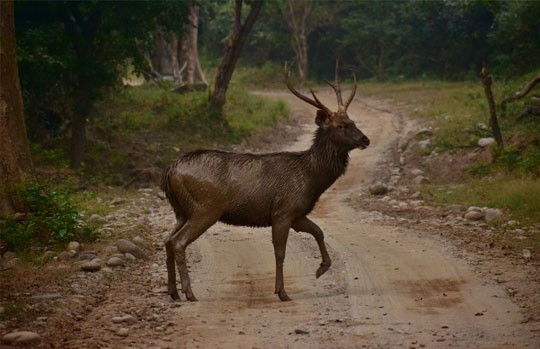
- Prey base: Chital, sambar, hog deer, barking deer, Himalayan goral, nilgai and wild boar. Dhikala chaur is regarded as one of the better places in the reserve to see hog deer. Chital and sambar are among the most frequently seen animals on drives, while hog deer are a rarer highlight.
- Reptiles and fish: Gharial (critically endangered) and mugger crocodile in the Ramganga, with Golden Mahseer in its streams.
- Recent records: Camera traps from the 2018–19 and 2021–22 survey cycles produced the reserve's first photographs of Indian fox, red fox and striped hyaena, suggesting possible range expansion or isolated dispersal.
Safari Zones in Jim Corbett National Park
Corbett Tiger Reserve has eight safari zones. Each has its own entry gate, and a permit is valid only for the zone it names. No zone can promise a sighting; what changes from zone to zone is the landscape and the mix of species you are likely to encounter.
| Zone | Entry gate | Open | Base town |
|---|---|---|---|
| Bijrani | Amdanda | 15 Oct – 30 Jun | Ramnagar |
| Jhirna | Dhela | Year-round | Ramnagar |
| Dhela | Dhela | Year-round | Ramnagar |
| Garjiya | Garjiya (also given as Ringora) | Year-round | Ramnagar |
| Dhikala | Dhangari | 15 Nov – 15 Jun | Ramnagar |
| Durgadevi | Durgadevi | 15 Nov – 15 Jun | Ramnagar |
| Sonanadi | Vatanvasa | 15 Nov – 15 Jun | Kotdwar |
| Pakhro | Pakhro | 15 Nov – 15 Jun | Kotdwar |
Bijrani
Bijrani combines dense sal forest, grassland and small waterways, about 15–20 km from Ramnagar. It is one of the park's main tiger habitats, and sloth bears and elephants are also seen. Its proximity to Ramnagar makes it a common choice for day visits. Bijrani Forest Rest House and the smaller Malani rest house, which is favoured by birdwatchers, are in the zone.
Dhikala
Dhikala is the reserve's largest and most varied zone and its historic heart. The drive from Dhangari gate crosses sal forest, grassland and river channels to the Dhikala forest rest house, built in 1890 at the edge of the Patli Dun valley with the Ramganga and the Kanda ridge behind. Dhikala chaur draws elephant herds and chital, and is the reserve's best-regarded spot for hog deer. Day visitors travel by shared canter (up to 16 people), boarding at the Ramnagar Corbett office or Dhangari gate; guests staying in the rest houses use jeeps.
Jhirna
Jhirna lies on the southern edge and is open all year, subject to road and weather conditions. The forest here is deciduous and secondary, broken by open grassland that helps visibility. It was farmland until villages were relocated in 1994 under Project Tiger, and Laldhang Chaur, a large grassland, is a favourite grazing area for deer, nilgai and elephants. The zone is known for sloth bears and wild elephants. Day visits enter through Dhela gate, with up to 30 jeeps per shift and about three and a half hours of exploration time.
Dhela
Dhela, the newest safari zone, opened in December 2014 and covers 1,173 hectares of forest. Sal, rohini, haldu, bahera and kusum dominate. Tiger, leopard, elephant, sloth bear and king cobra are all found here, and the zone is regarded as strong for birds. It runs jeep safaris only, all year.
Garjiya
Garjiya is a year-round zone of sal forest and open grassland near Ramnagar. It is regarded as one of the most tiger-rich areas of the reserve and rivals Dhikala in popularity, though that speaks to habitat and not to any promise of sightings. Elephants, sambar and leopards also occur.
Durgadevi
Durgadevi is a hill zone on the north-eastern side, crossed by the Ramganga and Mandal rivers. It is known for wild elephants, otters near Domunda Bridge and Golden Mahseer in the river, and for birdwatching. Lohachaur Forest Rest House sits in the Domunda area.
Sonanadi
Sonanadi is a 301.18 km² sanctuary of dense sal and bamboo in the Shivalik Terai belt, with the perennial Palain and Mandal streams. No villages lie inside it. Its name means "river of gold", a reference to historic gold panning. The gate at Vatanvasa serves visitors from the Kotdwar side, and Halduparao is its only rest house.
Pakhro
Pakhro is a newer gate on the Kotdwar side. It is about two hours from Jolly Grant airport in Dehradun, which makes it a practical entry for travellers flying into Dehradun. India Tiger Safari can confirm zone details as you plan your visit.
Booking and rules
Jeeps carry up to six guests and canters up to 16, with an authorised vehicle and registered guide; private vehicles are not allowed. Permits are allocated by zone, so planning early opens the widest choice of drives and stays. India Tiger Safari would be delighted to design your fully private Corbett safari: a bespoke journey through the zones that suit you best, with curated stays, a private jeep and a naturalist guide devoted to your party.
Mammals and Birds
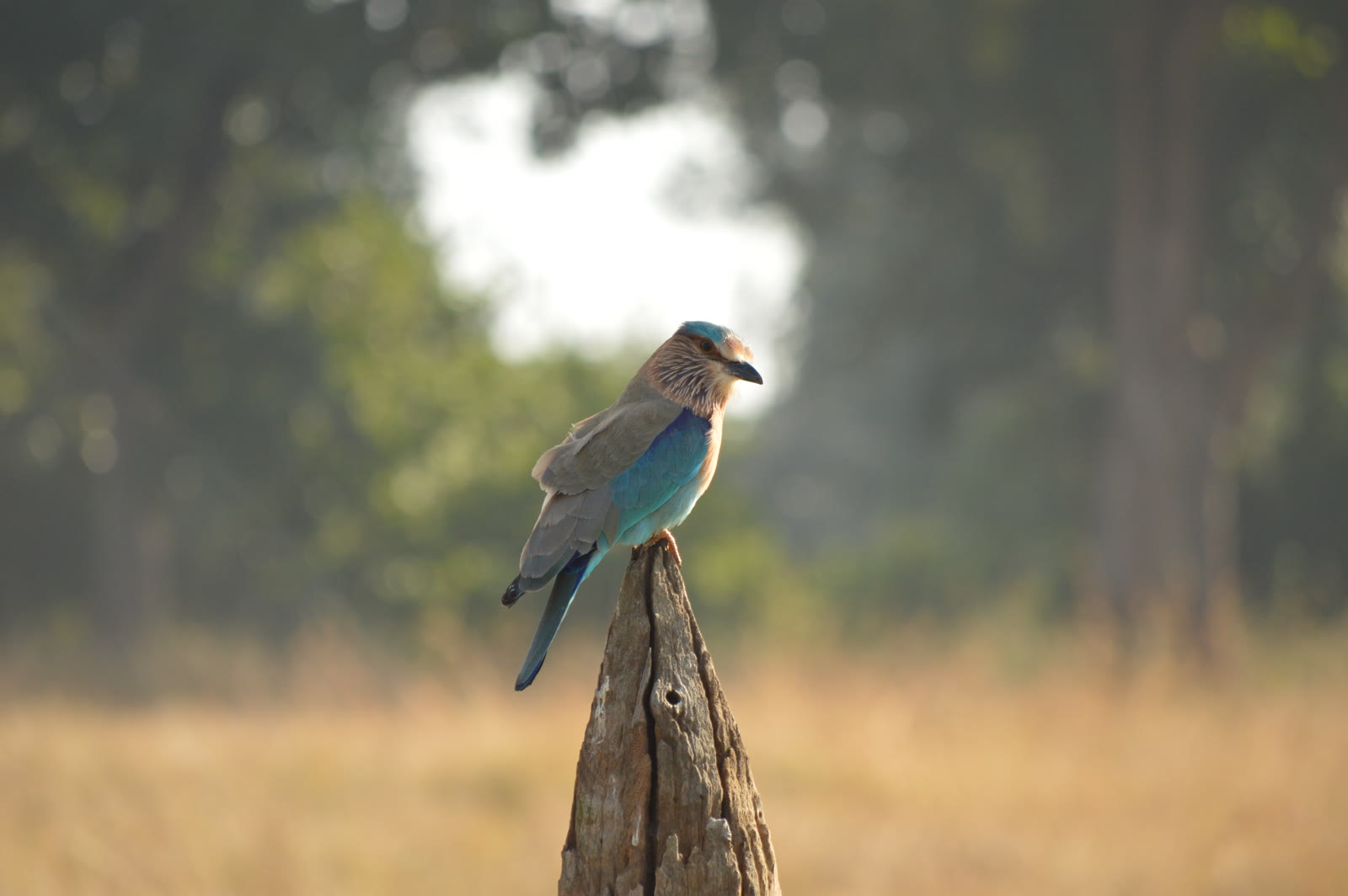
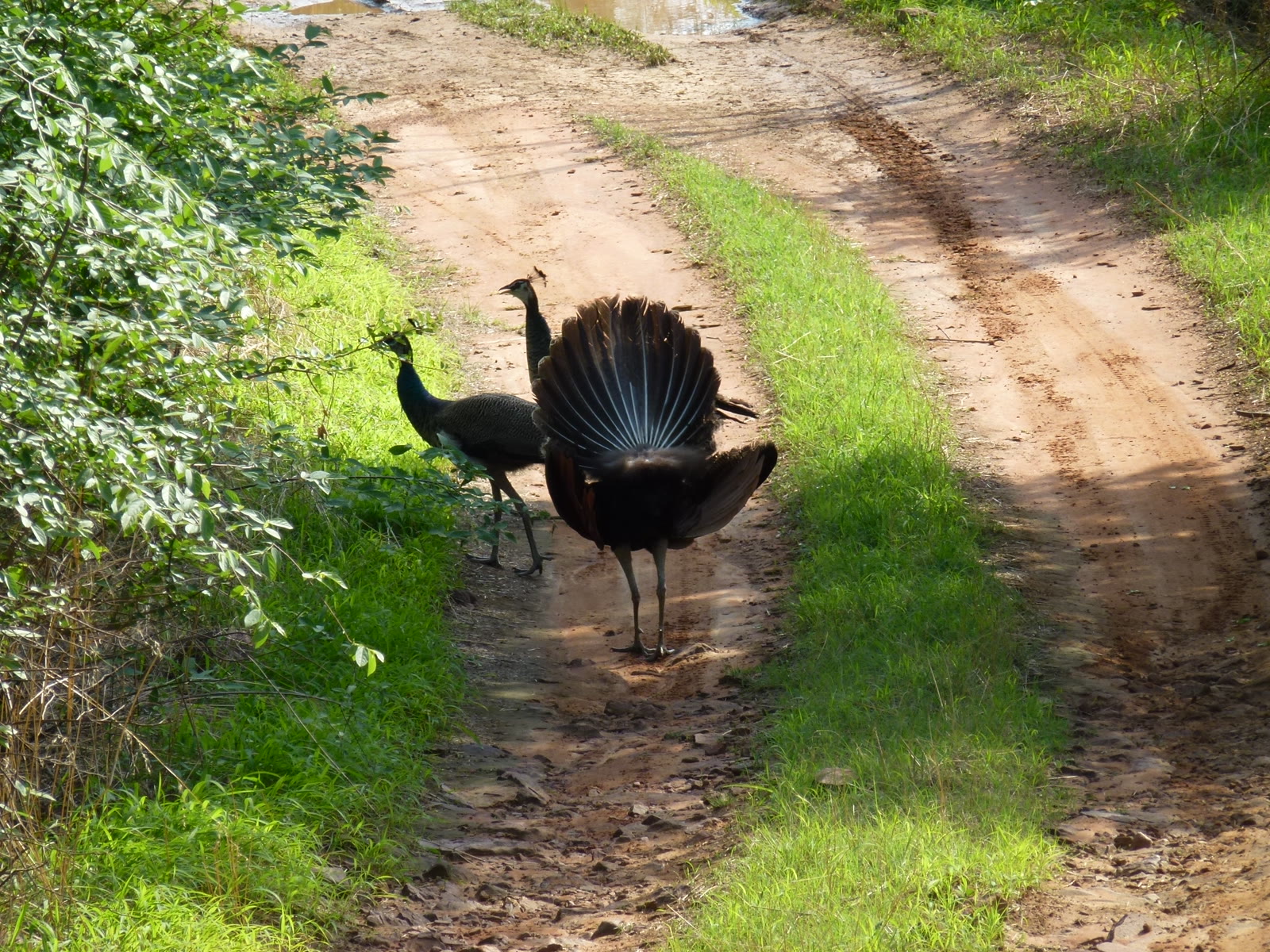
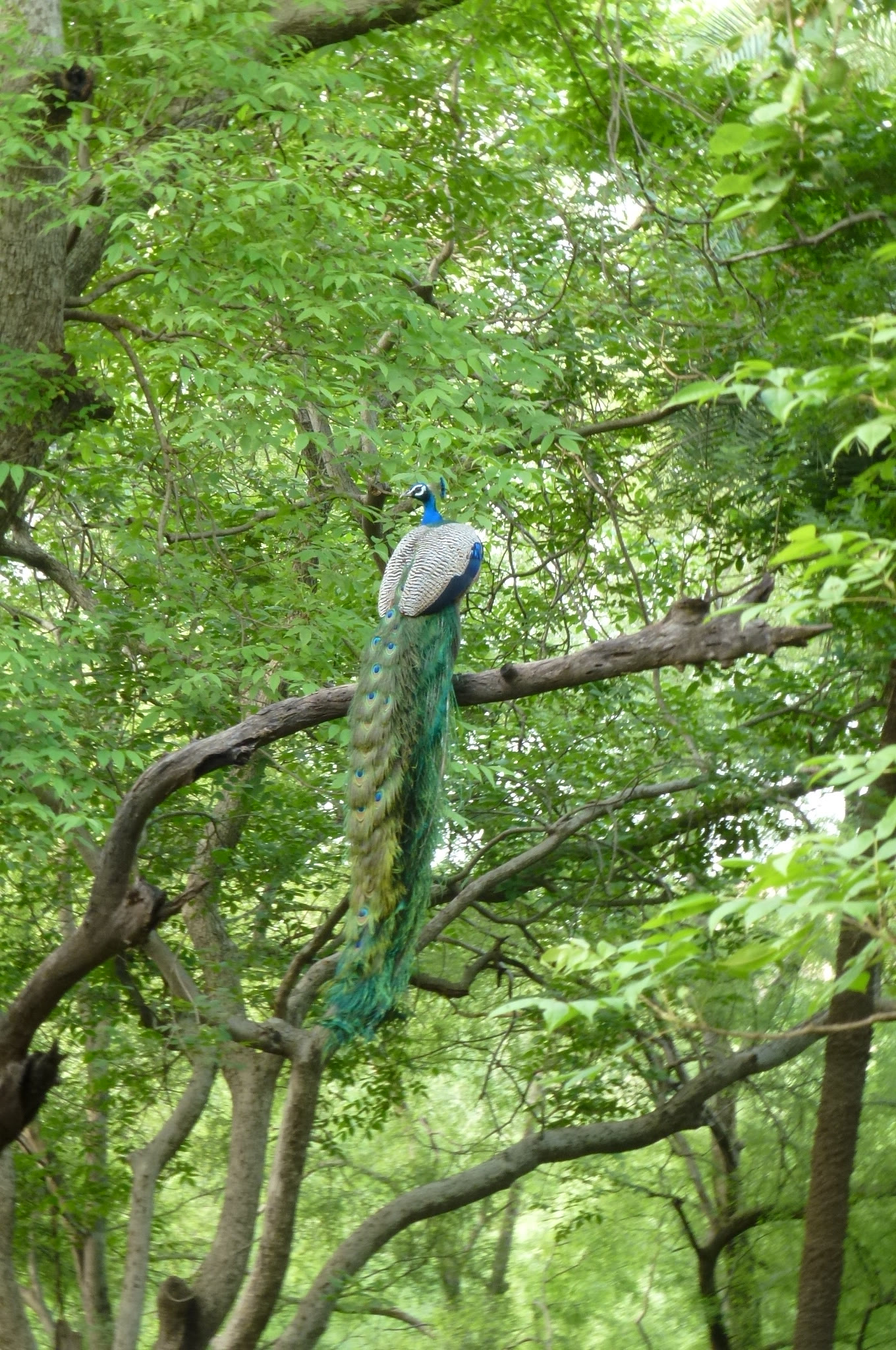
The lists below are representative and not complete. Corbett is home to about 50 mammal species and about 580 bird species.
Mammals
- Tiger
- Leopard
- Fishing Cat
- Jungle Cat
- Leopard Cat
- Asian Elephant
- Sloth Bear
- Asiatic Black Bear
- Sambar
- Chital
- Hog Deer
- Barking Deer
- Himalayan Goral
- Nilgai
- Wild Boar
- Indian Grey Mongoose
- Otter
- Yellow-throated Marten
- Civet
- Rhesus Macaque
- Common Langur
- Jackal
- Indian Pangolin
- Porcupine
- Hare
- Indian Fox
- Red Fox
- Striped Hyaena
Birds
- Great Pied Hornbill
- Great Hornbill
- Common Grey Hornbill
- White-backed Vulture
- Cinereous Vulture
- Hodgson's Bushchat
- Orange-breasted Green Pigeon
- Pallas's Fish Eagle
- Lesser Fish Eagle
- Tawny Fish Owl
- Spot-bellied Eagle-Owl
- Crested Serpent Eagle
- Great Slaty Woodpecker
- Indian Pitta
- Scarlet Minivet
- Golden Oriole
- Red Junglefowl
- Blossom-headed Parakeet
- Ibisbill
- Brown Dipper
- Asian Paradise Flycatcher
- Crested Kingfisher
- Kalij Pheasant
- Indian Peafowl
- Emerald Dove
- Red-wattled Lapwing
- Indian Roller
Accessibility
Most visitors base themselves in Ramnagar, on the Kosi river, where the reserve's administrative office and the Bijrani, Dhela, Garjiya, Dhikala and Durgadevi gates are within reach. Distances and times below are approximate and depend on the gate, traffic and season.
Train
| Station | Distance and road time to gates | Why use it |
|---|---|---|
| Ramnagar (RMR) | About 12–20 km depending on the gate; roughly 30–45 minutes | The nearest station, with direct services from Delhi (including the Ranikhet Express) and the Corbett Park Link Express from Jaisalmer |
| Kathgodam (KGM) | Sources give roughly 60–90 km; allow about two to two and a half hours | Better connected to Kumaon and useful when Ramnagar seats are full; onward by taxi |
Air
| Airport | Distance and road time to Ramnagar | Onward transport |
|---|---|---|
| Pantnagar (PGH), Udham Singh Nagar | About 77–82 km to Ramnagar, and about 90 km to the Bijrani and Dhela gates; roughly two hours | Pre-booked taxi. Scheduled services, including Delhi–Pantnagar flights, are limited and seasonal |
| Delhi (DEL) | About 255 km to Ramnagar; five and a half to seven hours by road | Private transfer or train; the usual international arrival point |
| Dehradun, Jolly Grant (DED) | About two hours to Pakhro gate, per the reserve | Taxi; the practical route for the Pakhro and Sonanadi side |
Pantnagar is the closest airport, while Delhi offers the widest choice of flights, so most international travellers arrive in Delhi and continue by road or rail.
Road
Delhi (about 240–255 km, 5.5–7 hours). The usual route follows NH 9 through Hapur, Garhmukteshwar and Gajraula, then the Moradabad bypass, Thakurdwara and Kashipur. Use the bypass rather than the city, and leave early if you want to reach your lodge before an afternoon drive. Buses run from Anand Vihar ISBT and take six to eight hours.
Nainital (about 65 km, roughly two hours). A natural pairing for a Kumaon hill stay before or after your safari. The approach includes hill roads, so allow a little extra time in monsoon and fog.
Dehradun (route depends on the gate). For Pakhro and Sonanadi, the drive from Jolly Grant airport is about two hours. India Tiger Safari plans the route for the zone you choose.
Private vehicles cannot enter the tiger reserve. You will transfer to an authorised safari jeep or canter at the gate.
Accommodation
Where you stay in Corbett shapes the trip more than in most parks. You can sleep inside the reserve in government forest rest houses, or choose lodges and resorts around Ramnagar and along the Kosi river. This guide describes the character of each option rather than ranking properties. India Tiger Safari's bespoke private itineraries pair each zone with a curated lodge.
Forest rest houses inside the reserve
These are run by the reserve, and India Tiger Safari arranges stays there as part of a private itinerary. They are simple, historic and unmatched for atmosphere.
- Dhikala: The best-known complex, built in 1890 on the edge of the Patli Dun valley. It offers cabins, hutments, annexes and log huts, a restaurant and canteen, a library and evening wildlife film shows. It was the venue for the 1973 Project Tiger launch.
- Gairal: A riverside complex on the Ramganga, set for birdwatching and a nearby gharial pool.
- Bijrani and Malani: Bijrani has six rooms and a dormitory with its own canteen; Malani has two double rooms and suits birdwatchers.
- Jhirna, Lohachaur and Halduparao: Smaller rest houses serving the Jhirna, Durgadevi and Sonanadi sides.
Rooms are simple and canteen menus compact, part of the authentic forest experience. Booking windows are roughly 45 days for Indian nationals and 90 days for foreign nationals, so it is well worth beginning your planning with India Tiger Safari early. Night-stay bookings include two jeep safaris.
Luxury and boutique lodges
Outside the reserve, riverside lodges around Ramnagar and Marchula offer private cottages, pools, spa treatments and evening programmes. Ask whether a lodge arranges naturalist-led birding walks or village visits, and what its guiding costs. This is the natural choice for couples and travellers who want comfort between drives.
Resorts and mid-range hotels
Ramnagar and its surroundings have a wide range of resorts with gardens and swimming pools. These suit families and groups and work well for Bijrani, Dhela and Jhirna, which are roughly 15–20 km from town.
Budget stays
Guesthouses, homestays and government tourist rest houses in Ramnagar offer simpler, cheaper rooms. Camps and eco-lodges also exist on the periphery; ask any property about its sustainability practices, including waste, water and local hiring.
Choosing well
- Gate proximity: Sleep on the side of the reserve where your zone gate lies; Sonanadi and Pakhro are reached from Kotdwar, not Ramnagar.
- Dining: Food is not allowed during safaris, so arrange packed breakfast or lunch with your lodge.
- Guiding: Registered naturalist guides accompany all vehicles; ask whether your lodge can recommend one.
- Families: Core-zone rest houses are simple and full of atmosphere; buffer-side resorts add pools and gardens that suit young children.
People Also Visit
Corbett suits itineraries that start in Delhi and head either east along the Himalayan foothills or south-west into Rajasthan. Only combinations that work on the map are listed, and India Tiger Safari designs them as curated private multi-park journeys.
Dudhwa National Park
Dudhwa lies in the same Terai belt, in Uttar Pradesh, so it makes a logical eastward extension. The contrast is striking: Dudhwa's tall grasslands and swamp forests are associated with swamp deer and a reintroduced rhinoceros population, against Corbett's sal forest and river valley. Plan the transfer through Bareilly and confirm road times locally, as we have not verified them.
Ranthambore National Park
Ranthambore is the classic second stop, usually reached via Delhi rather than directly. Its dry deciduous forest, lakes and hill fort are a complete change from Corbett's damp sal and riverine woodland. Allow a full travel day between the two.
Sariska National Park
Sariska suits travellers already heading to Rajasthan, as a shorter add-on on the Delhi–Jaipur side. Its Aravalli hills and dry forest contrast with Corbett's foothills, and it works best as a brief stop before or after Ranthambore. It pairs naturally with Ranthambore on a Rajasthan leg.
Jim Corbett National Park FAQs
What is the best time to visit Jim Corbett National Park?
Mid-November to mid-June, when the main zones are open. November to February is cool and good for birds, while April to June is hot, with animals drawn to water and early drives more comfortable. From roughly mid-June to mid-October the core zones close for the monsoon, though Jhirna, Dhela and Garjiya stay open. Opening dates are confirmed each season, and India Tiger Safari will gladly shape the timing of your journey.
How many days do you need in Corbett?
Two to three nights is a sensible minimum, giving three to five drives across at least two zones. Wildlife viewing is unpredictable, so extra drives improve your odds of a rewarding trip without guaranteeing anything. A single night works only as an add-on to a Delhi or Nainital itinerary. If you want a forest rest house stay, book well ahead and allow extra time. India Tiger Safari's bespoke itineraries match nights and zones to your dates.
Can you see tigers in Jim Corbett National Park?
Tigers are seen here, and the reserve holds one of India's largest tiger populations, estimated at 231 to 260 in 2022. Tigers move through dense forest and tall grass, which makes every sighting special, and no zone or season can guarantee one. Elephants, deer, gharial and birds add to every drive, so go with an open mind.
Which safari zone is best in Corbett?
There is no single best zone; it depends on what you want. Dhikala offers the finest landscape and forest rest house stays, Bijrani is convenient and tiger habitat, Jhirna is open all year and known for sloth bears, Dhela is a year-round jeep zone, and Durgadevi is good for elephants, otters and birds. Availability often decides the choice, so stay flexible and try more than one zone.
How do Corbett safari bookings work?
Safaris are booked by zone, date and a morning or afternoon shift. Each permit covers one jeep and up to six people at one price, with guide and driver fees paid separately. Reservations open progressively up to 45 days ahead, tickets are non-refundable and non-transferable, and every guest needs valid ID. India Tiger Safari handles permits, vehicles and guides for its private guests, so you can focus on the journey.
Which airport is closest to Jim Corbett?
Pantnagar is the closest, about 77 to 90 km from Ramnagar and the gates, roughly two hours by road. Scheduled flights there are limited and can be seasonal, so many visitors fly into Delhi (about 255 km away) instead. For the Pakhro and Sonanadi side, Jolly Grant airport in Dehradun is about two hours from Pakhro gate.
Which railway station is closest to Corbett?
Ramnagar station is the nearest, roughly 12 to 20 km from the main gates depending on the zone. It has direct trains from Delhi, including the Ranikhet Express, and the Corbett Park Link Express runs from Jaisalmer. Kathgodam is another option about 60 to 90 km away and is better connected to the Kumaon hills.
Is Jim Corbett National Park suitable for families?
Yes, with realistic expectations. Drives last about three to four hours in open vehicles, and quiet behaviour matters. Core-zone rest houses are simple, so many families choose resorts around Ramnagar with pools and gardens. Children under 12 do not need a permit for stays, but confirm current rules and age policies for safaris with India Tiger Safari.
What should you wear on a Corbett safari?
Choose muted greens, browns and khaki, with layers, since winter mornings in an open jeep can be cold. In summer, bring a hat, sunscreen and light long sleeves. Wear closed shoes, avoid strong perfume, and carry binoculars. A Supreme Court order bars mobile phone use inside core safari zones, so bring a camera if you want photographs.
What is the difference between core and buffer zones?
A tiger reserve has a core area kept free of human use and a buffer where regulated tourism and other sustainable activities are allowed. At Corbett, the core is about 822 km² of the 1,288.31 km² reserve. Some safari zones sit in core habitat and others in buffer forest, and rules and opening periods differ, so each itinerary is matched to its zones.