Ranthambore National Park: Safari Guide
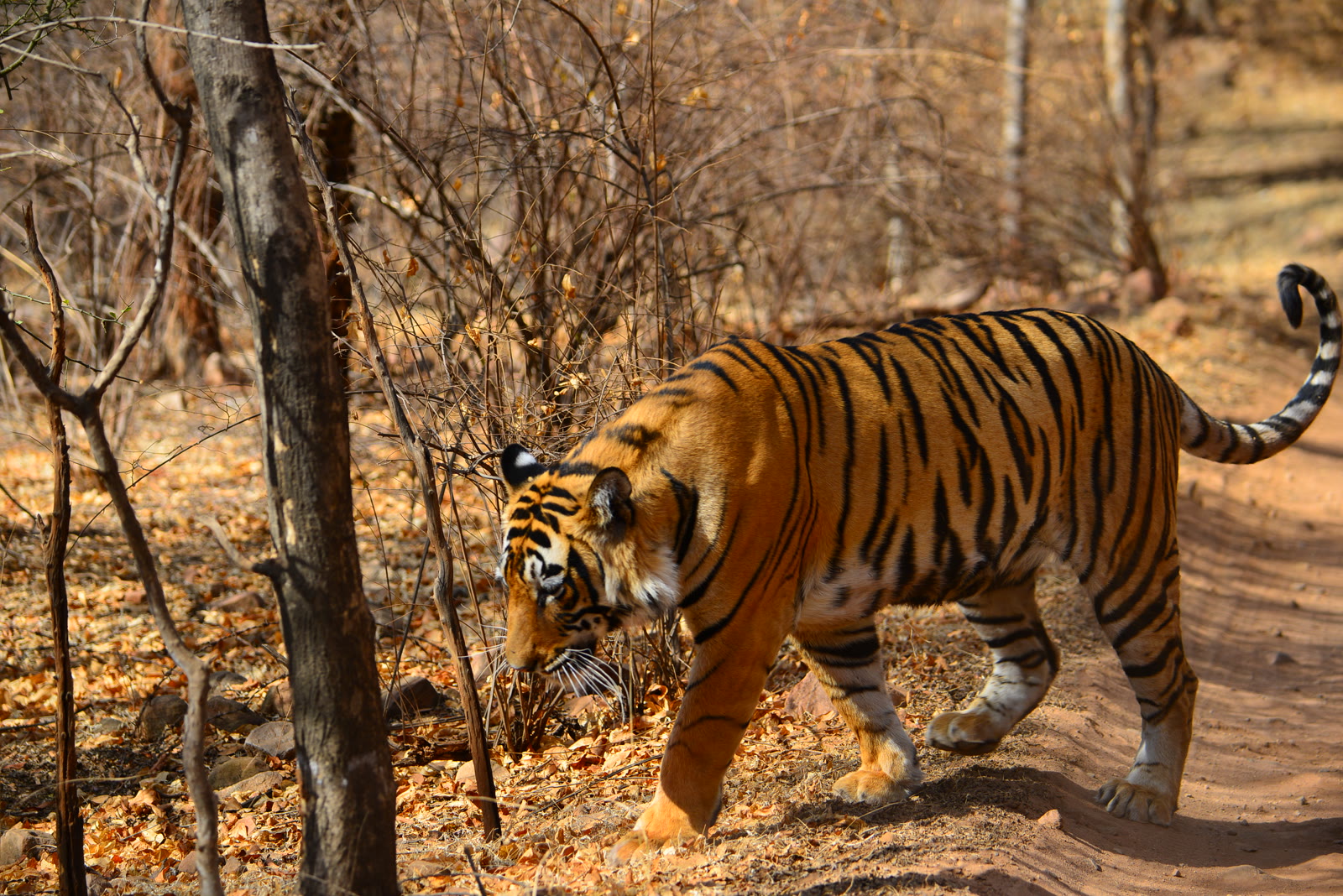
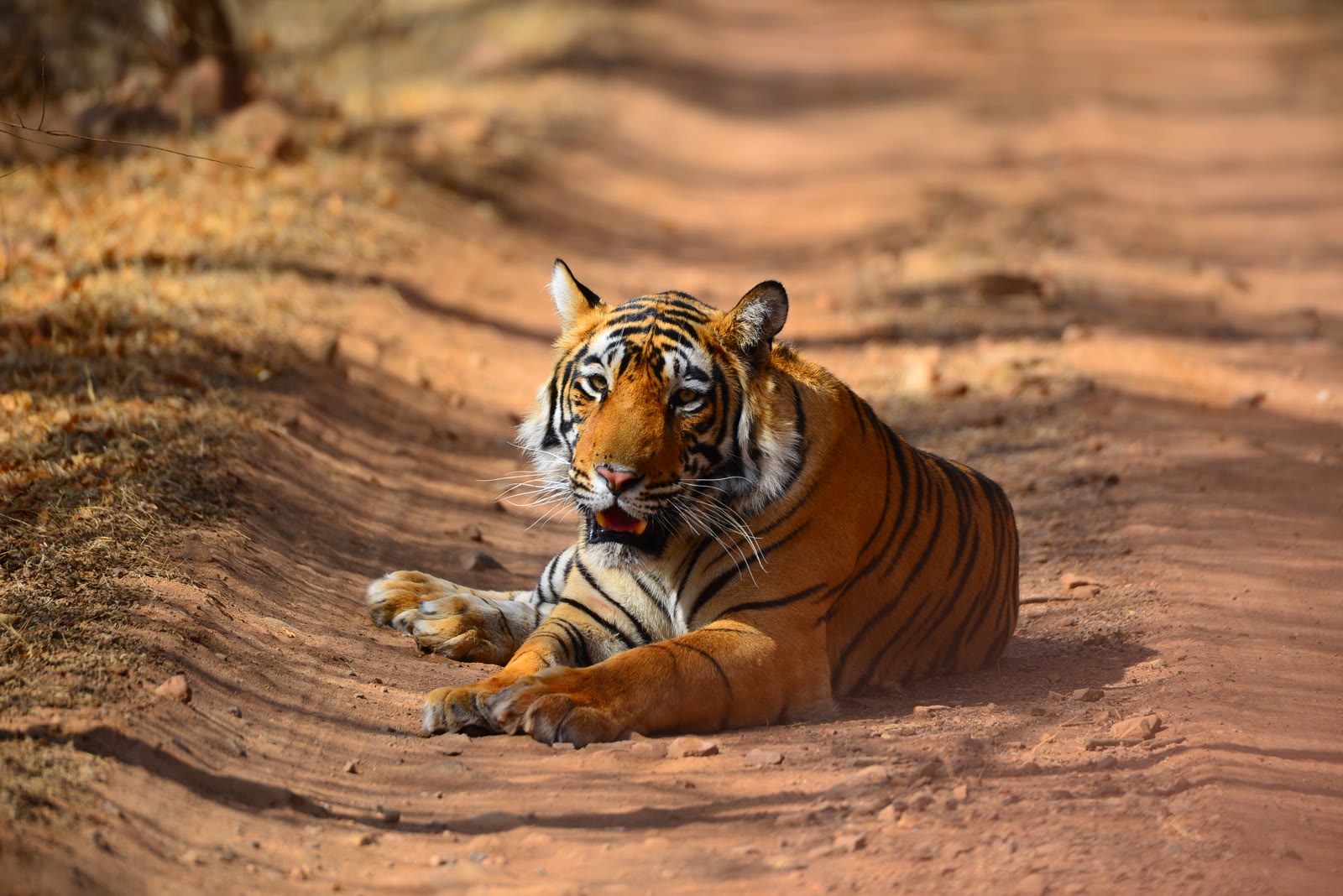
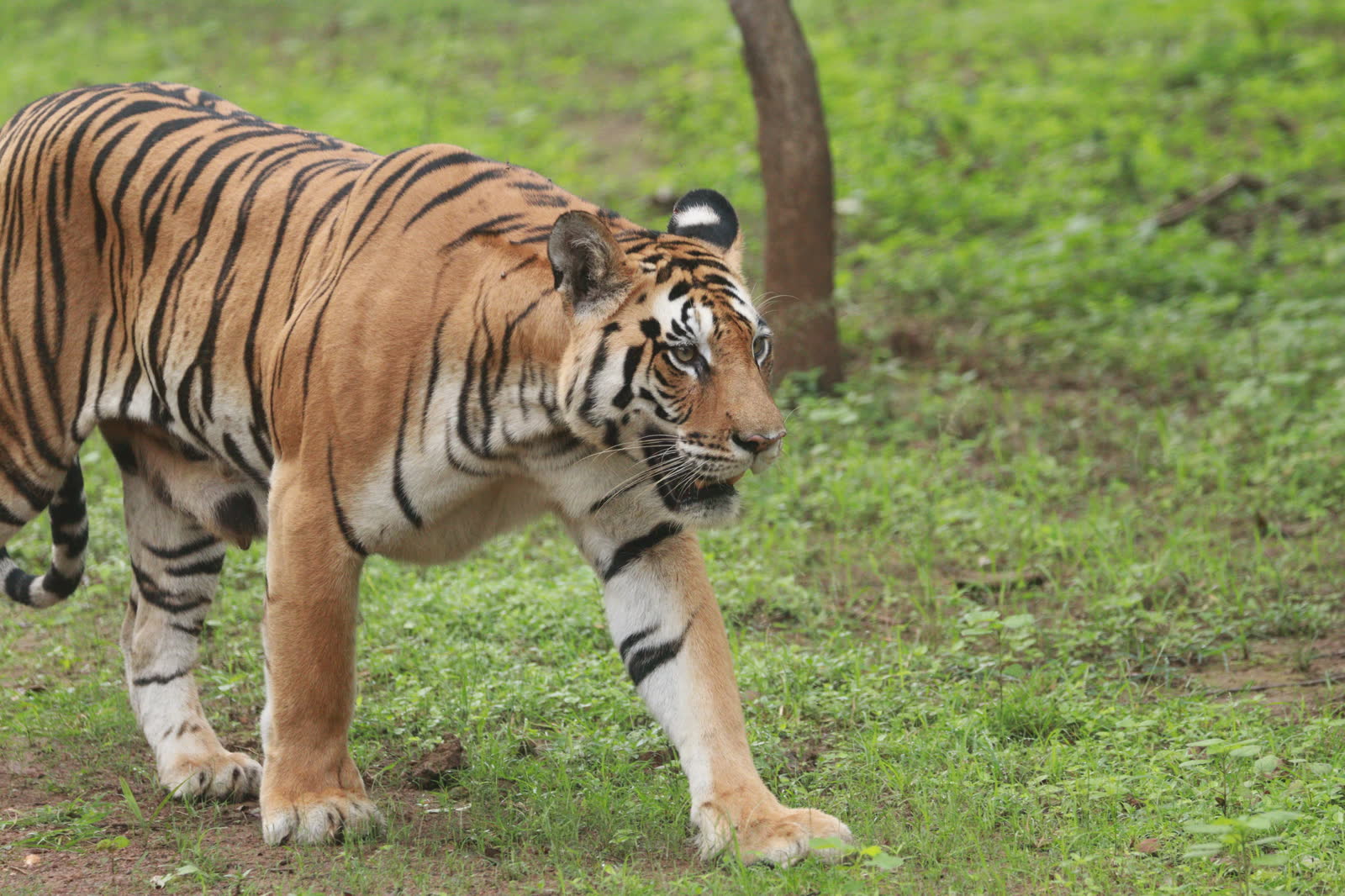
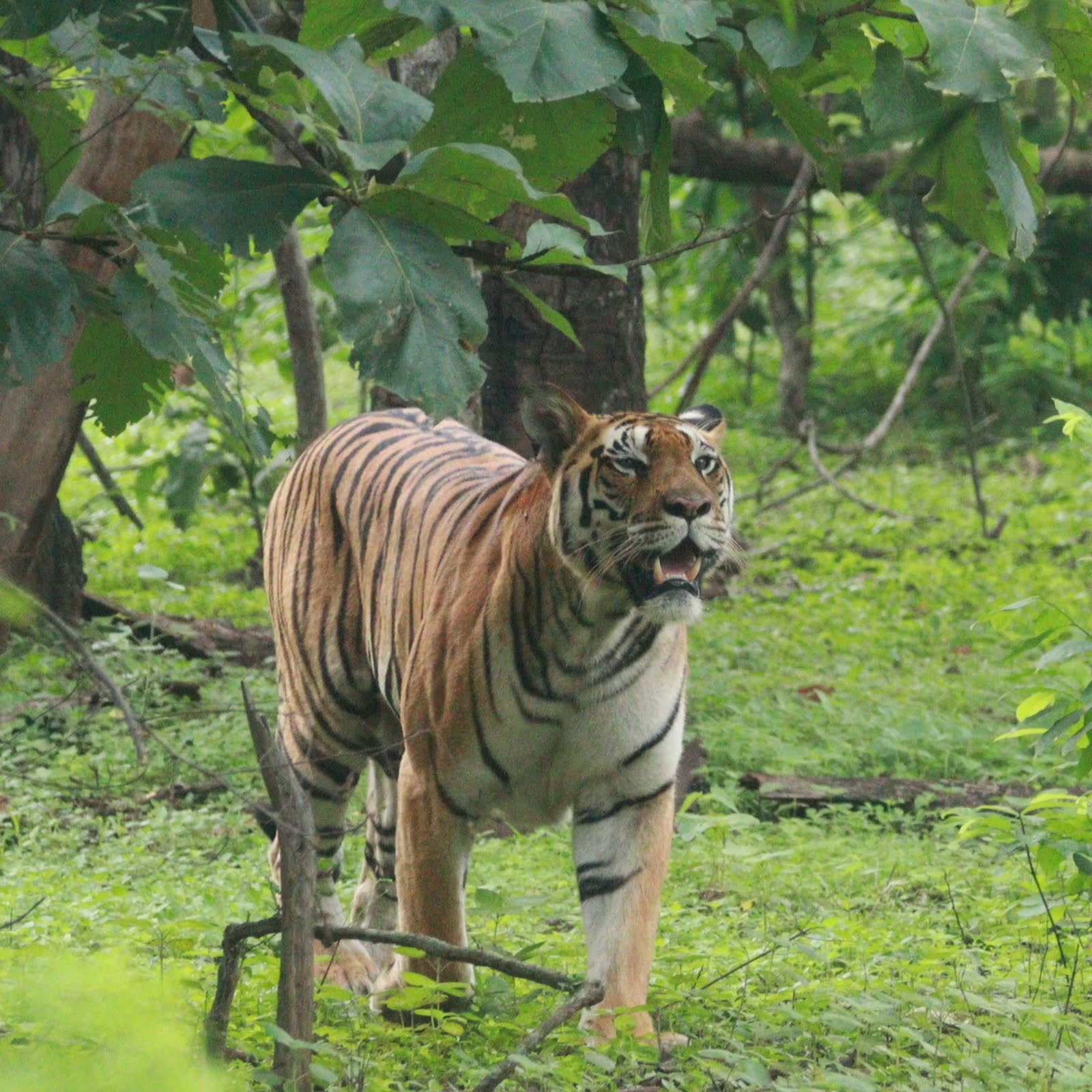
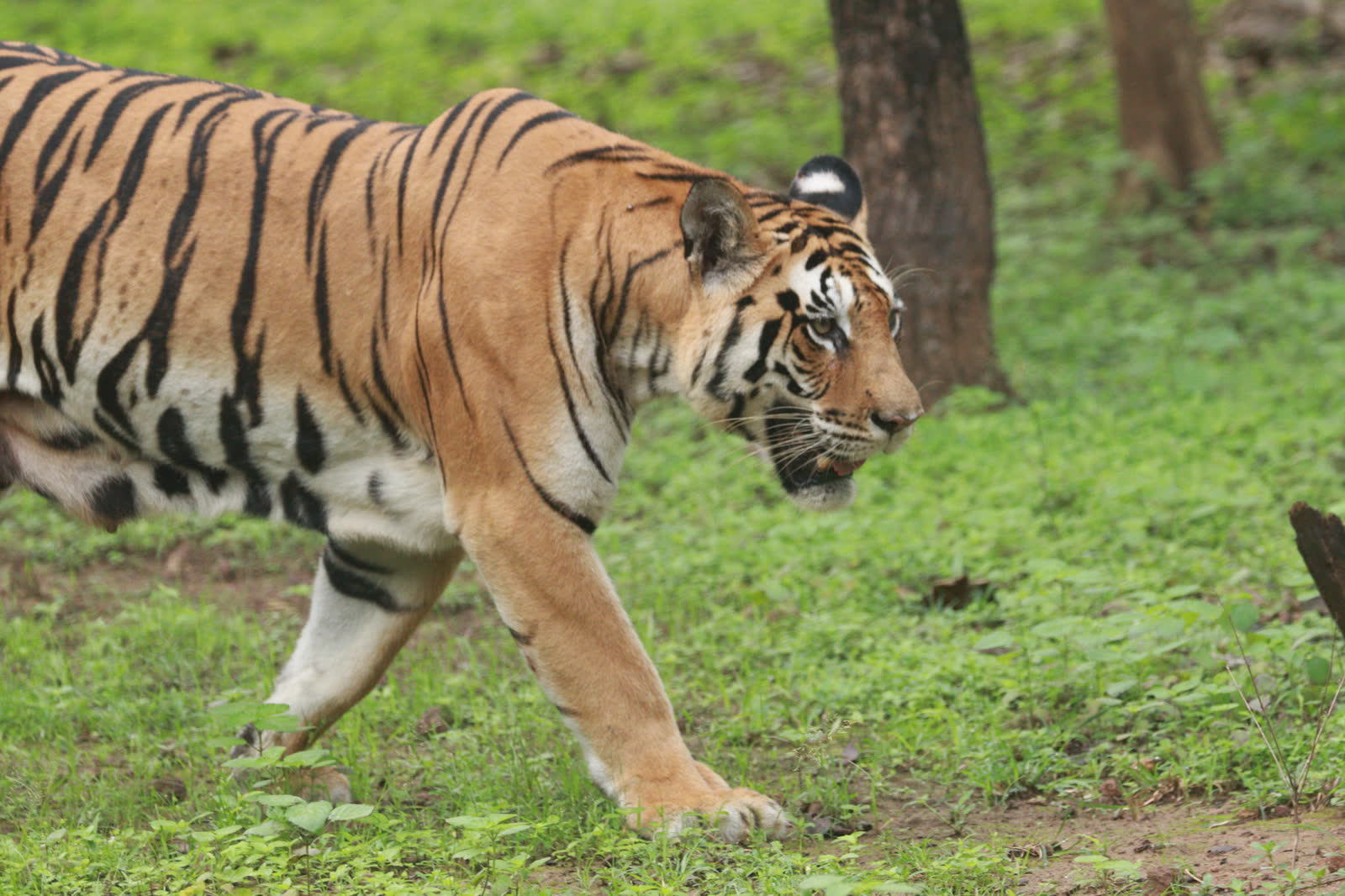
Tigers among fort ruins and lakes, Ranthambore Fort, photogenic open landscapes
About Ranthambore National Park
Ranthambore National Park lies in Sawai Madhopur district in eastern Rajasthan, where the Aravalli and Vindhya ranges meet. The Banas river bounds it to the north and the Chambal to the south. It takes its name from Ranthambore Fort, a 10th-century hill fortress that rises within the park and is part of the UNESCO-listed Hill Forts of Rajasthan.
The area began as the Sawai Madhopur Game Sanctuary in 1955, covering 282 km². It became a Project Tiger reserve in the early 1970s and a national park in 1980. The wider tiger reserve now covers 1,334 km², taking in the Sawai Man Singh and Kailadevi wildlife sanctuaries alongside the national park, whose core is roughly 275 km². The distinction matters for visitors: the safari zones sit across both the core and the surrounding buffer, and each has its own character.
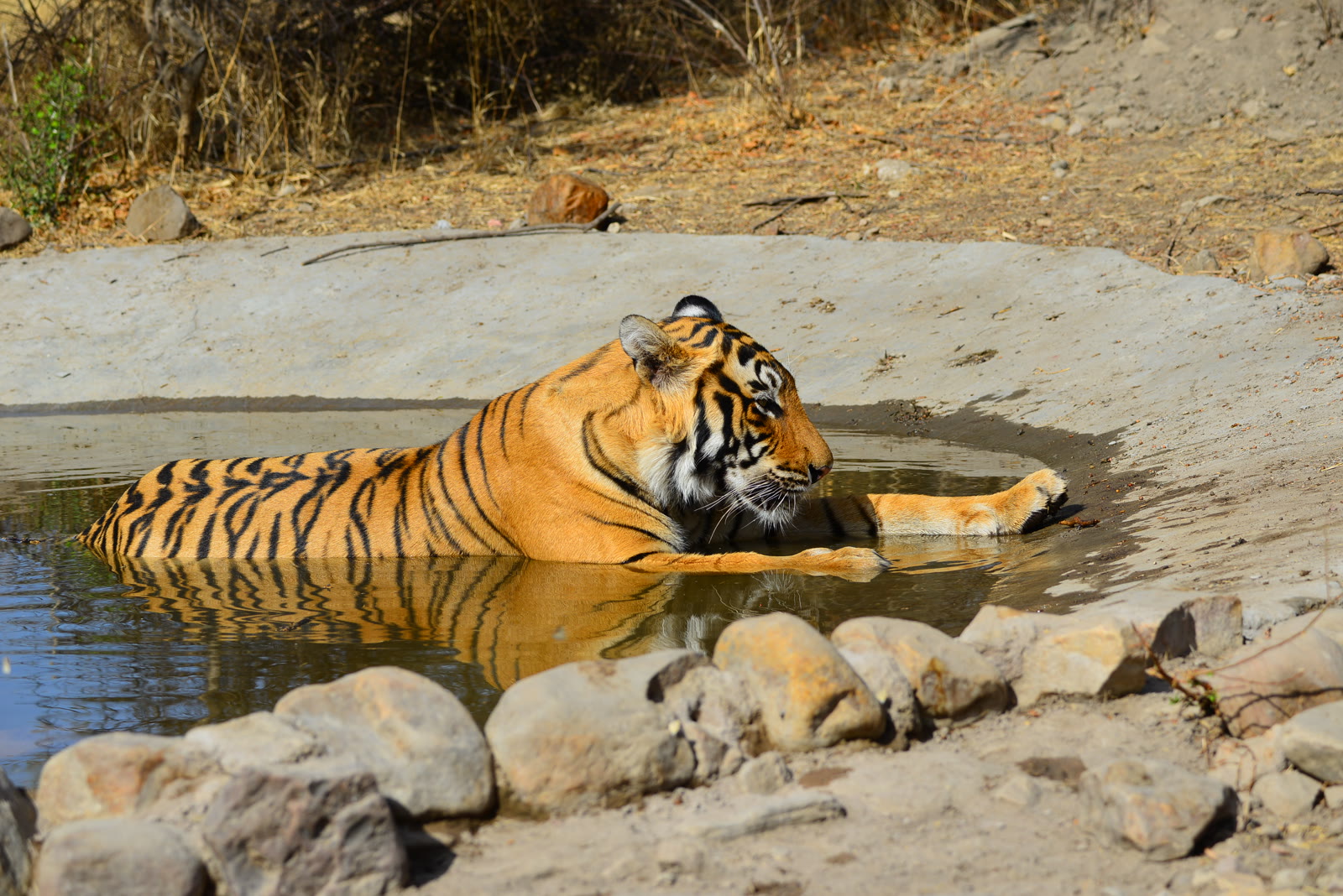
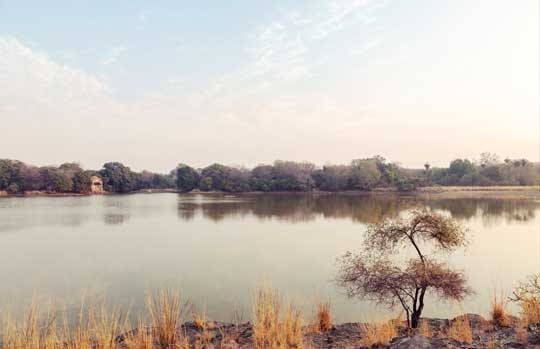
This is a dry landscape of deciduous forest, open bushland, grassy meadows and rocky ridges, rising from about 215 to 505 m. Over 300 tree species grow here, and dhok is a signature of the dry hills. What makes Ranthambore distinctive is what breaks up the scrub. Lakes such as Padam Talao, the largest, Raj Bagh and Malik Talao draw wildlife to their margins, and the red sandstone Jogi Mahal and the ruins of Raj Bagh stand at the water's edge. Tigers here are often seen against fort walls, old step-wells and lake pavilions, and many are known individually to guides.
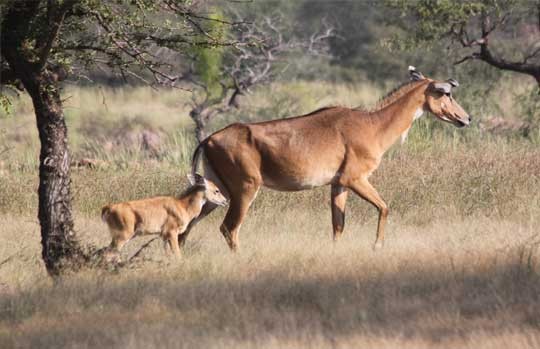
Beyond tigers, the park is home to leopard, sloth bear, caracal, striped hyaena, sambar, chital, nilgai and chinkara, with marsh crocodiles in the lakes. More than 270 bird species include painted storks, crested serpent eagle, painted francolin and Indian paradise flycatcher.
The open terrain and shallow lakes give Ranthambore some of the most photogenic safari drives in India, with long views and unusually good light.
What to expect: two drives a day, morning and afternoon, in an open jeep for up to six guests or in a shared canter, each allotted to a numbered zone. Distances are short, scenery changes quickly between lake, ridge and valley, and sightings, while never promised, are a highlight when they come.
Facts About Ranthambore National Park
| Information | Details |
|---|---|
| Location | Sawai Madhopur district, eastern Rajasthan |
| State | Rajasthan |
| Established | Game sanctuary 1955; Project Tiger reserve in the early 1970s; national park 1980 |
| Area | Tiger reserve 1,334 km²; core about 275 km² |
| Protected Area Type | National park within a tiger reserve, together with Sawai Man Singh and Kailadevi wildlife sanctuaries |
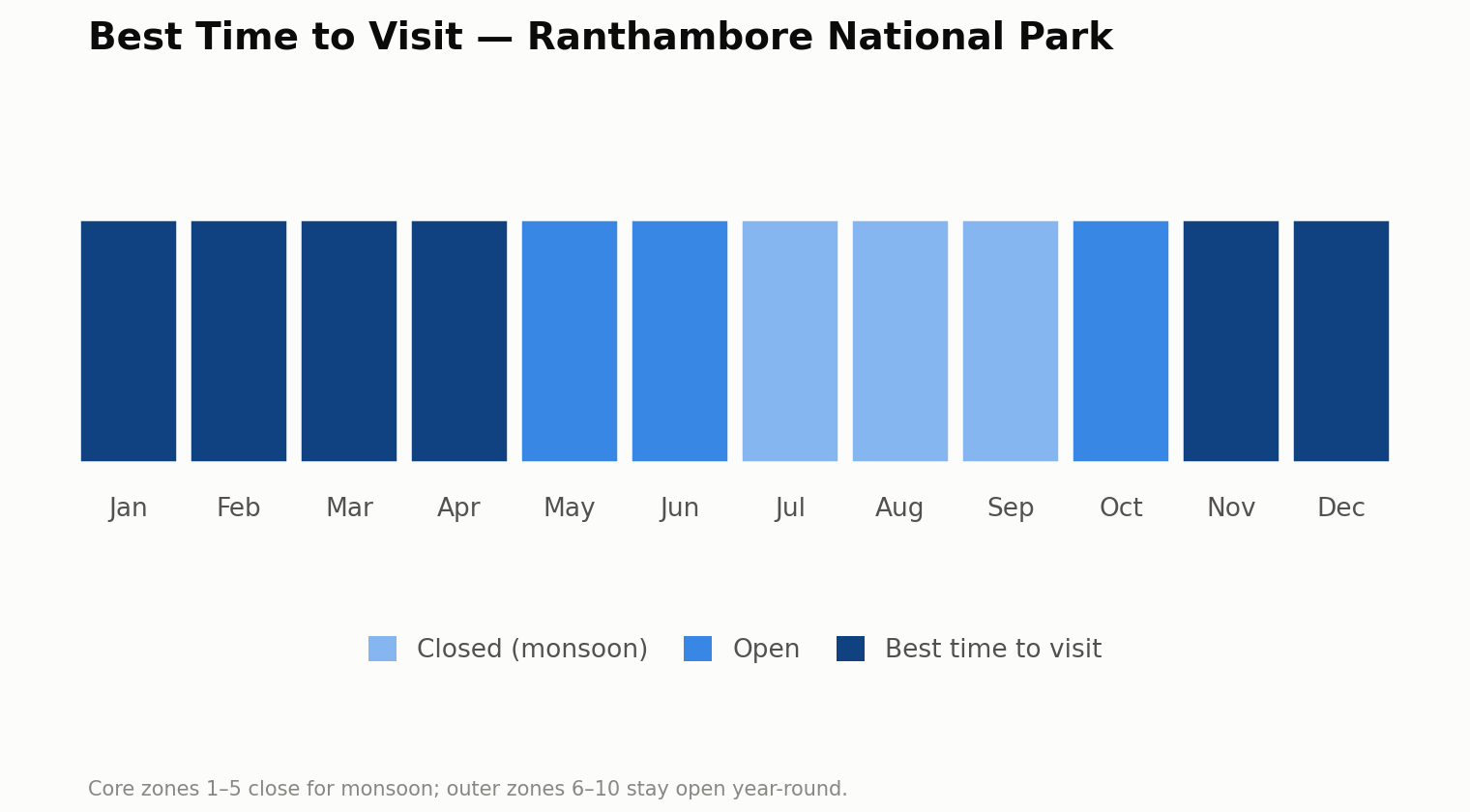
| Functional Days | Two daily shifts. All ten zones open from 1 October to 30 June |
| Annual Closure | Zones 1 to 5 close for the monsoon, from 1 July to 30 September; zones 6 to 10 generally continue through the monsoon |
| Weekly Offs | Each zone has a weekly rest day, typically Wednesday for zones 1 to 5 and Tuesday for zones 6 to 10 |
| Best Time to Visit | October to April for comfortable weather; April to June for tigers at waterholes |
| Recommended Safari Duration | Two to three nights with three to five drives across different zones |
| Vegetation | Dry deciduous forest with dhok, open bushland, grassy meadows, lakes |
| Elevation | About 215–505 m |
| Major Wildlife | Tiger, leopard, sloth bear, caracal, striped hyaena, sambar, chital, nilgai, marsh crocodile |
| Famous For | Tigers among fort ruins and lakes, Ranthambore Fort, photogenic open landscapes |
Functional days. Drives run in a morning and an afternoon shift that follow sunrise and sunset. In midwinter this is roughly 7:00 to 10:30 am and 2:00 to 5:30 pm, and it starts earlier in the warmer months.
Yearly off. The park's most sought-after core zones rest through the monsoon breeding season, reopening on 1 October when the lakes are full and the forest is green.
Weekly offs and rules. The rest day differs between the core zones (1 to 5) and the outer zones (6 to 10), so a permit is always tied to a zone, date and shift. Only authorised jeeps and canters enter the park.
Tiger Density and Other Major Species
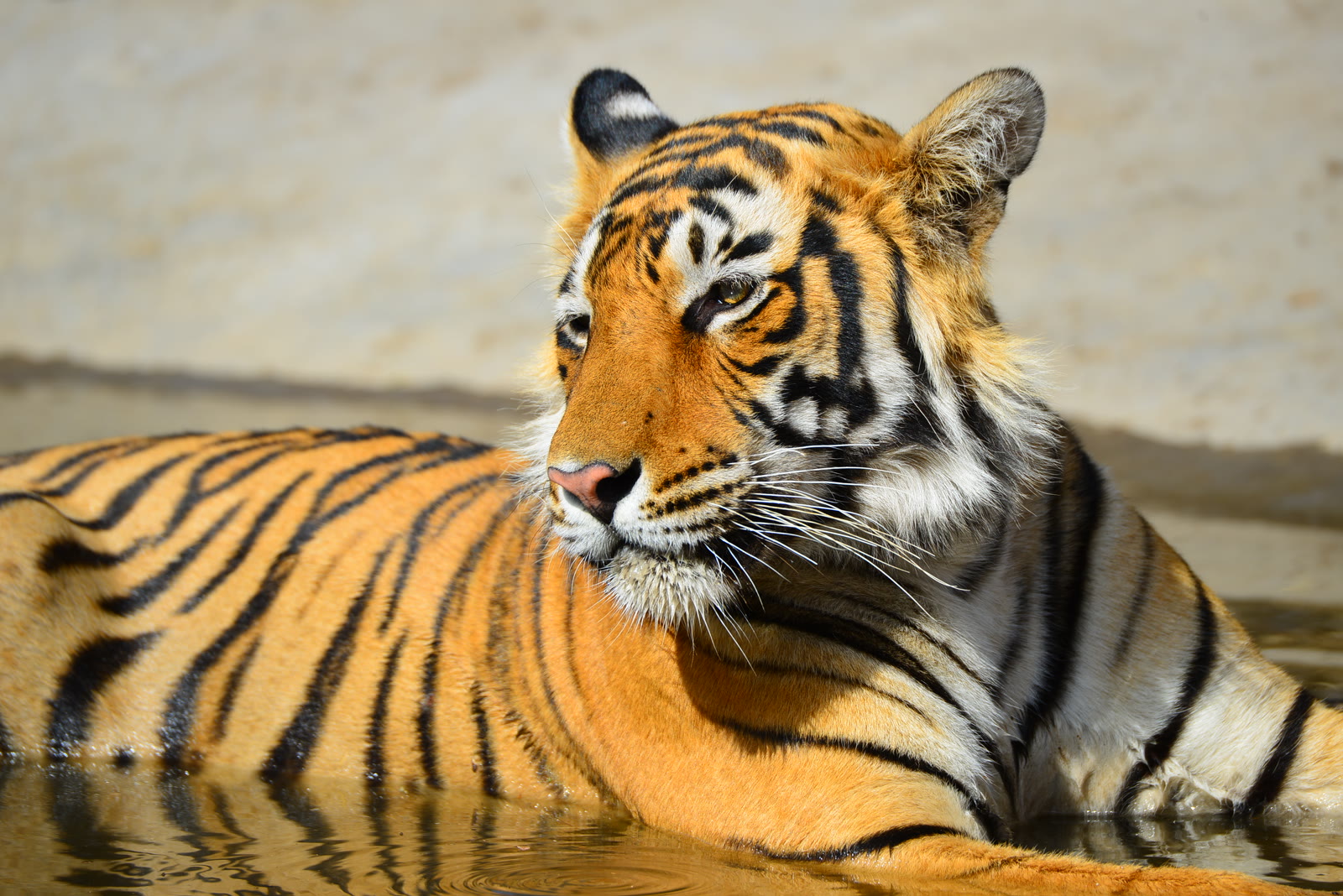
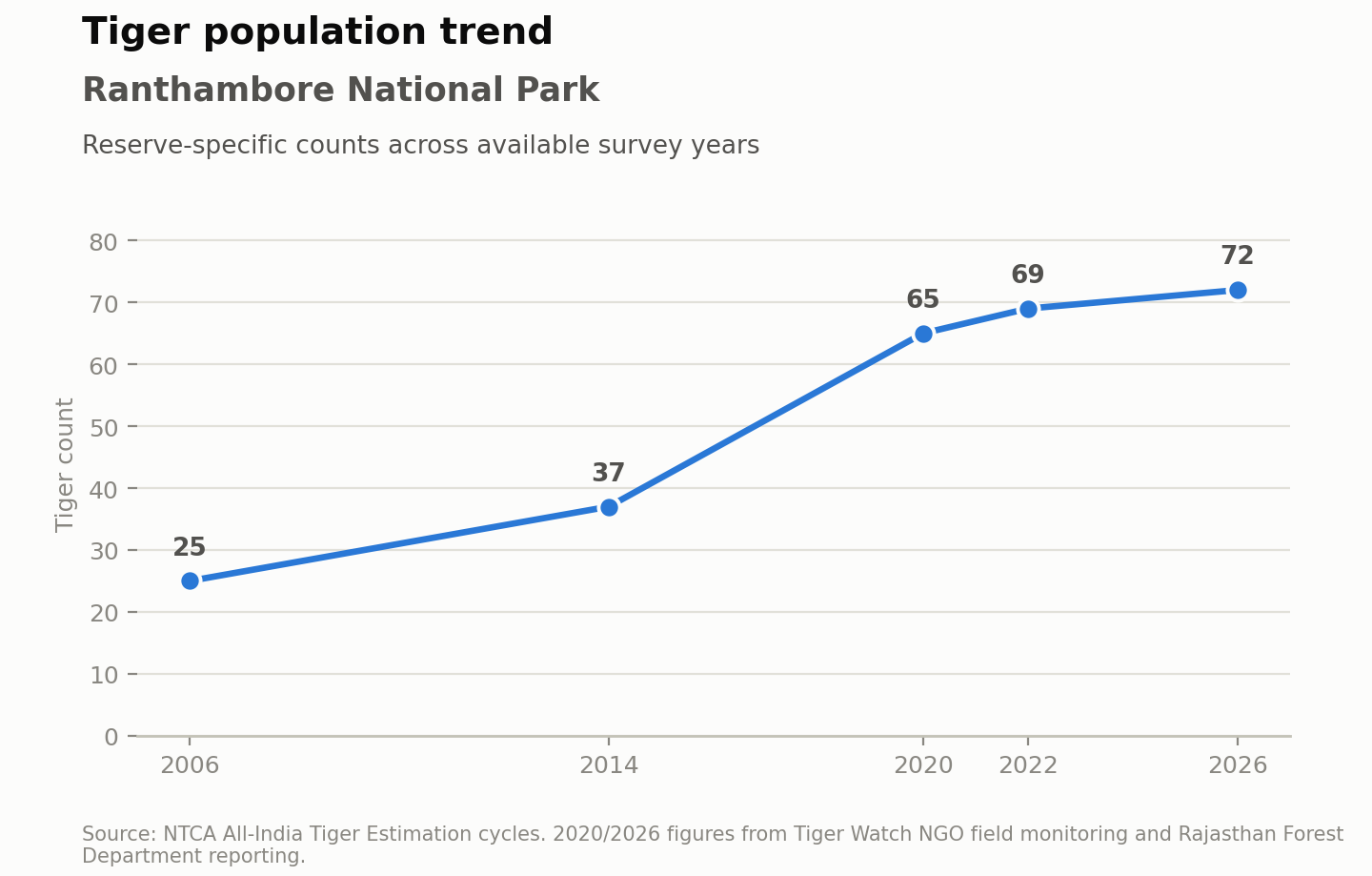
Ranthambore is one of India's best-known tiger reserves and a story of steady recovery. Its tiger population has grown steadily over recent census cycles.
| Year | Area | Estimated tigers |
|---|---|---|
| 2005 | Ranthambore | About 25 |
| 2013 | Ranthambore | About 48 |
| 2022 | Ranthambore | About 69 |
| 2022 | India | 3,682 (range 3,167–3,925) |
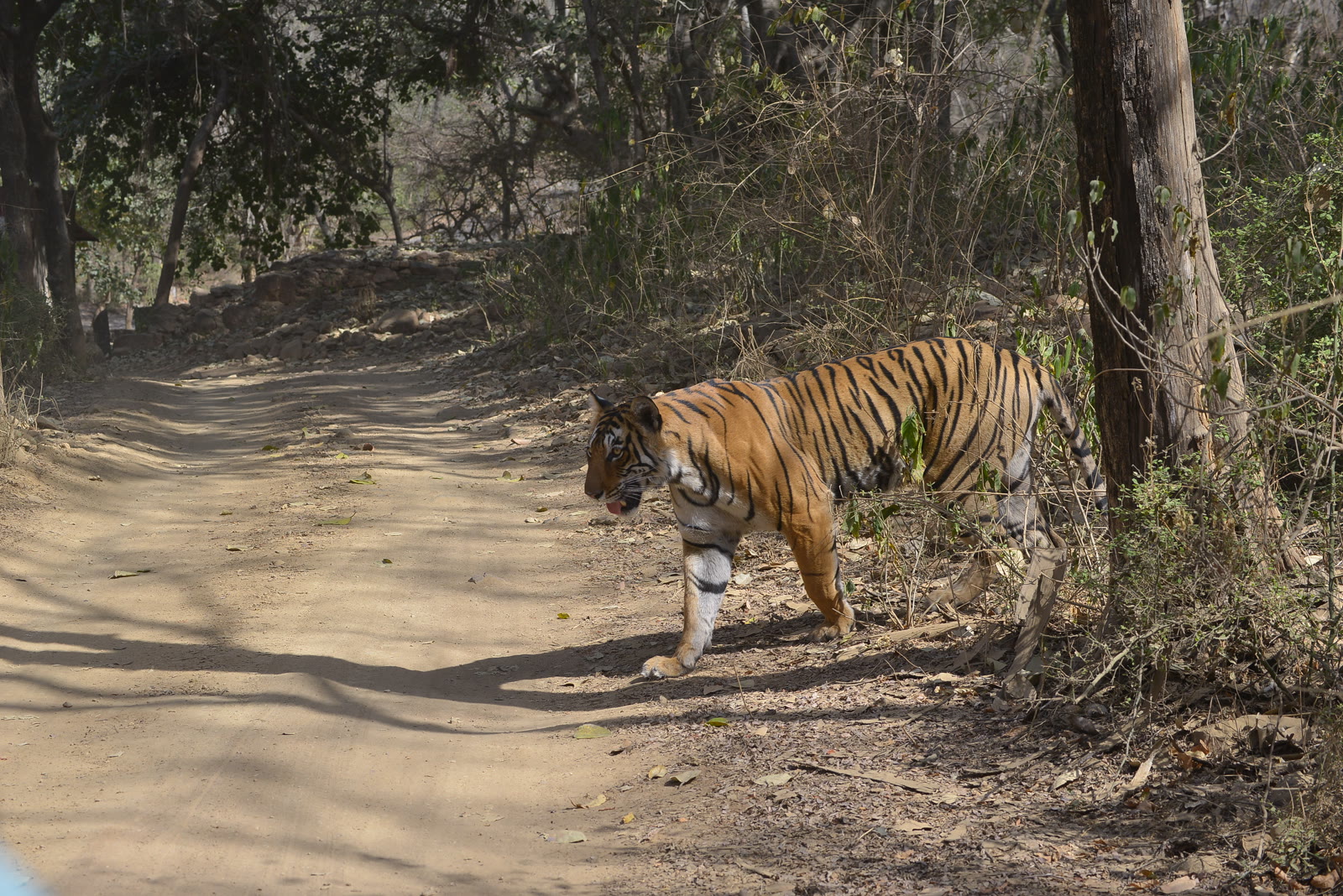
Ranthambore has also become a source population. Tigers from here helped re-establish a breeding population at Sariska, showing how a well-protected reserve can help repopulate others. Its tigers are known for using lakeshores, ruins and open ground, and they are comfortable with vehicles, so sightings here tend to be more frequent than in denser forest, especially in zones 2 to 5 and around Padam Talao in the dry months.
Other species
- Leopard: Sightings are occasional, with the rocky Kachida Valley in zone 5 the best-known area.
- Sloth bear: Seen regularly in Kachida's boulder terrain and around fruiting trees.
- Caracal and striped hyaena: Present but rarely seen.
- Marsh crocodile: A dependable sight around the lakes.
- Prey base: Sambar are frequent at the lakes, chital are widespread, and nilgai and chinkara are seen in the drier zones.
- Birds: More than 270 species, with painted storks and herons around the lakes.
Safari Zones in Ranthambore National Park
Ranthambore is divided into ten safari zones. Zones 1 to 5 form the core, with the highest tiger interest and the fewest vehicles per shift, while zones 6 to 10 lie in the buffer, with quieter drives and excellent birdwatching. Each permit is tied to a single zone, and no zone can promise a sighting.
| Zone | Area | Character |
|---|---|---|
| 1 | Core | One of the reserve's best-known tiger territories |
| 2 | Core | Lakes and rocky ridges near Jogi Mahal |
| 3 | Core | Padam Talao, Raj Bagh Lake and Jogi Mahal |
| 4 | Core | Northern core of dhok forest, rocky ground and open valley |
| 5 | Core | Kachida Valley, boulder hills and open grassland |
| 6 | Buffer | Kundal: open grassland and low hills |
| 7–10 | Buffer | Quieter drives through arid ridges, streams and thicker forest |
Zones 1 and 2
Both lie on the lake-and-ridge side of the core. Zone 1 is among the reserve's most famous tiger territories, and zone 2 combines lake margins with rocky ridges near Jogi Mahal. Tigers often come down to the water in the dry months.
Zone 3
Zone 3 follows the shore of Padam Talao and takes in Raj Bagh Lake, Jogi Mahal and views towards the fort. It is the most scenic route in the park, with mugger crocodiles, sambar at the water's edge, and painted storks and herons, and is a favourite for photography.
Zone 4
Zone 4 covers the northern core through dhok forest, rocky terrain and open valley. It has a long record of tiger sightings and rewards patient drives.
Zone 5
Zone 5 runs into Kachida Valley, a rocky, boulder-strewn landscape that is the park's best-known area for leopard and sloth bear. Open grassland at the edge of the Kundal plateau adds a different feel.
Zone 6 (Kundal)
Kundal offers wide views across open grassland and low hills. Tigers from the neighbouring core zones often cross here, and drives are peaceful, with good light for photography.
Zones 7 to 10
The outer zones are quieter, with fewer vehicles and excellent birding. Zone 7 crosses arid ridges and is known for occasional leopard, while Zone 8 (Balas) passes thicker vegetation and scenic water points. These zones continue through the monsoon, so they suit travellers visiting between July and September.
Vehicles and rules
Jeeps carry up to six guests and canters are shared. Permits are allotted by zone, so drives across two or three zones give the fullest picture of the park. India Tiger Safari would be delighted to design your fully private Ranthambore safari: a bespoke journey through the zones that suit you best, with curated stays, a private jeep and a naturalist guide devoted to your party.
Mammals and Birds
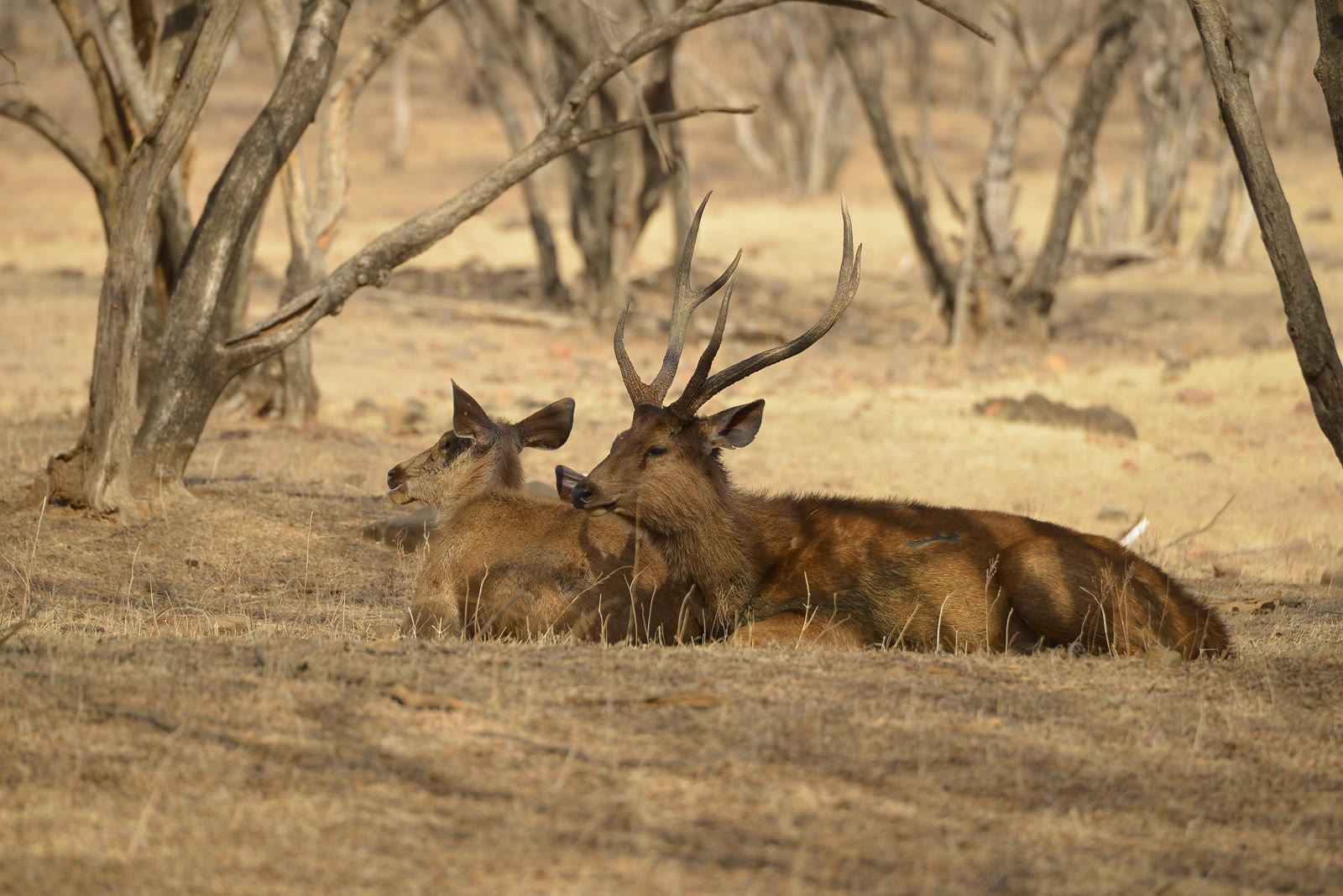
The lists below are representative and not complete.
Mammals
- Tiger
- Leopard
- Sloth Bear
- Caracal
- Striped Hyaena
- Jungle Cat
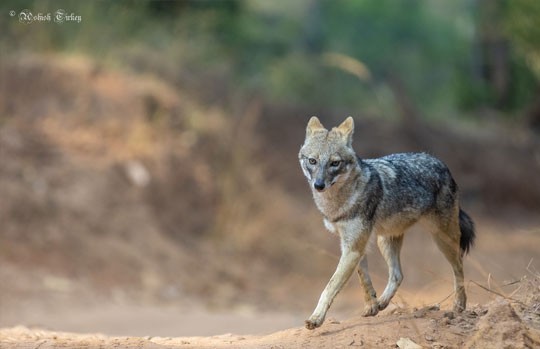
- Golden Jackal
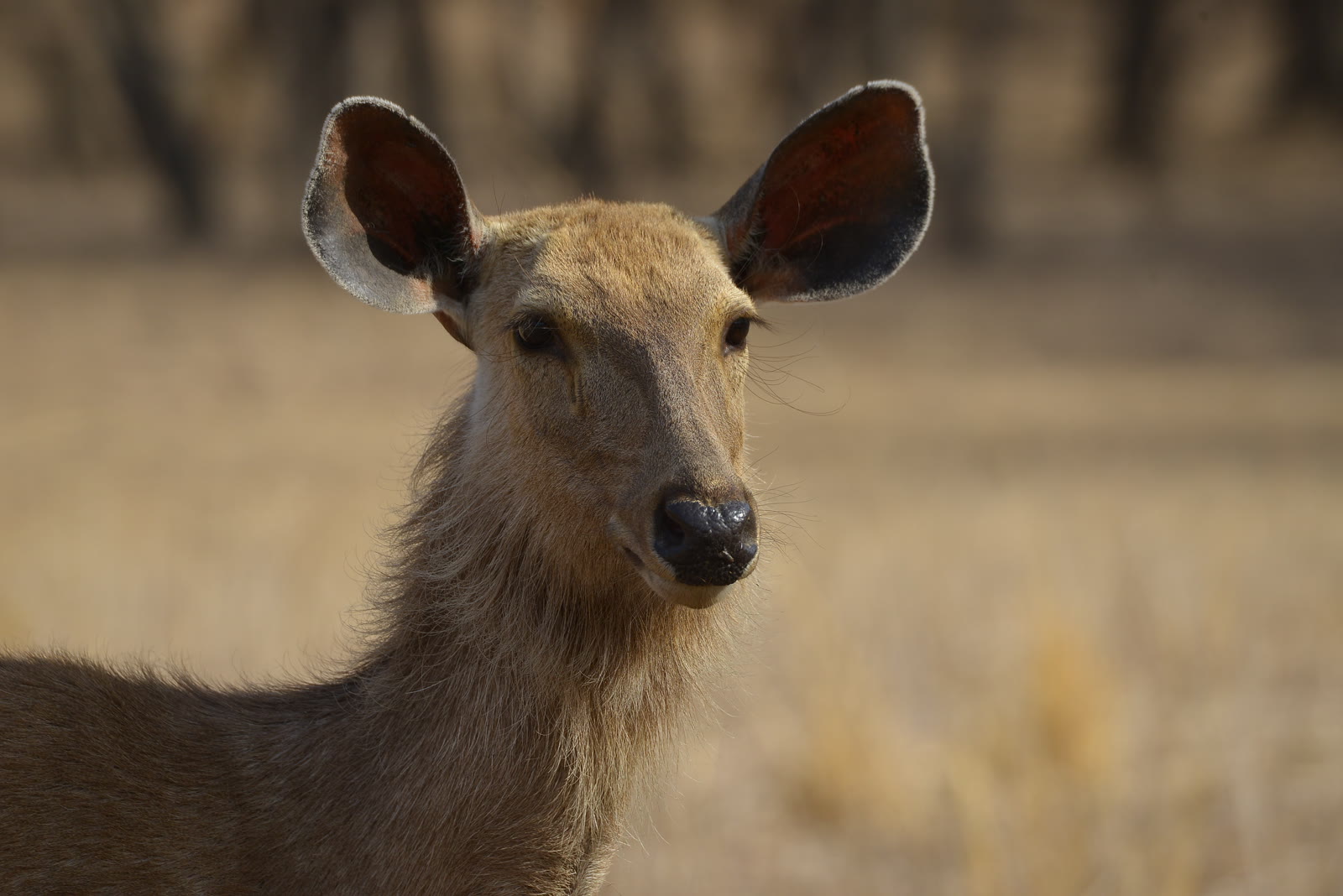
- Sambar
- Chital
- Nilgai
- Chinkara
- Wild Boar
- Common Langur
- Rhesus Macaque
Birds
- Indian Peafowl
- Crested Serpent Eagle
- Painted Francolin
- Indian Paradise Flycatcher
- Painted Stork
- Grey Heron
- Indian Eagle-Owl
- Brown Fish Owl
- Spotted Owlet
- Indian Roller
- Green Bee-eater
- Red-wattled Lapwing
Accessibility
Ranthambore is one of the easiest tiger reserves to reach, thanks to its position on the Delhi–Mumbai rail corridor and its short road links to Jaipur and Delhi. Distances and times below are approximate.
Train
| Station | Distance and road time to the park | Why use it |
|---|---|---|
| Sawai Madhopur Junction (SWM) | About 11–14 km; roughly 20–30 minutes | The natural arrival point, on the Delhi–Mumbai main line with direct trains from Delhi, Agra, Jaipur and Mumbai |
| Jaipur Junction (JP) | About 180 km; roughly three to three and a half hours | Useful for travellers coming from Rajasthan's other cities, then onward by road |
Air
| Airport | Distance and road time | Onward transport |
|---|---|---|
| Jaipur (JAI) | About 160–180 km; roughly three to three and a half hours | Private transfer, or a train to Sawai Madhopur |
| Delhi (DEL) | About 350–380 km; six to seven hours by road | Private transfer, or a train from Delhi to Sawai Madhopur |
Jaipur is the closest airport with regular scheduled flights and is well connected to major Indian cities. Most international guests arrive in Delhi and travel on by train or road.
Road
Jaipur (about 180 km, three to three and a half hours). A straightforward highway drive, and an easy first or last day on a Rajasthan itinerary.
Delhi (about 380 km, six to seven hours). Best taken as a comfortable private transfer with a lunch stop, or replaced by the train, which is quicker and restful.
Agra (about 300 km, five to seven hours). A natural onward leg from the Taj Mahal, making Ranthambore an easy addition to a Golden Triangle journey.
Private vehicles do not enter the park itself; you transfer to an authorised safari jeep or canter at the gate.
Accommodation
Ranthambore offers a wider range of places to stay than most tiger reserves, from palace-style heritage properties to luxury lodges in the dry Aravalli foothills. Most sit along the road between Sawai Madhopur and the park gates, a short drive from your zone entry. This guide describes the character of each option rather than ranking properties.
Luxury safari lodges and tented camps
The finest properties combine spacious cottages or tents with private terraces, pools, spa treatments and long, unhurried meals. Many face open scrubland or the reserve boundary, so hoopoes, peacocks and sometimes a passing leopard or sambar become part of the morning. This is the natural choice for couples and small private groups who want comfort between drives.
Heritage and boutique stays
Several properties occupy former hunting lodges and royal retreats, with old-world courtyards, colonnades and gardens. They pair well with a wildlife itinerary, especially for travellers with an interest in Rajasthan's history and the fort at the heart of the park.
Resorts and mid-range hotels
A broad selection of resorts with gardens and pools suit families and groups. These are practical for early starts, with packed breakfasts and flexible dining.
Budget stays
Guesthouses and simpler hotels in Sawai Madhopur town offer good value and easy access to the railway station, though the drive to the gates is longer.
Choosing well
- Gate proximity: Choose a base close to the entry gate for your zone, since most permits start at Singhdwar or on the Kundal side.
- Dining: Lodges serve Indian and international menus and can arrange packed breakfasts for early drives.
- Guiding: Registered naturalist guides accompany every vehicle, and many lodges can recommend one.
- Families: Resort-style properties with pools and gardens suit children best.
India Tiger Safari's bespoke private itineraries pair each zone with a curated lodge.
People Also Visit
Ranthambore sits comfortably on a Delhi–Agra–Jaipur circuit, which makes several pairings natural.
Jim Corbett National Park
Corbett is the classic northern counterpart, reached from Delhi in a day. Its sal forests, grassland meadows and Ramganga river valley contrast with Ranthambore's dry hills and lakes, and elephants and rich birdlife add a different flavour. Most itineraries fly or take the train back to Delhi between the two.
Sariska National Park
Sariska shares Ranthambore's dry deciduous Aravalli character but is quieter, with rocky gorges and ruined temples. It suits a short extension on the Delhi–Jaipur side, and its tigers are part of the same conservation story, since animals from Ranthambore helped re-establish the population.
Jawai Leopard Reserve
Jawai is a conservation reserve rather than a national park, famed for leopards living among granite hills and old temples. It complements Ranthambore's tigers well, though the transfer is long and is usually broken with a night in Jaipur or Udaipur.
Keoladeo National Park
A UNESCO World Heritage wetland and one of the world's finest bird sanctuaries lies roughly three hours from Ranthambore by road, making Keoladeo a natural addition to any Rajasthan itinerary. Where Ranthambore delivers tigers moving through dry deciduous forest and ruined fortifications, Keoladeo offers a completely different rhythm — cycle-rickshaw safaris through wetland marsh, with painted storks, sarus cranes and migratory waterfowl in place of big cats. India Tiger Safari regularly combines the two parks into a single private journey, pairing Ranthambore's tiger drives with a morning or two of birding at Keoladeo.
Ranthambore National Park FAQs
What is the best time to visit Ranthambore National Park?
The core zones are open from 1 October to 30 June. October to April brings comfortable weather, and April to June is hotter, with tigers and other animals gathering at waterholes and thinner vegetation improving visibility. From July to September zones 1 to 5 rest, while outer zones 6 to 10 stay open for quiet, green-season drives.
How many days do you need in Ranthambore?
Two to three nights is a good rhythm, giving three to five drives across different zones. That allows for both lake-side and ridge landscapes and gives more chances at the park's highlights. India Tiger Safari's bespoke itineraries match nights and zones to your dates.
Can you see tigers in Ranthambore?
Ranthambore is known for its tiger visibility, helped by open terrain, lakes and animals that are comfortable with vehicles. An estimated 69 tigers lived in the park in 2022. Sightings are a highlight on many drives, especially in zones 2 to 5, but wildlife is unpredictable and no sighting can be promised.
Which safari zone is best in Ranthambore?
There is no single best zone. Zone 3 is the most scenic, with Padam Talao, Raj Bagh and Jogi Mahal; zones 4 and 5 are known for tigers and, in Kachida Valley, leopards; the outer zones offer quieter drives and birdwatching. Driving two or three different zones gives the fullest picture.
How do Ranthambore safari bookings work?
Permits are made by zone, date and shift, morning or afternoon, for either a jeep carrying up to six guests or a shared canter. Every guest needs valid ID. India Tiger Safari handles permits, vehicles and guides for its private guests, so you can focus on the journey.
What animals can you see in Ranthambore?
Tigers are the headline, and leopard, sloth bear, caracal and striped hyaena also live here. Marsh crocodiles bask around the lakes, and sambar, chital, nilgai and chinkara are widespread. More than 270 bird species include painted storks, crested serpent eagle and Indian paradise flycatcher.
How do you reach Ranthambore National Park?
Sawai Madhopur Junction, on the Delhi–Mumbai main line, is 11 to 14 km from the park. Jaipur airport is about 160 to 180 km away, roughly three to three and a half hours by road. Delhi is about 380 km, or six to seven hours by road, and many guests take the train.
Is Ranthambore suitable for families?
Yes. Drives last about three to three and a half hours, the terrain is open, and resort-style hotels with pools and gardens suit children well. Younger guests should be comfortable sitting quietly in an open vehicle. A private jeep makes the pace easier for families.
What should you wear on a Ranthambore safari?
Choose muted greens, browns and khaki, and layer up, as winter mornings in an open vehicle are cold. In summer, bring a hat, sunscreen and light long sleeves. Wear closed shoes, avoid strong perfume and carry binoculars for the birds.
Is a private jeep available in Ranthambore?
Yes. A jeep permit covers one vehicle with up to six guests, so a private party can have the whole vehicle to itself. India Tiger Safari arranges a private jeep and a naturalist guide devoted to your party as part of its bespoke journeys.