Periyar National Park: Safari Guide
Periyar Lake boat safaris, elephant herds, one of India's earliest Project Tiger reserves
About Periyar National Park
Periyar National Park, at the heart of the Periyar Tiger Reserve, lies in Kerala's Idukki and Pathanamthitta districts, centred on the hill town of Thekkady near the Tamil Nadu border. The reserve covers 925 square kilometres of Western Ghats forest, made up of 881 square kilometres of core critical tiger habitat and a 44 square kilometre buffer.
Its conservation history runs deeper than almost any other Indian reserve. The forests around the Periyar River were first protected as a hunting reserve by the Maharaja of Travancore in 1899, following the construction of the Mullaperiyar Dam, and formally declared the Nellikkampatty Game Sanctuary in 1934. After independence, the area was reconstituted as a wildlife sanctuary in 1950, brought under Project Tiger as one of India's early tiger reserves in 1978, and its core zone formally notified as Periyar National Park in 1982.
The dam that created Periyar Lake, an artificial reservoir of roughly 26 square kilometres, remains the physical and experiential centre of the reserve. Around it, the land rises from around 100 metres in the Pamba valley to 2,019 metres at Kottamalai peak, carrying tropical evergreen and semi-evergreen forest, moist deciduous stands, sholas and montane grassland, and marshy lake-edge clearings.
Periyar's defining distinction is its reliance on water rather than roads: much of the reserve has no vehicle track through its interior, and its wildlife is watched instead from boats on the lake and on foot along forest trails, a format unlike almost anywhere else on the Indian safari circuit. It was also the first tiger reserve in India to establish a dedicated Tiger Conservation Foundation, an early and successful model for community-linked conservation that other reserves have since followed.
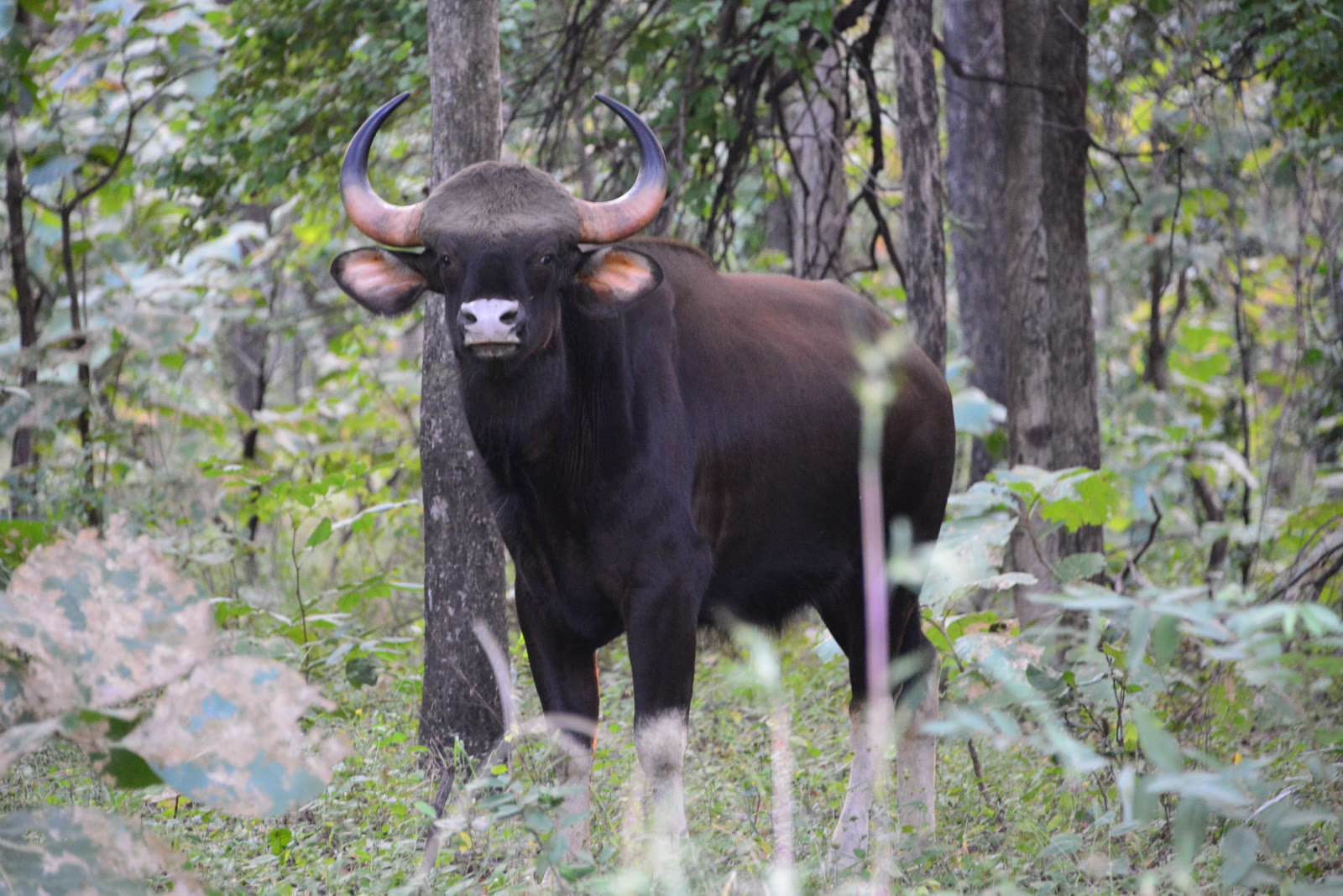
What to expect: A Periyar visit centres on the lake - a boat safari past elephant herds and gaur drinking at the shoreline - paired with guided treks into evergreen hill forest for a very different kind of jungle experience. Tiger, elephant and gaur all live within the reserve, and while sightings, especially of tigers, are never promised, elephant and waterbird sightings from the lake are frequent, particularly through the dry months.
Facts About Periyar National Park
| Aspect | Details |
|---|---|
| Location | Idukki and Pathanamthitta districts, Kerala (Thekkady/Kumily) |
| State | Kerala |
| Established | Game sanctuary (1934); wildlife sanctuary (1950); tiger reserve (1978); national park (1982) |
| Area | 925 km² (881 km² core, 44 km² buffer) |
| Protected Area Type | National Park and Tiger Reserve |
| Functional Days | Open year-round, boat safaris and treks daily |
| Annual Closure | No fixed full closure; heavy monsoon (June-August) can suspend some treks temporarily |
| Weekly Offs | None |
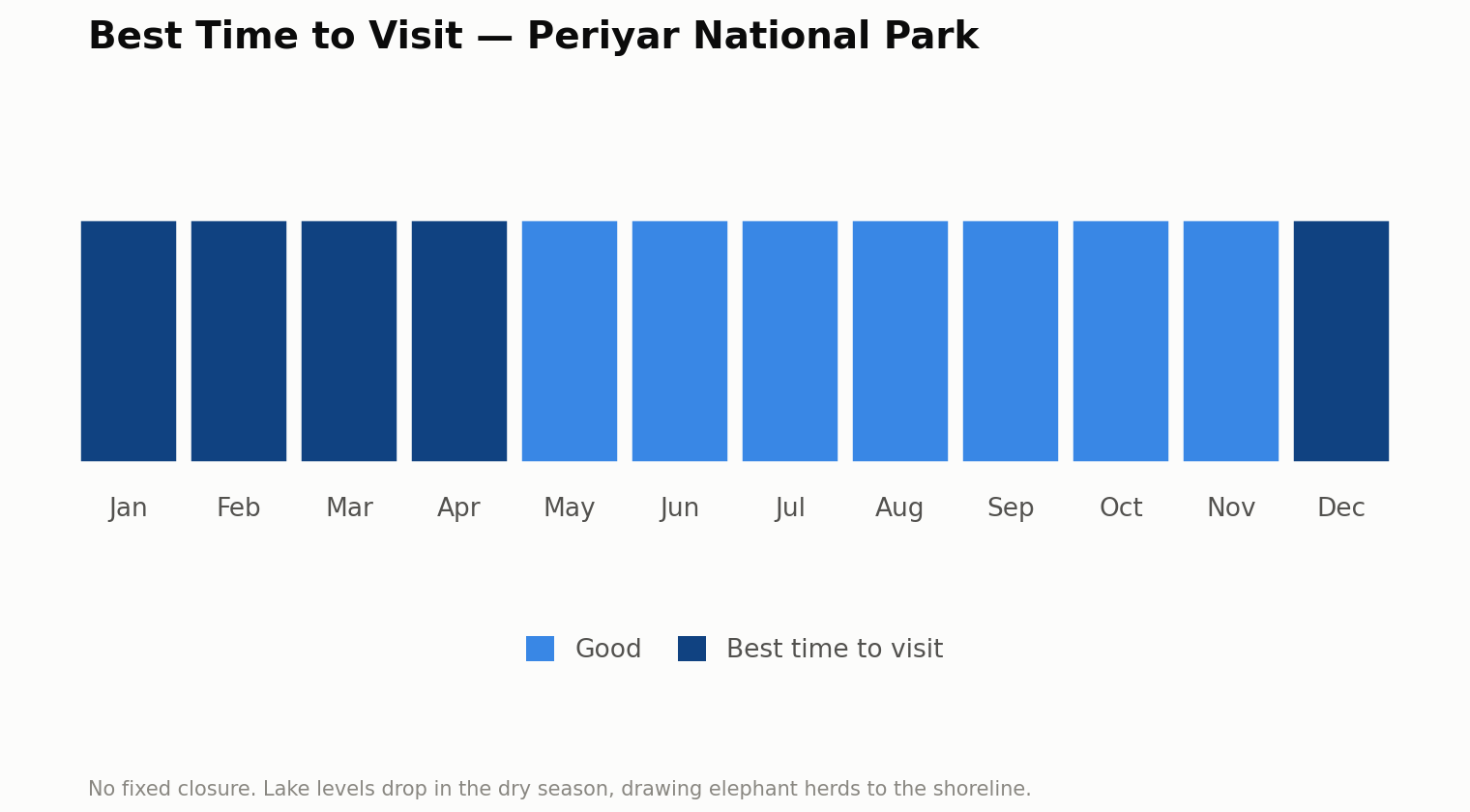
| Best Time to Visit | October to March, with December to April strongest for lakeside sightings |
| Recommended Safari Duration | 2 nights (one boat safari and one or two guided treks) |
| Vegetation | Tropical evergreen and semi-evergreen forest, moist deciduous forest, montane grassland, lake-edge marshland |
| Elevation | 100-2,019 metres |
| Major Wildlife | Tiger, Asian elephant, gaur, sambar, Nilgiri tahr, lion-tailed macaque |
| Famous For | Periyar Lake boat safaris, elephant herds, one of India's earliest Project Tiger reserves |
Functional days. Boat safaris on Periyar Lake run in two-hour shifts through the day, while guided treks and rafting programmes are scheduled by slot and booked in advance through the reserve's eco-tourism counter.
Yearly off. There is no full annual closure; the June to August monsoon brings the heaviest rain and can pause some of the longer treks and rafting trips for safety, while boat safaris generally continue.
Weekly offs and rules. Safaris and treks run every day of the week. Group sizes on treks are capped for both safety and low-impact access, and every activity travels with a forest department guide.
Tiger Density and Other Major Species
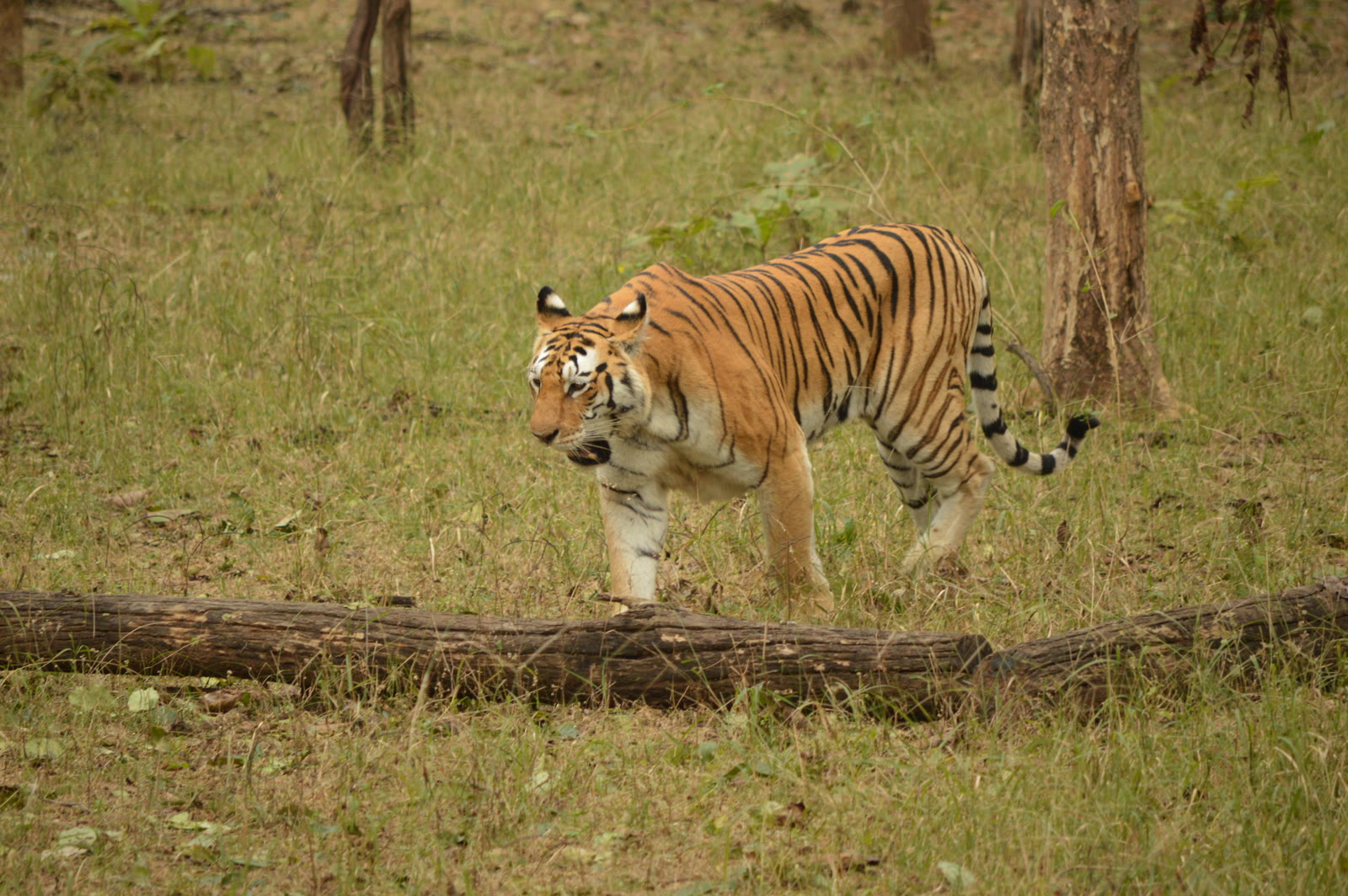
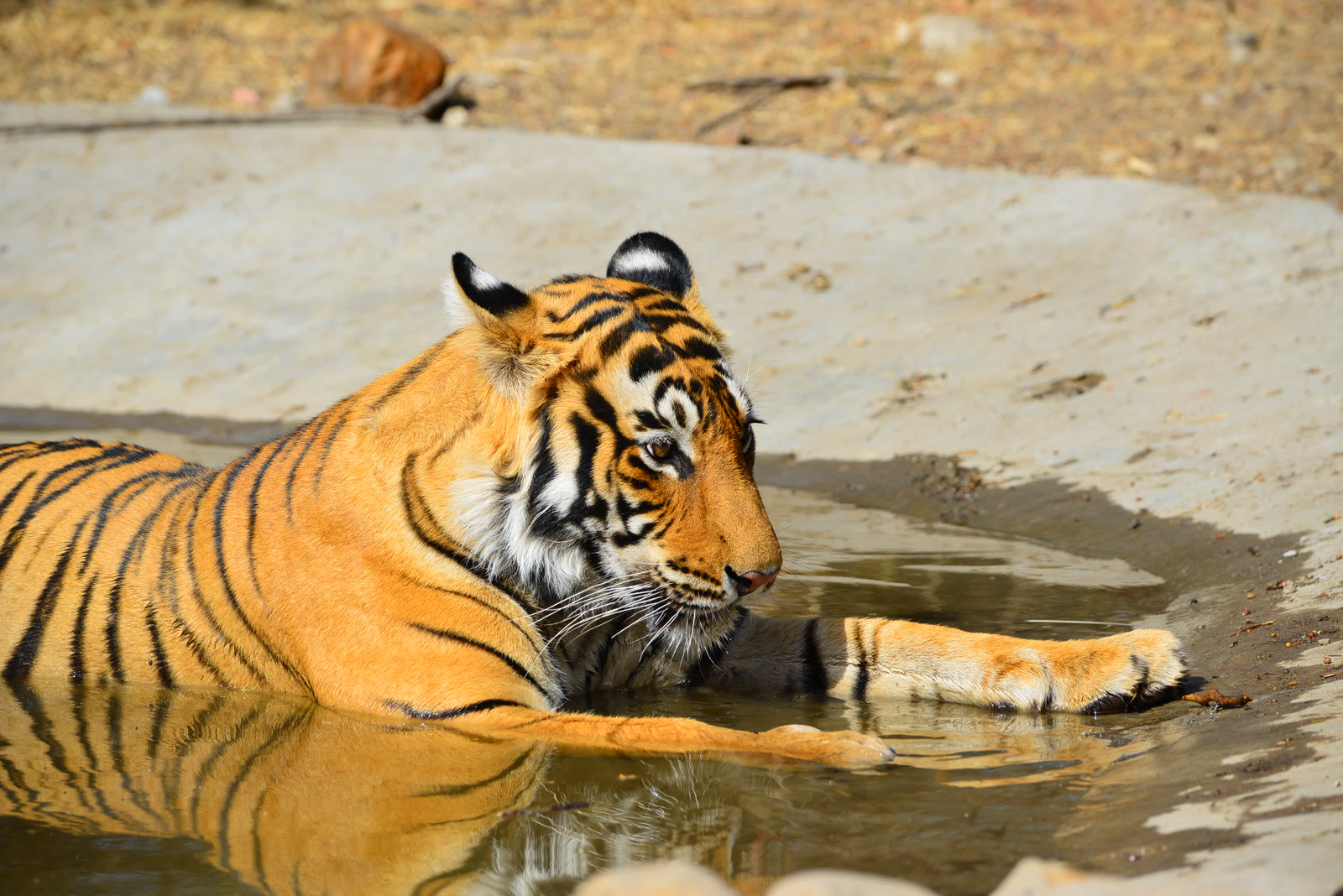
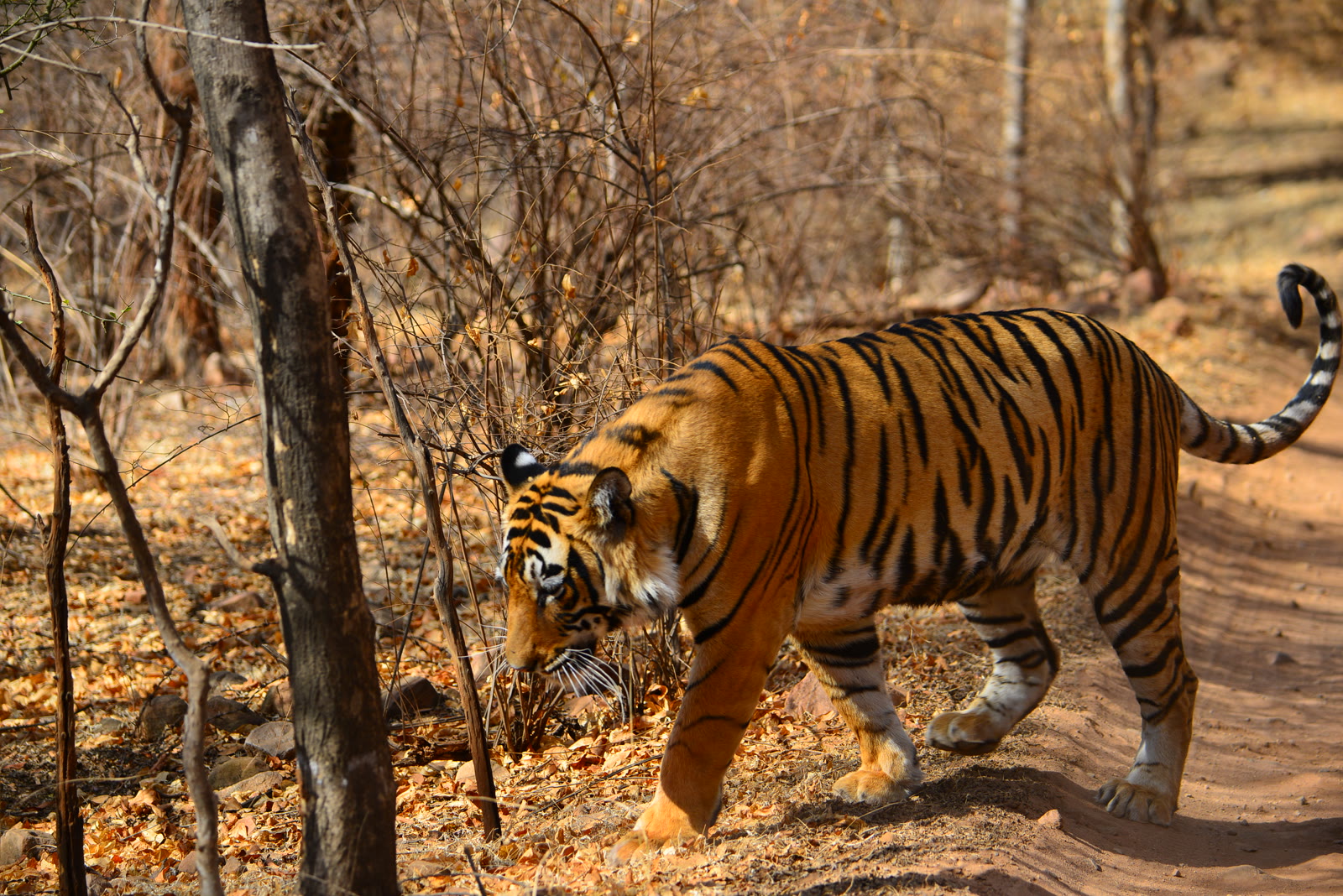
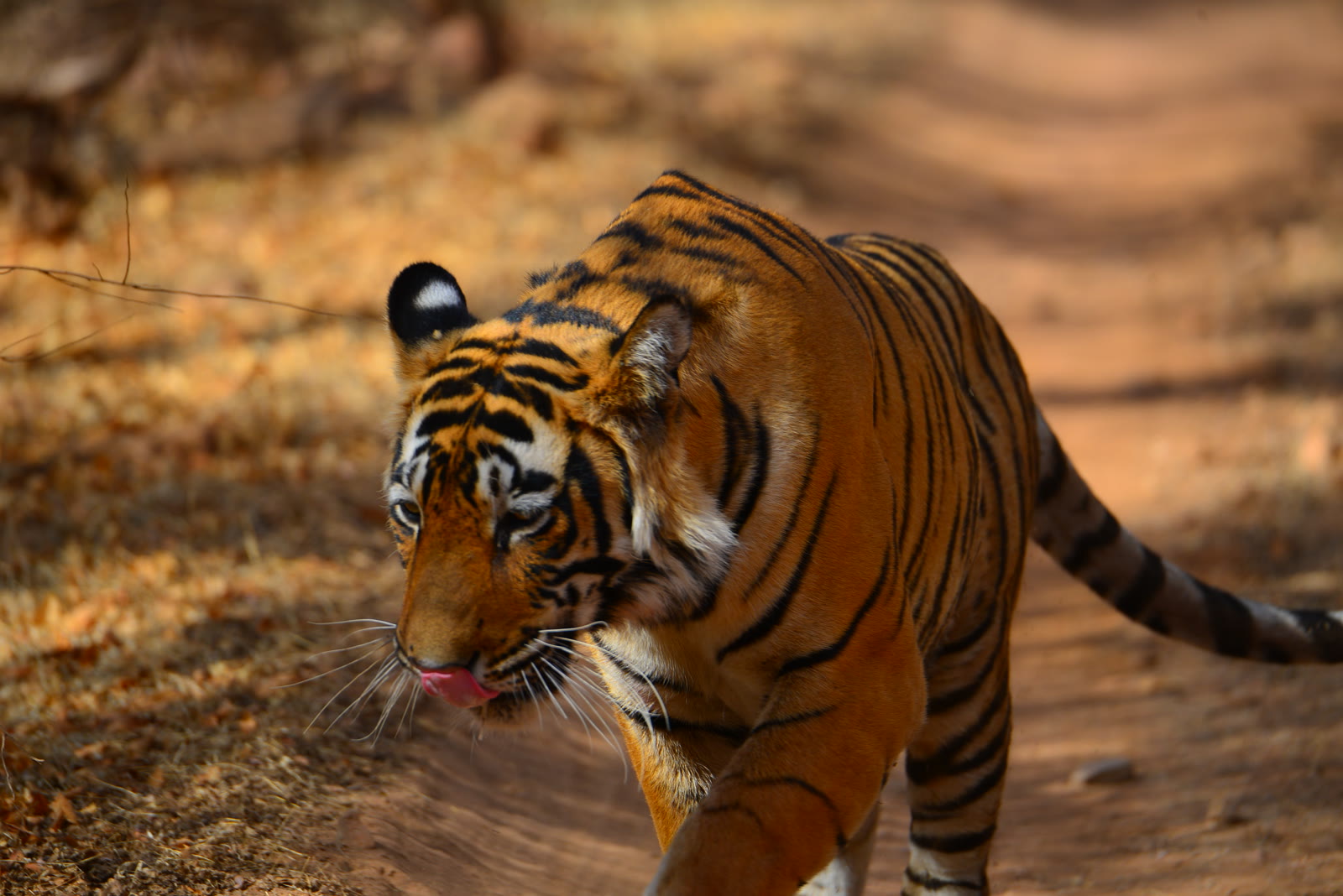
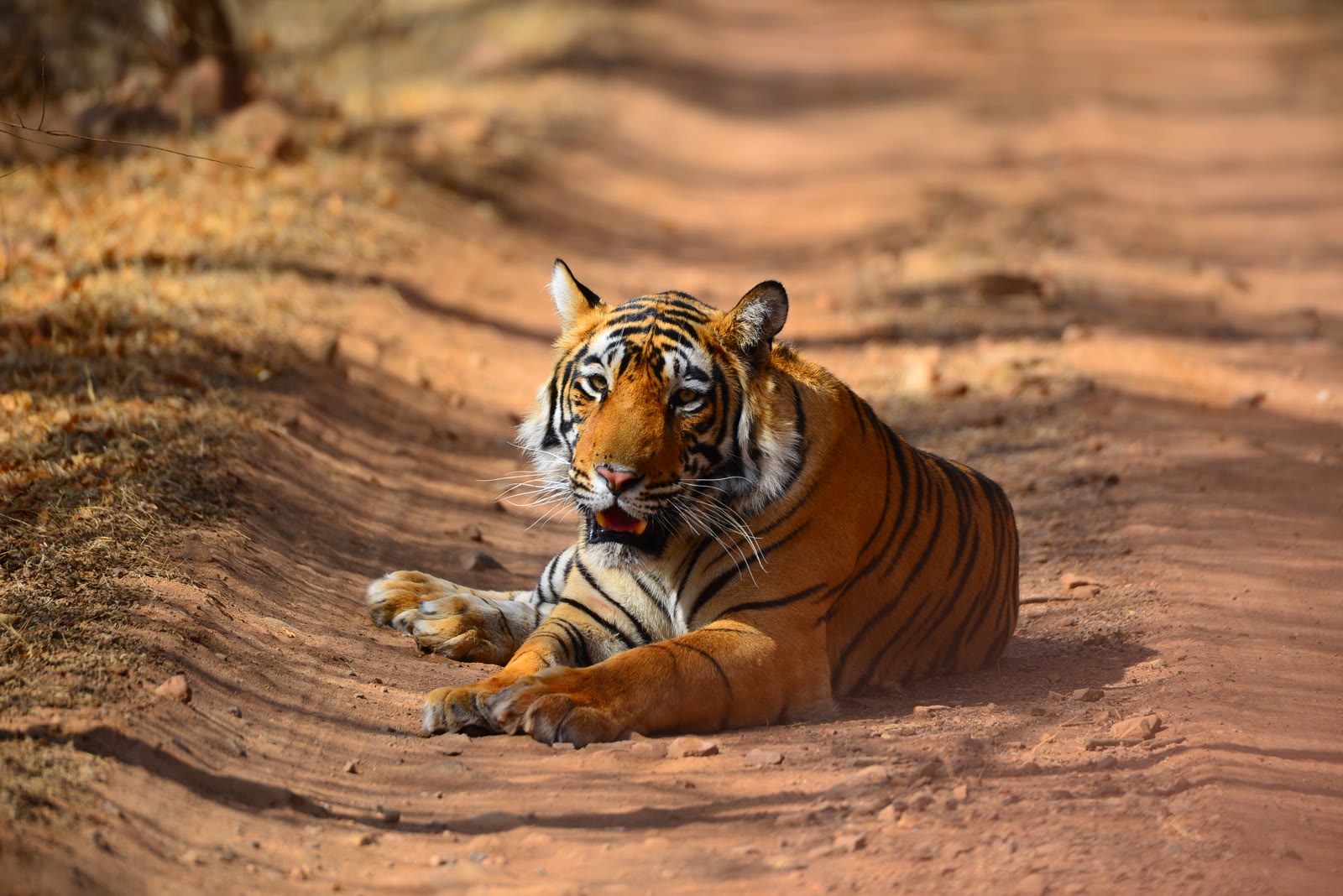
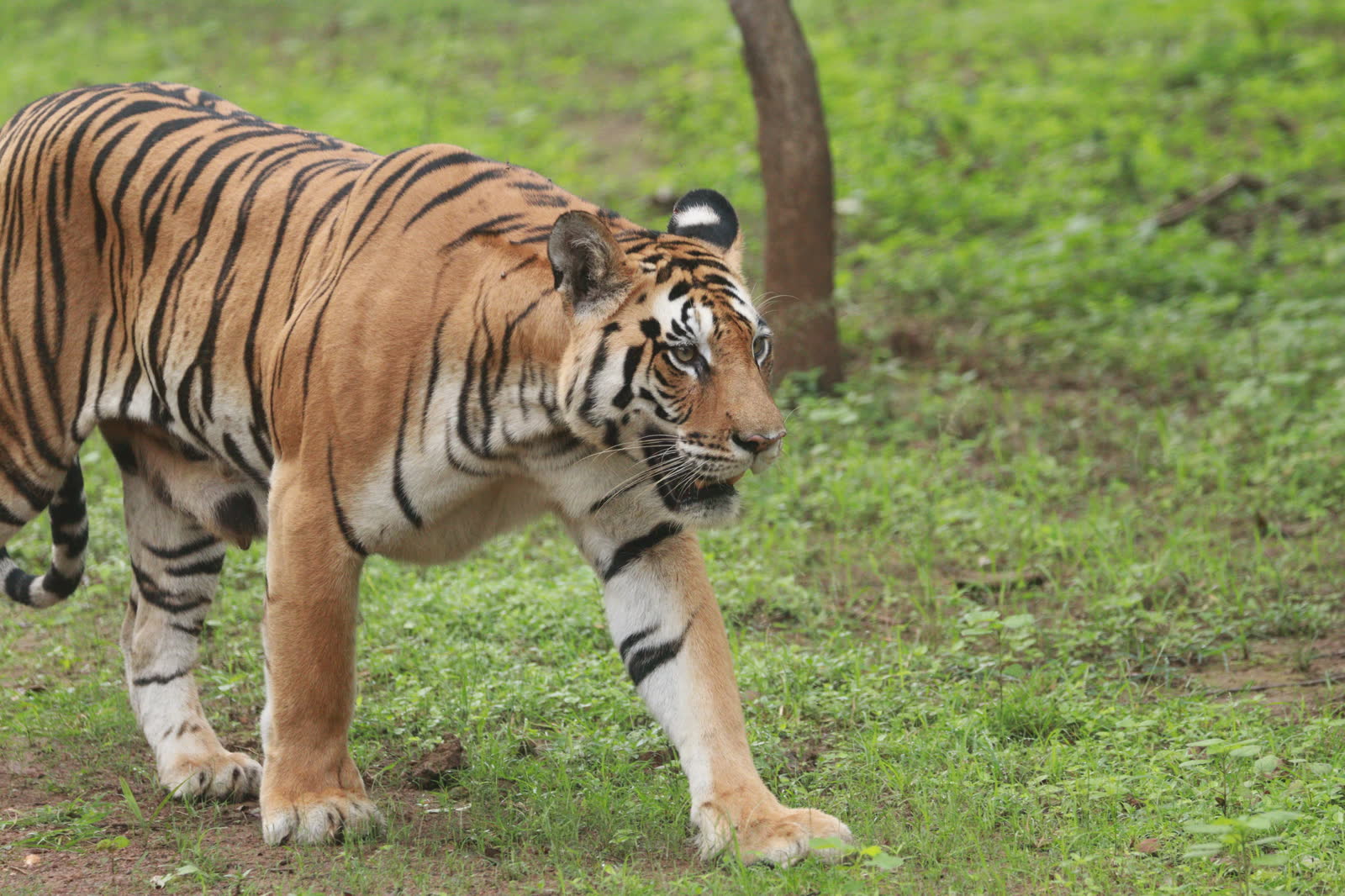
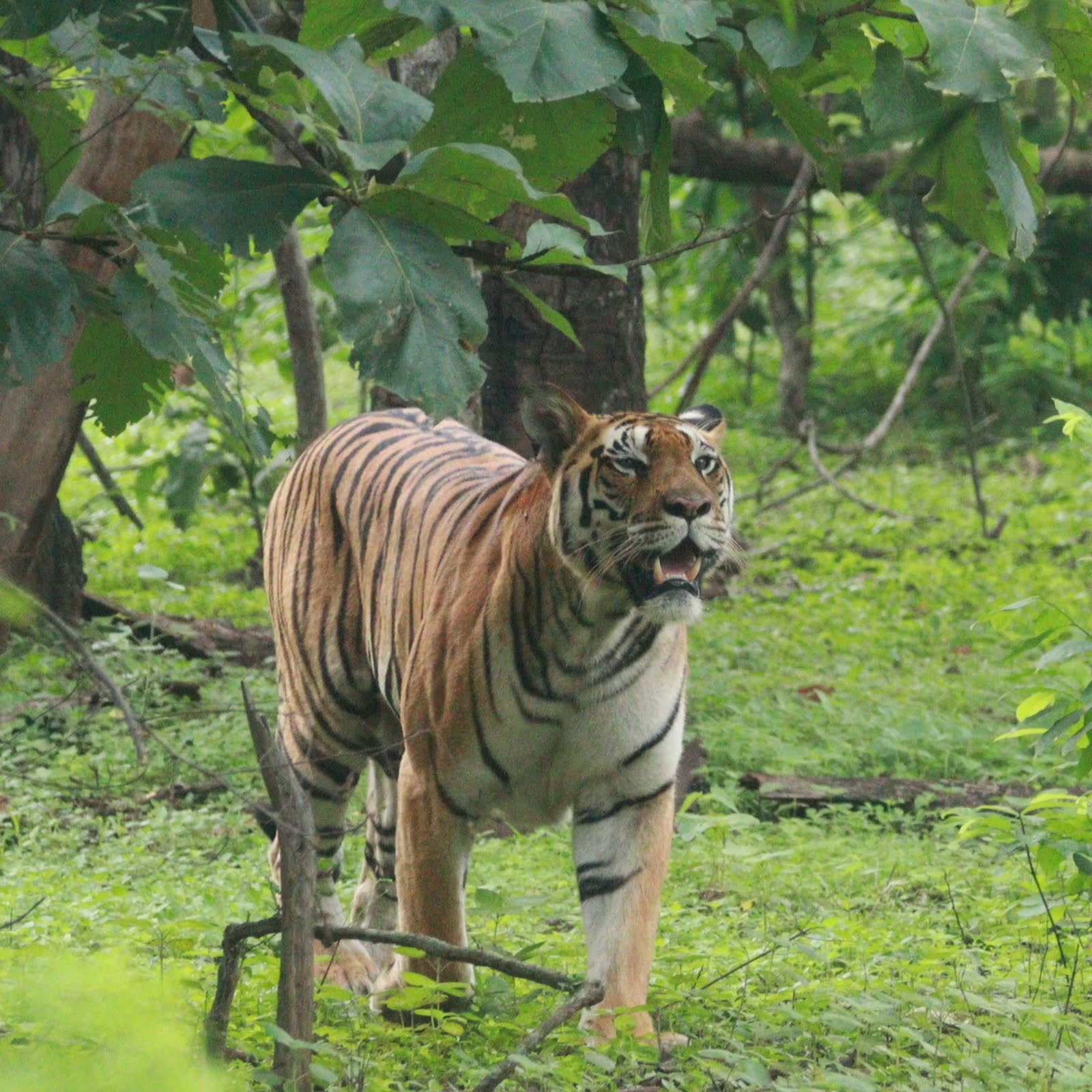
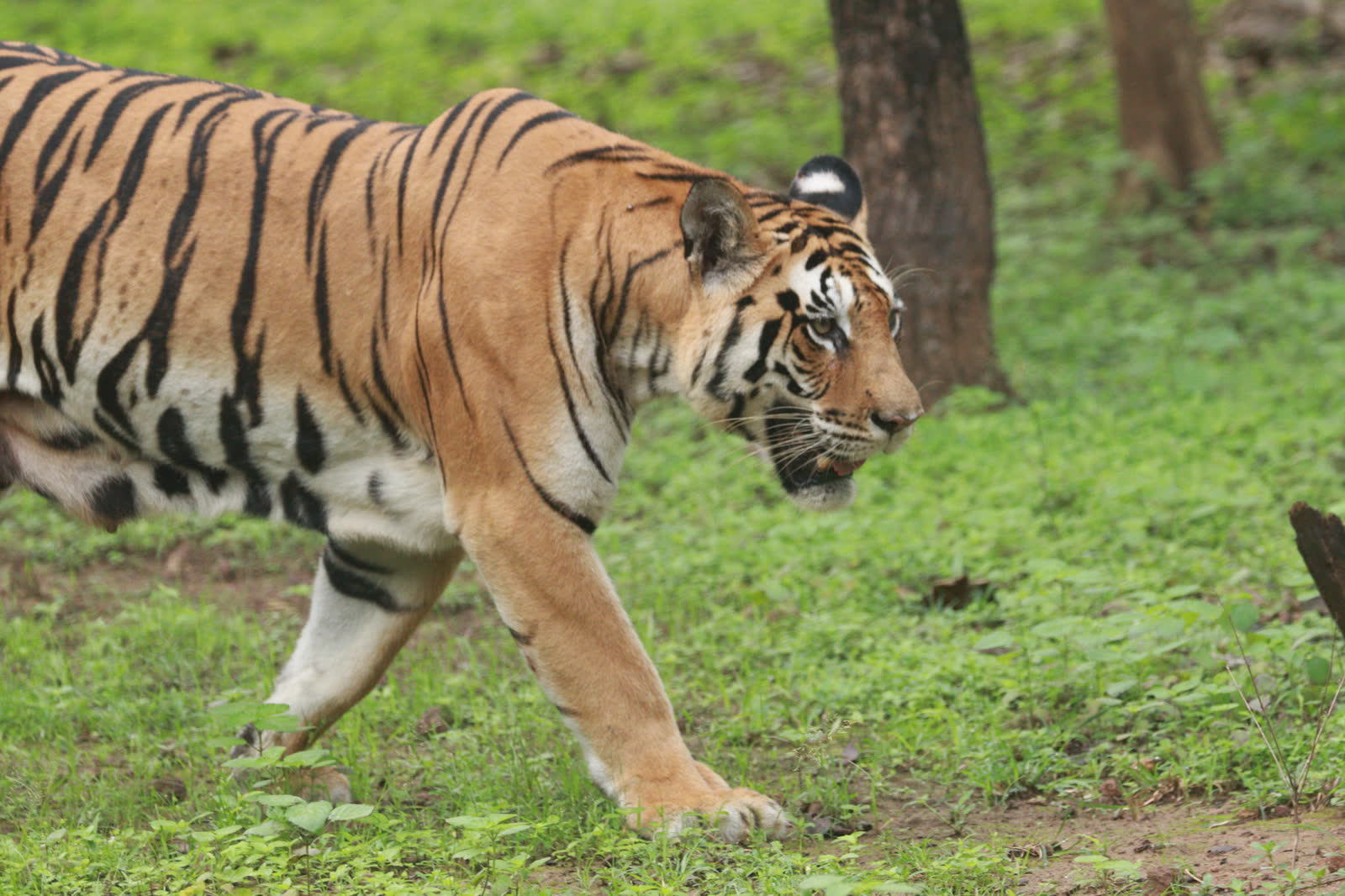
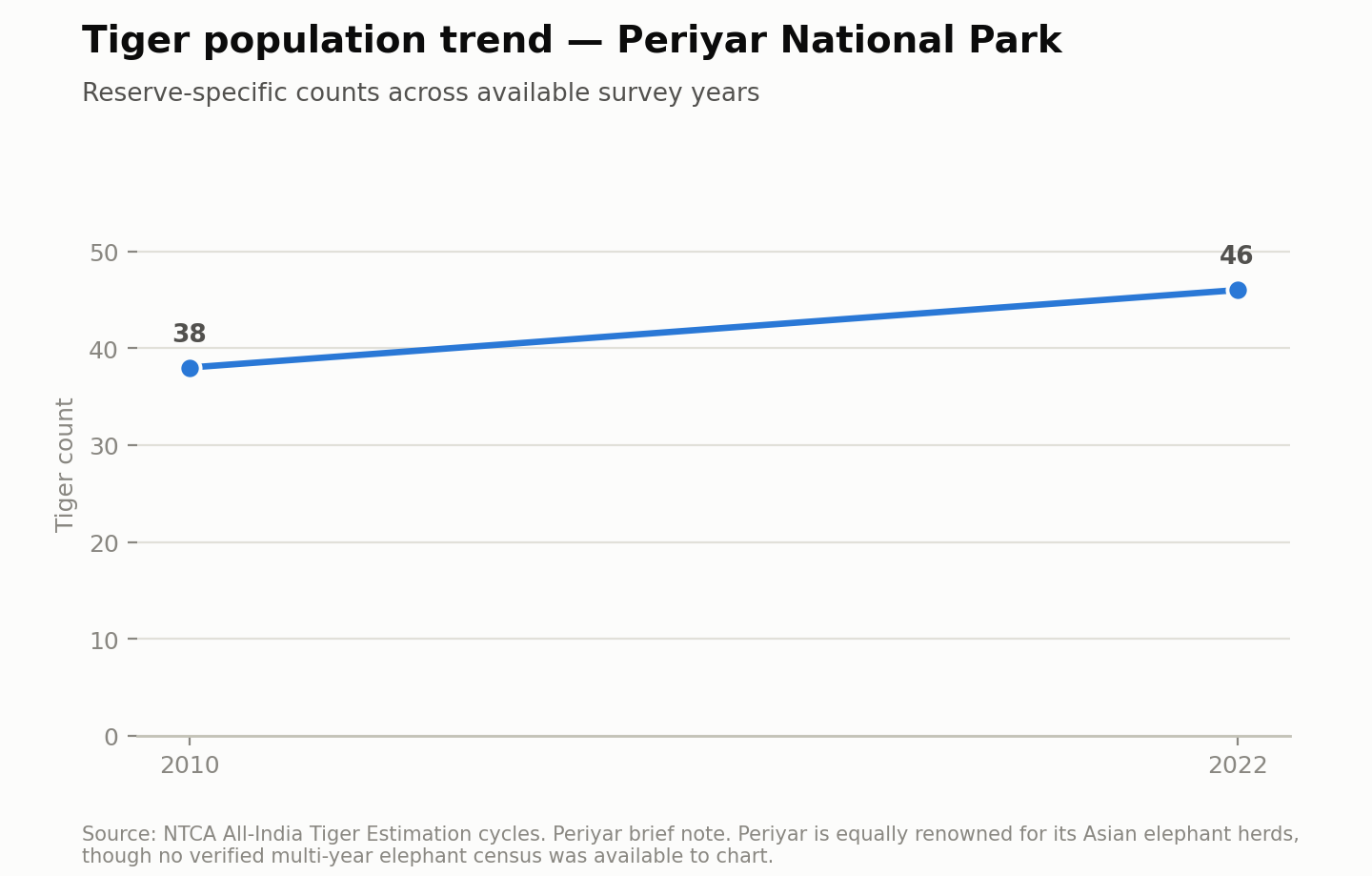
Periyar has counted tigers since some of the earliest formal assessments in Indian conservation. A 2010 phase IV assessment put the reserve's tiger numbers at around 38; the most recent camera-trap survey has identified 46 individual tigers within the reserve, a steady increase that reflects the reserve's long-standing protection regime.
| Assessment | Estimated Tigers |
|---|---|
| 2010 Phase IV Assessment | ~38 |
| Latest camera-trap survey | 46 |
Because so much of Periyar's core is dense evergreen forest away from the lake, tigers here are seen far less often than at the more open, deciduous reserves of central India; sightings, when they happen, tend to come on the quieter interior treks rather than the boat safari. Elephants, by contrast, are highly visible along the lake shoreline through the dry season, when herds numbering dozens gather to drink and bathe. As with every wild reserve, no sighting can be promised, but Periyar's combination of a growing tiger population and consistently visible elephants makes it one of South India's most rewarding wildlife stops.
Other species
- Asian elephant: Periyar's most visible headline species, with large herds regularly seen from the lake, especially in the dry months.
- Gaur: Frequently seen grazing the lake-edge grasslands and forest clearings.
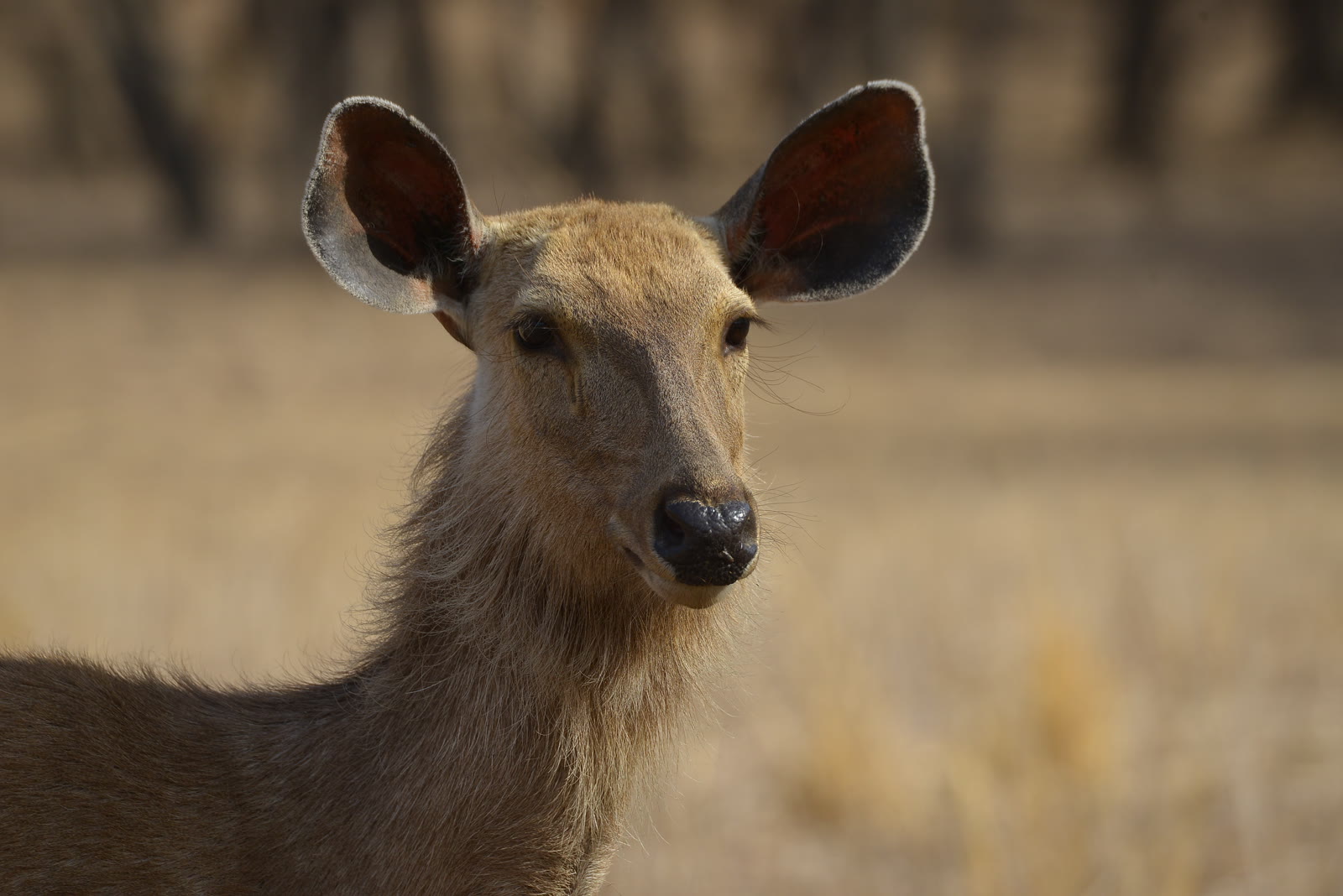
- Sambar: Common throughout the reserve, often spotted near water.
- Nilgiri tahr: Found on the reserve's higher grassland ridges, a Western Ghats endemic.
- Lion-tailed macaque: Present in the evergreen canopy, one of the world's rarest primates.
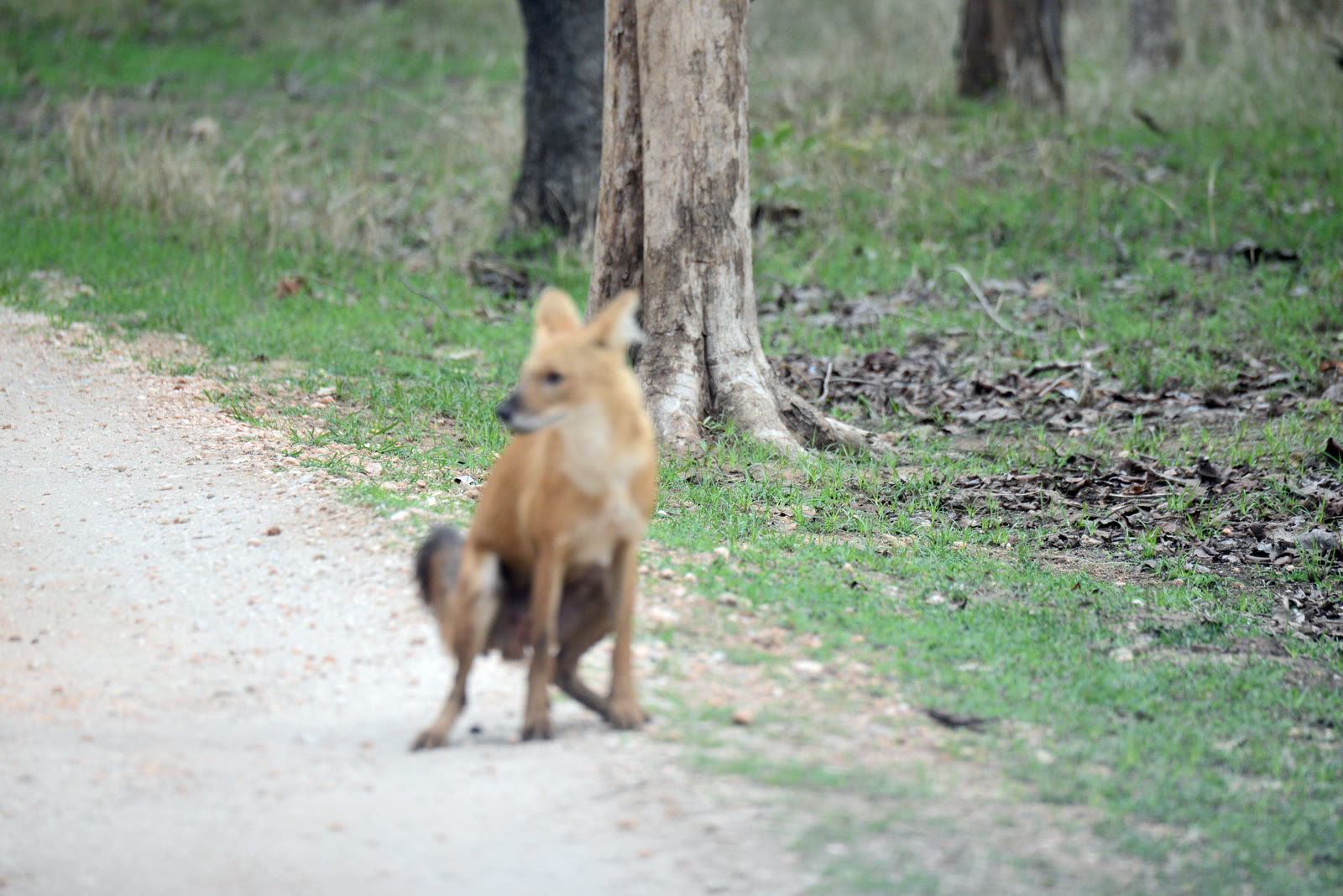
- Sloth bear and dhole: Both present in good numbers, though sighted less often than the lake's larger mammals.
- Smooth-coated otter: Occasionally seen along the lake's quieter inlets.
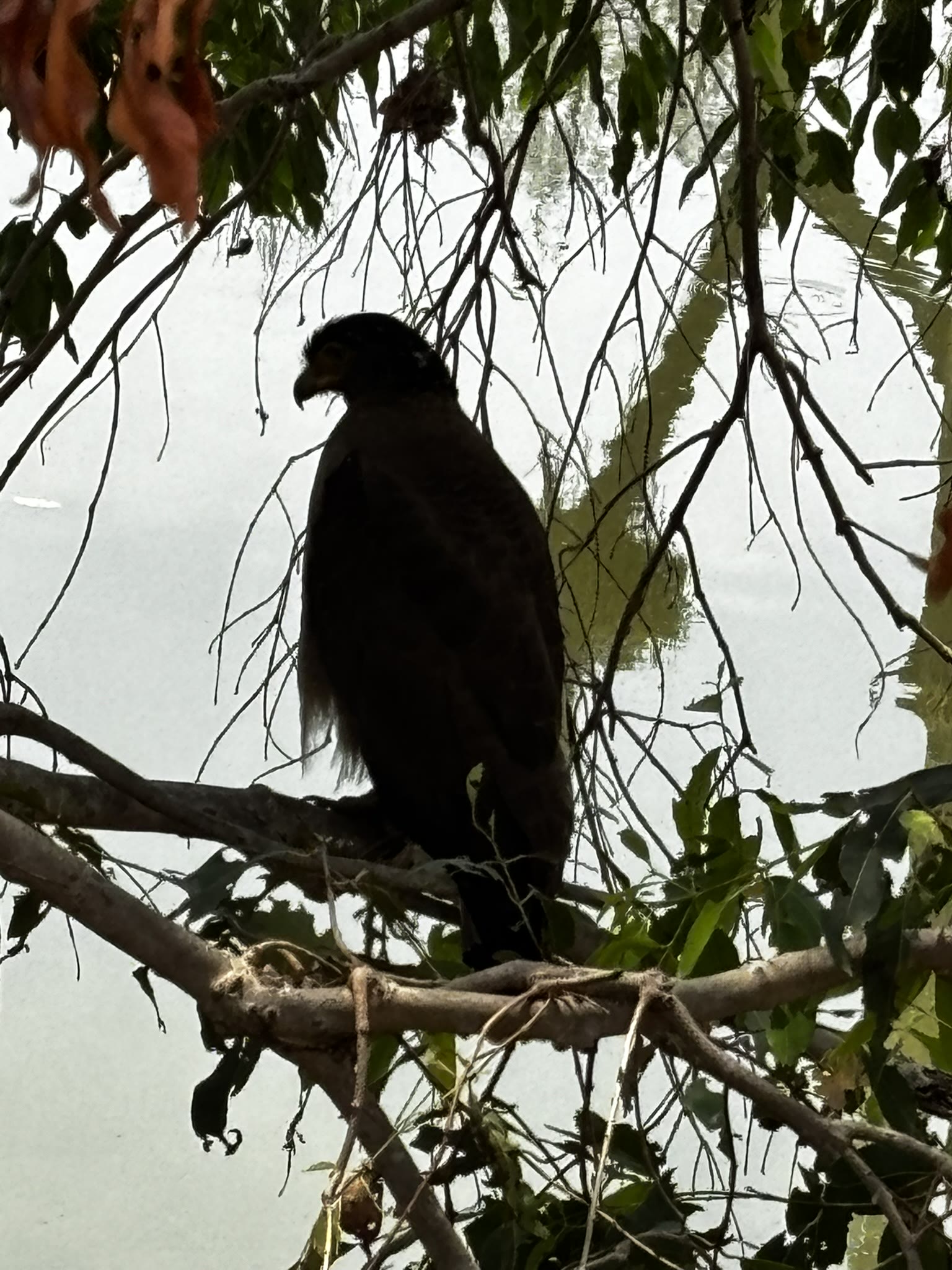
- Birds: Over 320 species, including the great hornbill, Malabar grey hornbill, osprey, grey-headed fish eagle and darter.
Safari Zones in Periyar National Park
Periyar has no conventional jeep-safari zones; instead its core experiences are organised as distinct activities and access points, each permitted separately through the reserve's eco-tourism programme, with the lake itself as the central "zone."
| Zone/Activity | Area | Character |
|---|---|---|
| Periyar Lake (boat safari) | Core lake zone | Two-hour boat rides, best for elephant and waterbird sightings |
| Nature Walk / Guided Day Trek | Buffer forest trails | Half-day walking safari through evergreen forest |
| Bamboo Rafting | Lake-edge and backwater forest | Half or full-day rafting combined with a forest trek |
| Periyar Tiger Trail | Deep core forest | Multi-day trek and camping, small groups, the closest guests get to tiger habitat |
| Border Hiking | Reserve boundary ridgelines | Full-day protection-oriented hike through remote terrain |
Periyar Lake (boat safari)
The reserve's signature experience, a two-hour boat ride across the reservoir, past forested shorelines where elephant herds, gaur and sambar come down to drink, especially reliable through the dry season when the water line recedes.
Nature Walk / Guided Day Trek
A half-day walk through evergreen and semi-evergreen forest just outside the core, strong for birding, butterflies and smaller mammals, and a good complement to the boat safari's open-water perspective.
Bamboo Rafting
A half or full-day programme combining rafting along the lake's forested backwaters with a walking stretch, offering closer access to the shoreline than the boat safari alone.
Periyar Tiger Trail
A restricted, multi-day trek and camping programme into the reserve's deep core, run in small groups with dedicated forest guides, and the best chance within Periyar of encountering tiger sign, if not the animal itself.
Border Hiking
A full-day hike along the reserve's remote boundary ridgelines, originally a protection patrol route, offering wilderness and views over the wider Periyar landscape rather than close wildlife encounters.
Vehicles and rules
Boat safaris run in small groups aboard covered launches with a capped number of departures per shift, while treks and rafting trips are limited to small parties with a forest guide throughout. India Tiger Safari would be delighted to design your fully private Periyar safari: a bespoke journey through the lake, treks and trails that suit you best, with curated stays, a private boat or guide and a naturalist devoted to your party.
Mammals and Birds
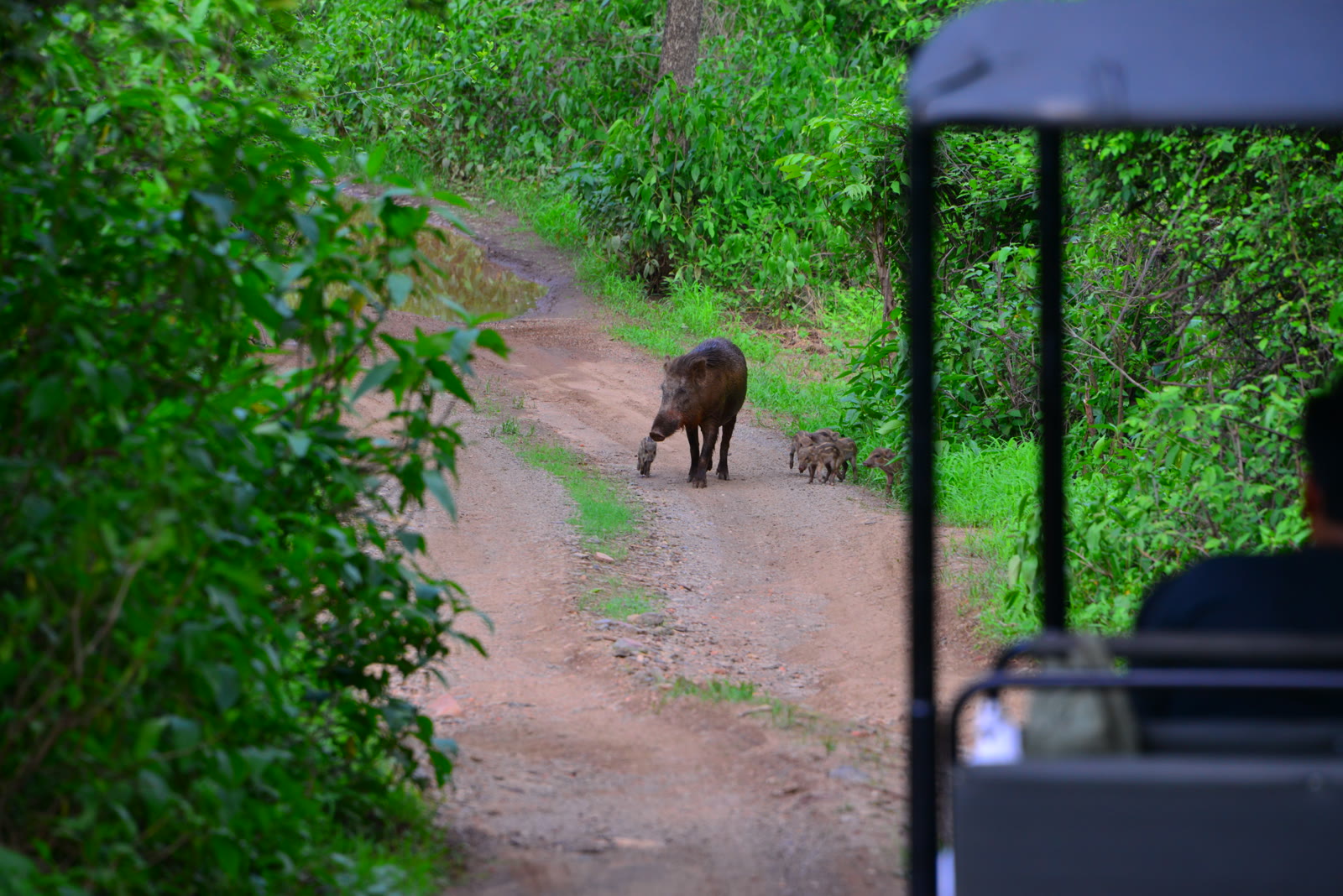
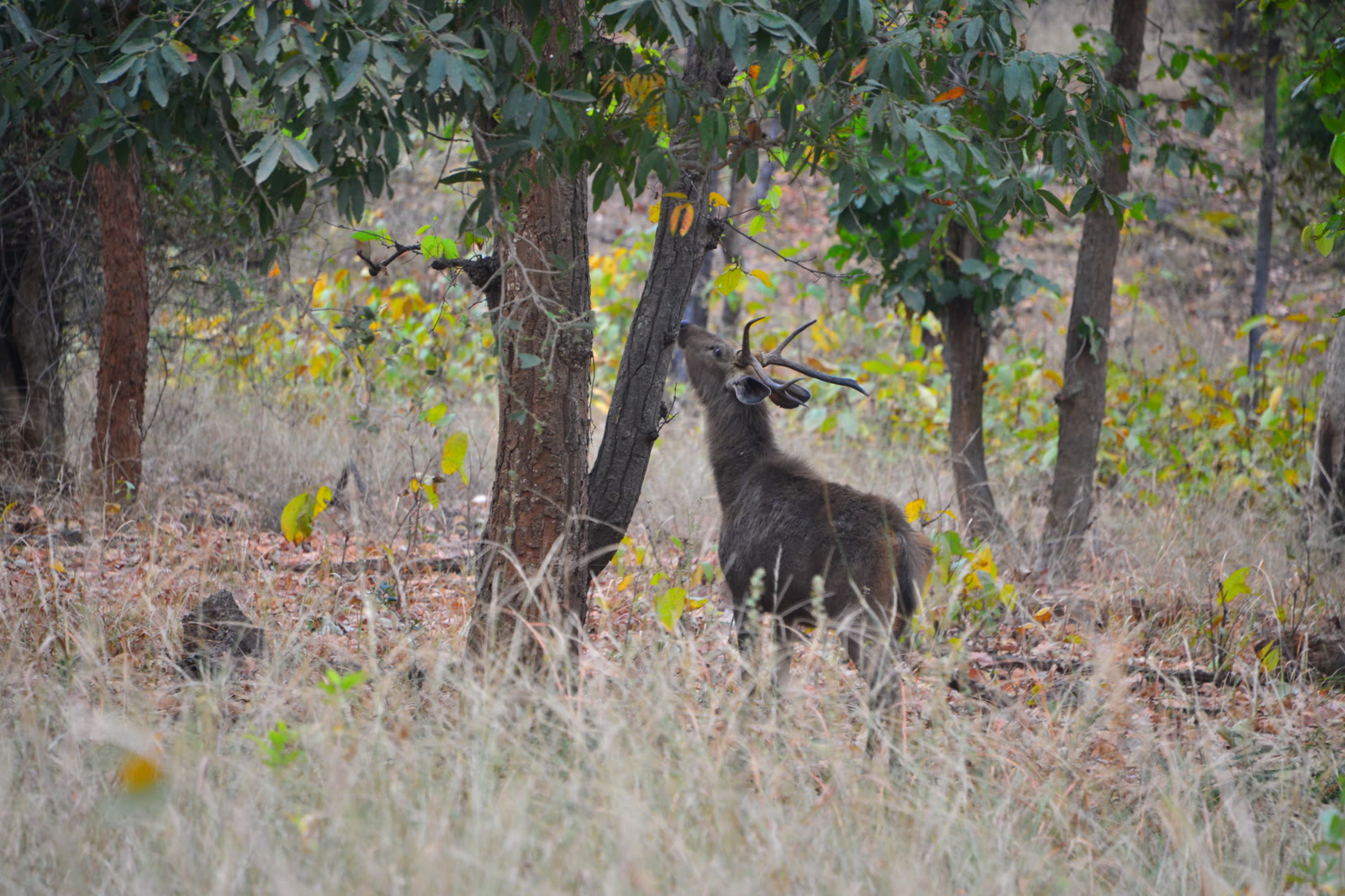
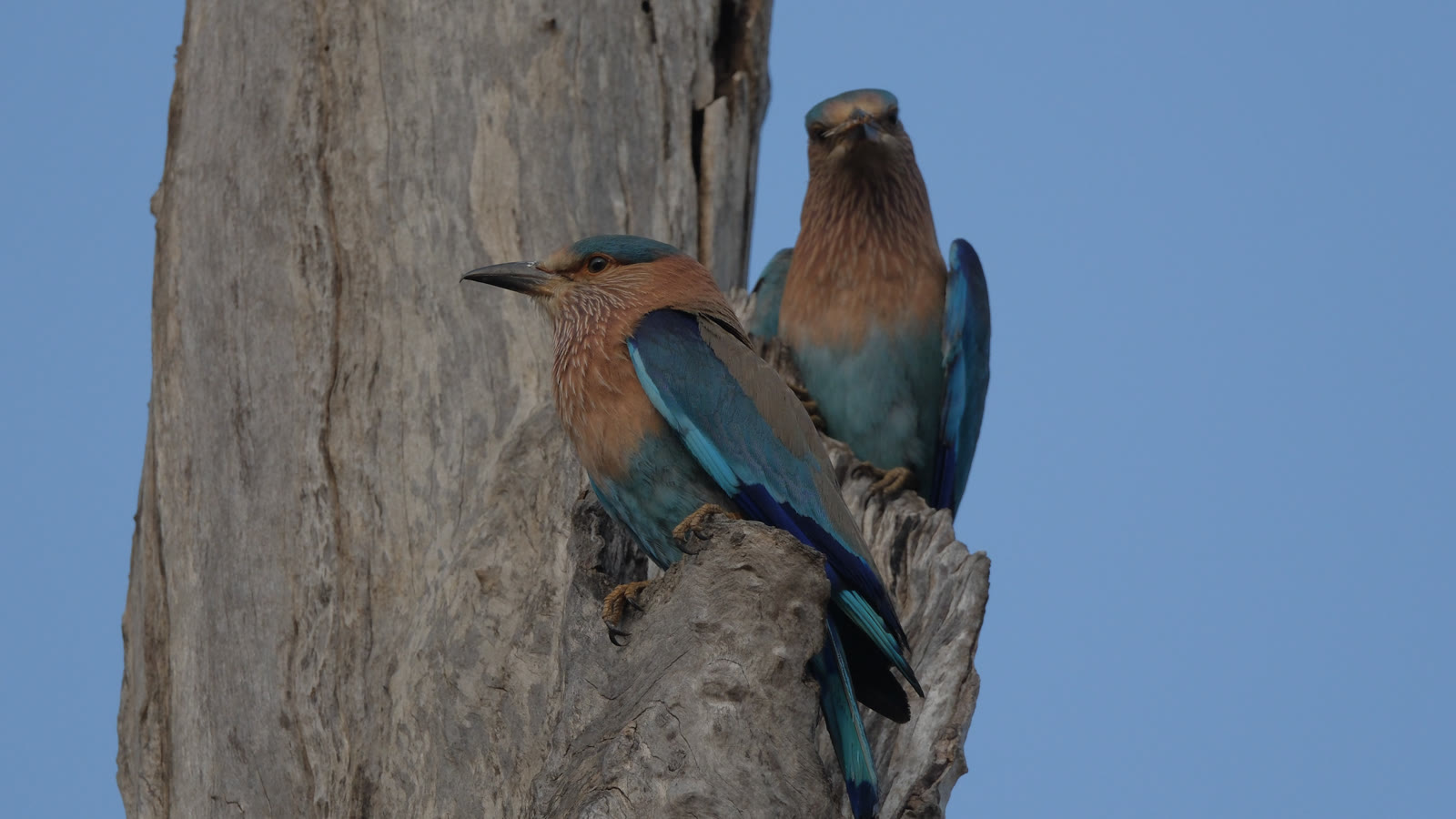
The lists below are representative and not complete.
Mammals
- Bengal tiger
- Asian elephant
- gaur
- sambar deer
- wild boar
- leopard
- sloth bear
- dhole (Asiatic wild dog)
- Nilgiri tahr
- lion-tailed macaque
- Nilgiri langur
- bonnet macaque
- smooth-coated otter
- Malabar giant squirrel
- Indian muntjac (barking deer)
- Indian chevrotain (mouse deer)
- flying squirrel.
Birds
- Great hornbill
- Malabar grey hornbill
- oriental darter
- osprey
- grey-headed fish eagle
- black baza
- Nilgiri wood pigeon
- white-bellied treepie
- Malabar trogon
- changeable hawk-eagle
- common kingfisher
- stork-billed kingfisher
- racket-tailed drongo
- Indian swiftlet
- painted bush quail.
Accessibility
Periyar is best reached via Madurai in Tamil Nadu or Kochi in Kerala, with a scenic Western Ghats drive completing the journey to Thekkady.
Train
| Station | Distance and road time | Why use it |
|---|---|---|
| Kottayam | ~110 km, about 3 hours | Nearest major broad-gauge station, well connected across Kerala |
| Madurai Junction | ~140 km, about 3.5 hours | Good alternative with strong Tamil Nadu and long-distance connections |
Air
| Airport | Distance and road time | Onward transport |
|---|---|---|
| Madurai Airport (IXM) | ~140 km, about 3.5-4 hours | Private transfer, closest airport with regular domestic flights |
| Cochin International Airport (COK) | ~190 km, about 4.5-5 hours | Private transfer, best international connectivity |
Both routes climb through Western Ghats hill roads, so journeys run longer than the raw distance suggests.
Road
Kochi to Thekkady: around 190 km, 4.5-5 hours via Kottayam and Kumily.
Madurai to Thekkady: around 140 km, 3.5-4 hours via Cumbum and Kumily, a direct hill route from Tamil Nadu.
Munnar to Thekkady: around 110 km, 4 hours, a popular link between Kerala's tea country and its wildlife circuit.
Inside the reserve, wildlife is experienced by authorised boat, on foot with a forest guide, or, on the Tiger Trail, by permitted trek and camp.
Accommodation
Lodges and resorts cluster in and around Thekkady and Kumily, just outside the reserve's boundary, with a smaller number of forest-run camps inside the buffer.
Luxury safari lodges
Thekkady's luxury properties are set within spice-plantation grounds, combining heritage-style architecture with lake or forest views, private naturalist programming and fine dining drawing on Kerala's spice country.
Forest rest houses and jungle camps
The reserve itself runs a handful of interior camps and rest houses tied to its trekking and rafting programmes, offering a simple, closer-to-the-forest stay for guests on multi-day treks.
Resorts and mid-range hotels
Kumily town holds a wide range of comfortable mid-range hotels and resorts, convenient for guests prioritising proximity to the lake and eco-tourism booking counter.
Budget stays
Simple guesthouses and homestays are plentiful around Kumily, popular with independent travellers combining Periyar with Kerala's wider hill-station circuit.
Choosing well
- Gate proximity: Lodges close to Thekkady town cut transfer time to the boat jetty and trek starting points.
- Dining: Spice-plantation properties often build menus around Kerala's cardamom, pepper and cinnamon estates.
- Guiding: Lodges with their own resident naturalists add real depth to the reserve's trek-based experiences.
- Families: Plantation-set resorts with pools and gardens suit families pairing the boat safari with gentler activities.
India Tiger Safari's bespoke private itineraries pair each zone/gate with a curated lodge.
People Also Visit
Periyar sits at the southern end of the Western Ghats wildlife corridor, making it a natural pairing with reserves further north along the same mountain chain.
Nagarhole National Park
Nagarhole, in Karnataka, is Periyar's natural counterpart on a longer South India safari circuit, reached by scenic hill roads through Munnar and Wayanad. Where Periyar centres on boat safaris and forest treks around its lake, Nagarhole offers classic jeep safaris across deciduous forest and its own Kabini backwaters, with some of India's highest tiger density and large, visible elephant herds.
Gir National Park
For travellers assembling a wider Indian wildlife itinerary, Gir National Park in Gujarat offers a distinct experience on a separate Western India journey - the world's only wild population of Asiatic lions, quite unlike Periyar's evergreen, elephant-and-tiger landscape.
Periyar National Park FAQs
What is the best time to visit Periyar National Park?
October to March is best, with December to April offering the strongest lakeside sightings as water levels drop and animals gather at the shore.
How many days should I spend in Periyar?
Two nights is a good baseline, enough for a boat safari and one or two guided treks or rafting sessions.
Can I see tigers in Periyar?
Tigers are present and their numbers have grown steadily, but Periyar's dense evergreen forest makes sightings rarer than at more open reserves; they are never guaranteed.
Which activity is best for a first visit?
The Periyar Lake boat safari is the natural starting point, offering the reserve's most reliable elephant and waterbird sightings.
How do Periyar safari arrangements work?
India Tiger Safari handles the permits, boats, treks and naturalist guides for private guests, building a bespoke Periyar itinerary around the activities and lodges that suit each traveller.
What other wildlife can I expect to see besides tigers?
Elephant herds, gaur, sambar, Nilgiri tahr, lion-tailed macaque and rich birdlife are all regular sightings across Periyar's lake and forest trails.
How do I reach Periyar National Park?
Most guests fly into Madurai or Kochi and continue by road through the Western Ghats; Madurai is roughly 3.5-4 hours away, Kochi around 4.5-5.
Is Periyar suitable for families with children?
Yes, particularly the lake boat safari, which is gentle, scenic and well suited to younger visitors, alongside plantation resorts with pools and gardens.
What should I wear on a Periyar safari?
Neutral, muted colours, layers for cool hill mornings, sturdy closed shoes for treks, and light rain protection given the reserve's higher rainfall.
Is a private boat or guide available in Periyar?
Yes. India Tiger Safari arranges a private boat or guide and naturalist as part of its bespoke Periyar journeys.