Jawai Leopard Reserve: Leopard Safari Guide
Leopards on granite hills, Rabari coexistence, Jawai Dam birding
About Jawai Leopard Reserve
Jawai Leopard Reserve, formally the Jawai Bandh Leopard Conservation Reserve, lies in Pali district in south-western Rajasthan, in the Sumerpur area near the village of Bera. It is a conservation reserve rather than a national park or tiger reserve, a category that protects a landscape shared with local communities. The reserve was first notified in February 2010 and covered about 19.8 km²; a second, larger area of about 62 km² was added in 2018, bringing the protected hills to roughly 82 km².
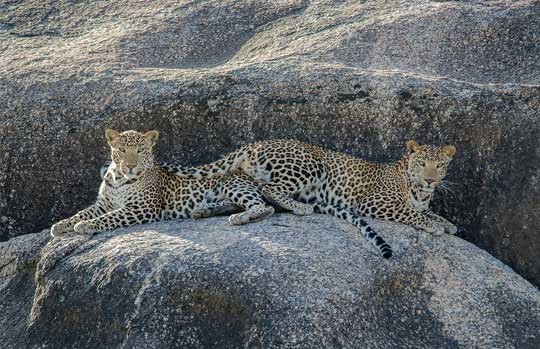
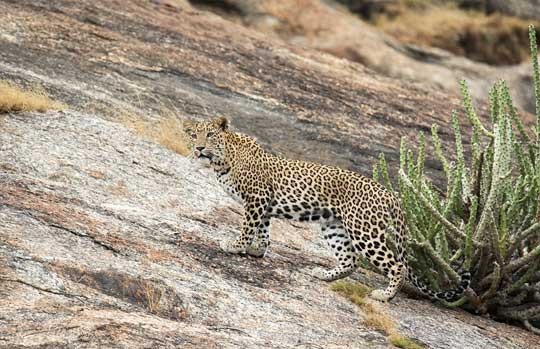
The setting is unlike any other big-cat destination in India. Great domes and outcrops of ancient granite rise from a flat plain of dry scrub and farmland, riddled with caves, ledges and boulder-strewn slopes where leopards make their dens. Beyond the hills lies Jawai Dam, built in 1956–57 across the Jawai river, the largest reservoir in western Rajasthan, whose shores draw birds and marsh crocodiles.
What makes Jawai distinctive is coexistence. The Rabari, a pastoral community, have herded livestock among the hills for generations, and they regard the leopard as a guardian associated with their local deity. That tolerance is why leopards here live openly on rocks and ridges, often in view of villages, and why sightings feel so natural. Small cave shrines and temples sit among the boulders.
Jawai is best known for its leopards, but the landscape offers much else. Striped hyaenas and sloth bears also live in the hills, and the dam holds flamingos, pelicans, cranes and raptors.
The experience is quieter and more intimate than a busy national park, with no crowds and long, unhurried drives through rock, scrub and village lands.
What to expect: morning and late-afternoon jeep drives with a naturalist through granite hills and village lands, often lingering for a long time with a single leopard on a rock. Sightings, while never promised, are a real strength of Jawai, and the cultural side, with Rabari villages, dam-side birding and temples, adds depth to every day.
Facts About Jawai Leopard Reserve
| Information | Details |
|---|---|
| Location | Sumerpur area, Pali district, near Bera |
| State | Rajasthan |
| Established | Notified 23 February 2010; second reserve added in 2018 |
| Area | About 19.8 km² (first reserve) plus about 62 km² (second), roughly 82 km² in all |
| Protected Area Type | Leopard conservation reserve (not a national park or tiger reserve) |
| Functional Days | Drives run daily, morning and late afternoon |
| Annual Closure | No formal seasonal closure |
| Weekly Offs | None |
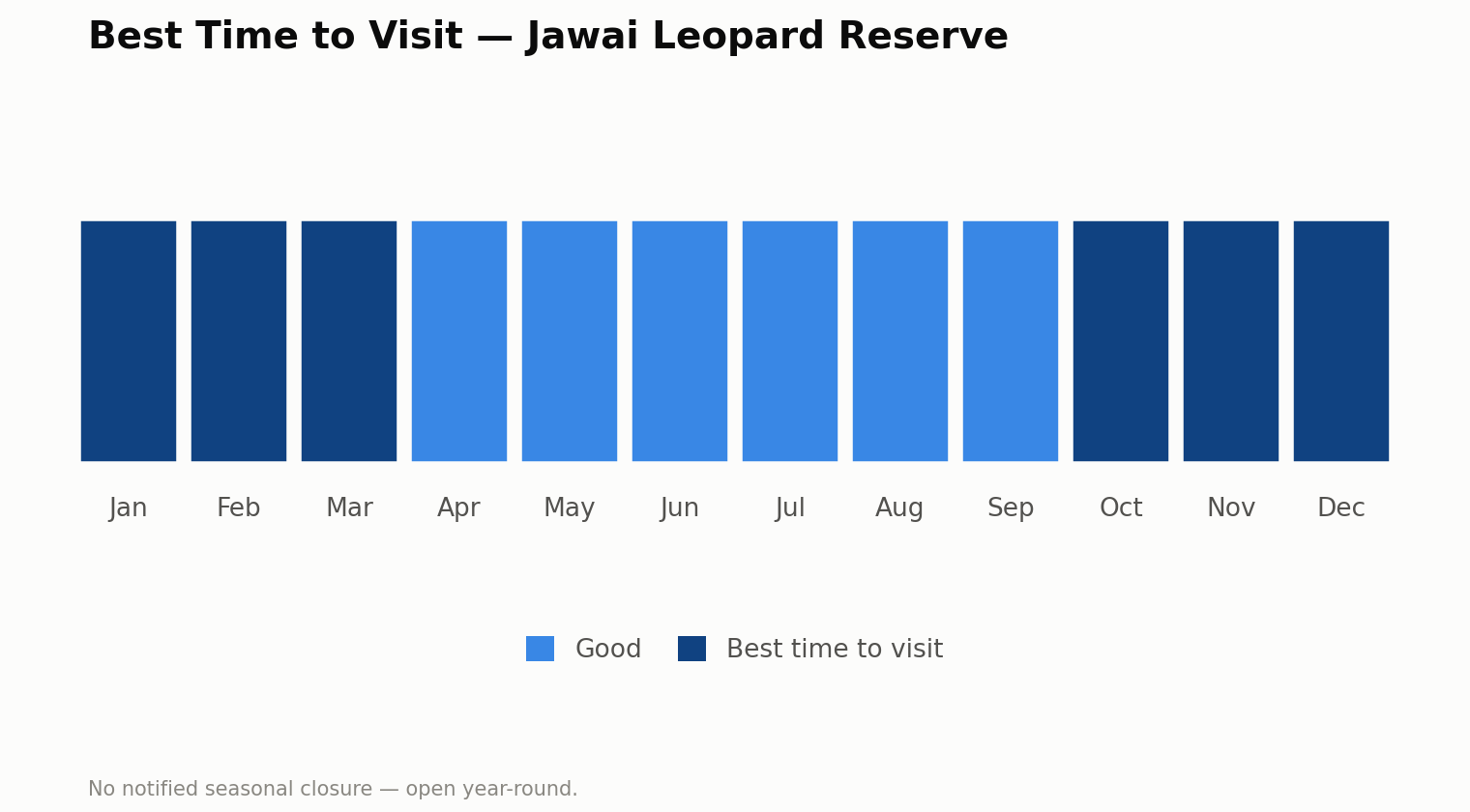
| Best Time to Visit | October to March |
| Recommended Safari Duration | Two nights with three to four drives |
| Vegetation | Dry thorn scrub, dry deciduous woodland, granite outcrops, dam-side wetland |
| Elevation | Low granite hills rising above the Jawai plain |
| Major Wildlife | Leopard, striped hyaena, sloth bear, marsh crocodile, migratory birds |
| Famous For | Leopards on granite hills, Rabari coexistence, Jawai Dam birding |
Functional days. Drives run at dawn and in the late afternoon, when leopards are most active and the light is at its best.
Yearly off. There is no formal closure. Winter is the most comfortable season, while the monsoon brings a green landscape and full dam and summer heat pushes leopards to shaded rock.
Weekly offs and rules. Drives run every day, led by naturalists who know the hills and the leopards' habits. Keeping a respectful distance and staying quiet are the rules that keep the experience calm.
Major Species
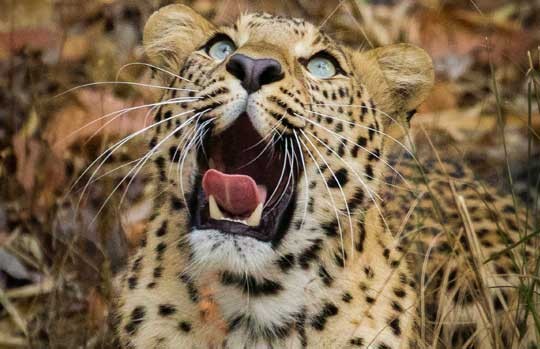
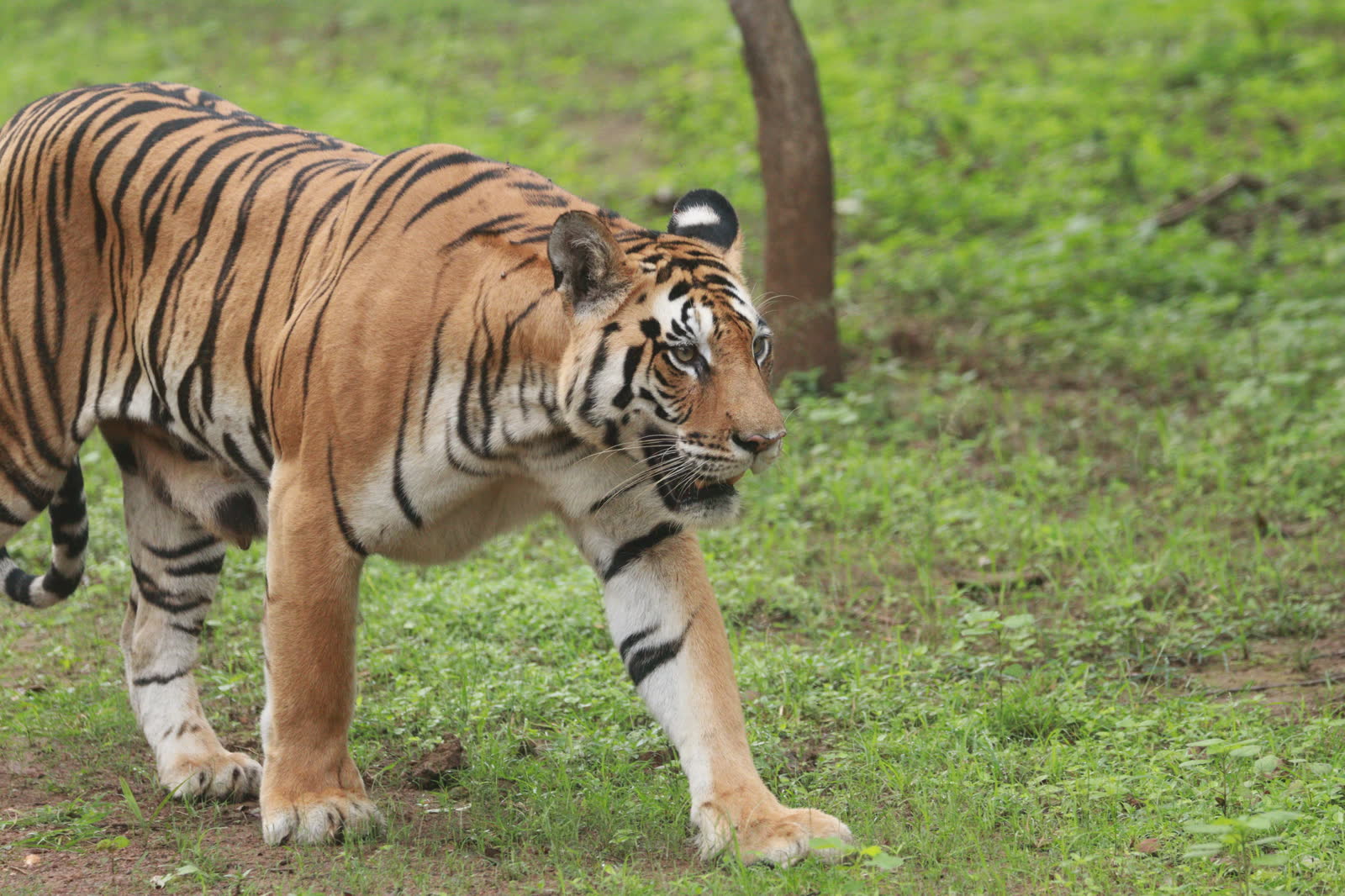
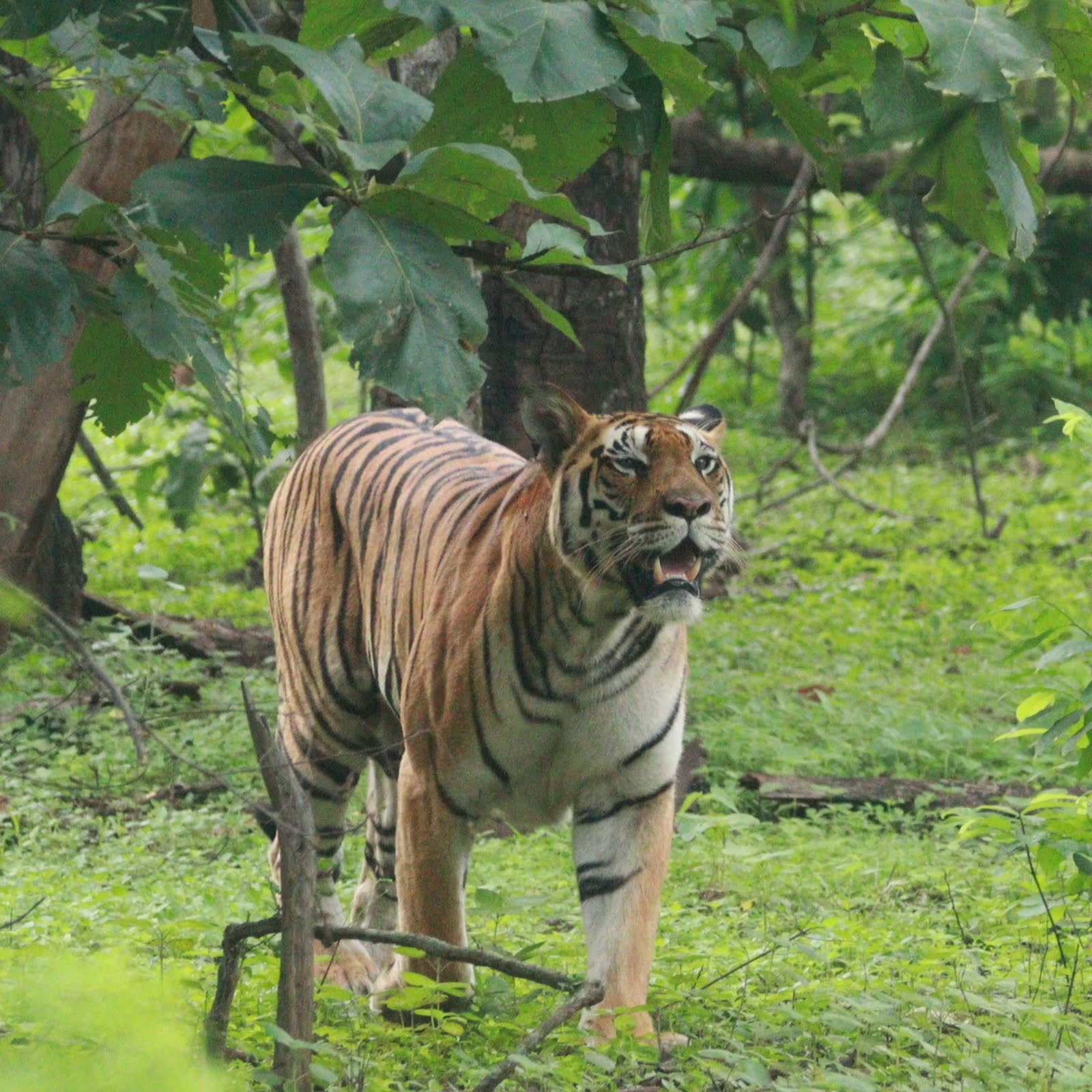
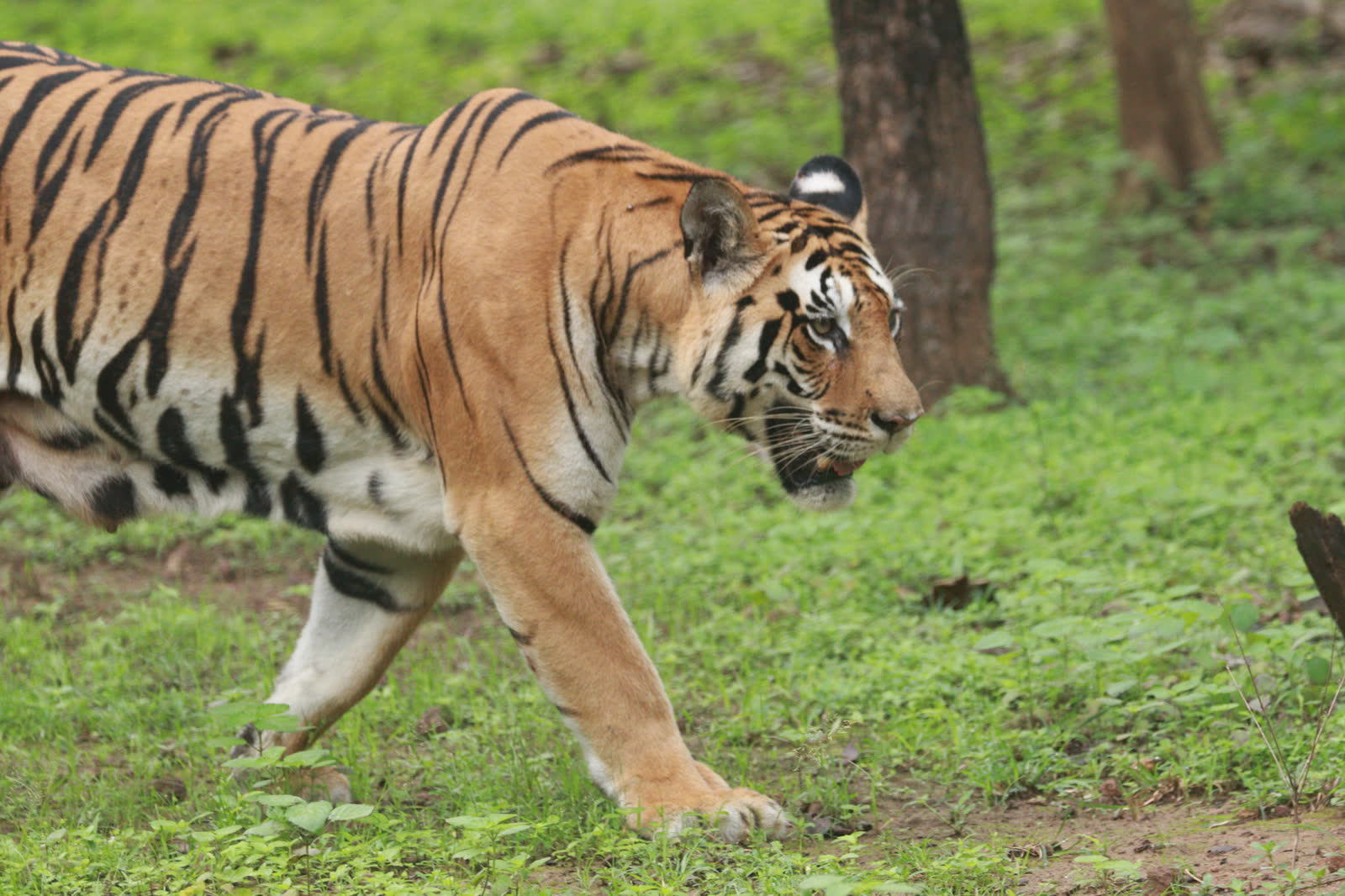
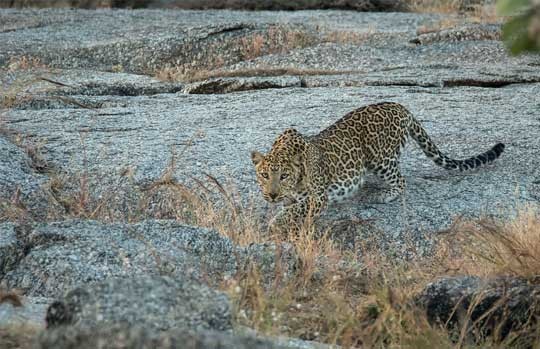
Jawai has no tigers. Its star is the Indian leopard, and it is widely regarded as one of the finest places in India to see wild leopards in open, rocky terrain. Leopards live on and among the granite outcrops, using caves and ledges as dens, and are often seen resting on rocks at dawn and dusk.
| Milestone | Detail |
|---|---|
| 2010 | First leopard conservation reserve notified, about 19.8 km² |
| 2018 | Second reserve added, about 62 km² |
| Today | Roughly 82 km² of protected hills shared with local communities |
The conservation success here rests on people as much as on law. The Rabari herders have lived alongside leopards for generations, and their tolerance has allowed a healthy cat population to thrive close to villages. The enlargement of the protected area in 2018 extended that safety to more hills.
Leopard sightings are frequent, and drives often spend long periods with a single animal on a rock, unbothered by the vehicle. As with every wild cat, a sighting can never be promised, but the open terrain and the cats' habits make Jawai one of the most rewarding places for it.
Other species
- Striped hyaena: Present in the hills, seen occasionally at dusk.
- Sloth bear: Present and rarely seen.
- Golden jackal and Indian fox: Regular sights at dawn and evening.
- Nilgai and Indian hare: Seen on the plains and scrub.
- Marsh crocodile: A dependable sight basking on rocks along Jawai Dam.
- Birds: Jawai Dam draws flamingos, pelicans, sarus cranes, bar-headed geese and ruddy shelduck in the cooler months, along with raptors and owls in the hills.
Safari Zones in Jawai Leopard Reserve
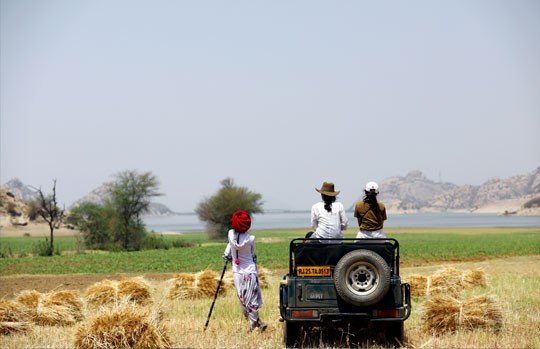
Jawai does not follow the gate-and-zone model of a national park. Safaris explore the granite hills and village lands around Bera and Sena, led by naturalists who know where the leopards rest, and a drive is planned around the light and the day's movements. No area can promise a sighting.
| Area | Base | Character |
|---|---|---|
| Bera | Bera village | The main hub, with granite hills and leopard rocks close at hand |
| Sena | Sena village | Quieter hills and village lands, favoured by boutique camps |
| Jawai Dam | Bera and Sumerpur | Wetland with crocodiles and migratory birds |
Bera
Bera is the heart of Jawai leopard country. Massive granite domes surround the village, and leopards are often seen on the boulders at first and last light. It is the most established base for safaris, with a good choice of lodges and camps.
Sena
Sena lies among quieter hills and traditional villages, and offers an equally rewarding landscape with fewer vehicles. It suits travellers who prefer a slower, more private rhythm.
Jawai Dam
Jawai Dam, built across the Jawai river in 1956–57, is the region's main water body. Its shores draw flamingos, pelicans, cranes and other birds in winter, and crocodiles bask on the rocks. Boat and shoreline visits complement the leopard drives.
Vehicles and rules
Open jeeps carry small groups with a naturalist, usually at dawn and in the late afternoon. Keeping a respectful distance and staying quiet lets the leopards carry on undisturbed. India Tiger Safari would be delighted to design your fully private Jawai safari: a bespoke journey through the hills that suit you best, with curated stays, a private jeep and a naturalist guide devoted to your party.
Mammals and Birds
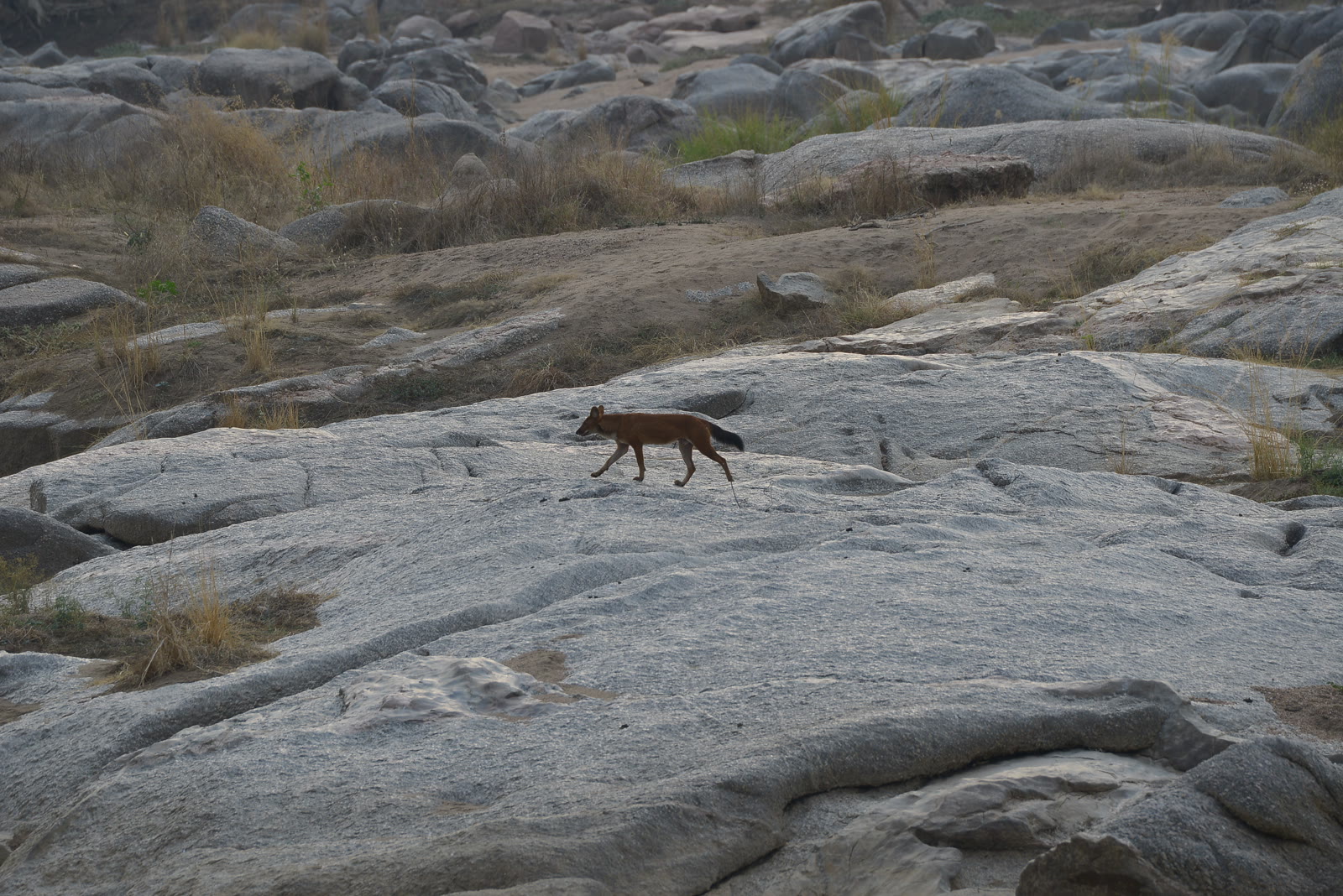
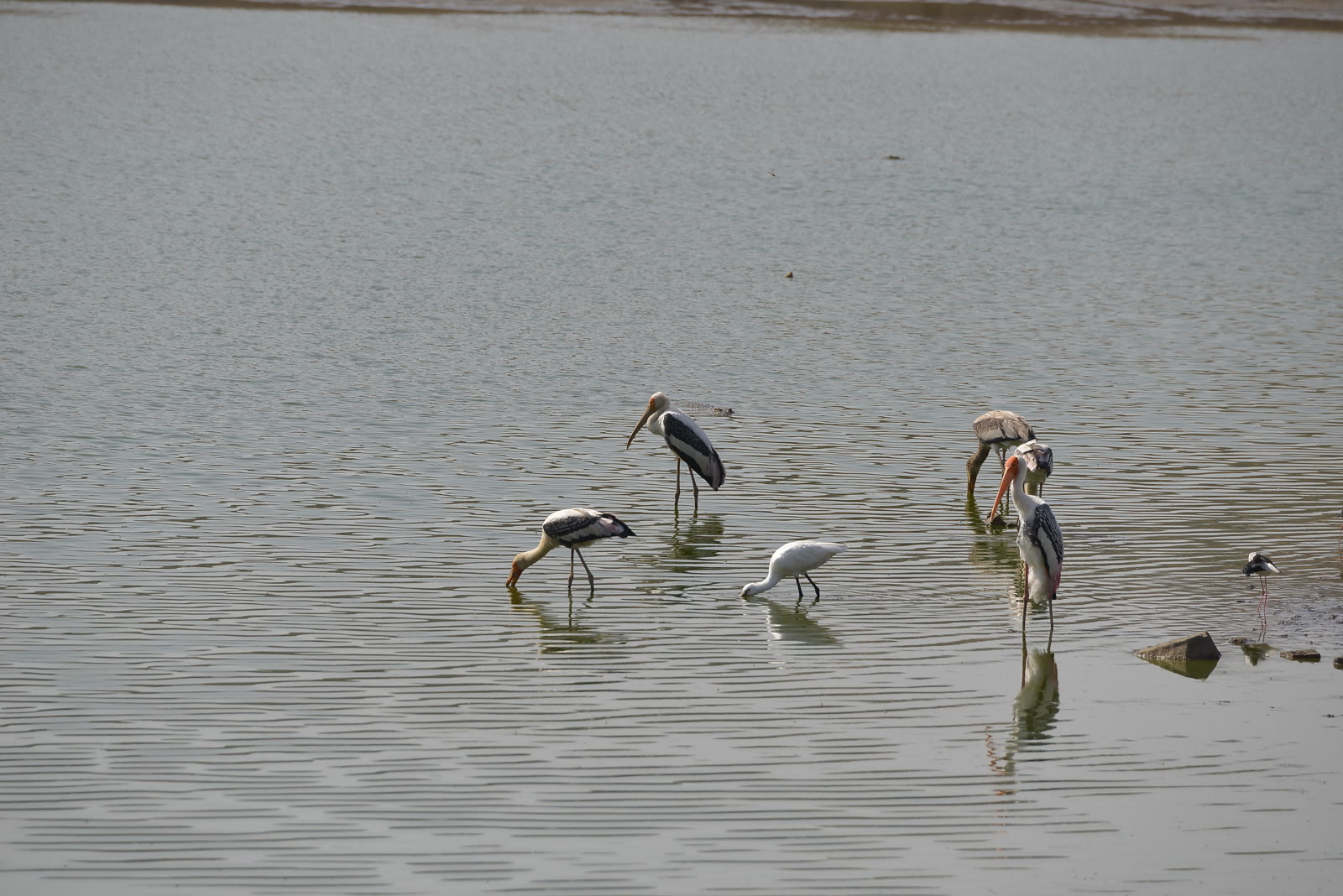
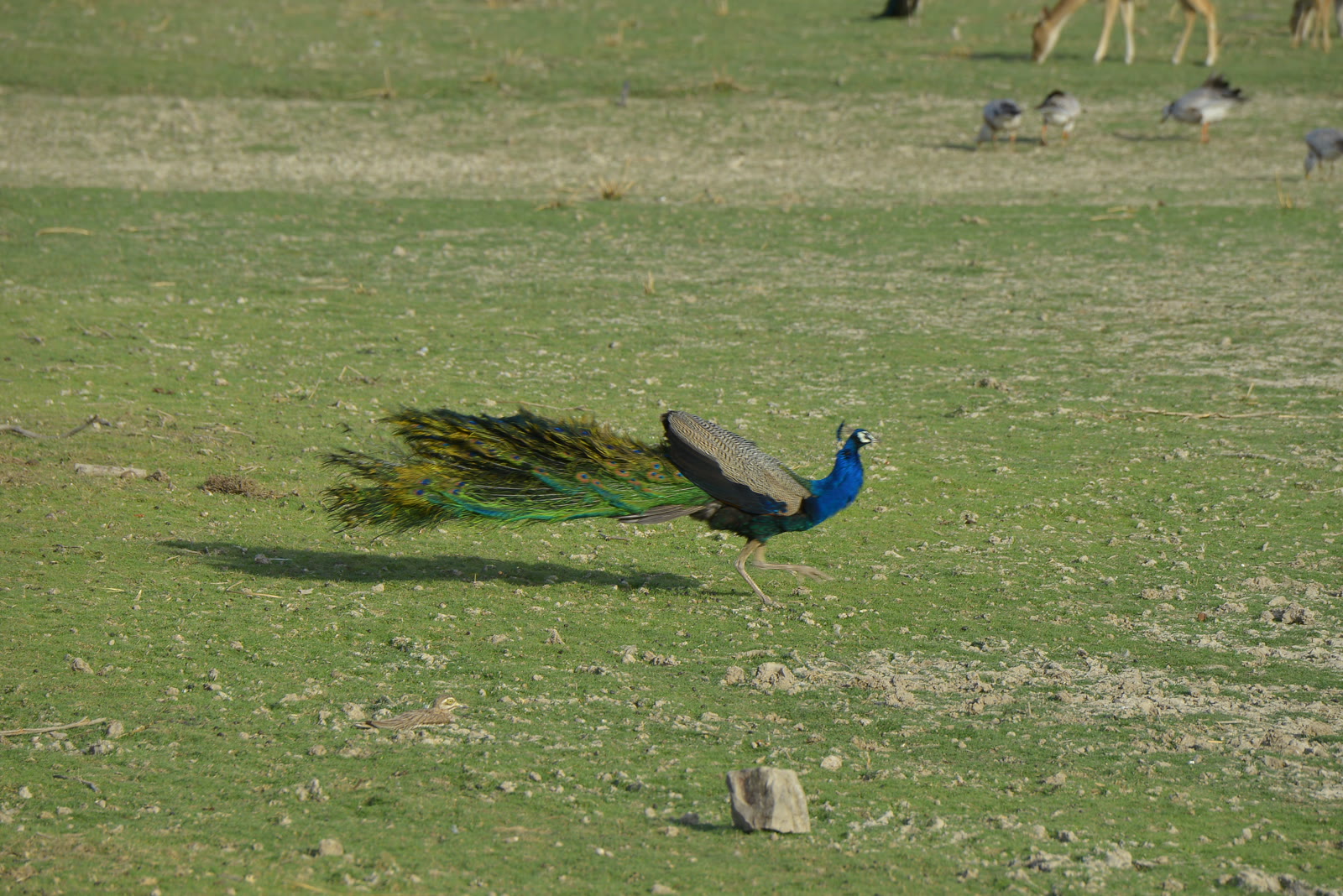
The lists below are representative and not complete.
Mammals
- Indian Leopard
- Striped Hyaena
- Sloth Bear
- Golden Jackal
- Indian Fox
- Jungle Cat
- Nilgai
- Indian Hare
- Indian Porcupine
Birds
- Greater Flamingo
- Pelican
- Sarus Crane
- Bar-headed Goose
- Ruddy Shelduck
- Painted Stork
- Indian Eagle-Owl
- Egyptian Vulture
- Indian Peafowl
Accessibility
Jawai sits roughly midway between Udaipur and Jodhpur, and the drive from either passes through the Aravalli foothills and rural Rajasthan. Distances and times are approximate.
Train
| Station | Distance and road time to Bera | Why use it |
|---|---|---|
| Falna | About 30–35 km; roughly 45 minutes | The nearest major station, on the Delhi–Ahmedabad line, with direct trains from Delhi, Jaipur, Ahmedabad and Mumbai |
| Jawai Bandh | About 15–20 km; roughly 30 minutes | A smaller station closer to the hills, useful on the Ahmedabad–Ajmer line |
Air
| Airport | Distance and road time | Onward transport |
|---|---|---|
| Udaipur (UDR) | About 130–150 km; three to three and a half hours | Private transfer, often via Ranakpur |
| Jodhpur (JDH) | About 165–170 km; three to three and a half hours | Private transfer via Pali |
Both airports have regular flights from Delhi and Mumbai, and Udaipur is the more scenic approach.
Road
Udaipur (about 150 km, three to three and a half hours). A beautiful drive that can include the Jain temples of Ranakpur on the way.
Jodhpur (about 165–170 km, three to three and a half hours). A straightforward drive south through Pali, ideal for those arriving on a Rajasthan circuit.
Jaipur (about 390–400 km, six to seven hours). A long road journey, better broken with a night in Udaipur or Jodhpur or replaced by a flight.
Safari vehicles collect guests from their lodge, and a naturalist accompanies each drive.
Accommodation
Stays around Jawai are among the most atmospheric in Rajasthan, with camps and lodges set directly among the granite hills. This guide describes the character of each option rather than ranking properties.
Luxury safari camps and lodges
The finest properties offer spacious tents or stone cottages with private terraces, pools and fine dining, often looking straight onto leopard rocks. Leopards can be seen from the property at times, and mornings begin with a short drive into the hills. This is the natural choice for couples and small private groups.
Boutique and village stays
Smaller lodges and village-style stays in Bera and Sena offer a warm, personal welcome, with local food and the chance to meet Rabari families. They suit travellers who want a cultural thread through the trip.
Resorts and mid-range hotels
A handful of resorts and guesthouses in Bera and Sumerpur offer comfortable rooms and gardens for families and groups.
Budget stays
Simple guesthouses in Bera and Falna offer good-value rooms for shorter stays.
Choosing well
- Proximity: Stay in Bera or Sena to be close to the leopard hills.
- Dining: Camps and lodges serve Rajasthani and international menus with packed breakfasts for early drives.
- Guiding: Lodge naturalists lead most drives and know the hills closely.
- Families: Camps with pools and gardens suit children, and quiet drives with a naturalist are gentle for all ages.
India Tiger Safari's bespoke private itineraries pair each area with a curated camp.
People Also Visit
Jawai fits neatly into a Rajasthan circuit, and its leopards pair well with parks known for other big cats.
Ranthambore National Park
Ranthambore is the natural partner for a tiger-and-leopard Rajasthan journey. Its lakes, fort ruins and dry deciduous forest are the setting for tigers, in contrast to Jawai's granite hills and leopards. The transfer is long and is usually broken with a night in Jaipur or Udaipur.
Sariska National Park
Sariska is another Aravalli park where leopards are a strength, and it lies conveniently near Jaipur. Its tigers, reintroduced from Ranthambore, add to the mix, and it works well as a shorter stop before or after Jawai on the Delhi–Jaipur side.
Gir National Park
Gir in Gujarat is home to the Asiatic lion, and it can be reached from Jawai via Ahmedabad. The pairing gives a memorable contrast between two very different big cats, leopards among granite hills and lions in dry deciduous forest, on one western India circuit.
Jawai Leopard Reserve FAQs
What is the best time to visit Jawai Leopard Reserve?
October to March is the most comfortable, with pleasant days and cool mornings. December and January are cold but bring migratory birds to Jawai Dam and long, clear views of the hills. The monsoon turns the landscape green, and summer is hot, with leopards resting in the shade of the rocks.
How many days do you need in Jawai?
Two nights is ideal, giving three to four drives at dawn and dusk when leopards are most active. That leaves time for the Rabari villages, the dam and the temples in the hills. India Tiger Safari's bespoke itineraries match nights and drives to your dates.
Can you see leopards in Jawai?
Leopard sightings are frequent at Jawai, and drives often spend long periods with a single animal resting on a rock. Wildlife is unpredictable, so no sighting can be promised, but open granite terrain and the cats' habits make it one of India's most rewarding places for leopards.
Is Jawai a national park?
No. Jawai is a conservation reserve, formally the Jawai Bandh Leopard Conservation Reserve, and it protects a landscape shared with local Rabari herders. It has no tigers and no gate-and-zone system. Drives explore the granite hills and village lands with a naturalist, usually at dawn and in the late afternoon.
How do Jawai safari arrangements work?
Drives are led by lodge naturalists in open jeeps, at dawn and in the late afternoon. India Tiger Safari handles lodges, vehicles and naturalists for its private guests, so you can concentrate on the landscape and the leopards.
What animals can you see in Jawai?
Leopards are the headline, with striped hyaena, sloth bear, golden jackal and Indian fox also present. Marsh crocodiles bask along Jawai Dam, and the water attracts flamingos, pelicans, sarus cranes, bar-headed geese and ruddy shelduck. Raptors and owls patrol the hills.
How do you reach Jawai Leopard Reserve?
Falna station, about 30 to 35 km from Bera, is the nearest major railhead. Udaipur airport is about 130 to 150 km away, and Jodhpur airport about 165 to 170 km, each around three to three and a half hours by road. A private transfer to your camp is the easiest way to travel.
Is Jawai suitable for families?
Yes. Drives are gentle and short, with a naturalist, and children often love the sight of a leopard on a rock. Camps with pools and gardens suit young guests, and the Rabari villages, dam and temples give cultural interest between drives. A private jeep lets families set a calm pace.
What should you wear on a Jawai safari?
Choose muted greens, browns and khaki, with layers, since winter mornings in an open jeep are cold. In summer, bring a hat, sunscreen and light long sleeves. Wear closed shoes with grip for rocky ground, and carry binoculars for birds at the dam.
Is a private jeep available in Jawai?
Yes. Drives are led in open jeeps for small parties, so a private group can have the vehicle and naturalist to itself. India Tiger Safari arranges a private jeep and a naturalist guide devoted to your party as part of its bespoke journeys.