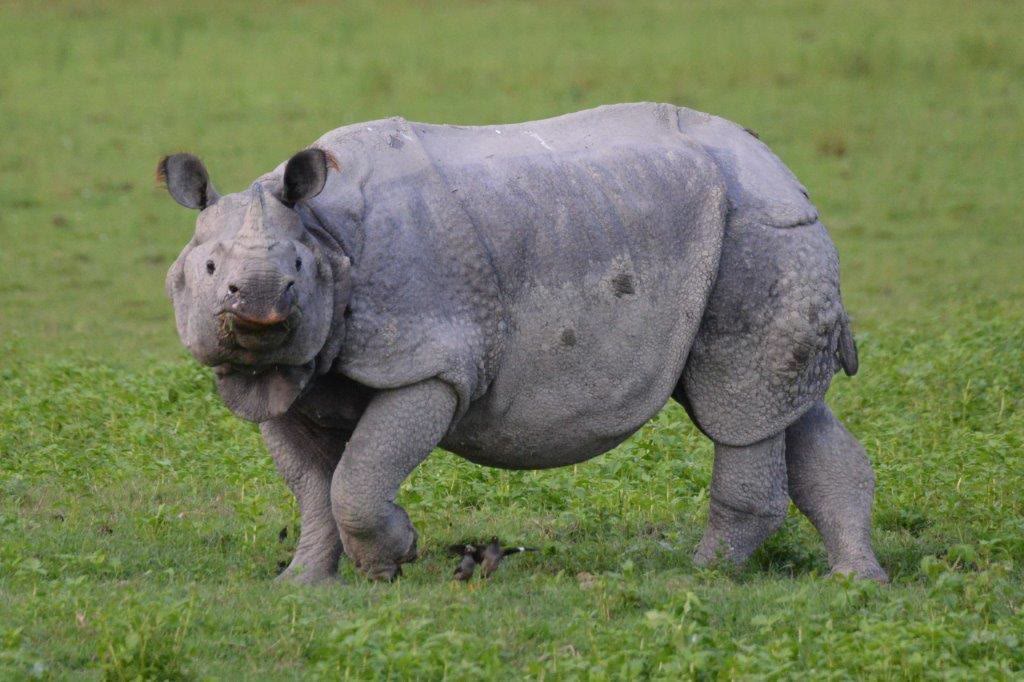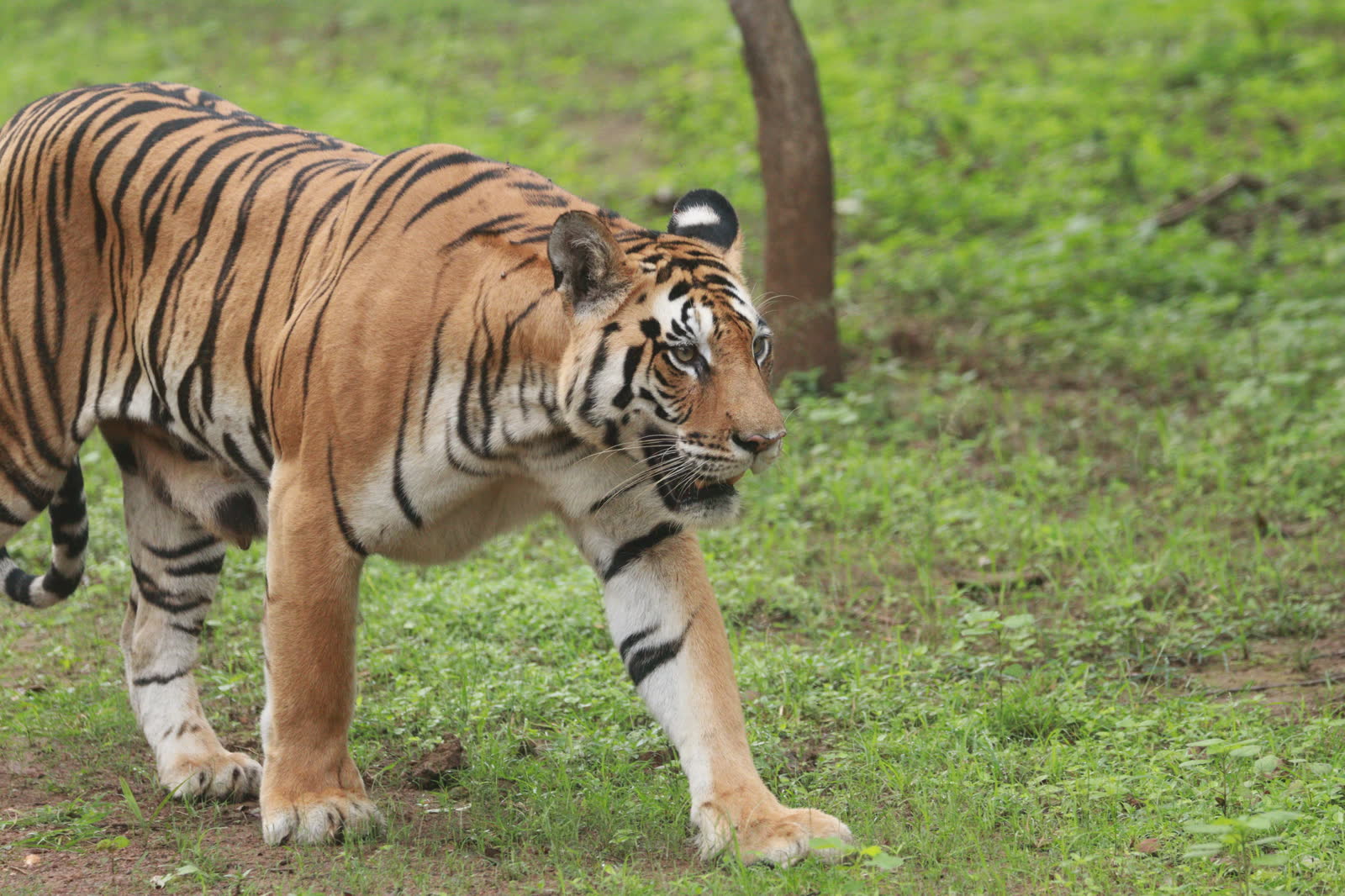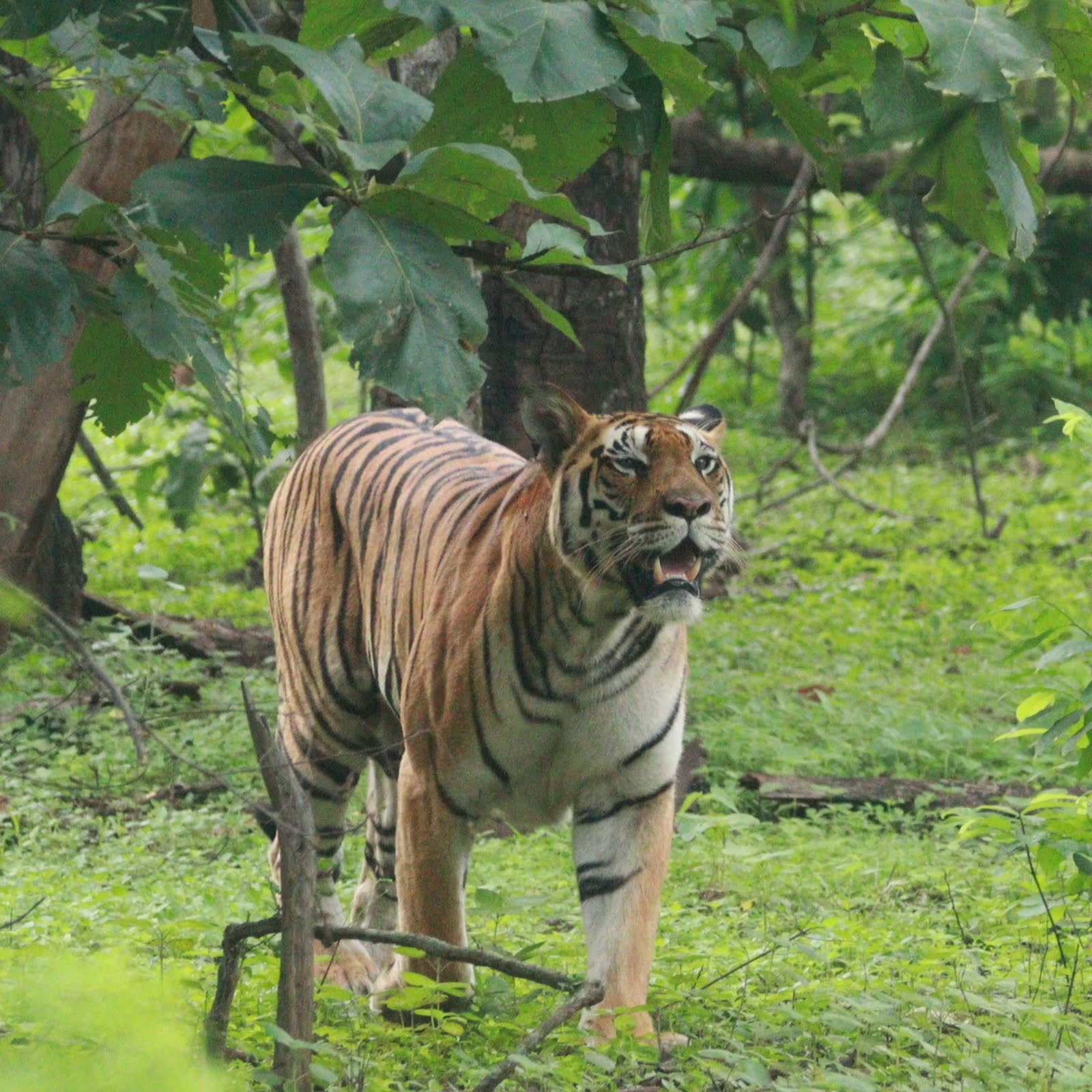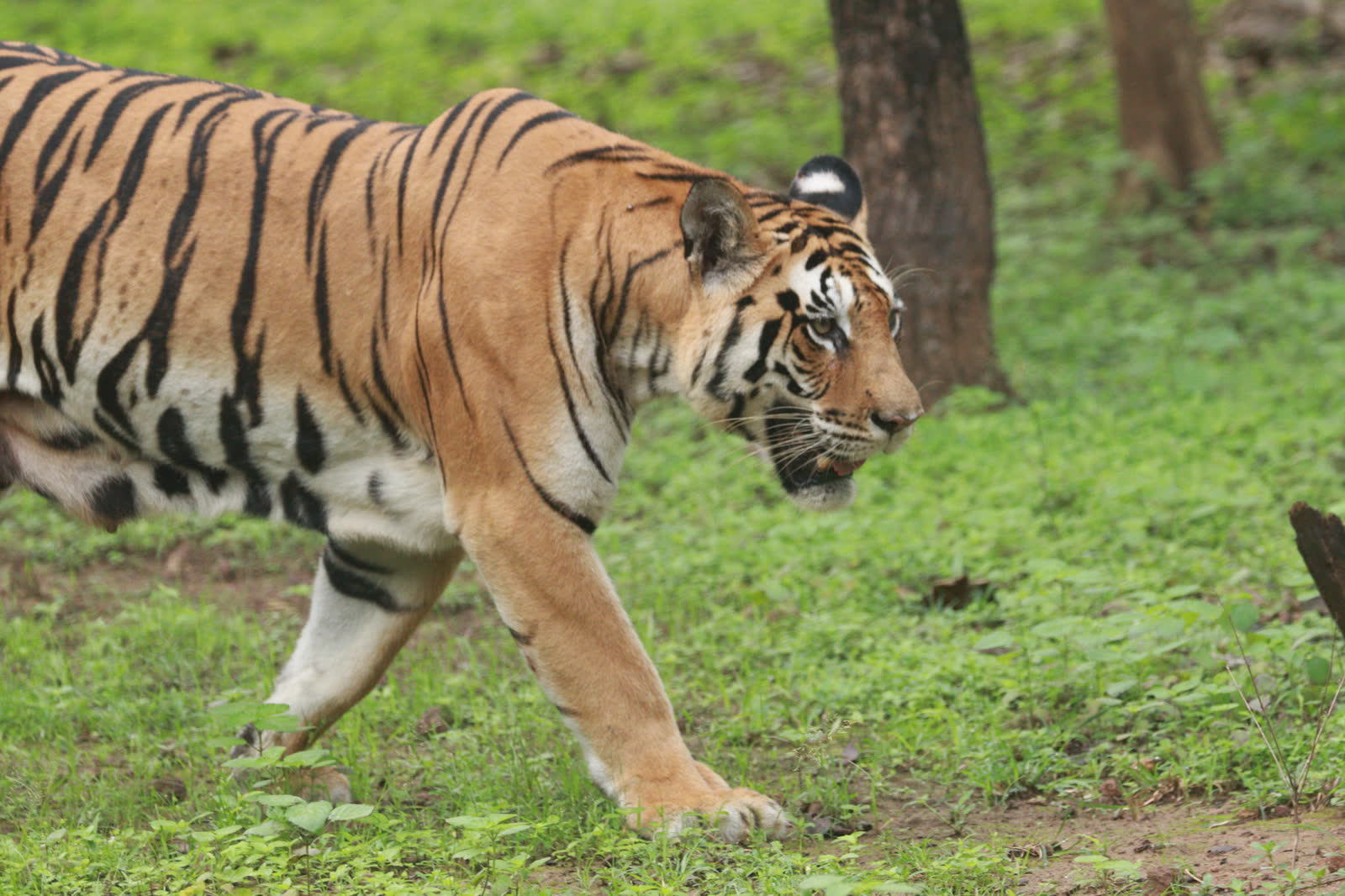
Kanha National Park: Safari Guide
Hard-ground barasingha, the Jungle Book landscape, and sal-and-meadow scenery
About Kanha National Park
Kanha National Park lies in the Mandla and Balaghat districts of eastern Madhya Pradesh, in the Maikal hills of central India. Often called Kanha–Kisli, it is the largest national park in the state, with a core of about 940 km² that forms the heart of Kanha Tiger Reserve. Around it lie a buffer of about 1,067 km² and the neighbouring Phen Wildlife Sanctuary of about 110 km².
The area was first protected as a sanctuary in 1933 and became a national park in 1955. It was made a tiger reserve in 1973, one of the first nine reserves in Project Tiger. The distinction for visitors is straightforward: the national park is the core of the reserve, while the buffer and the Phen sanctuary give a broader protected landscape with their own routes.
The landscape is defined by its valleys and meadows. The Banjar and Halon valleys are carpeted with lowland sal forest, mixed woodland and open grassy clearings known as maidans, and bamboo and dry deciduous forest cover the higher slopes. Streams and waterholes thread the valleys, and tall old sal trees frame the tracks, giving Kanha a lush, storybook quality.
The landscape is also famous for its association with Rudyard Kipling's The Jungle Book, and Kanha's forests, meadows and gorges are widely believed to have shaped Mowgli's world. It is also the birthplace of one of India's great conservation success stories, the recovery of the hard-ground barasingha, and the first tiger reserve in India to adopt an official mascot, Bhoorsingh the barasingha.
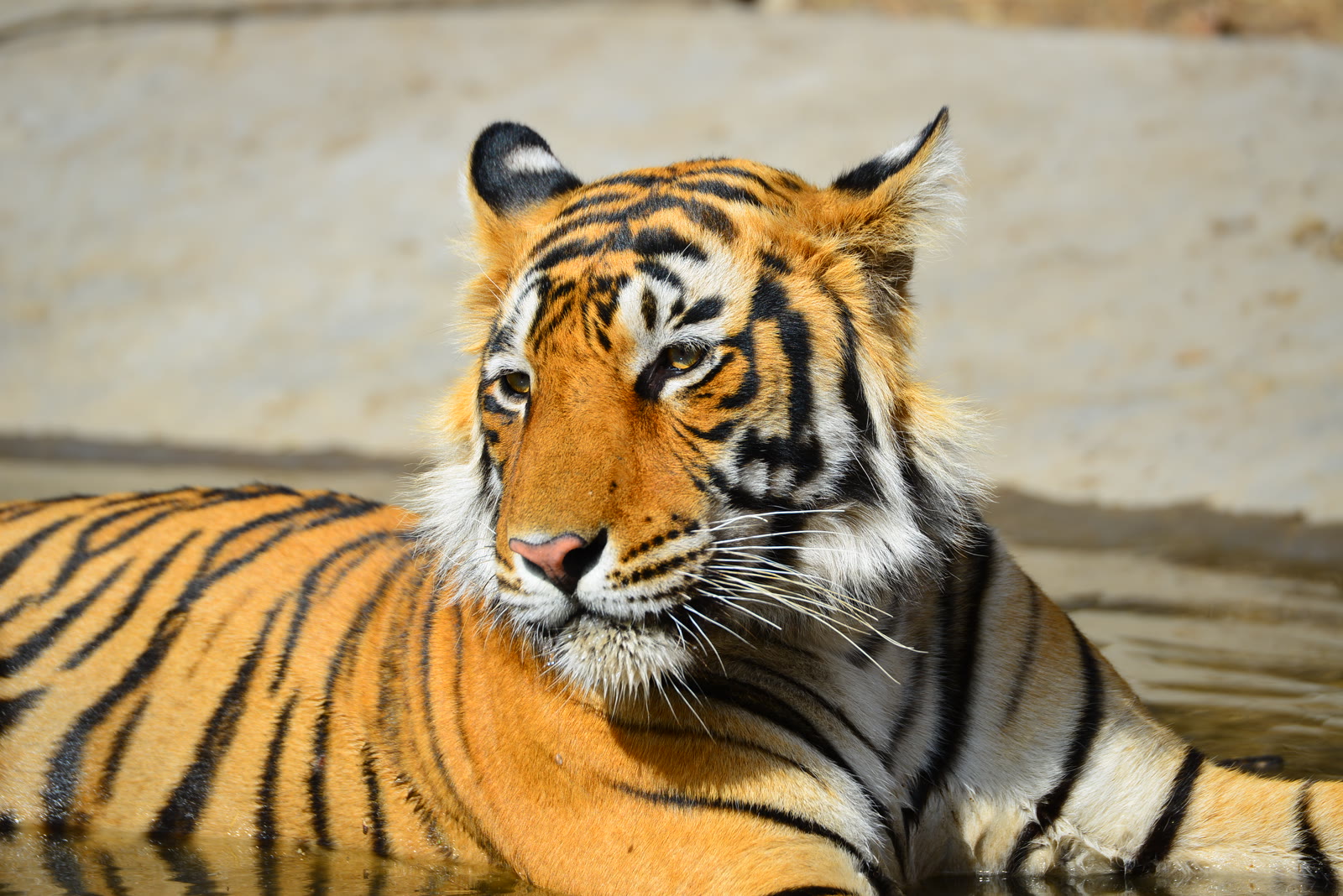
Beyond its tigers, Kanha is a park of variety. Gaur graze on the meadows, dhole hunt in packs, sloth bears forage among the mahua trees, and around 300 bird species include Indian paradise flycatcher, hornbills and steppe eagle.
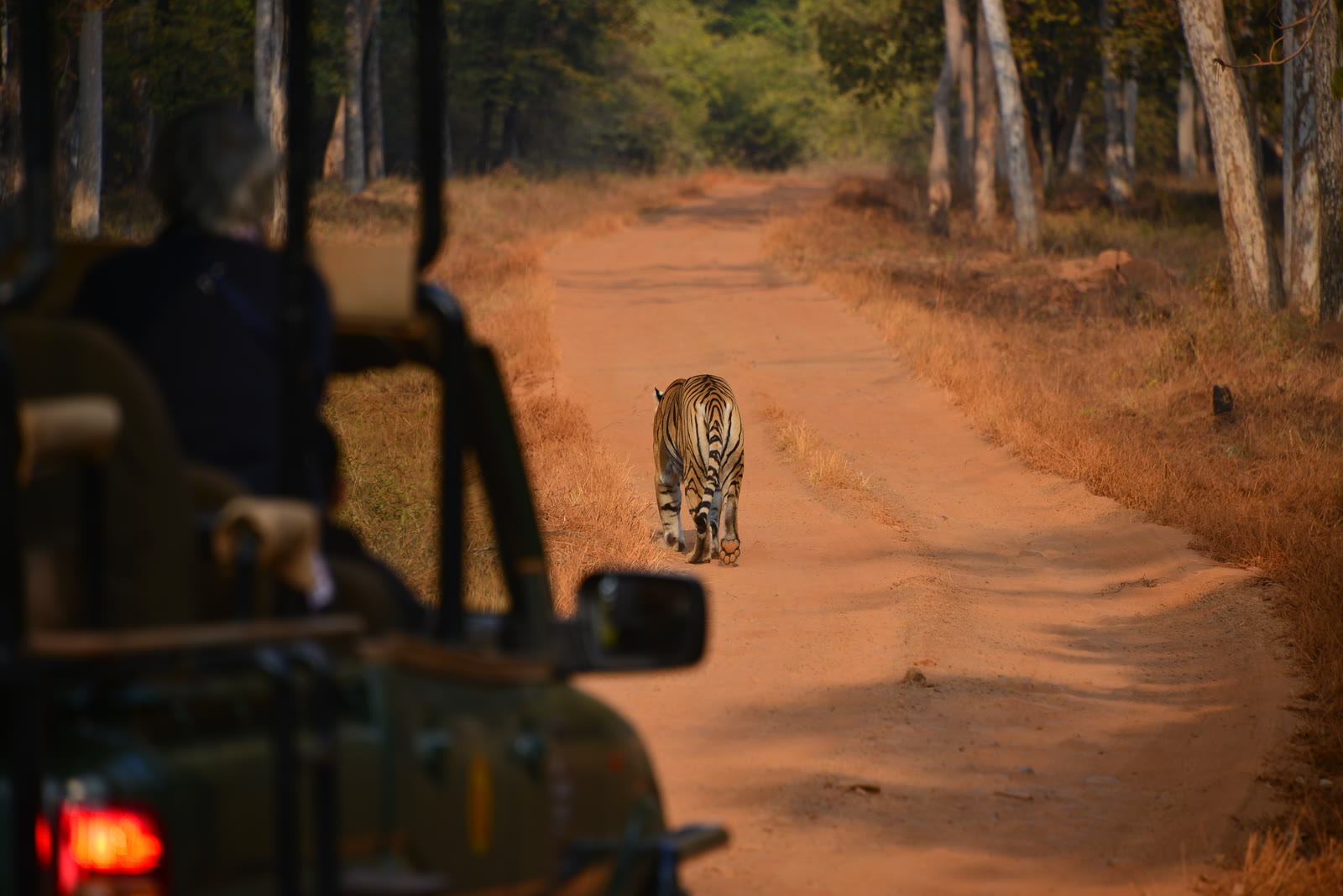
What to expect: morning and afternoon jeep drives, with mornings running into late morning, through sal forest, open meadows and valley roads. It is a scenic, gentle park, where tigers, barasingha and gaur are highlights, and sightings, while never promised, are frequent by central Indian standards.
Facts About Kanha National Park
| Information | Details |
|---|---|
| Location | Mandla and Balaghat districts, Maikal hills |
| State | Madhya Pradesh |
| Established | Sanctuary 1933; national park 1955; tiger reserve 1973 |
| Area | National park about 940 km²; buffer about 1,067 km²; Phen Sanctuary about 110 km² |
| Protected Area Type | National park within a tiger reserve, with a buffer and Phen Wildlife Sanctuary |
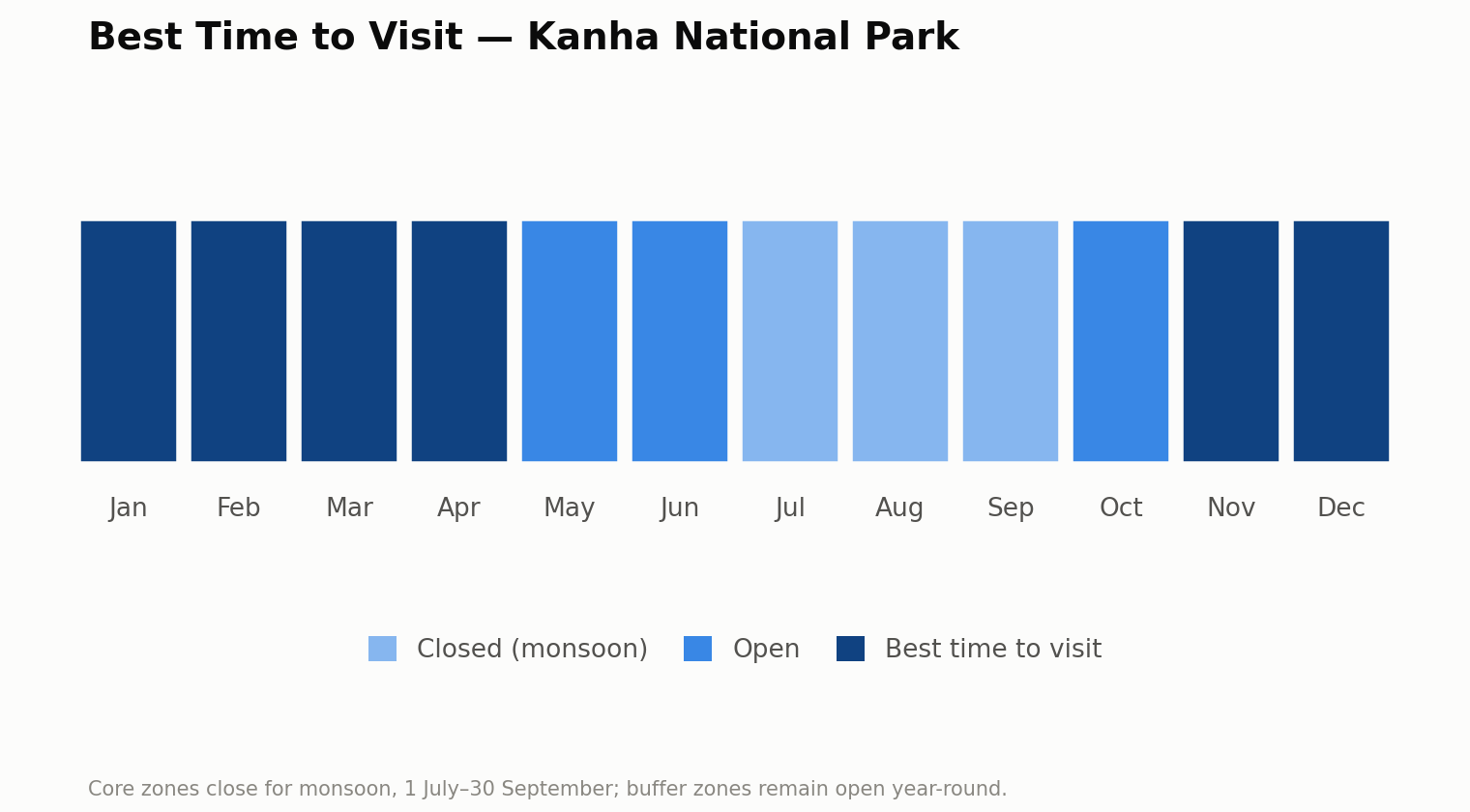
| Functional Days | Two daily shifts. Core zones from 1 October to 30 June; buffer zones through the year |
| Annual Closure | Core zones rest from 1 July to 30 September; buffer routes continue |
| Weekly Offs | Core zones rest on Wednesday afternoons, and the park closes on Holi |
| Best Time to Visit | November to April, with April to June the best months for tigers at waterholes |
| Recommended Safari Duration | Two to three nights with three to five drives across two or more zones |
| Vegetation | Sal forest, mixed woodland, bamboo, dry deciduous forest and open meadows |
| Elevation | About 450–900 m |
| Major Wildlife | Tiger, leopard, dhole, sloth bear, gaur, barasingha, chital, sambar |
| Famous For | Hard-ground barasingha, the Jungle Book landscape, and sal-and-meadow scenery |
Functional days. Drives run in a morning and an afternoon shift. Mornings are longer, running until around 11:00 am, while afternoons are shorter.
Yearly off. The core zones rest through the monsoon and reopen on 1 October, when the meadows are green and the streams full. Buffer zones remain open throughout the year.
Weekly offs and rules. Wednesday afternoons are a rest period for the core zones. Each permit is tied to a zone, date and shift, and only authorised jeeps enter the park.
Tiger Density and Other Major Species
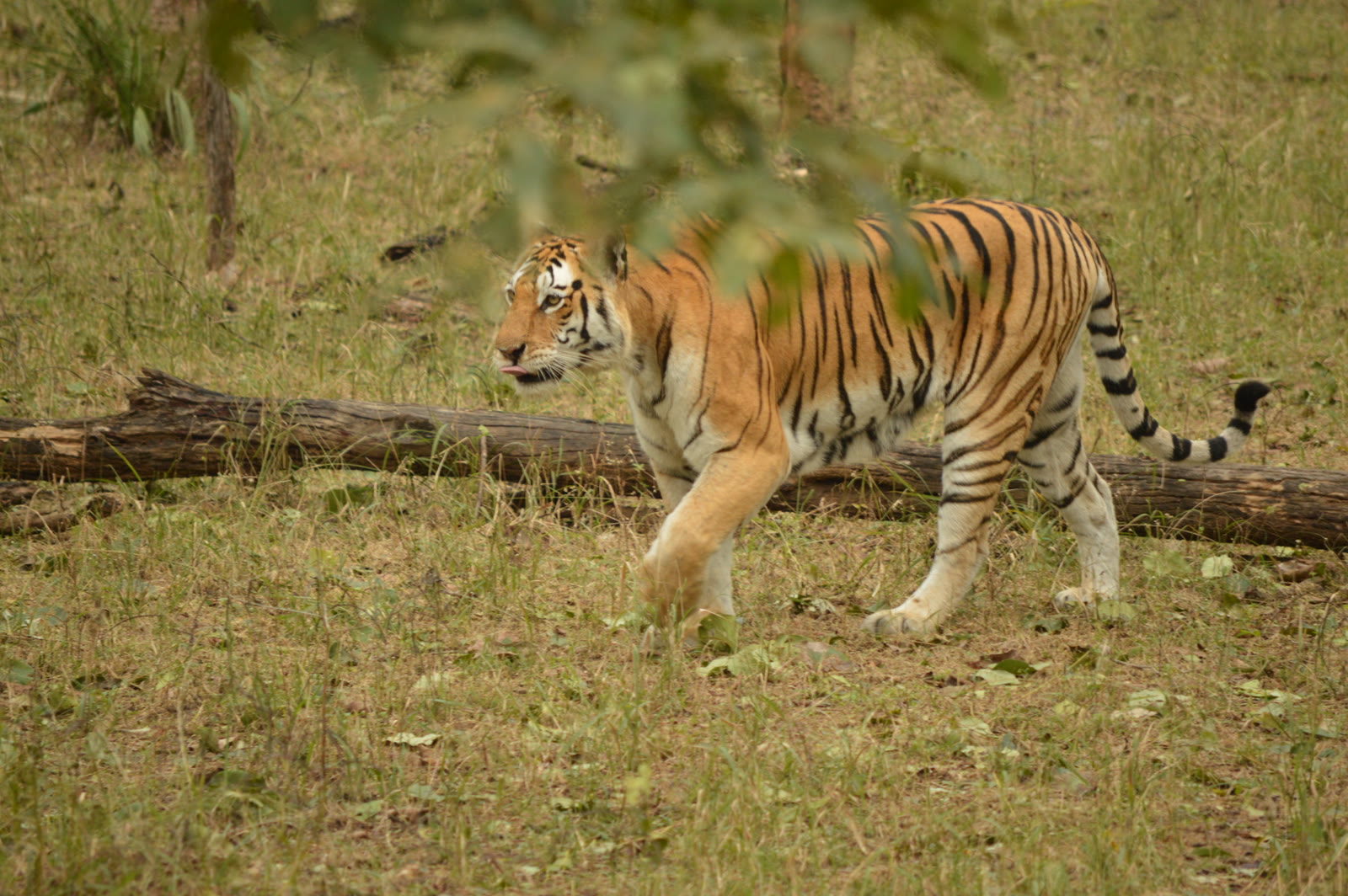
Kanha is one of India's foundation tiger reserves and one of its most celebrated conservation landscapes.
| Year | Area | Estimated numbers |
|---|---|---|
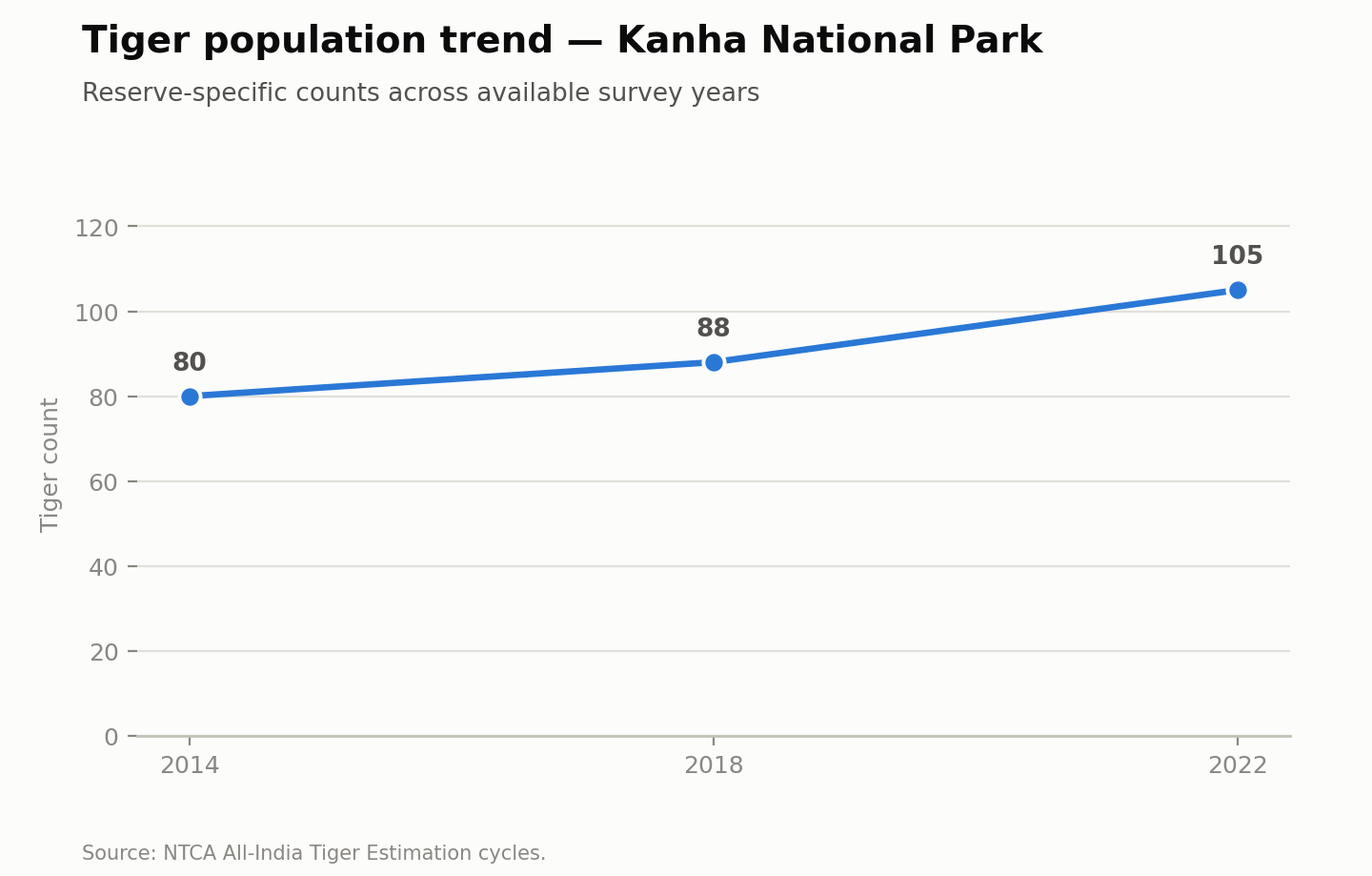
| 2022 | Kanha Tiger Reserve, tigers | About 105 |
| 2022 | India, tigers | 3,682 (range 3,167–3,925) |
| 2022 | Madhya Pradesh, tigers | 785, the most of any state |
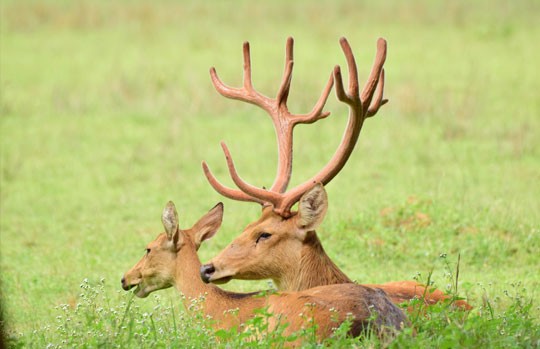
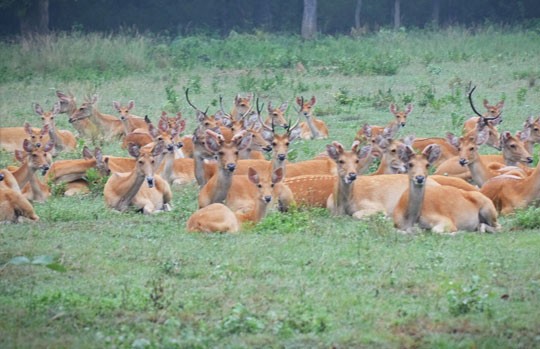
The barasingha story is the park's proudest achievement. The hard-ground barasingha, a swamp deer adapted to grassland, once dwindled to only a few dozen animals in the 1960s. Careful protection and habitat management by the forest department have brought it back to several hundred, and it remains a signature species of Kanha's meadows. Kanha is the one place where this subspecies survives in the wild, which is why it is the reserve's mascot, and a herd has since been established at Satpura.
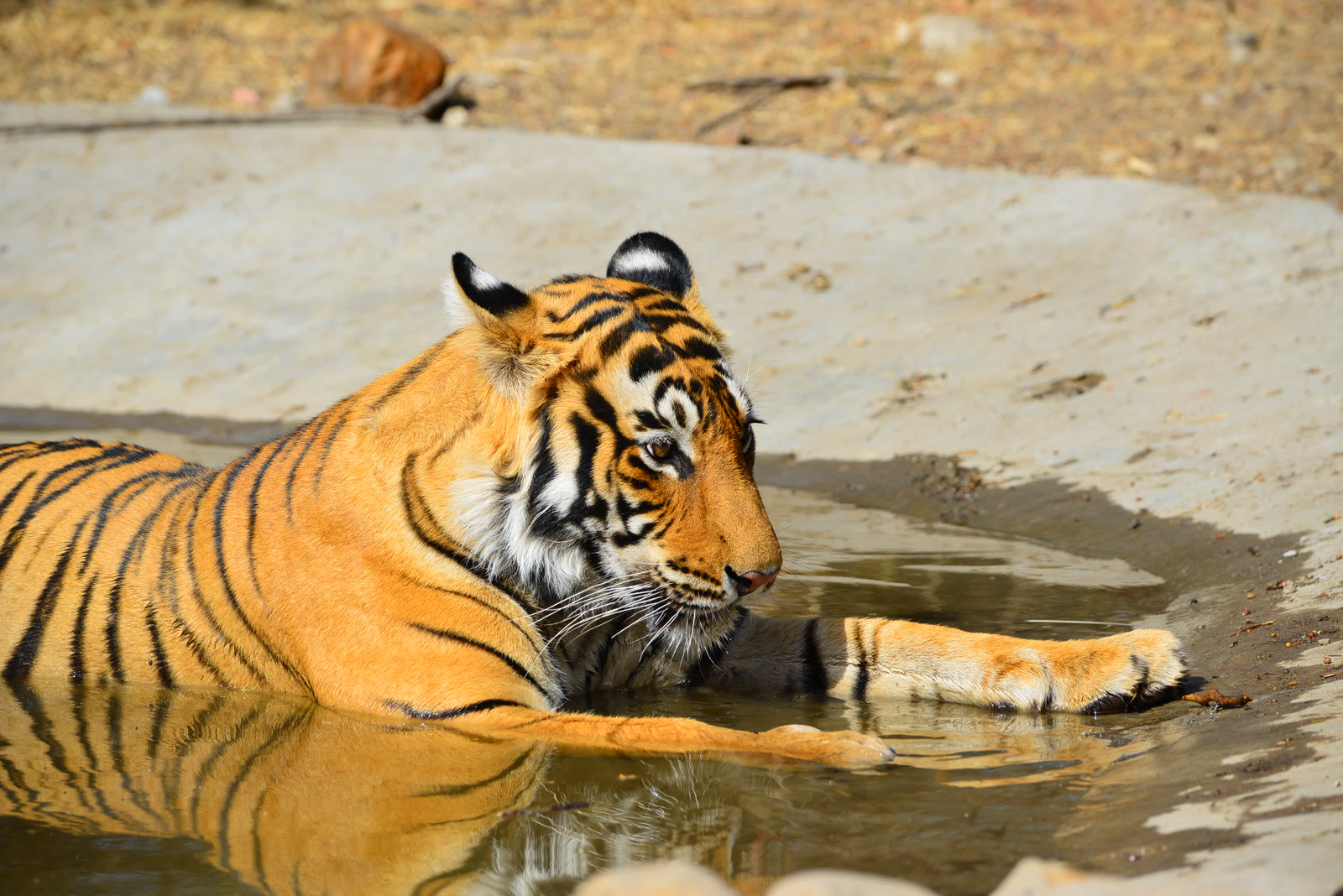
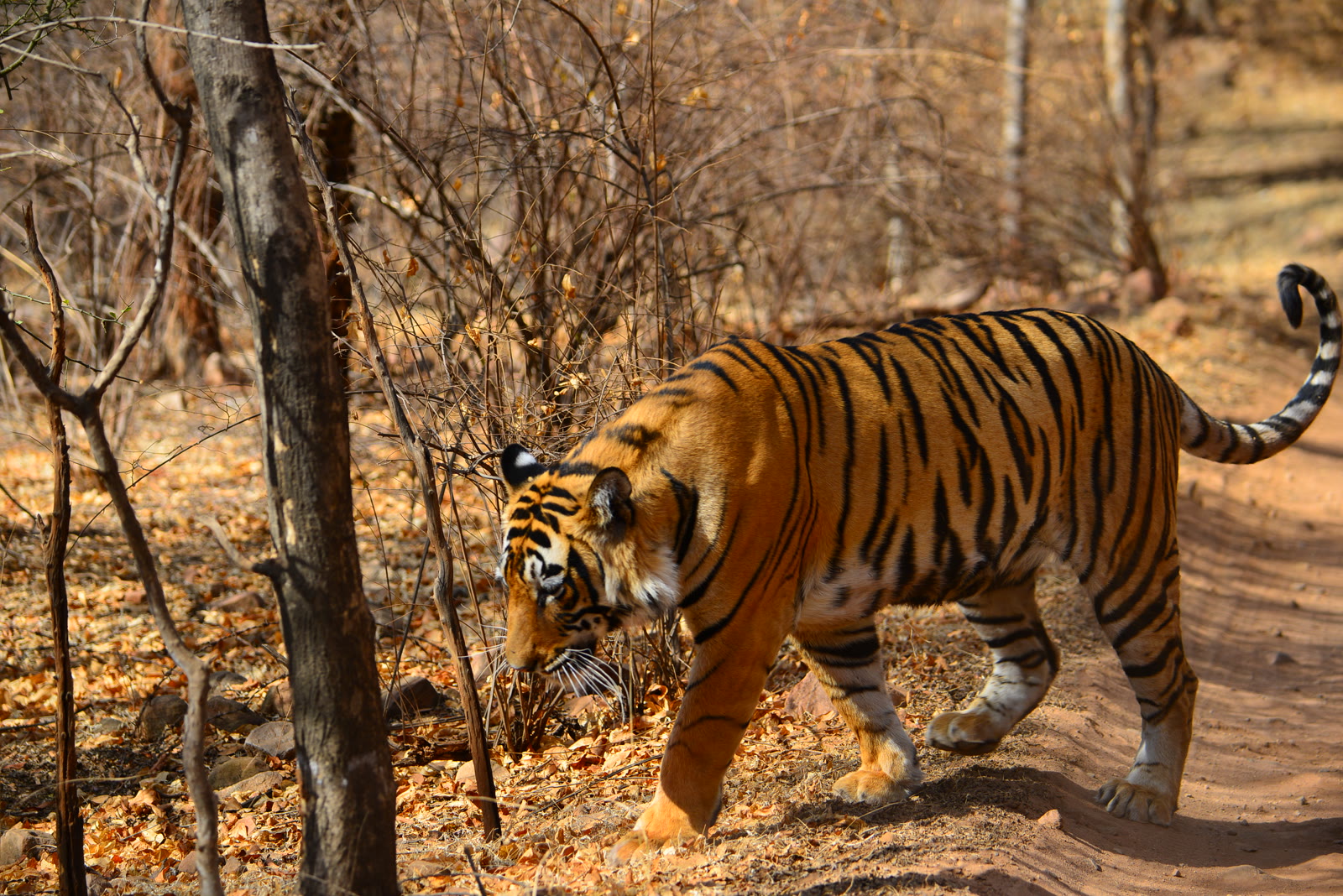
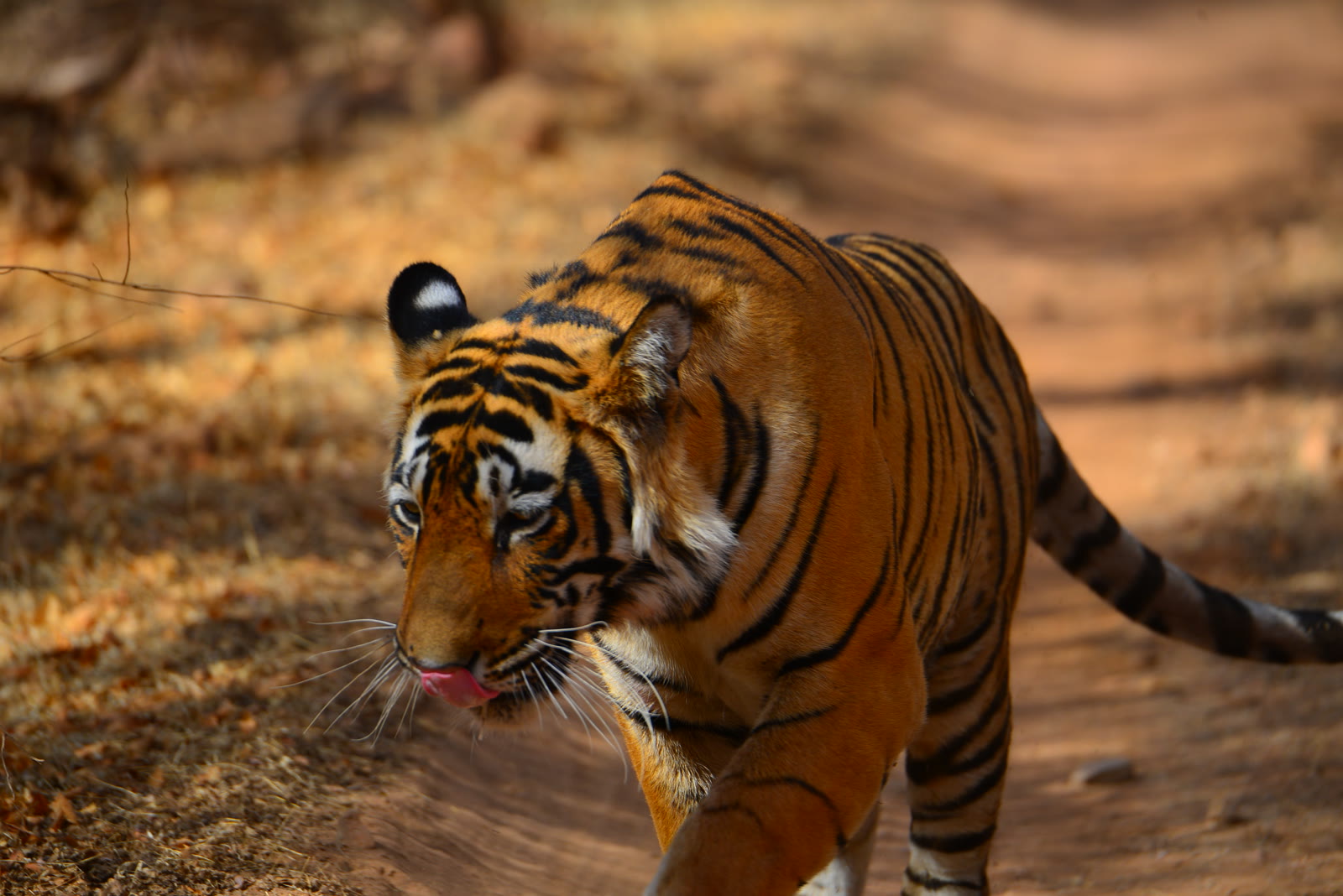
Kanha's healthy population has also helped other reserves, and tigers from here were among those that helped restore Panna. Sightings are frequent by central Indian standards, especially in the Kanha and Mukki zones, where meadows and forest edges make tigers easier to spot. Barasingha, gaur and chital herds are seen on most drives, and no tiger sighting can be promised, but the meadows make each drive scenic.
Other species
- Barasingha: Seen regularly on the meadows, especially in the Kanha zone.
- Gaur: Seen regularly, grazing in meadows and at waterholes.
- Leopard: Present and seen occasionally.
- Dhole (wild dog): Seen from time to time in packs.
- Sloth bear: Seen occasionally, often near mahua trees in the hot season.
- Prey base: Chital and sambar are seen on almost every drive, with wild boar and langurs everywhere.
- Jackal and Bengal fox: Present and seen occasionally on the meadows.
- Birds: Around 300 species, from black ibis and hornbills to steppe eagle and paradise flycatcher.
Safari Zones in Kanha National Park
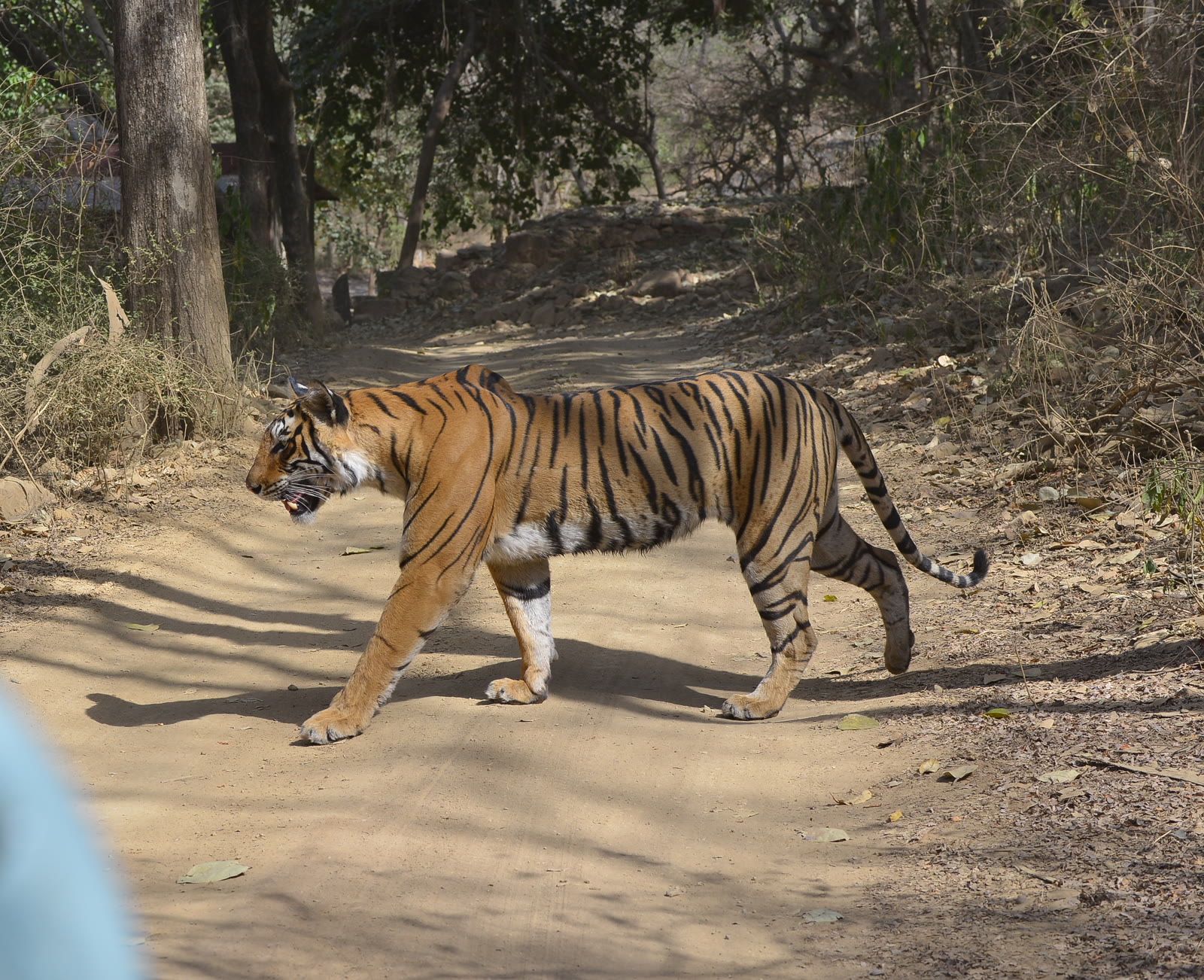
Kanha has eight safari zones: four in the core and four in the buffer and neighbouring Phen sanctuary. The park is entered through the gates at Khatia, Mukki and Sarhi, and a permit is tied to a zone. No zone can promise a sighting.
| Zone | Area | Character |
|---|---|---|
| Kanha | Core | The largest and most popular zone, with wide meadows |
| Kisli | Core | Sal forest, grassland and bamboo, close to the Khatia gate |
| Mukki | Core | The southern zone of sal, bamboo and grassland, with strong wildlife records |
| Sarhi | Core | Dry deciduous forest and meadows on the western edge, excellent for birds |
| Khatia, Khapa, Sijora, Phen | Buffer | Quieter forest routes, open through the year |
Kanha zone
Kanha is the largest and most popular zone, with the park headquarters and the great meadows where barasingha, gaur and chital gather. The drives through open grassland at dawn are among the loveliest in central India, and tigers often patrol the meadow edges.
Kisli zone
Kisli lies close to Kanha and is known for graceful sal forest, scenic grasslands and bamboo. It has good tiger sightings and is a popular zone for first-time visitors, entered via the Khatia gate.
Mukki zone
Mukki lies in the south and is renowned for exceptional wildlife records, including tigers, leopards and wild dogs. Its mix of sal forest, bamboo groves and grassland makes it a favourite of serious wildlife enthusiasts.
Sarhi zone
Sarhi lies on the western edge and is characterised by dry deciduous forest and open meadows. It is less frequented, offers good tiger sightings and is especially rewarding for birdwatching.
Buffer zones
Khatia, Khapa, Sijora and Phen are quieter routes with fewer vehicles, and they stay open through the year, so they suit travellers visiting between July and September.
Vehicles and rules
Open jeeps carry up to six guests with a naturalist and driver. Permits are allotted by zone, so drives across two or three zones give the fullest picture. India Tiger Safari would be delighted to design your fully private Kanha safari: a bespoke journey through the zones that suit you best, with curated stays, a private jeep and a naturalist guide devoted to your party.
Mammals and Birds
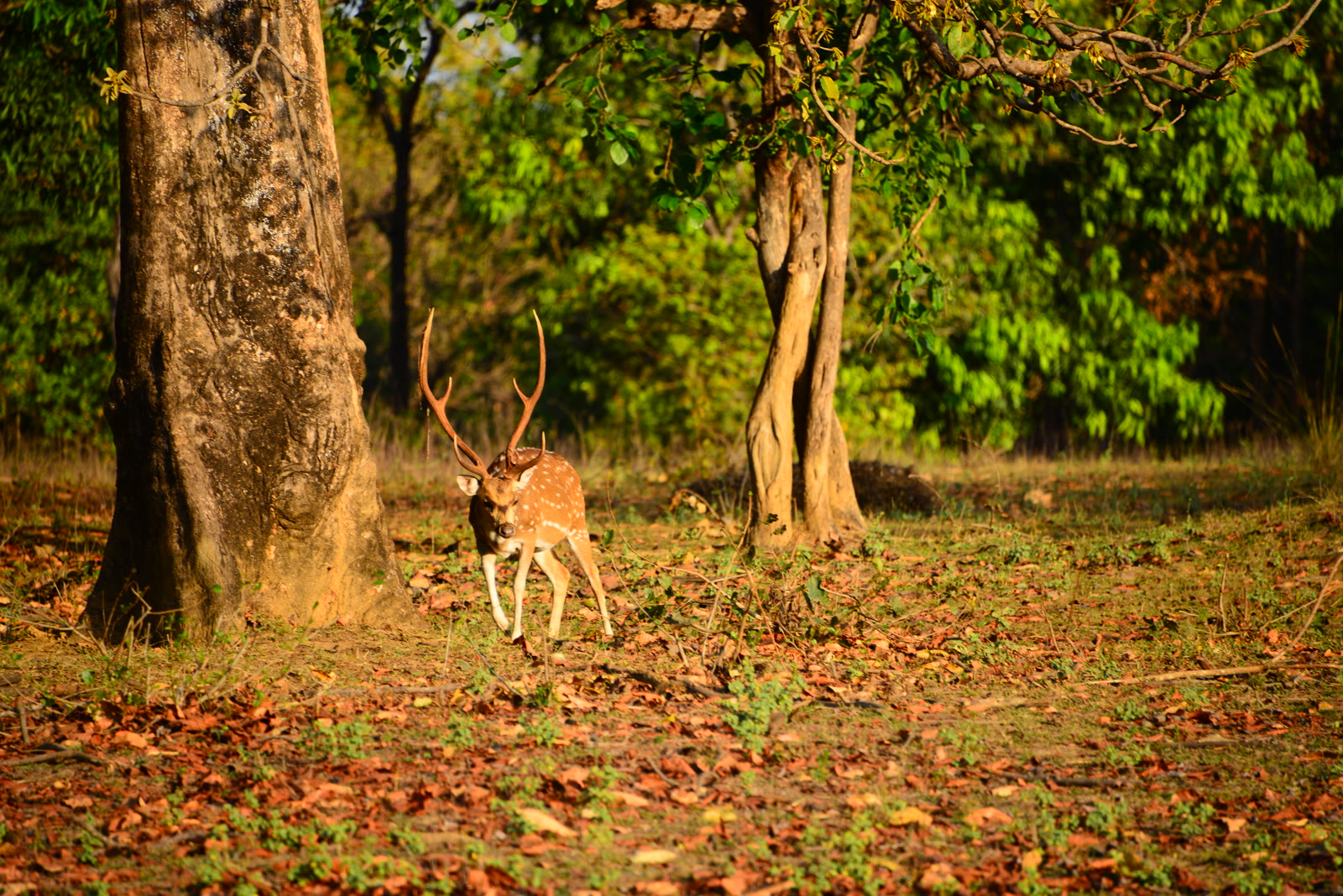
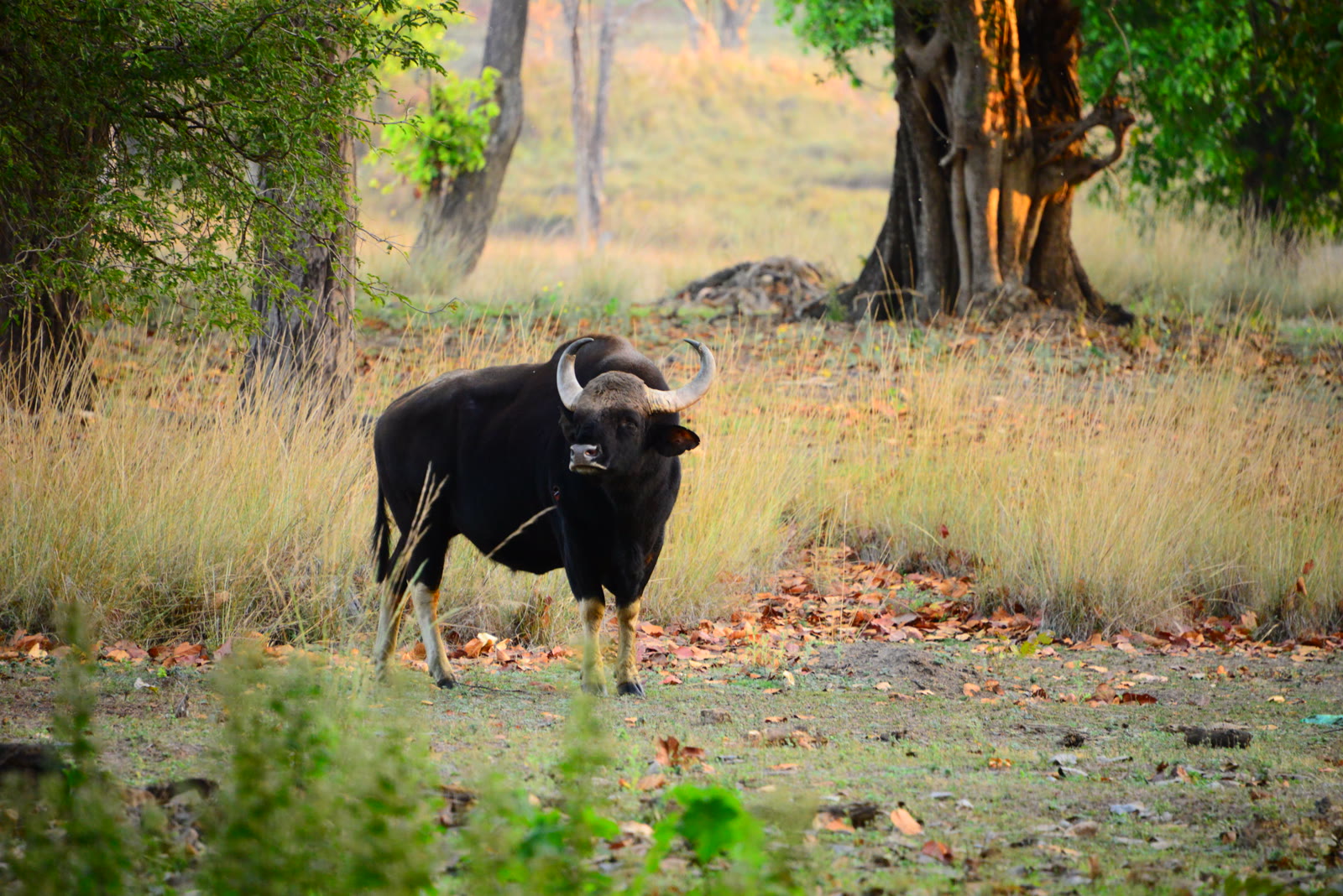
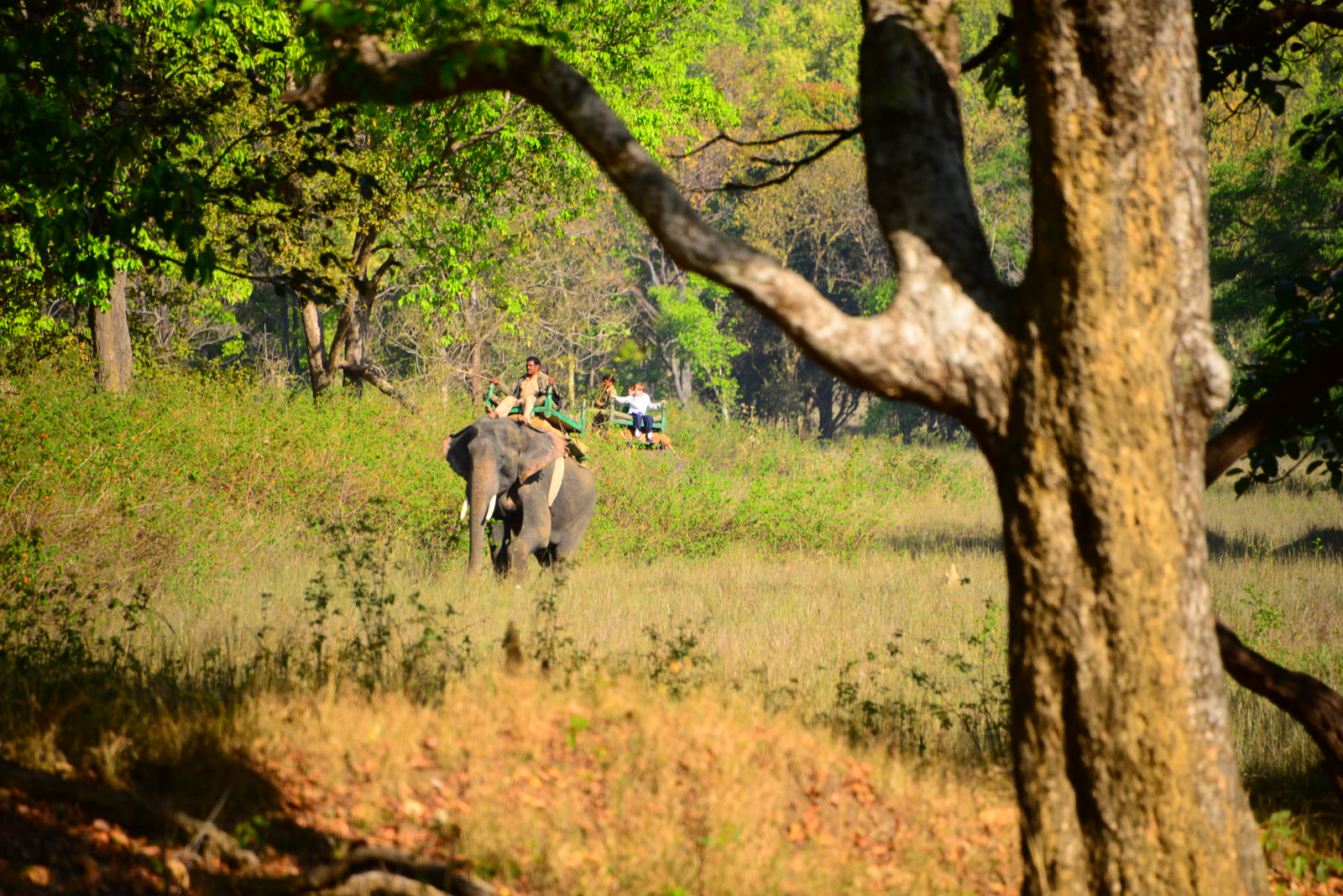
The lists below are representative and not complete.
Mammals
- Tiger
- Leopard
- Dhole
- Sloth Bear
- Barasingha
- Gaur
- Chital
- Sambar
- Indian Jackal
- Bengal Fox
- Wild Boar
- Common Langur
- Rhesus Macaque
Birds
- Black Ibis
- Asian Green Bee-eater
- Cattle Egret
- Plum-headed Parakeet
- Indian Pond Heron
- Drongo
- Common Teal
- Crested Serpent Eagle
- Indian Grey Hornbill
- Malabar Pied Hornbill
- Indian Roller
- Lesser Adjutant
- Little Grebe
- Lesser Whistling Duck
- Minivet
- Woodpecker
- Indian Paradise Flycatcher
- Hill Myna
- Indian Peafowl
- Red Junglefowl
- Red-wattled Lapwing
- Steppe Eagle
- Tickell's Blue Flycatcher
- White-eyed Buzzard
- White-breasted Kingfisher
- White-browed Fantail
- Vulture
Accessibility
Kanha is set in the quiet Maikal hills, and the road to it, through Mandla and past sal forest and villages, is part of the appeal. Distances and times are approximate.
Train
| Station | Distance and road time to the park | Why use it |
|---|---|---|
| Jabalpur Junction | About 160–170 km; roughly three and a half to four hours | The main railhead, on the Mumbai–Howrah line with good connections from Delhi, Mumbai and Bhopal |
| Nagpur Junction | About 220–280 km; roughly five to six hours | A major junction useful for a Pench and Kanha circuit |
Air
| Airport | Distance and road time | Onward transport |
|---|---|---|
| Jabalpur (JLR) | About 160 km; three and a half to four hours | Private transfer |
| Nagpur (NAG) | About 220–280 km; five to six hours | Private transfer |
| Raipur (RPR) | About 220–250 km; about five hours | Private transfer |
Jabalpur is the nearest airport, with flights from Delhi, Mumbai and Bhopal. Nagpur and Raipur are good alternatives, especially when combining Kanha with Pench or Chhattisgarh.
Road
Jabalpur (about 160–170 km, three and a half to four hours). The main route, along the highway to Mandla and on to Khatia and Kisli.
Nagpur (about 220–280 km, five to six hours). A comfortable drive, often paired with Pench.
Raipur (about 220–250 km, about five hours). A scenic approach for travellers arriving from the east.
Inside the park, only authorised safari vehicles are used, with a naturalist.
Accommodation
Stays around Kanha are set among sal forest and small villages, clustered near the Khatia and Mukki gates. This guide describes the character of each option rather than ranking properties.
Luxury safari lodges
The finest properties offer spacious cottages or tents, private terraces, pools, fine dining and expert naturalists. Many sit at the forest edge, with mornings that begin with a short drive to the gate. They suit couples and small private groups who want comfort between drives.
Forest rest houses and jungle camps
Forest department accommodation at Khatia, Kisli and Mukki puts you close to the wildlife in a simple, atmospheric setting. India Tiger Safari arranges stays there as part of a private itinerary.
Boutique lodges and eco-lodges
Smaller lodges and eco-lodges near Mukki and Sarhi offer quiet, natural settings, with home-style meals and knowledgeable hosts.
Resorts and mid-range hotels
A range of resorts near Kisli and Khatia, with gardens, lawns and pools, suit families and groups.
Budget stays
Simple guesthouses near the gates offer good-value rooms for shorter stays.
Choosing well
- Gate proximity: Choose a base near Khatia for the Kanha and Kisli zones, near Mukki for the southern zone.
- Dining: Lodges serve Indian menus and can pack breakfast for early drives.
- Guiding: Naturalists accompany every vehicle, and lodges can recommend experienced guides.
- Families: Resorts with pools and gardens suit children best.
India Tiger Safari's bespoke private itineraries pair each zone with a curated lodge.
People Also Visit
Kanha sits at the centre of Madhya Pradesh's tiger circuit, with several parks within a half-day's drive.
Bandhavgarh National Park
Bandhavgarh lies to the north, about four hours by road. Its rocky hills, ancient fort and famously high tiger density contrast with Kanha's meadows and sal forest, and the two make the classic Madhya Pradesh pairing.
Pench National Park
Pench lies to the south-west, roughly four hours from Kanha along the highway, and shares the same Jungle Book heritage. Its teak forests, river valley and dhole packs add a different feel, and the two are easily combined.
Tadoba-Andhari Tiger Reserve
Tadoba, in Maharashtra, can be reached from Kanha via Pench and Nagpur. Its lakes and open forest offer a different pace, and it completes a central India circuit of three quite different tiger landscapes.
Kanha National Park FAQs
What is the best time to visit Kanha National Park?
The core zones are open from 1 October to 30 June. November to April is the most comfortable, with cool mornings and green meadows, while April to June is hot, with tigers and other animals gathering at waterholes. Buffer zones stay open through the monsoon, from July to September.
How many days do you need in Kanha?
Two to three nights is ideal, giving three to five drives across two or more zones. That allows time for the meadows of the Kanha zone, the forests of Mukki and the birdlife of Sarhi. India Tiger Safari's bespoke itineraries match nights and zones to your dates.
Can you see tigers in Kanha?
Kanha Tiger Reserve held about 105 tigers in 2022, and sightings are frequent by central Indian standards, especially in the Kanha and Mukki zones. Meadow edges and forest tracks make tigers easier to spot, but wildlife is unpredictable and no sighting can be promised.
Which safari zone is best in Kanha?
There is no single best zone. Kanha is the largest and most scenic, Kisli is a popular first-time zone, Mukki has strong wildlife records, and Sarhi is superb for birds. Driving two or three zones gives the fullest picture, and buffer zones offer quieter drives.
How do Kanha safari arrangements work?
Safaris are booked by zone, date and a morning or afternoon shift, in an open jeep with a naturalist. Every guest needs valid ID. India Tiger Safari handles permits, vehicles and guides for its private guests, so you can concentrate on the landscape and the animals.
What is the barasingha in Kanha?
The barasingha, or swamp deer, is a beautiful deer with many-branched antlers, and Kanha holds the hard-ground subspecies, which lives on grassland. Once reduced to a few dozen animals, it has recovered to several hundred through careful protection, and it is the reserve's mascot.
How do you reach Kanha National Park?
Jabalpur, about 160 to 170 km away and roughly three and a half to four hours by road, is the nearest airport and railhead. Nagpur and Raipur are alternatives, each about five to six hours away. A private transfer to your lodge is the most comfortable option.
Is Kanha suitable for families?
Yes. Drives are unhurried, the meadows are scenic, and children often love the barasingha, gaur and langurs. Resorts with pools and gardens suit young guests, and a private jeep lets families set a comfortable pace.
What should you wear on a Kanha safari?
Choose muted greens, browns and khaki, and layer up, since winter mornings in an open jeep are cold. In summer, bring a hat, sunscreen and light long sleeves. Wear closed shoes, avoid strong perfume and carry binoculars for the birds.
Is a private jeep available in Kanha?
Yes. A jeep permit covers one vehicle for up to six guests, so a private group can have it to itself. India Tiger Safari arranges a private jeep and a naturalist guide devoted to your party as part of its bespoke journeys.