Satpura National Park: Safari Guide
Boat, canoe and walking safaris, sandstone gorges and Pachmarhi rock art
About Satpura National Park
Satpura National Park lies in the Narmadapuram district of central Madhya Pradesh, in the folds of the Satpura range, whose name means "seven hills". It is one of the most distinctive tiger reserves in India, a landscape of sandstone peaks, narrow gorges, ravines and deep forest, cut by the Denwa and Tawa rivers. The national park covers about 484 km² and forms the heart of Satpura Tiger Reserve, whose total area is about 2,133 km².
The national park was created in 1981 and the tiger reserve declared in 2000. The core of the reserve is made up of three parts, Satpura National Park, Bori Wildlife Sanctuary and Pachmarhi Wildlife Sanctuary, with a buffer of about 794 km² around them. The distinction for visitors is simple: the national park is the historic heart, while Bori becomes the Churna zone and Pachmarhi opens onto the hill station, so together they offer very different landscapes under one reserve. The wider area is part of the Pachmarhi Biosphere Reserve.
The terrain rises from about 300 m to 1,352 m at Dhoopgarh, the highest point of the Satpura range. Sal grows on the Pachmarhi plateau, while teak forest covers the lower plains, with bamboo, mahua, tendu and more than 1,300 plant species in all. Grasslands, many of them created where villages were relocated from the core, give herbivores space, and the waters of the Tawa reservoir and the Denwa river add a lake-and-river dimension.
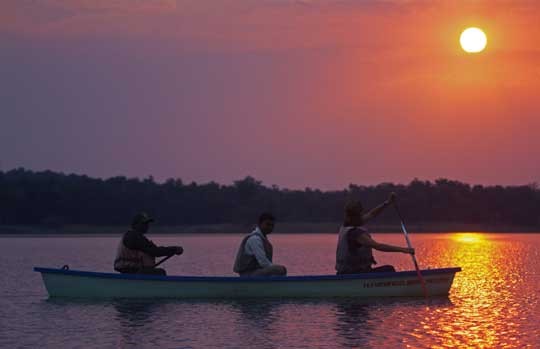
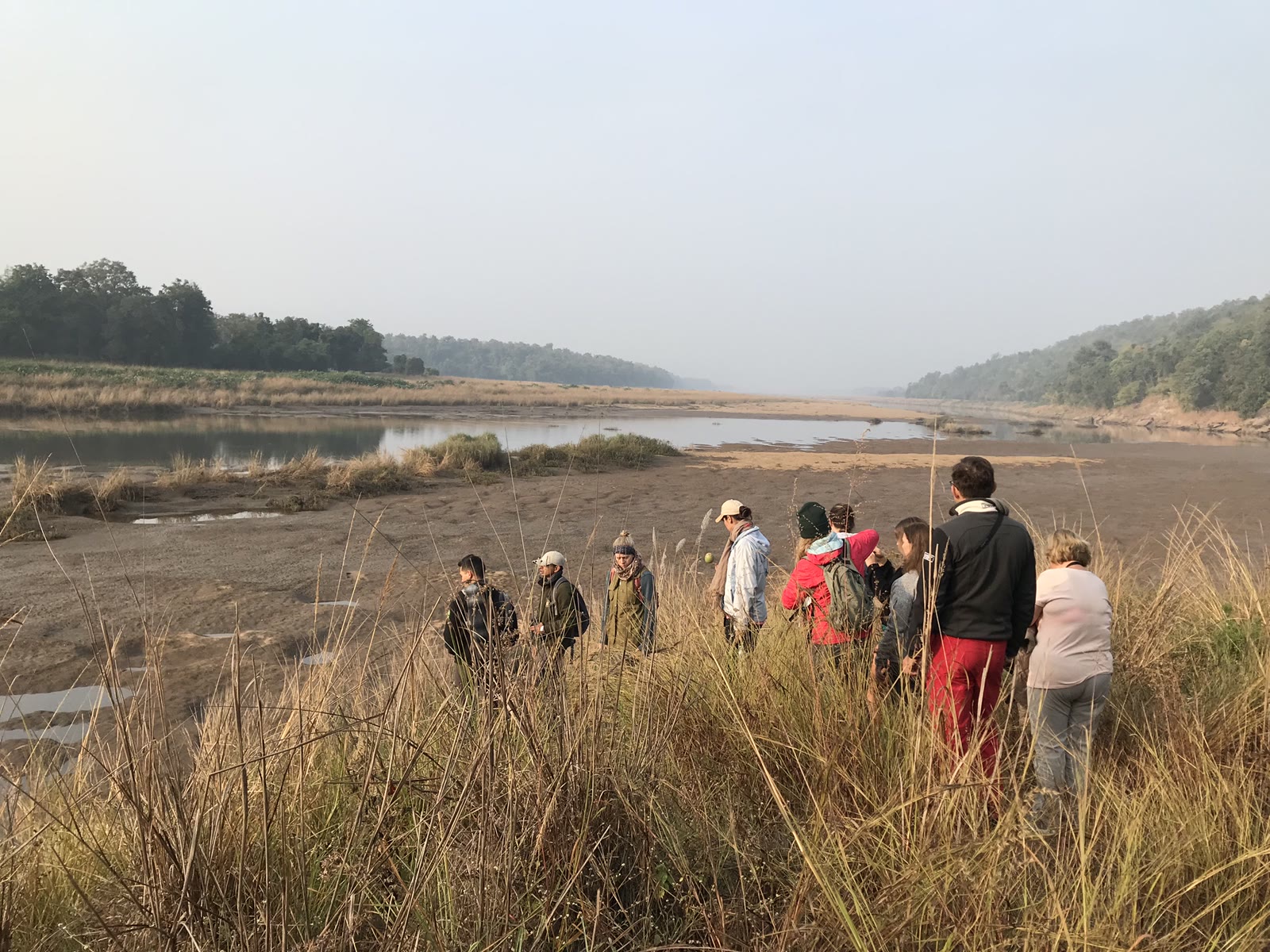
What makes Satpura unique is how it is explored. Unlike most tiger reserves, it offers jeep drives, boat trips on the Denwa, canoe paddles, walking safaris with a guide and even night drives in the buffer. That variety suits travellers who want to experience a forest on foot and by water, not only from a vehicle. The Satpura landscape is also the setting of Hugh Allen's classic book The Lonely Tiger.
The reserve is rich in culture too. Ancient rock paintings, some thought to be around 10,000 years old, decorate sandstone shelters in the Pachmarhi hills, and Satpura is on India's tentative list for UNESCO World Heritage.
What to expect: a quiet, exploratory safari with jeeps, boats and walks through sal and teak forest, gorges and grassland. Leopards, sloth bears, dhole, gaur and the Indian giant squirrel are regular delights, and tigers, while never promised, are a rewarding bonus.
Facts About Satpura National Park
| Information | Details |
|---|---|
| Location | Narmadapuram district, Satpura range |
| State | Madhya Pradesh |
| Established | National park 1981; tiger reserve 2000 |
| Area | National park about 484 km²; tiger reserve about 2,133 km² (core about 1,339 km², buffer about 794 km²) |
| Protected Area Type | National park within a tiger reserve, with Bori and Pachmarhi wildlife sanctuaries |
| Functional Days | Two daily shifts. Core zones from 15 October to 30 June; buffer zones through the year |
| Annual Closure | Core zones rest during the monsoon; buffer routes continue |
| Weekly Offs | Each gate follows its own rest schedule |
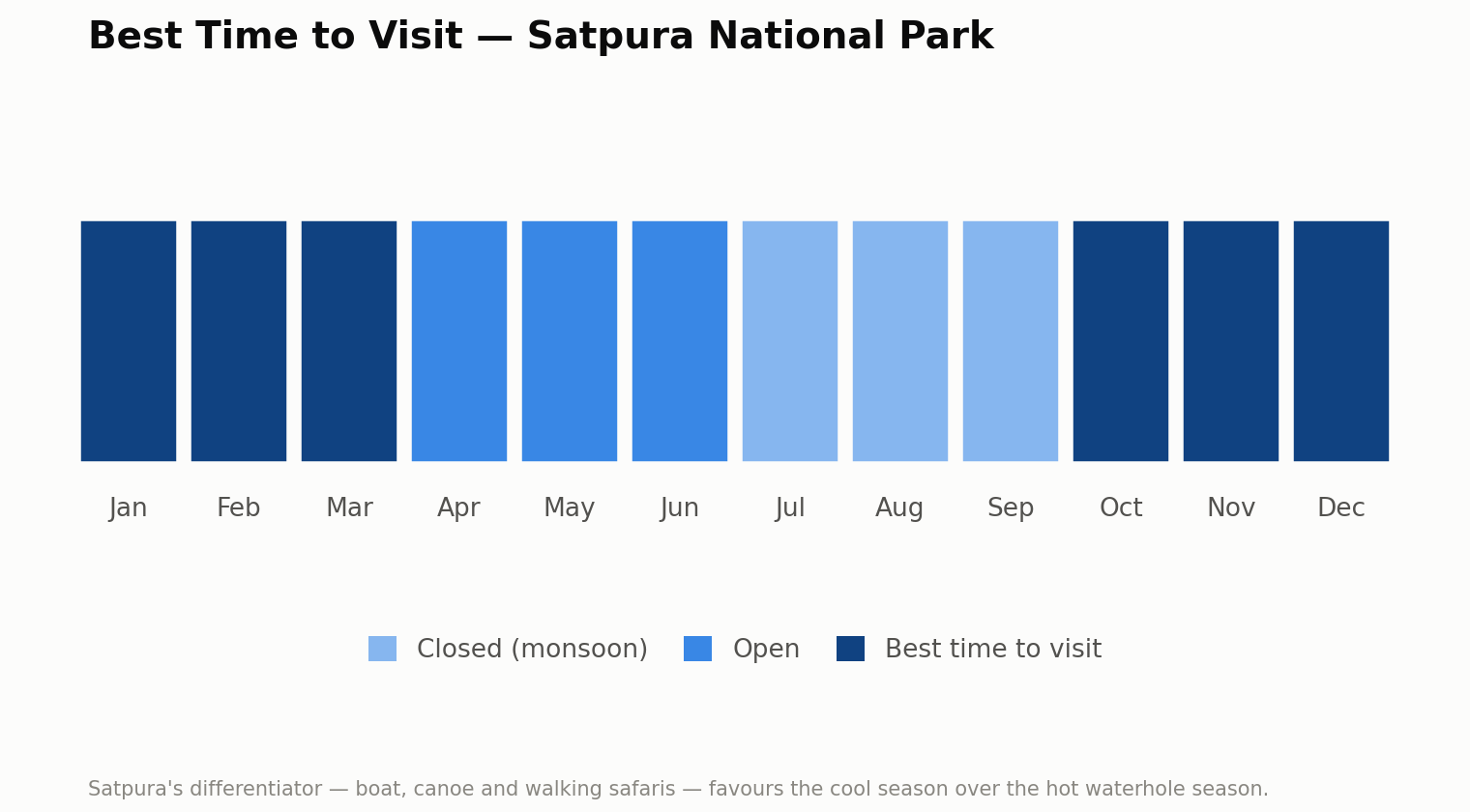
| Best Time to Visit | October to March for boat, canoe and walking safaris; April to June for predators near water |
| Recommended Safari Duration | Two to three nights with a mix of jeep, boat and walking safaris |
| Vegetation | Sal and teak forest, bamboo, grassland and sandstone gorge |
| Elevation | About 300–1,352 m |
| Major Wildlife | Leopard, sloth bear, dhole, gaur, tiger, Indian giant squirrel, barasingha |
| Famous For | Boat, canoe and walking safaris, sandstone gorges and Pachmarhi rock art |
Functional days. Drives run in a morning and an afternoon shift, with mornings roughly 6:30 to 11:00 am in winter. Boat, canoe and walking safaris run on their own schedules.
Yearly off. The core zones rest through the monsoon, from July to mid-October, and buffer zones stay open through the year.
Weekly offs and rules. Rest days differ by gate, so a permit is tied to a gate, date and activity. A guide accompanies every vehicle and walk.
Tiger Density and Other Major Species
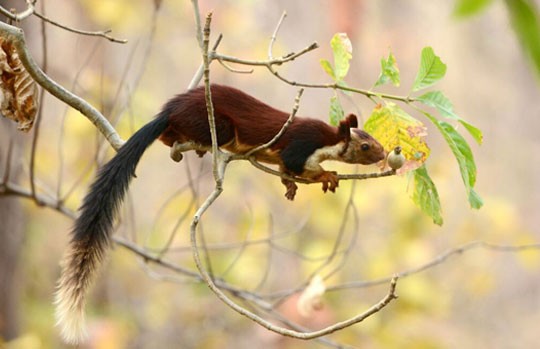
Satpura is not a park built around a single species. It is a place where a diverse community of wildlife thrives in a rugged, varied landscape, and where several conservation successes have taken root.
| Milestone | Detail |
|---|---|
| 2015 | 98 barasingha reintroduced from Kanha |
| 2024 | About 200 barasingha in the reserve |
| Recent counts | Around 40 tigers estimated in the reserve |
The barasingha reintroduction is a highlight. The hard-ground swamp deer, brought from Kanha in 2015, has more than doubled, and Satpura's grasslands, kept open by the relocation of villages, support a growing herd. Gaur populations have also risen, and tigers use the sandstone gorges and forest, so sightings are a rewarding bonus rather than the focus.
The reserve is home to about 50 mammal species, 254 bird species, 30 reptiles and 50 butterflies, and it is renowned for sightings of animals that are harder to find elsewhere. Sloth bears, leopards and dhole are seen regularly, and the Indian giant squirrel and flying squirrel make the forest canopy lively.
Other species
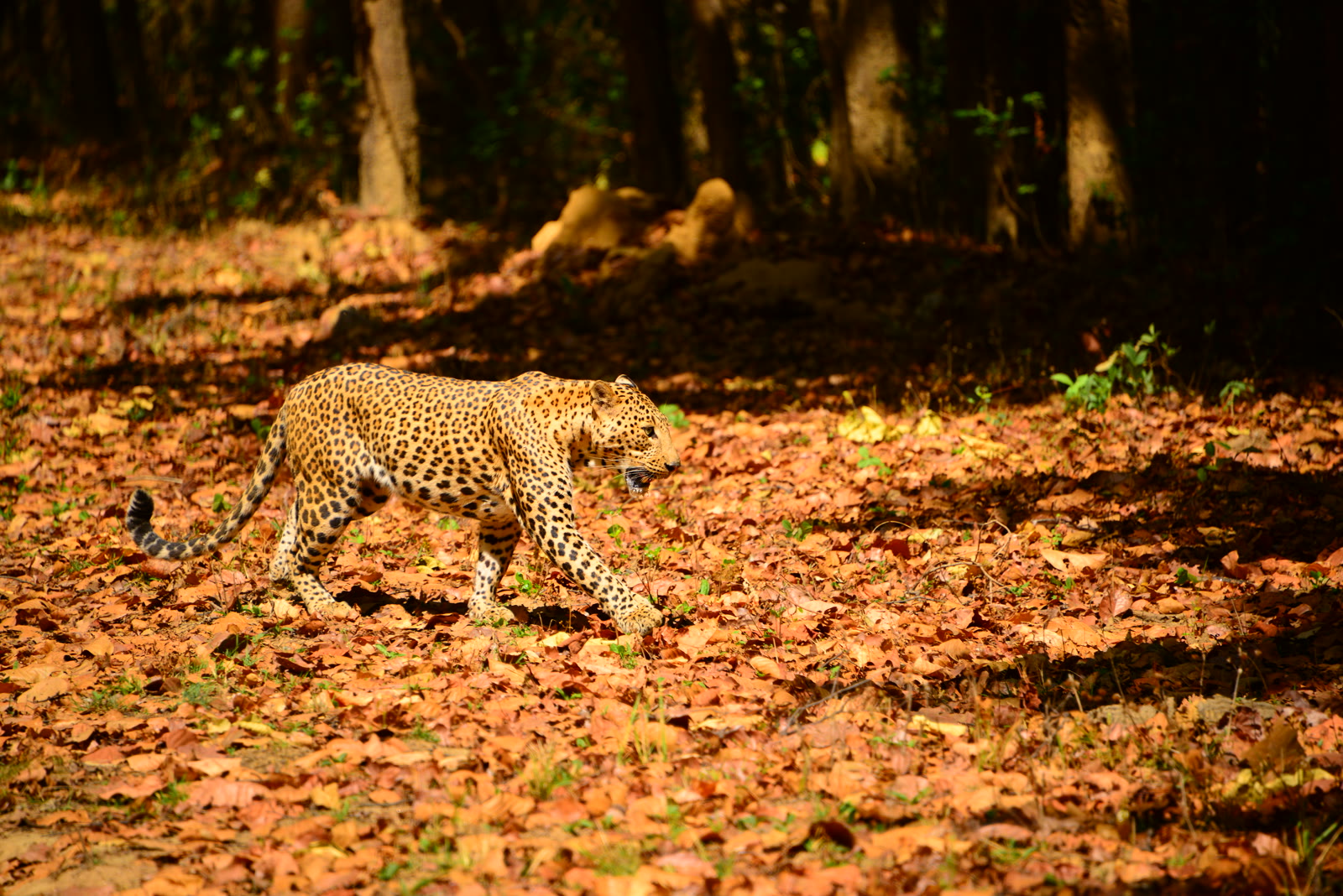
- Leopard: Present and seen occasionally, especially at Churna and in rocky areas.
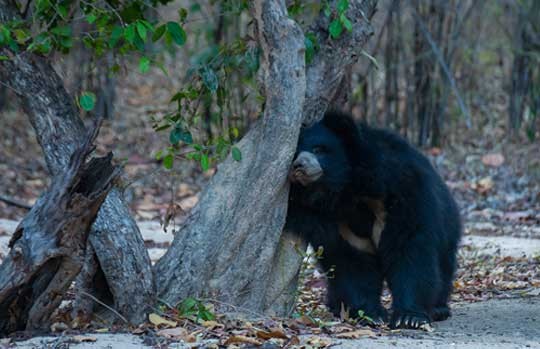
- Sloth bear: Seen regularly, often near mahua trees in the hot season.
- Dhole (wild dog): Seen from time to time in packs, especially at Churna.
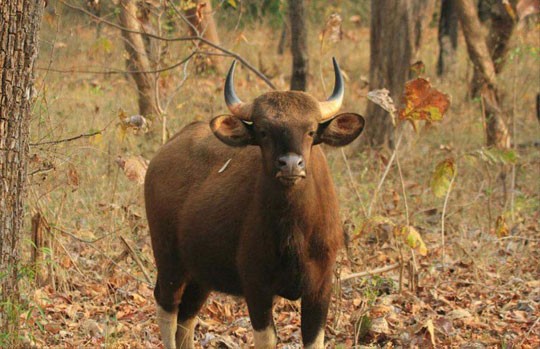
- Gaur: Seen regularly in forest clearings and on grassland.
- Indian giant squirrel: A special sight in the canopy.
- Prey base: Chital and sambar are seen on most drives, with nilgai, chinkara, four-horned antelope and barasingha also present.
- Marsh crocodile: Seen along the Denwa and Tawa.
- Birds: About 254 species, including hornbills, Malabar whistling thrush and paradise flycatcher.
Safari Zones in Satpura National Park
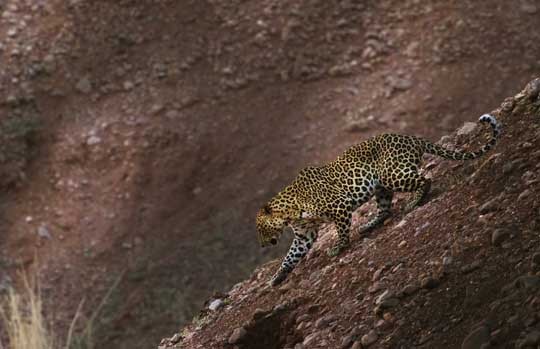
Satpura offers several zones and several ways to explore them. Jeep drives, boat trips, canoe paddles and guided walks are all part of the experience, depending on the gate. No zone can promise a sighting.
| Zone | Area | Character |
|---|---|---|
| Madhai | Core | The main hub, with jeep, boat, canoe and walking safaris |
| Churna | Core | Deep forest near the Tawa reservoir, strong for big cats and dhole |
| Pachmarhi (Panarpani) | Buffer | Hill-station routes, including a buffer night safari |
| Parsapani and Pipariya | Buffer | Quieter forest routes, open through the year |
Madhai
Madhai, in the Kamti range, is the hub of tourism in Satpura and the most popular gate. To reach the jeeps you cross the Denwa river by boat, an unforgettable start to the day. The zone offers jeep drives through sal and teak forest, boat rides and canoeing on the Denwa, and guided walks, and it is known for good tiger and leopard records, sloth bears and gaur.
Churna
Churna, formerly Bori Wildlife Sanctuary, lies near the Tawa reservoir and is a deep-forest zone renowned for sightings of big cats. Leopards, sloth bears and dhole are recorded here, along with rich birdlife, and the level plains and forest make for scenic drives. Many visitors spend a full day here, with a lunch stop at the guest house.
Pachmarhi (Panarpani)
The Pachmarhi side is a buffer route close to the hill station, about 85 to 100 km from Madhai. It offers nature walks, viewpoints and, in the buffer, a night safari where nocturnal animals can be seen. It suits travellers who combine a wildlife journey with the hill station and its rock art.
Parsapani and Pipariya
Parsapani is a buffer route close to Madhai that is open through the year, and Pipariya offers further buffer routes for walking, canoeing and birdwatching, with fewer vehicles.
Ways to explore
Jeeps carry up to six guests, boats and canoes run on the Denwa with a trained guide and life jackets, and walking safaris follow forest trails with an experienced guide. A guide accompanies every vehicle and walk. India Tiger Safari would be delighted to design your fully private Satpura safari: a bespoke journey through the zones that suit you best, with curated stays, a private jeep and a naturalist guide devoted to your party.
Mammals and Birds
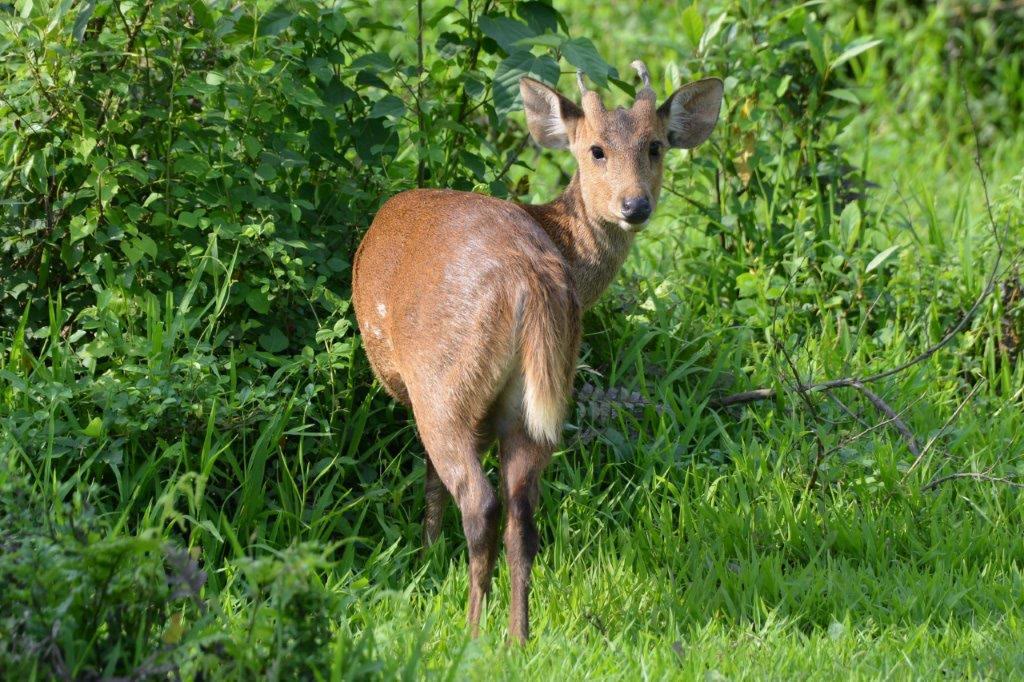
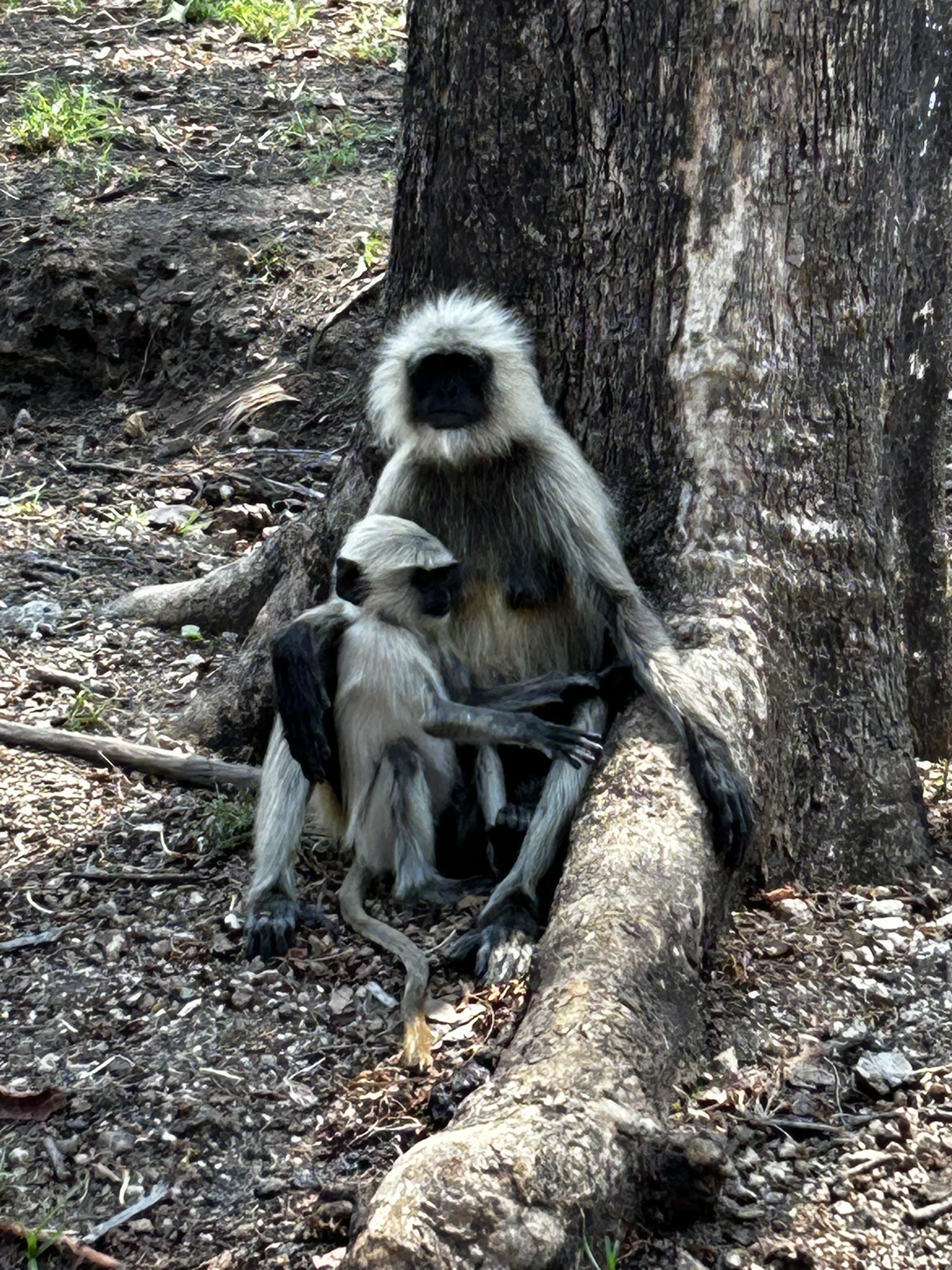
The lists below are representative and not complete.
Mammals
- Tiger
- Leopard
- Sloth Bear
- Dhole
- Gaur
- Chital
- Sambar
- Nilgai
- Indian Muntjac
- Four-horned Antelope
- Chinkara
- Blackbuck
- Barasingha
- Mouse Deer
- Wild Boar
- Indian Porcupine
- Indian Pangolin
- Indian Giant Squirrel
- Flying Squirrel
- Rhesus Macaque
- Common Langur
Birds
- Hornbill
- Malabar Pied Hornbill
- Indian Peafowl
- Crested Serpent Eagle
- Crested Honey Buzzard
- Owl
- Greater Coucal
- Malabar Whistling Thrush
- Indian Paradise Flycatcher
Accessibility
Satpura is quietly remote, and the last leg crosses a river by boat, which is part of its appeal. It lies between Bhopal and Nagpur on the highway to Pachmarhi. Distances and times are approximate.
Train
| Station | Distance and road time to Madhai | Why use it |
|---|---|---|
| Itarsi Junction | About 65 km; roughly one and a half hours | A major junction on the Delhi–Mumbai and Delhi–Chennai lines |
| Pipariya | About 50 km; roughly one hour | The nearest station, on the Mumbai–Howrah line, for Pachmarhi and Madhai |
Air
| Airport | Distance and road time | Onward transport |
|---|---|---|
| Bhopal (BHO) | About 140–180 km; roughly three to three and a half hours | Private transfer |
| Nagpur (NAG) | About 265 km; five to six hours | Private transfer |
Bhopal is the nearest airport with regular flights, well connected to Delhi and Mumbai.
Road
Bhopal (about 140–180 km, three to three and a half hours). A good highway drive south-east via Itarsi.
Nagpur (about 265 km, five to six hours). A scenic drive, often paired with Pench.
Pachmarhi (about 85–100 km). A winding route through the hills, which makes it easy to pair the hill station with Madhai.
At Madhai, guests cross the Denwa river by boat to reach the jeeps.
Accommodation
Stays around Satpura are unusual, with lodges set along the Denwa river and in the forest near Madhai, and heritage stays in Pachmarhi. This guide describes the character of each option rather than ranking properties.
Luxury safari lodges
The finest properties sit beside the river or at the forest edge, with spacious cottages or tents, private terraces, pools, fine dining and expert naturalists. Some offer walks, canoe trips and stargazing on site. They suit couples and small private groups who want comfort between drives.
Forest rest houses and jungle camps
Simple forest department accommodation, including at Churna, puts you deep in the forest. India Tiger Safari arranges stays there as part of a private itinerary.
Boutique lodges and eco-lodges
Smaller lodges and eco-lodges near Madhai offer a quieter, more personal stay, with cottage-style rooms and home-style meals.
Resorts and mid-range hotels
Resorts and hotels in Pachmarhi and Pipariya offer comfortable rooms for families and groups, with hill-station views.
Budget stays
Guesthouses in Pipariya and Madhai offer simple, good-value rooms.
Choosing well
- Gate proximity: Choose a base near Madhai for the main hub, or Pachmarhi for the hill-station side.
- Dining: Lodges serve Indian menus and can pack breakfast for early drives.
- Guiding: Guides accompany every vehicle and walk, and lodges can recommend experienced naturalists.
- Families: Resorts with gardens and quiet riverside settings suit children best.
India Tiger Safari's bespoke private itineraries pair each zone with a curated lodge.
People Also Visit
Satpura sits at the centre of Madhya Pradesh's tiger circuit, with Pachmarhi and Bhopal on either side.
Pench National Park
Pench lies to the south, reached from Satpura by a road journey of about half a day via Chhindwara, or through Nagpur. Its teak forests and river valley offer a classic jeep safari, a pleasing complement to Satpura's boats, canoes and walks.
Kanha National Park
Kanha lies further east, and the two are linked by the barasingha, since Satpura's herd began with animals brought from Kanha in 2015. Kanha's sal forests and meadows make a natural continuation of a Madhya Pradesh journey, with a road transfer of roughly a day.
Tadoba-Andhari Tiger Reserve
Tadoba can be reached from Satpura through Pench and Nagpur, and it adds a different rhythm, with lakes, teak forest and a strong record of tiger sightings. Together they give a wide range of central Indian landscapes.
Satpura National Park FAQs
What is the best time to visit Satpura National Park?
The core zones are open from 15 October to 30 June. October to March is the most comfortable and the best time for boat, canoe and walking safaris, and for birdwatching. April to June is hot, when predators are more visible near water. Buffer zones stay open through the monsoon.
How many days do you need in Satpura?
Two to three nights is ideal, giving a mix of jeep, boat and walking safaris across Madhai and Churna. A day trip to Pachmarhi adds the hill station and rock art. India Tiger Safari's bespoke itineraries match nights and activities to your dates.
Can you see tigers in Satpura?
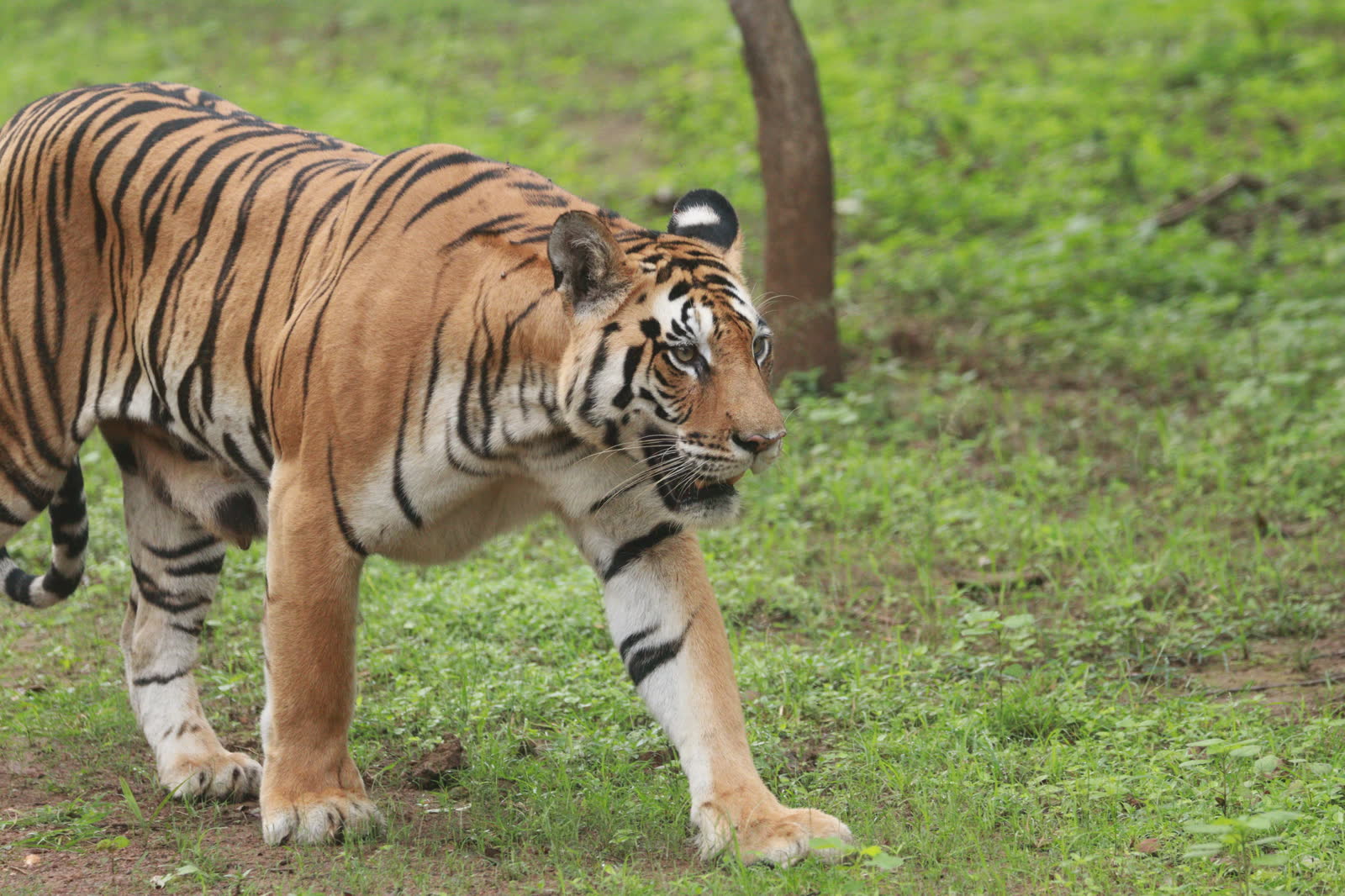
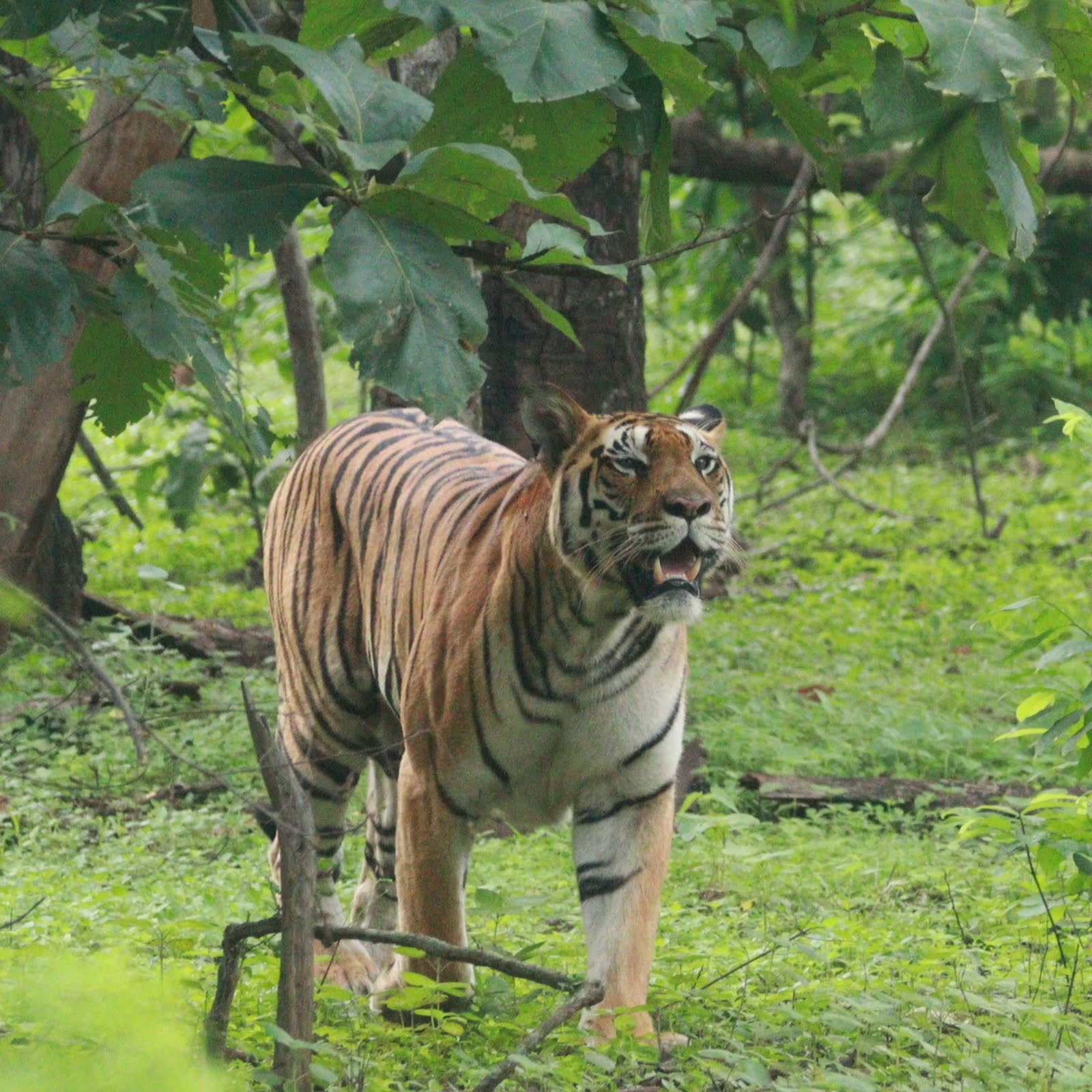
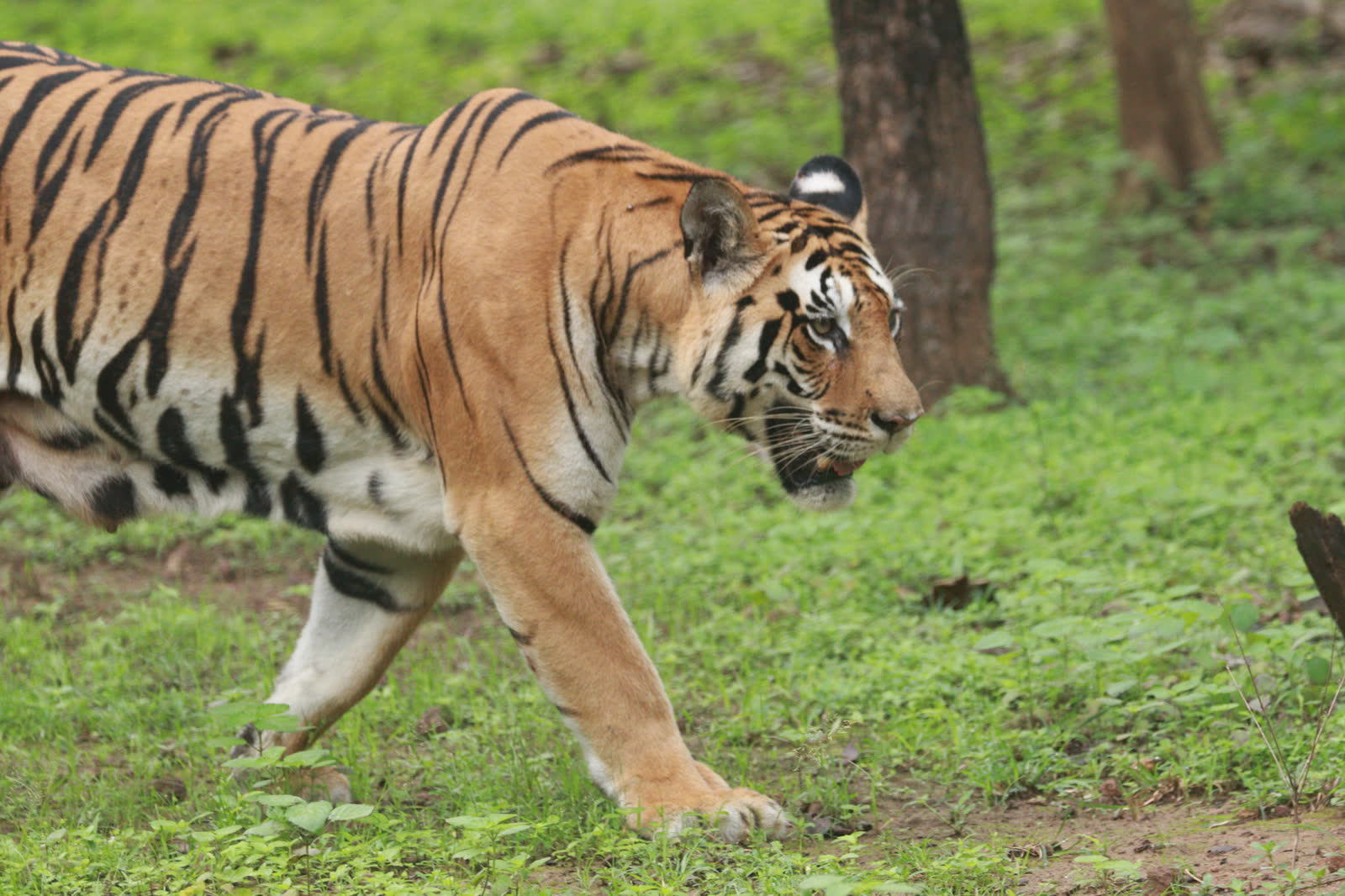
Satpura holds tigers, with around 40 estimated in recent counts, but the reserve is about variety rather than one species. Leopards, sloth bears, dhole and gaur are seen regularly, so a tiger sighting is a rewarding bonus. No sighting can be promised, but the landscape and the variety of safaris make every day full.
Which safari zone is best in Satpura?
There is no single best zone. Madhai is the main hub, with jeeps, boats, canoes and walks, Churna is a deep-forest zone that is strong for big cats and dhole, and the Pachmarhi side offers hill-station routes and a buffer night safari. Combining two gives the fullest picture.
How do Satpura safari arrangements work?
Jeep safaris are booked by gate, date and shift, while boat, canoe and walking safaris run with trained guides. Every guest needs valid ID. India Tiger Safari handles permits, vehicles, boats and guides for its private guests, so you can concentrate on the landscape and the animals.
What makes Satpura different from other tiger reserves?
Satpura offers several ways to explore: jeep drives, boat trips on the Denwa, canoe paddles and guided walks in the forest. It is a rugged landscape of sandstone gorges and sal and teak forest, with Indian giant squirrels, sloth bears, dhole and ancient rock paintings, and a very quiet, exploratory feel.
How do you reach Satpura National Park?
Bhopal, about 140 to 180 km away and roughly three to three and a half hours by road, is the nearest airport. Itarsi Junction, about 65 km away, and Pipariya, about 50 km away, are the nearest stations. At Madhai you cross the Denwa river by boat to reach the jeeps. A private transfer is the most comfortable option.
Is Satpura suitable for families?
Yes, especially for families who enjoy variety. Boat rides, canoe trips and gentle walks suit children, and drives are unhurried. Lodges beside the river and in the forest offer gardens and quiet settings, and a private guide lets families set a comfortable pace.
What should you wear on a Satpura safari?
Choose muted greens, browns and khaki, and layer up, since winter mornings in an open jeep or boat are cool. In summer, bring a hat, sunscreen and light long sleeves. Wear closed shoes with grip for walking safaris, and carry binoculars for the birds and squirrels.
Is a private jeep available in Satpura?
Yes. A jeep permit covers one vehicle for up to six guests, so a private group can have it to itself, with boats, canoes and walks arranged privately too. India Tiger Safari arranges a private jeep and a naturalist guide devoted to your party as part of its bespoke journeys.