Manas National Park: Safari Guide
The world's only wild population of the pygmy hog, and a stronghold of the golden langur
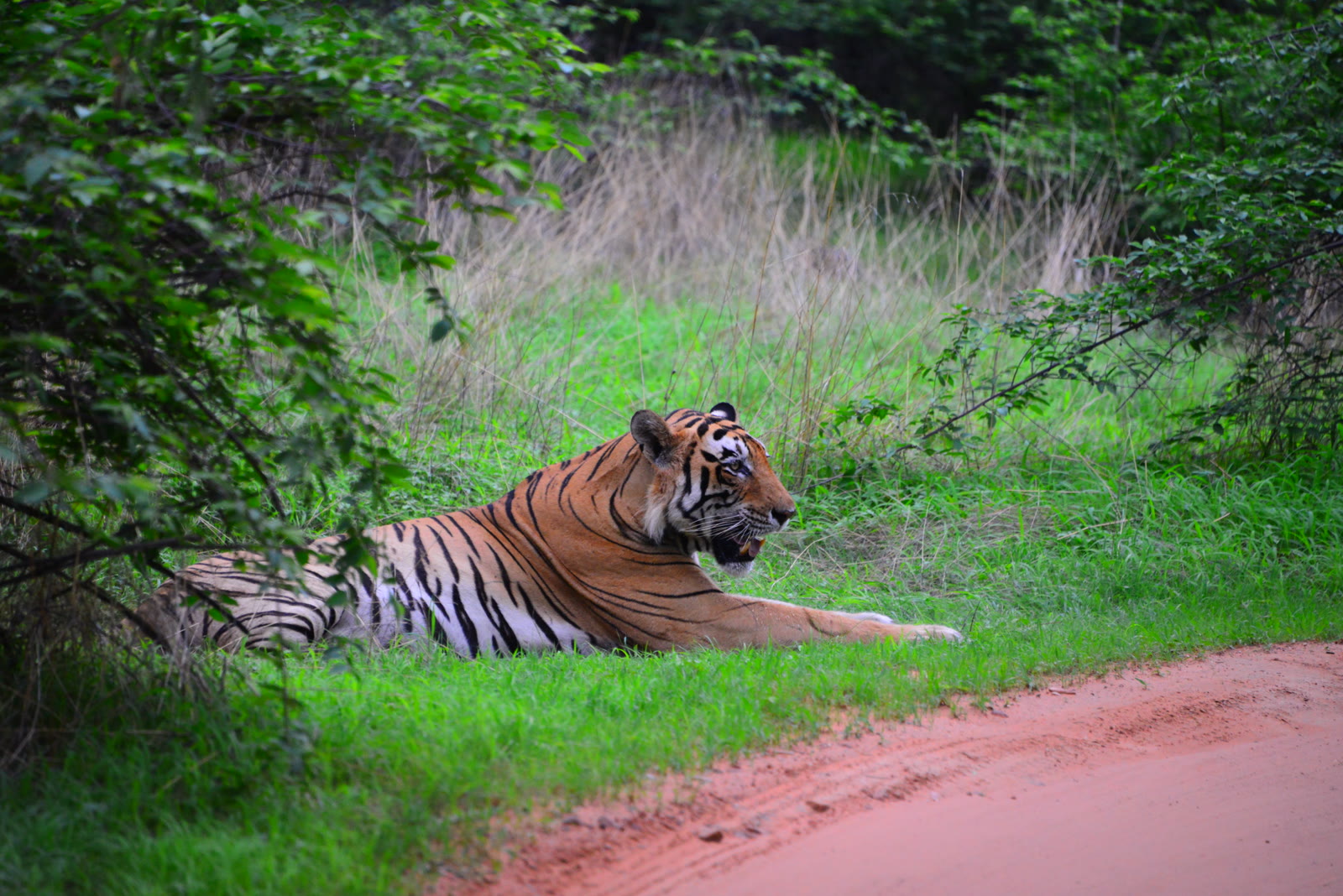
About Manas National Park
Manas National Park lies across Chirang and Baksa districts in the Bodoland Territorial Region of western Assam, in India's northeast, where the land rises gently from the Brahmaputra plains into the foothills of the Eastern Himalaya. The park sits directly on the international border with Bhutan, adjoining Bhutan's own Royal Manas National Park, and takes its name from the Manas River, a major tributary of the Brahmaputra that forms much of its western boundary and gives the park its defining rhythm of forested hills, grassland terraces and braided river channels.
Manas has one of the longest protected histories in the region. The area was first declared a sanctuary in October 1928, with an initial area of 391 km². Three adjoining reserve forests were added over subsequent decades, and Manas was formally established as a national park in 1990; it had already been inscribed as a UNESCO World Heritage Site in 1985 and declared a Biosphere Reserve in 1989. Today the park covers approximately 850 km². Manas passed through a difficult period in the 1990s and early 2000s, and its emergence from that period stands as one of Assam's defining conservation achievements: coordinated protection efforts restored its wildlife and infrastructure so thoroughly that the site was removed from the UNESCO List of World Heritage in Danger in 2011, and the park has been rebuilding toward its full ecological richness ever since.
Geographically, Manas is a transition zone unlike almost anywhere else in India: its northern reaches climb into forested, sandstone-and-limestone hill terrain bordering Bhutan, while its southern stretches open into classic alluvial grassland and riverine forest more typical of the Brahmaputra valley. The Manas River itself, along with smaller channels threading the park, supports dense gallery forest and seasonal wetlands, and the confluence area at Mathanguri, right on the Bhutan border, is among the most scenic settings of any Indian national park.
Manas is best known today as the world's only home to the pygmy hog and as one of the last strongholds of the golden langur, both found here and in few other places on Earth. It is equally significant as a haven for the wild water buffalo, a genuinely wild and now increasingly rare population, and its elephant and Bengal tiger numbers have grown steadily as protection has strengthened over the past decade, with rhinos successfully reintroduced from 2007 onward after being reduced to local extinction. Its position straddling the India–Bhutan border also makes it part of one of the largest contiguous conservation landscapes in Asia.
What to expect: A Manas safari trades open floodplain panoramas for a more intimate, forested experience of grassland terraces, river crossings and the dramatic foothill backdrop of Bhutan, with the golden langur, wild buffalo, elephant and a fast-recovering tiger population as the park's headline draws. Sightings, while never promised, have become steadily more frequent as Manas's wildlife populations continue their recovery, and the setting itself, quieter and far less visited than Assam's other parks, is a considerable part of the appeal.
Facts About Manas National Park
| Field | Detail |
|---|---|
| Location | Chirang and Baksa districts, Bodoland Territorial Region, Assam |
| State | Assam |
| Established | Sanctuary 1928; Biosphere Reserve 1989; National Park 1990; UNESCO World Heritage Site 1985 |
| Area | Approximately 850 km² |
| Protected Area Type | National Park, Tiger Reserve, Biosphere Reserve and UNESCO World Heritage Site |
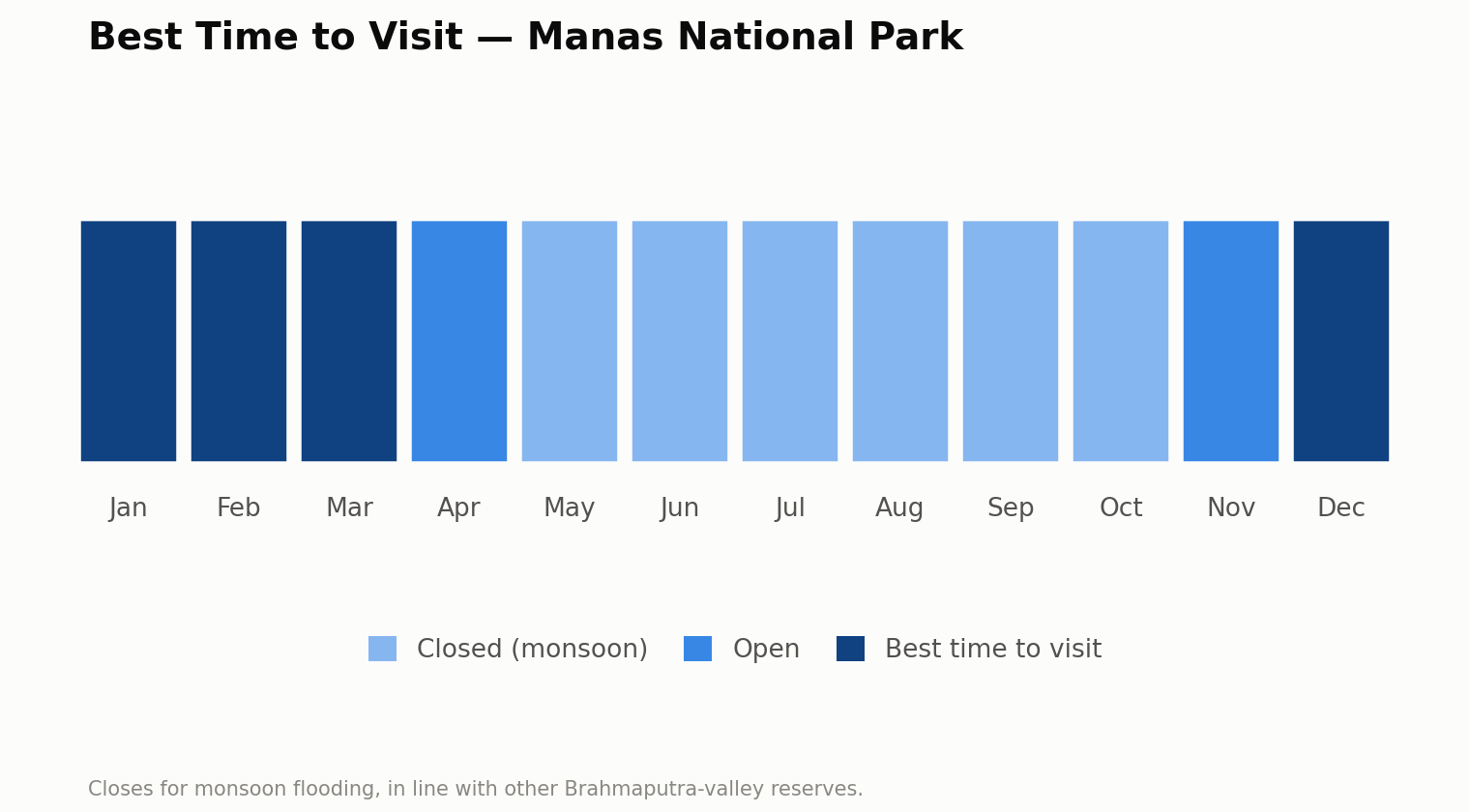
| Functional Days | November to April (safari season) |
| Annual Closure | May to October, for the monsoon |
| Weekly Offs | None — safaris run daily through the open season |
| Best Time to Visit | November to April, with peak sightings December to March |
| Recommended Safari Duration | 2–3 nights |
| Vegetation | Sub-Himalayan grassland terraces, riverine and semi-evergreen forest, sal forest on higher ground |
| Elevation | 61–110 metres above sea level |
| Major Wildlife | Bengal tiger, Asian elephant, golden langur, pygmy hog, wild water buffalo, Indian rhinoceros |
| Famous For | The world's only wild population of the pygmy hog, and a stronghold of the golden langur |
Functional days. Safaris run in morning and afternoon shifts through the open season, with jeep drives concentrated in the Bansbari and Bhuiyapara ranges and river crossings arranged where routes require them.
Yearly off. The park closes for the monsoon from May through October, when the Manas River rises and the grassland terraces are left to regenerate undisturbed.
Weekly offs and rules. There is no weekly closure in season; permits are range-specific, vehicle numbers are capped, and an authorised guide accompanies every safari.
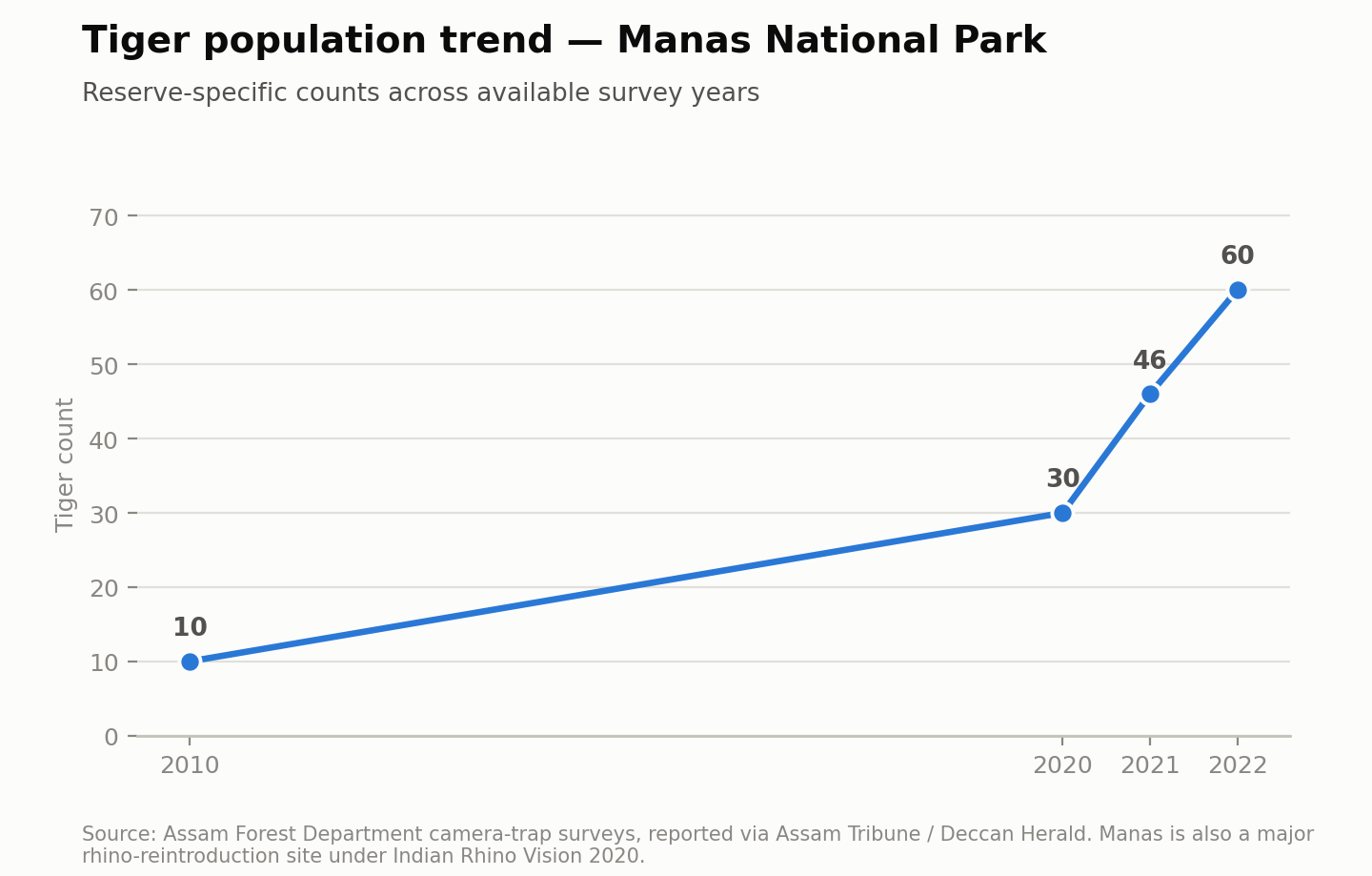
Tiger Density and Other Major Species
| Year | Recorded Tiger Population |
|---|---|
| 2010 | 10 |
| 2020 | 30 |
| 2021 | 48 |
| 2022 | 60+ |
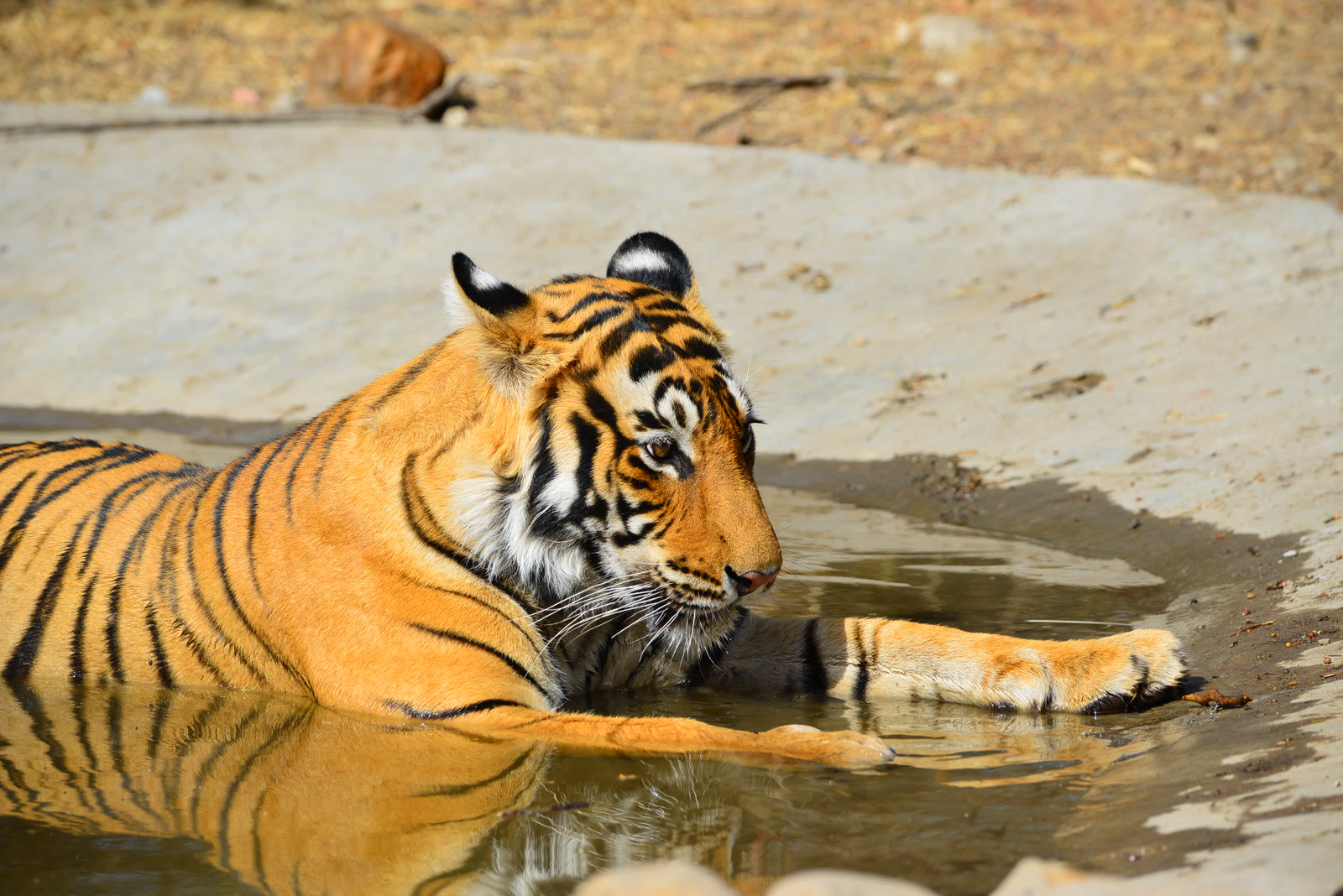
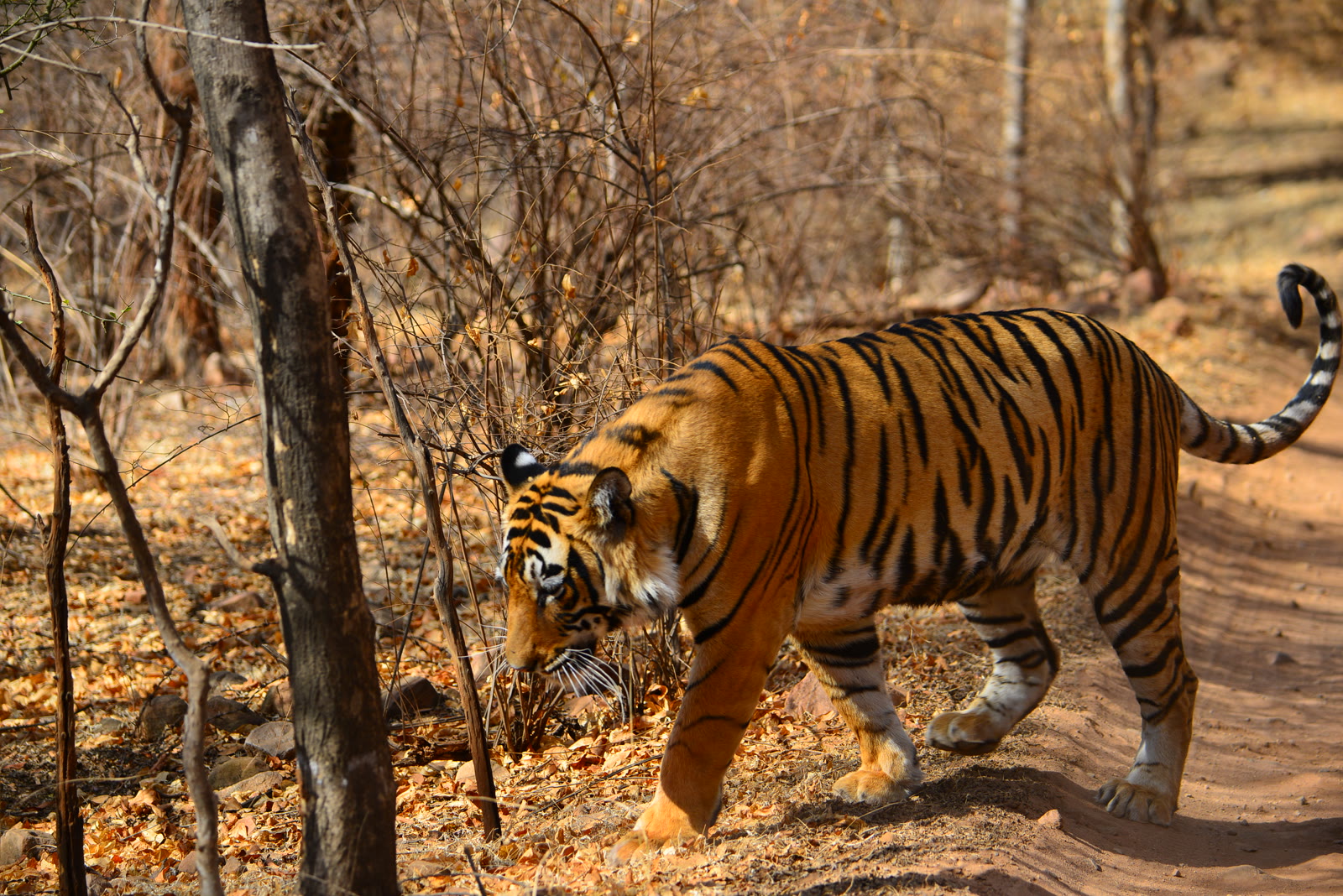
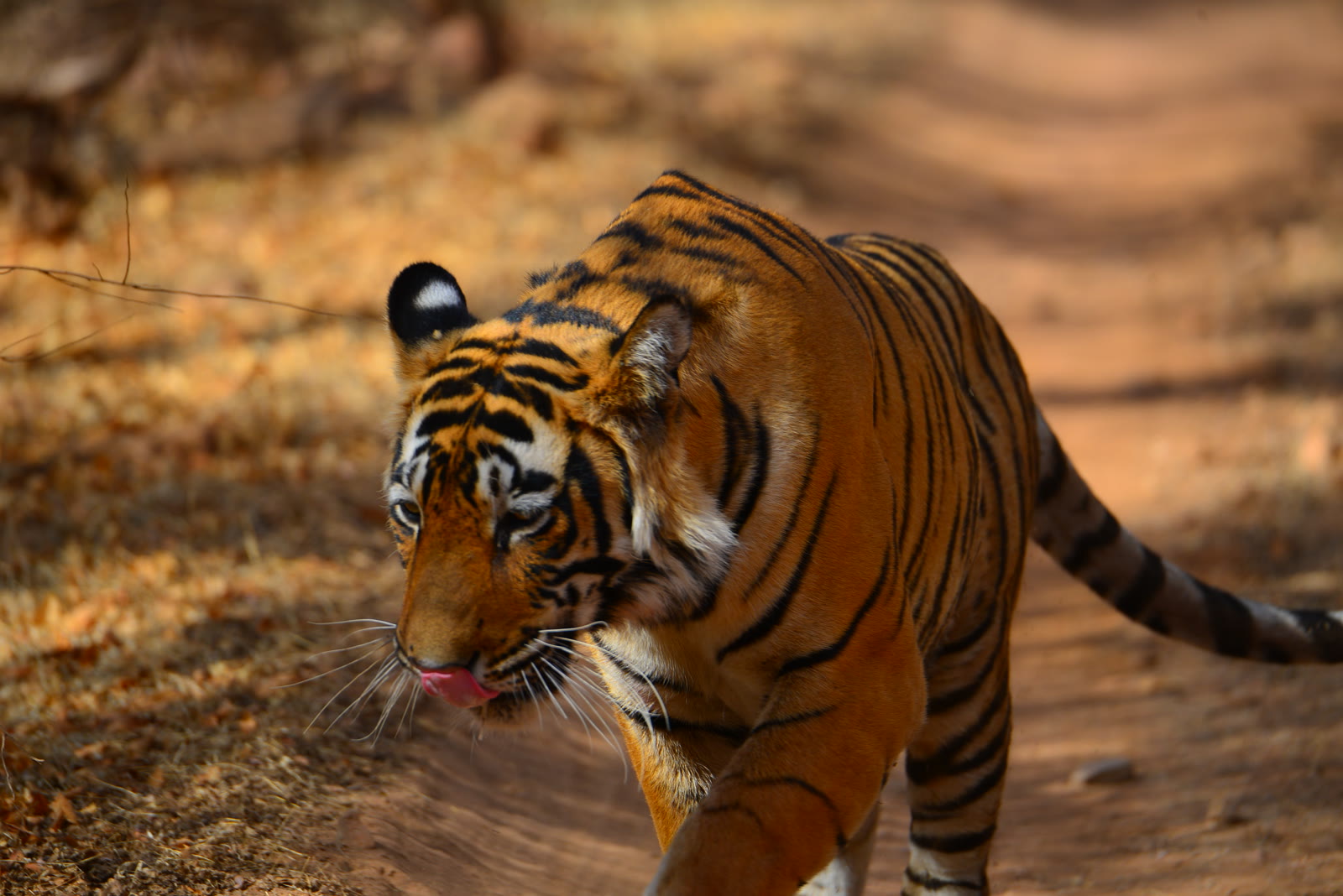
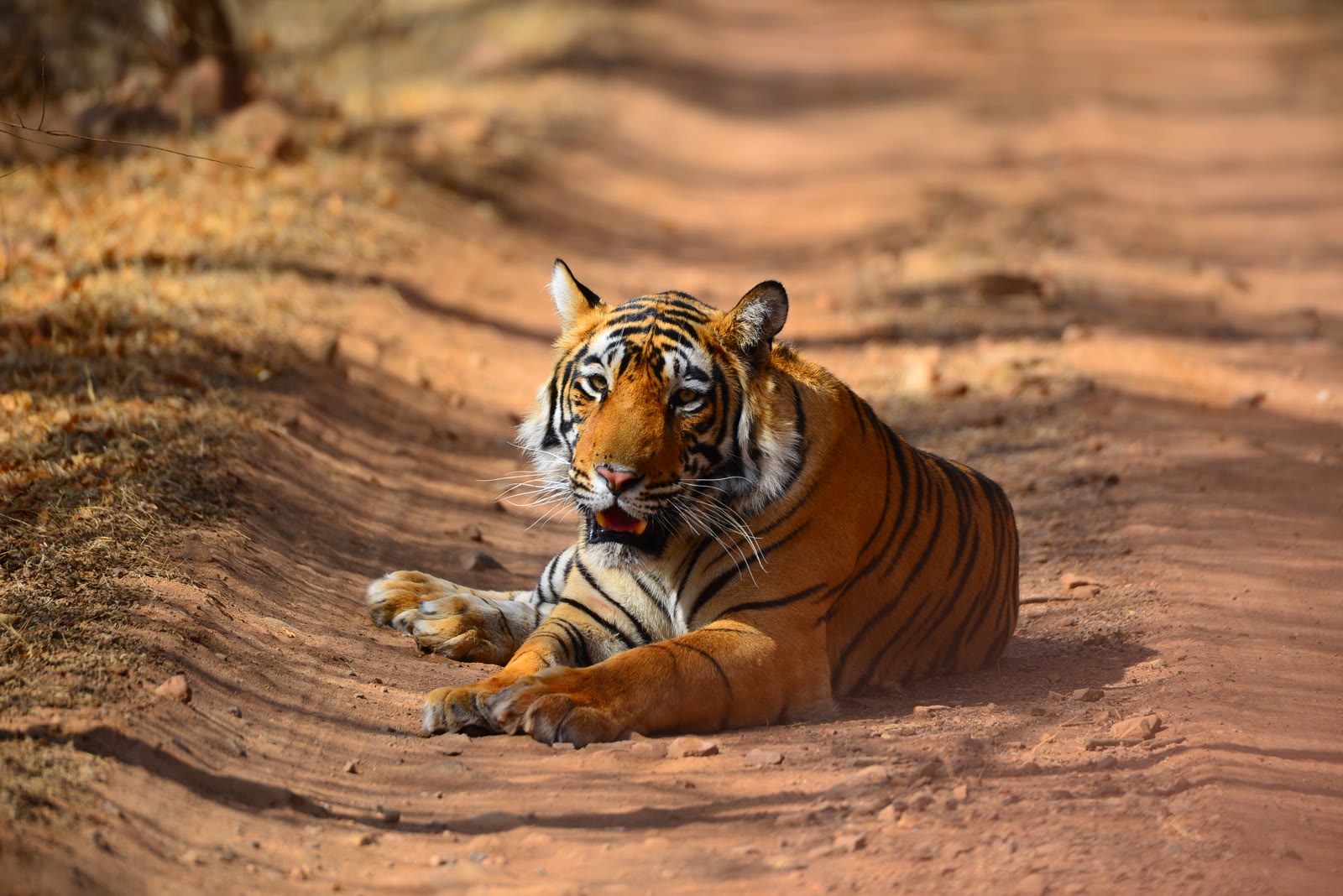
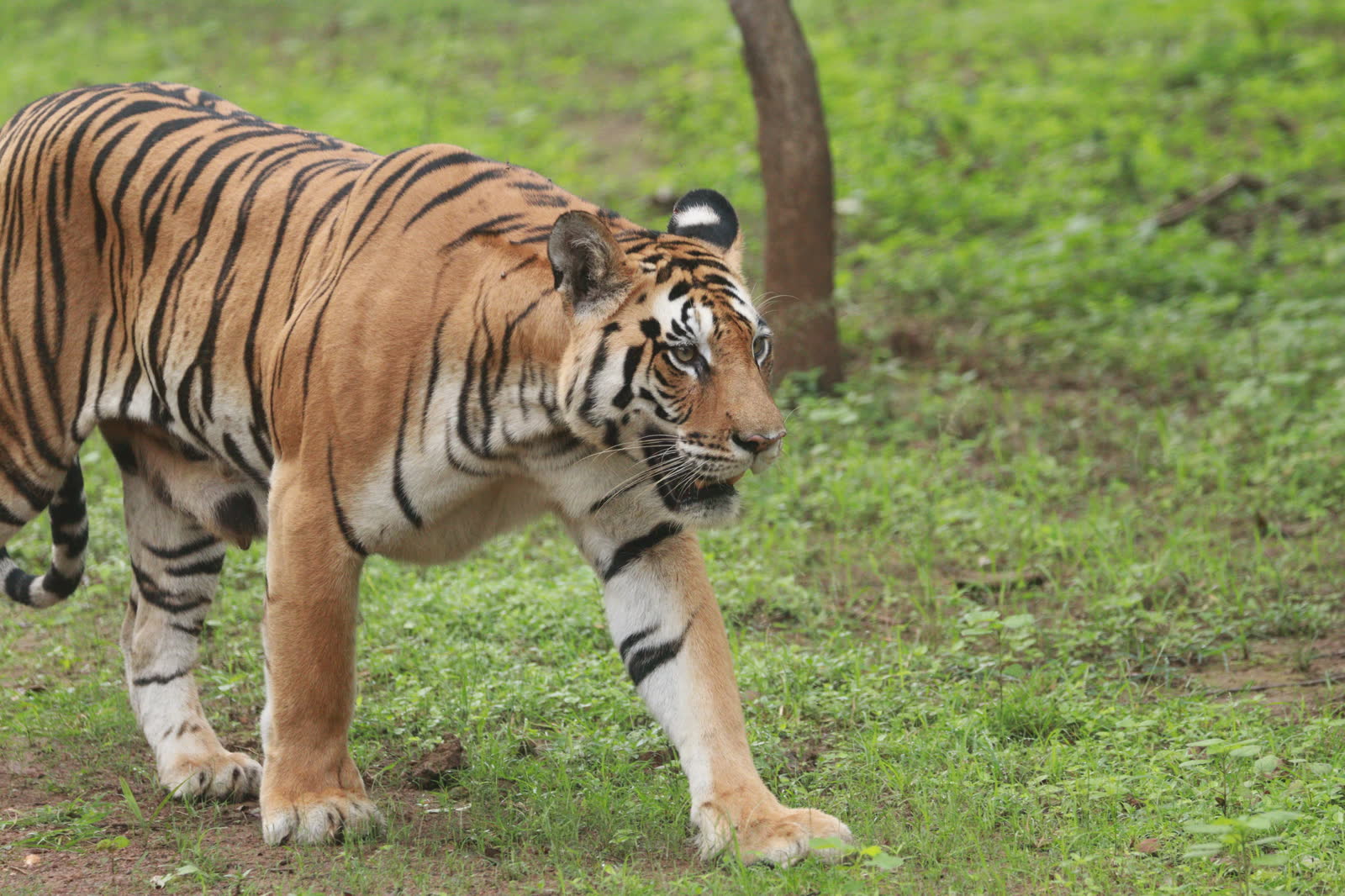
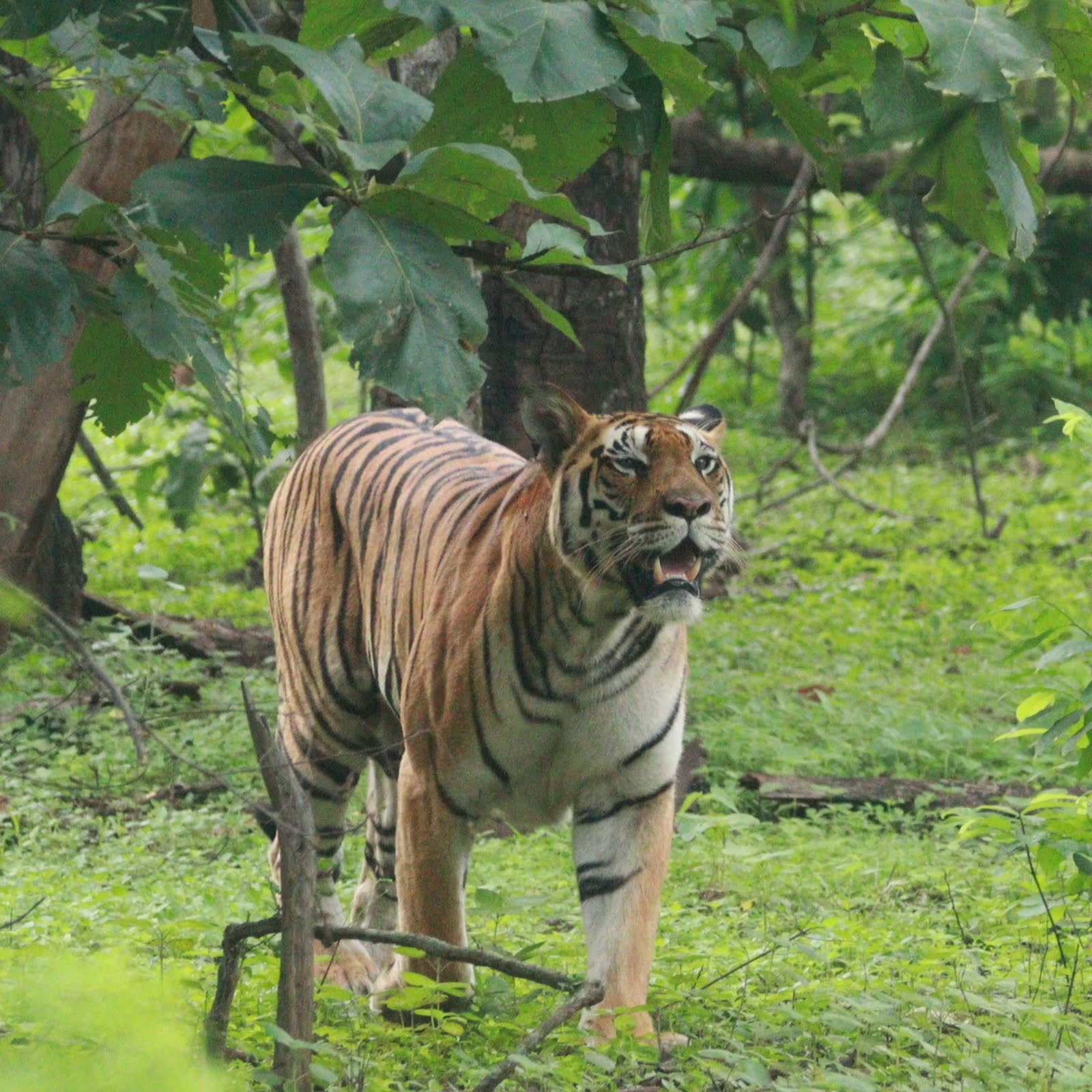
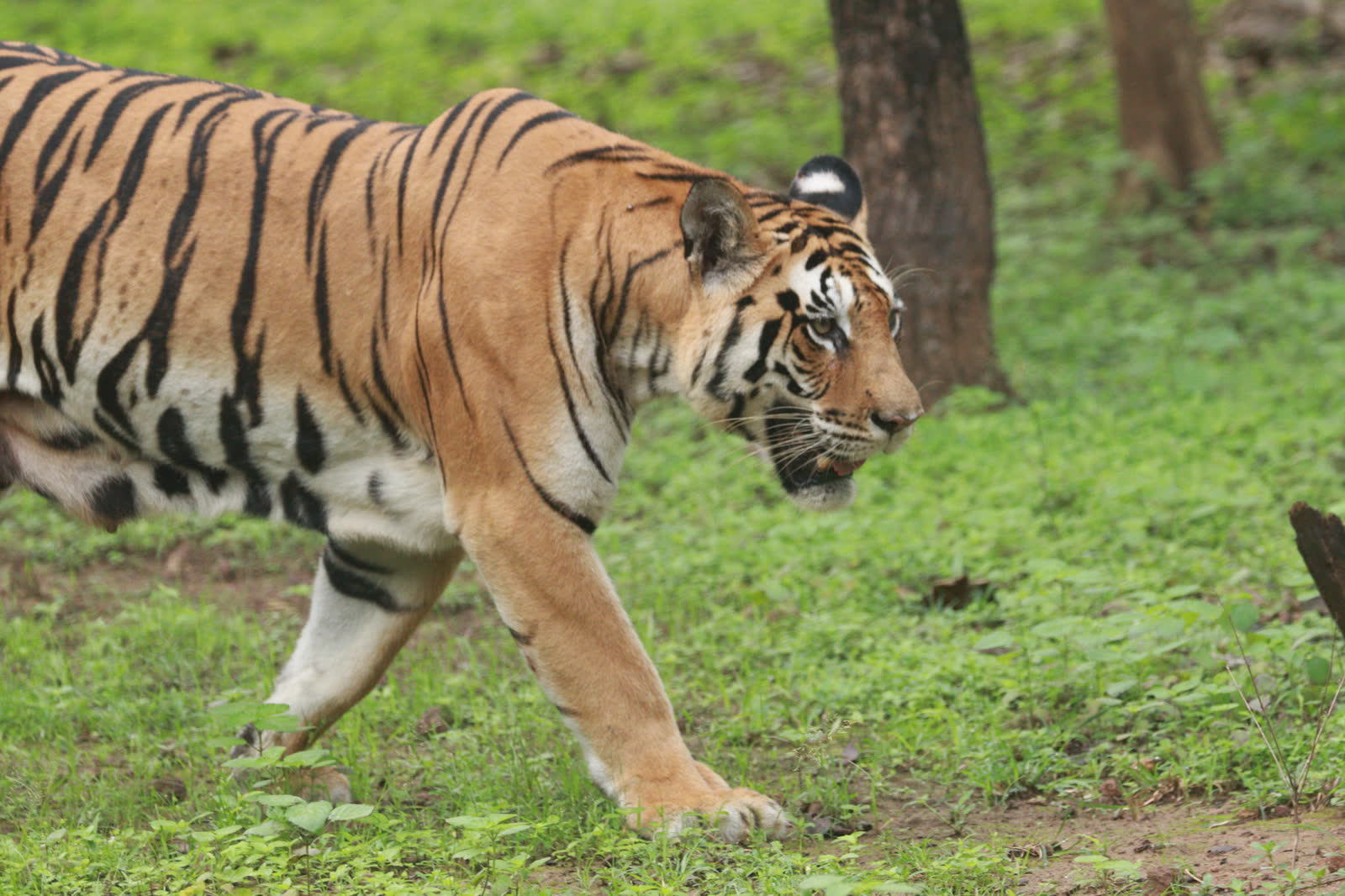
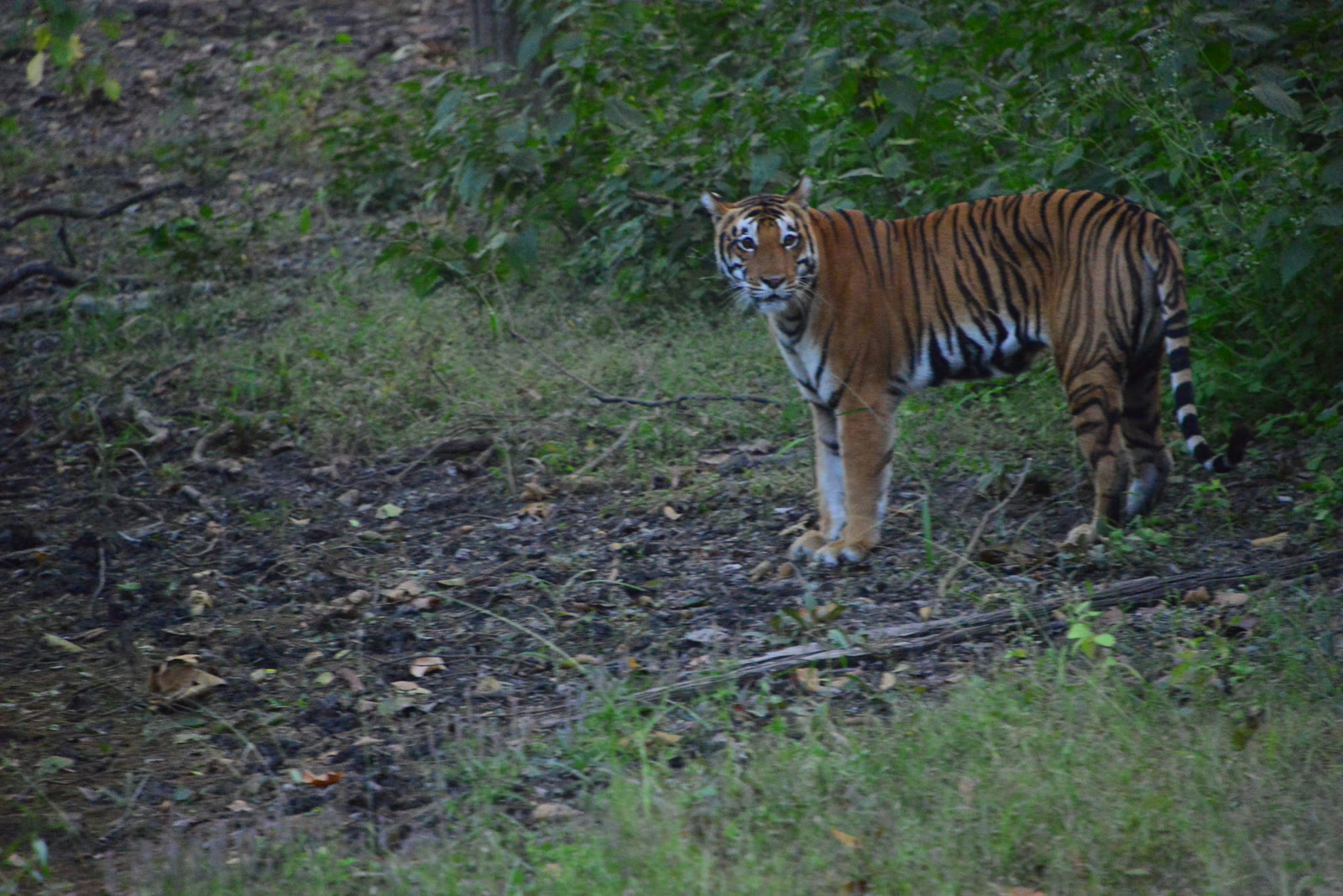
Manas's tiger population has climbed sharply over the past decade, one of the standout recovery stories among India's tiger reserves, with numbers roughly doubling between 2020 and 2022 alone. Alongside this, the park's rhinos, reintroduced from 2007 as part of a cross-border conservation programme with Bhutan, continue to breed successfully within the park. Sightings of both species are strongest around the Bansbari and Bhuiyapara ranges, and, as with any wild population, are never guaranteed, though naturalists report increasingly regular encounters as numbers grow.
Other species
- Golden langur: One of the park's signature species, found in the forested hill terrain toward the Bhutan border, and rarely seen outside this region.
- Pygmy hog: The world's only wild population lives here; a shy, grassland-dwelling species seen mainly by patient, early visitors.
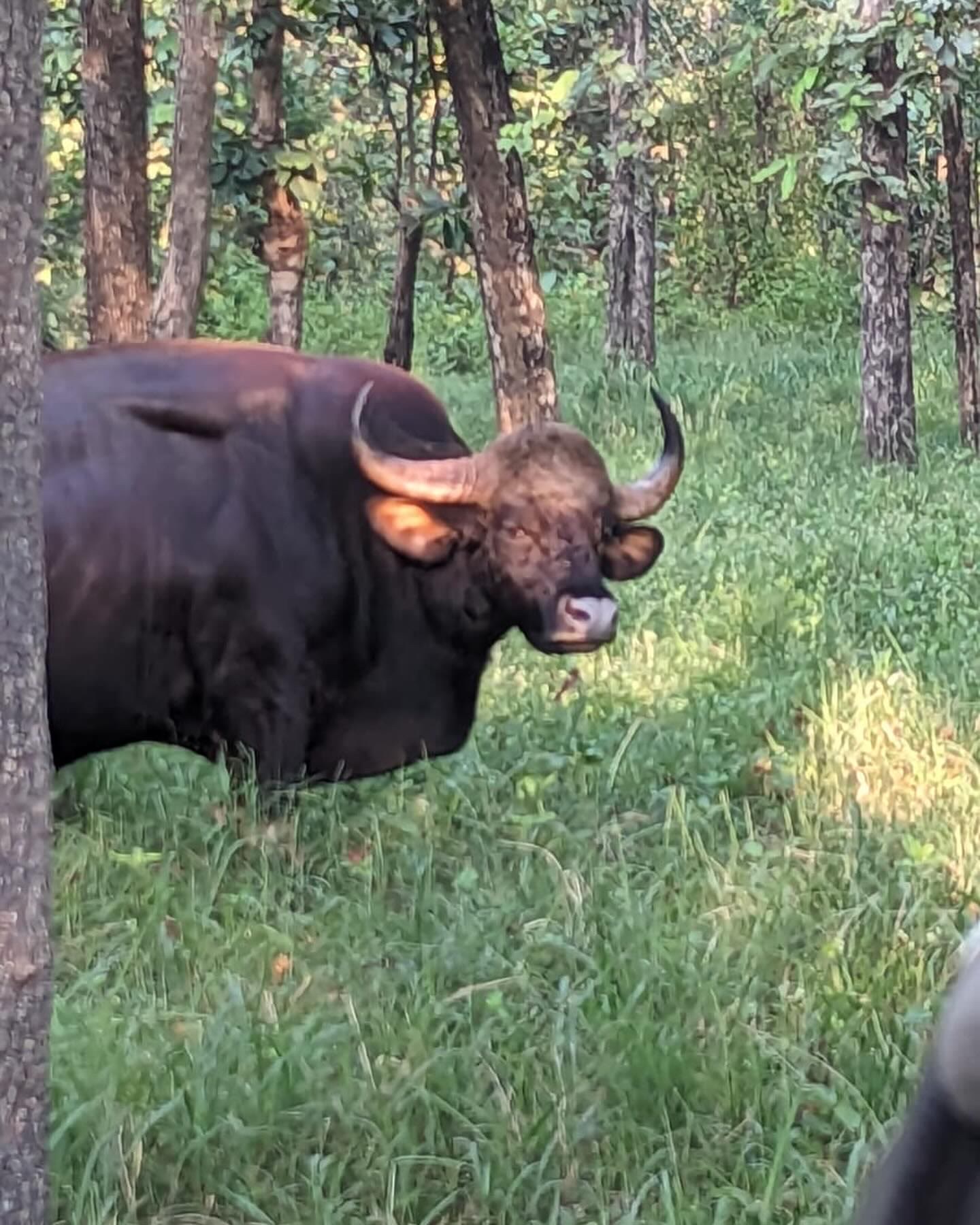
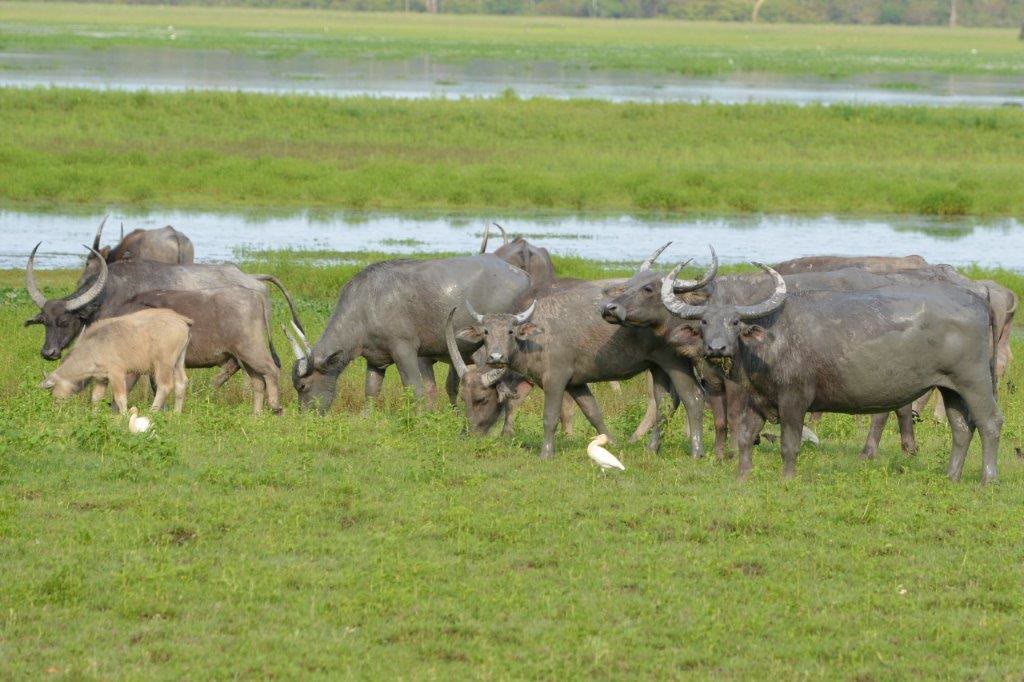
- Wild water buffalo: A genuinely wild population grazes the southern grassland terraces, distinct from domesticated herds elsewhere in Assam.
- Asian elephant: Present in good numbers year-round, often encountered near the Manas River and at Mathanguri.
- Indian rhinoceros: Reintroduced from 2007 and steadily breeding within the park's protected core.
- Capped langur and Assamese macaque: Common in the forested northern ranges alongside the rarer golden langur.
- Birds: More than 450 species have been recorded, including the largest known population of the Bengal florican, along with great hornbills, pied harriers and a wide range of riverine waterfowl.
Safari Zones in Manas National Park
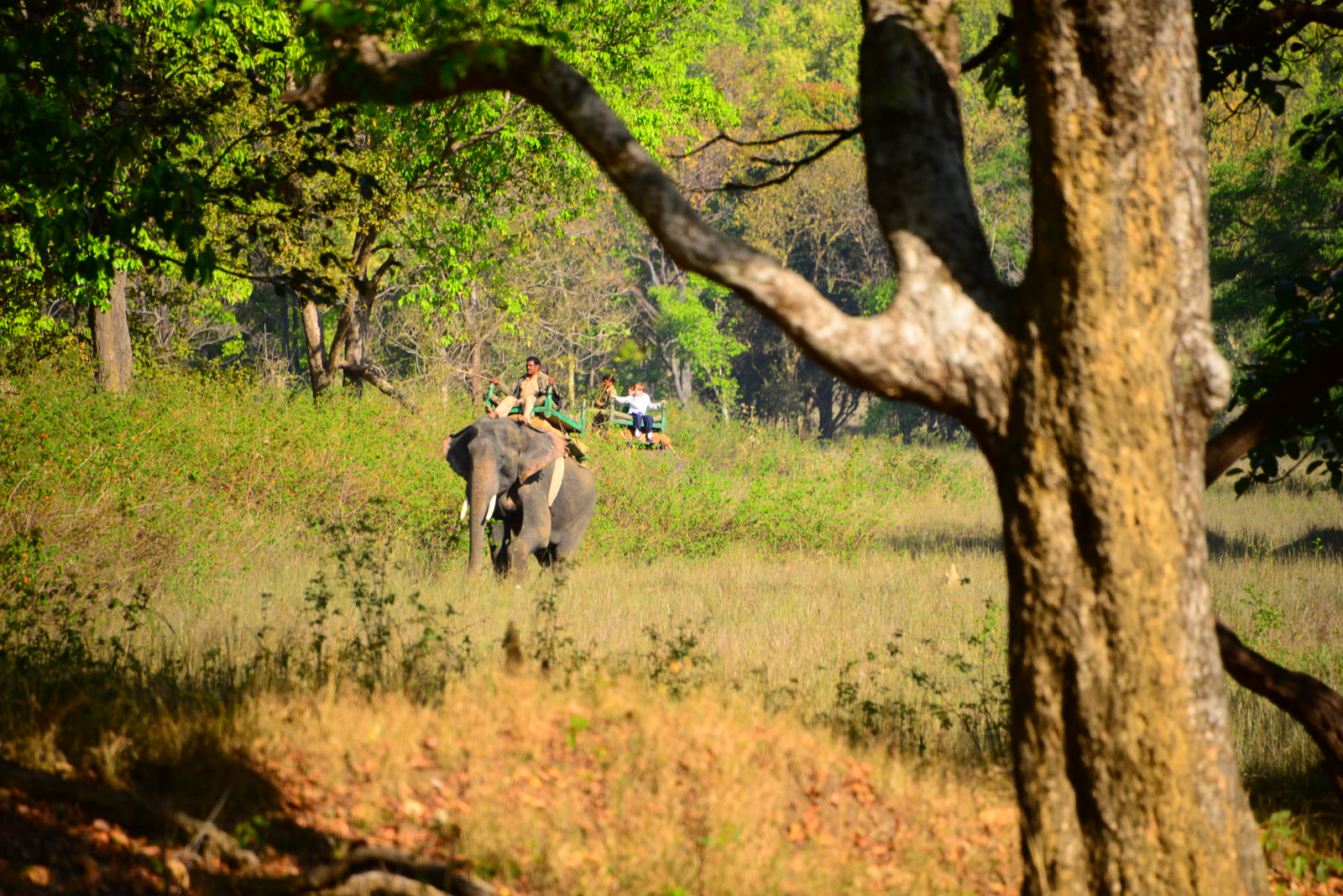
Manas is managed across three ranges, each entered on its own permit, with jeep safaris the primary way to explore and river crossings occasionally required between sectors.
| Zone | Character |
|---|---|
| Central (Bansbari) | Main tourist gateway; forest and grassland leading to the Bhutan border |
| Western (Panbari) | Denser forest, quieter, strong for birdlife |
| Eastern (Bhuiyapara) | Grassland terraces, good for buffalo and elephant |
Central Range (Bansbari)
Bansbari, near Barpeta Road, is Manas's principal entry point and the range most visitors experience, running north along the Manas River toward Mathanguri at the Bhutan border — widely regarded as one of the most beautiful settings of any safari drive in India, with forested hills rising directly across the water.
Western Range (Panbari)
Panbari is a smaller, more densely forested range known for its birdlife and quieter trails, better suited to naturalist-led walks and slower-paced wildlife watching away from the main safari circuit.
Eastern Range (Bhuiyapara)
Bhuiyapara, near Pathsala, opens onto grassland terraces that favour wild buffalo, elephant and swamp deer, and offers a genuinely different landscape from the river-hugging drives at Bansbari.
Vehicles and rules
Each range caps its daily jeep permits, with a naturalist or forest-department guide required on board; river crossings between some sectors are arranged locally and depend on water levels. India Tiger Safari would be delighted to design your fully private Manas safari: a bespoke journey through the ranges that suit you best, with curated stays, a private jeep and a naturalist guide devoted to your party.
Mammals and Birds
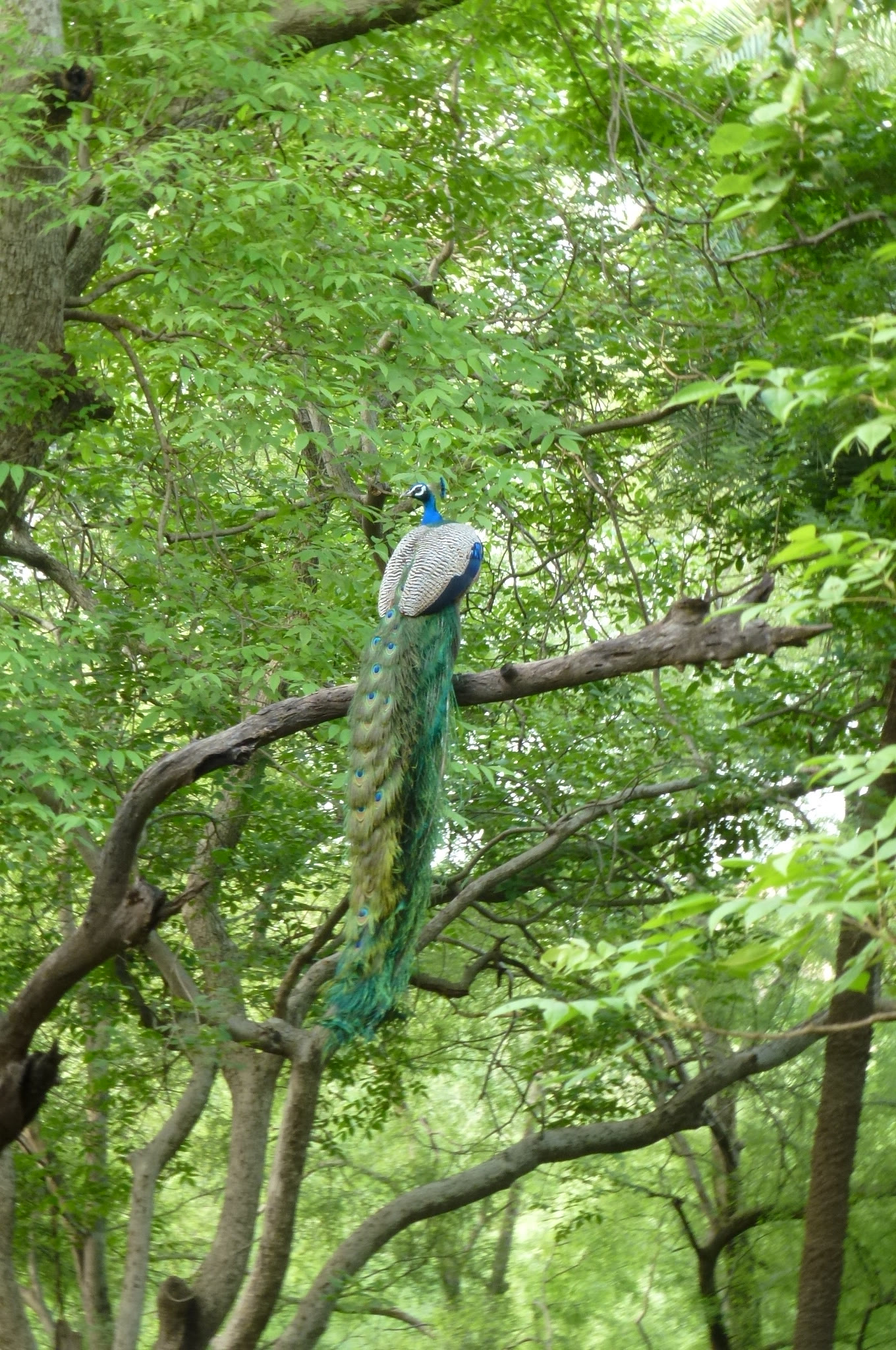
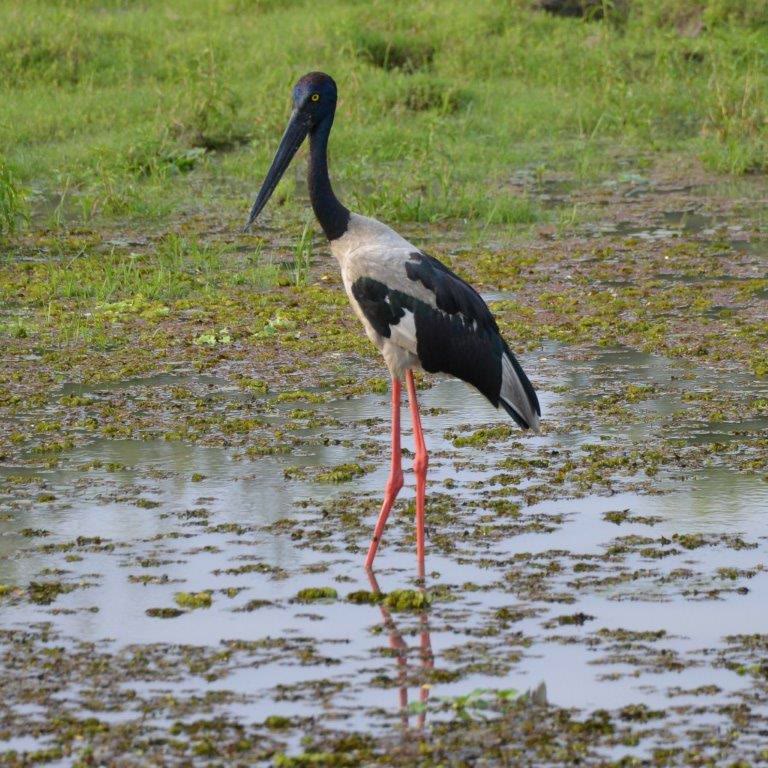
The lists below are representative and not complete.
Mammals
- Bengal tiger
- Asian elephant
- Indian rhinoceros
- wild water buffalo
- golden langur
- pygmy hog
- capped langur
- Assamese macaque
- hoolock gibbon
- sloth bear
- Indian leopard
- clouded leopard
- sambar
- hog deer
- barking deer
- gaur
- Indian wild dog
- smooth-coated otter
- hispid hare.
Birds
- Bengal florican
- great hornbill
- wreathed hornbill
- pied harrier
- rufous-necked hornbill
- Pallas's fish eagle
- white-winged duck
- black stork
- swamp francolin
- Jerdon's babbler
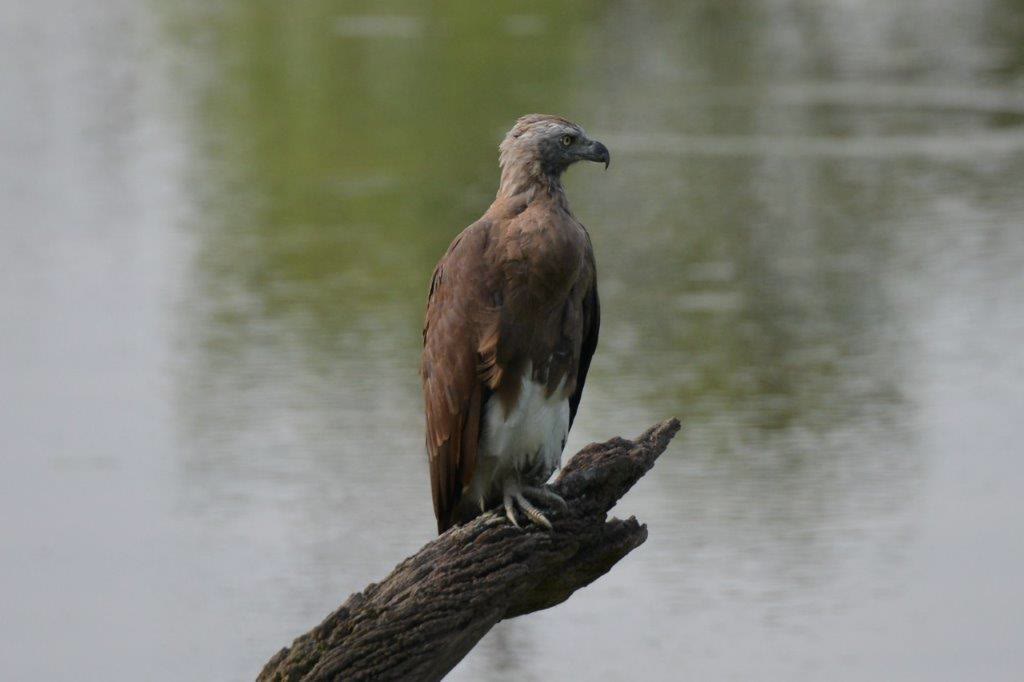
- grey-headed fish eagle
- spotted eagle
- crested serpent eagle
- red-headed trogon
- ibisbill.
Accessibility
Manas is reached through the town of Barpeta Road, with Guwahati serving as the region's main air and rail gateway.
Train
| Station | Distance and road time | Why use it |
|---|---|---|
| Barpeta Road | 22 km to Bansbari, about 40 minutes | Nearest and best-connected station, with regular links to Guwahati |
| New Bongaigaon Junction | Roughly 70 km, about 2 hours | Alternative for wider rail connections |
Air
| Airport | Distance and road time | Onward transport |
|---|---|---|
| Lokpriya Gopinath Bordoloi International Airport, Guwahati | Approximately 176 km, about 4–4.5 hours | Private transfer or taxi |
Guwahati is the only practical air gateway to Manas, with the drive west along National Highway 31 passing through Barpeta before reaching the Bansbari range.
Road
Guwahati to Manas (Bansbari): About 176 km via NH 31, roughly 4–4.5 hours by private car. Barpeta Road to Bansbari: About 22 km, under an hour, the final and most direct approach. Manas to Kaziranga: About 400 km, a full-day transfer for guests combining both parks in one itinerary.
Inside the park, only authorised safari vehicles are used, with a naturalist on board, and river crossings between sectors are arranged locally depending on water levels.
Accommodation
Lodges cluster around the Bansbari gateway, close to Barpeta Road, with a small number of properties inside the park's fringe villages.
Boutique lodges and eco-lodges
A handful of well-regarded boutique lodges near Bansbari offer comfortable cottages, home-style Assamese dining and close working relationships with local naturalists and community guides.
Forest rest houses and jungle camps
Simple forest department rest houses exist within the park's fringe, including at Mathanguri on the Bhutan border, offering a closer, quieter base for early safaris, subject to availability.
Budget stays
Guesthouses in Barpeta Road and nearby villages offer straightforward, inexpensive bases for travellers prioritising value, with community-run stays supporting local Bodoland families.
Choosing well
- Gate proximity: A base near Bansbari minimises transfer time to the park's main safari circuit.
- Dining: Look for properties serving Assamese and Bodo regional dishes for a fuller sense of place.
- Guiding: Confirm an in-house naturalist accompanies safaris, alongside the mandatory forest guide.
- Families: Cottage-style boutique lodges near Bansbari suit families better than the more basic forest rest houses.
India Tiger Safari's bespoke private itineraries pair each range with a curated lodge.
People Also Visit
Manas is most naturally paired with Assam's other great park, a few hours to the east.
Kaziranga National Park
Kaziranga lies about 400 km east of Manas, roughly a full day's drive or a short domestic connection via Guwahati, and offers a strikingly different landscape of open Brahmaputra floodplain and grassland, with the world's largest population of the one-horned rhinoceros as its centrepiece. Many guests combine Manas and Kaziranga into a single Assam safari itinerary, pairing Manas's forested hills and golden langur with Kaziranga's open grassland and rhino density.
Manas National Park FAQs
What is the best time to visit Manas National Park?
November to April is the safari season, with December to March offering the clearest weather and the best wildlife visibility.
How many days are needed for a Manas safari?
Two to three nights allow guests to cover the Bansbari and Bhuiyapara ranges, along with the scenic drive to Mathanguri on the Bhutan border.
Can you see tigers in Manas National Park?
Manas's tiger population has grown sharply in recent years, and sightings, while never guaranteed, have become increasingly regular as numbers rise.
Which range is best for a first safari in Manas?
Bansbari is the classic introduction, combining forest, grassland and the scenic river drive toward Mathanguri; Bhuiyapara is a strong second range for buffalo and elephant.
How do Manas safari arrangements work?
India Tiger Safari handles permits, vehicles and naturalist guides for its private guests, building each Manas itinerary around preferred ranges, timings and pace.
What other wildlife can be seen in Manas besides tigers?
Golden langur, the world's only wild pygmy hog population, wild water buffalo, elephant, reintroduced rhinos and more than 450 recorded bird species.
How do you reach Manas National Park?
Most guests fly into Guwahati and transfer by road via Barpeta Road; Barpeta Road railway station is the nearest, about 22 km from the Bansbari gate.
Is Manas suitable for families with children?
Yes — the shorter drives and scenic river setting at Bansbari make Manas an easy, low-pressure safari for families, though its lower wildlife density suits families already comfortable with a quieter park.
What should guests wear on a Manas safari?
Neutral, muted colours, layered clothing for cool mornings in the foothills, a hat, sunscreen and closed shoes are recommended for open-jeep drives.
Is a private jeep available in Manas?
Yes — India Tiger Safari arranges a private vehicle and a dedicated naturalist guide as part of its bespoke Manas journeys.