Dudhwa National Park: Safari Guide
Barasingha, reintroduced rhinos, Bengal florican and Terai grasslands
About Dudhwa National Park
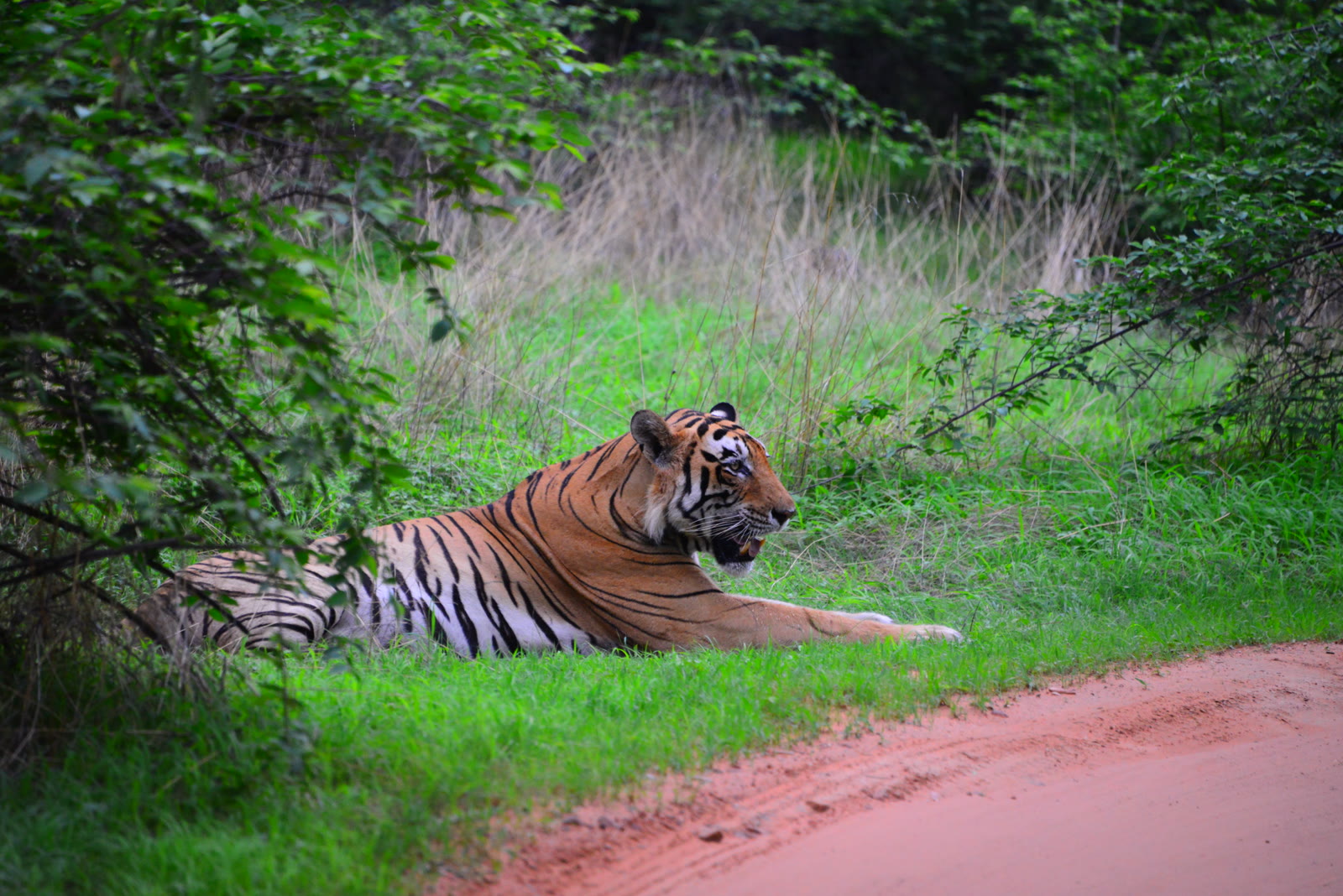
Dudhwa National Park lies in the Terai belt of northern Uttar Pradesh, in Lakhimpur Kheri district along the border with Nepal. It is a landscape of tall grasslands, marshes and sal forest on a flat alluvial plain, at only 150 to 182 m above sea level, watered by the Suheli and Mohana rivers. The park covers about 490 km² with a buffer of around 190 km².
The area was first protected in 1958 as a sanctuary for swamp deer, or barasingha, and became a national park in January 1977, thanks largely to the work of the conservationist Billy Arjan Singh. In 1987 it was combined with Kishanpur and Katarniaghat wildlife sanctuaries to form Dudhwa Tiger Reserve, which now spans more than 2,000 km². Visitors can distinguish these parts clearly: the national park is the core around Dudhwa itself, while Kishanpur and Katarniaghat are separate sanctuaries with their own gates and landscapes.
This is one of India's finest Terai habitats. Tall elephant grass rolls across open plains, punctuated by shallow lakes such as Jhadi Tal and Surma Tal, and dense sal forest closes in along the drainage lines. It is the setting for a rare combination: tigers, leopards, Asian elephants, the great one-horned rhinoceros reintroduced in 1984–85, and one of the largest wild populations of swamp deer in India.
Dudhwa is a bird-watcher's park too, with more than 400 species including Bengal florican, sarus crane, swamp francolin and painted stork. Its wetlands and grasslands hold species that are hard to find elsewhere in India.
What makes Dudhwa distinctive within Indian wildlife tourism is its character. Drives feel expansive and unhurried, with views across open grassland, herds of barasingha in the winter light and rhinos grazing near the water. Local Tharu communities, who have lived in the Terai for generations, add a cultural dimension to the region.
What to expect: morning and afternoon drives in an open jeep with a forest guide, through grassland, forest and lakeside tracks. It is a quiet, spacious park where the pace is gentle and rewarding, and tigers and rhinos are highlights that are never promised but always in the background.
Facts About Dudhwa National Park
| Information | Details |
|---|---|
| Location | Lakhimpur Kheri district, on the Indo-Nepal border |
| State | Uttar Pradesh |
| Established | Sanctuary 1958; national park 1977; tiger reserve 1987 |
| Area | National park about 490 km² with a buffer of about 190 km²; tiger reserve over 2,000 km² |
| Protected Area Type | National park within Dudhwa Tiger Reserve, together with Kishanpur and Katarniaghat wildlife sanctuaries |
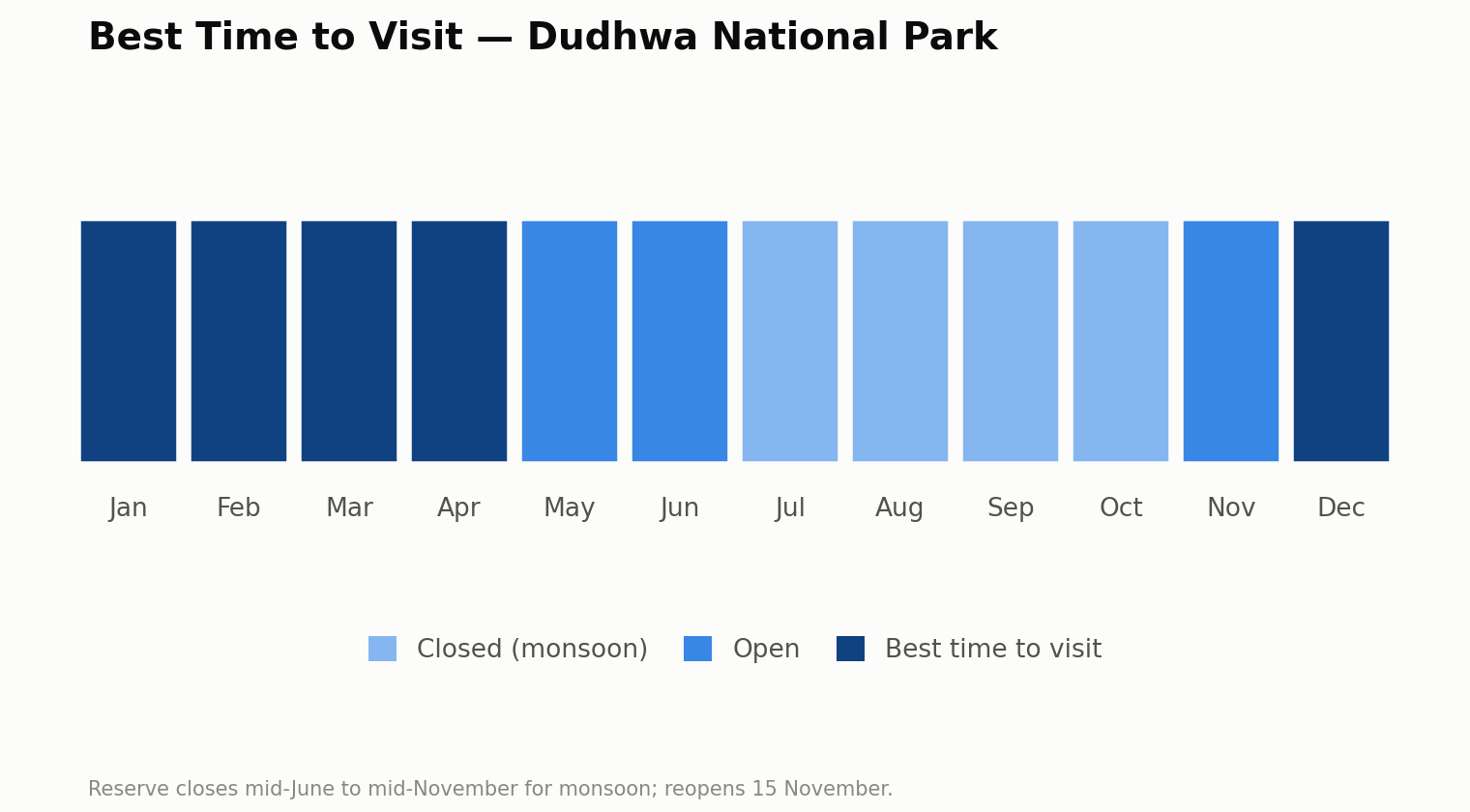
| Functional Days | Two daily shifts, from 15 November to 15 June |
| Annual Closure | Monsoon closure, roughly 16 June to 14 November |
| Weekly Offs | Drives generally run daily through the season |
| Best Time to Visit | November to April |
| Recommended Safari Duration | Two to three nights with three to five drives across two or more zones |
| Vegetation | Terai sal forest, tall grassland, wetlands and shallow lakes |
| Elevation | About 150–182 m |
| Major Wildlife | Tiger, leopard, swamp deer, Asian elephant, one-horned rhinoceros, hog deer, sloth bear |
| Famous For | Barasingha, reintroduced rhinos, Bengal florican and Terai grasslands |
Functional days. Drives run in a morning and an afternoon shift that follow the season. In winter, mornings are roughly 6:30 to 10:00 am, with afternoons from about 2:30 pm until sunset, and in summer both begin earlier.
Yearly off. The park closes for the monsoon, which is also the breeding season for many animals, and reopens on 15 November, when the grasslands are golden and the air is cool.
Weekly offs and rules. Drives run every day in season. Only authorised safari vehicles enter, each accompanied by a forest guide.
Tiger Density and Other Major Species
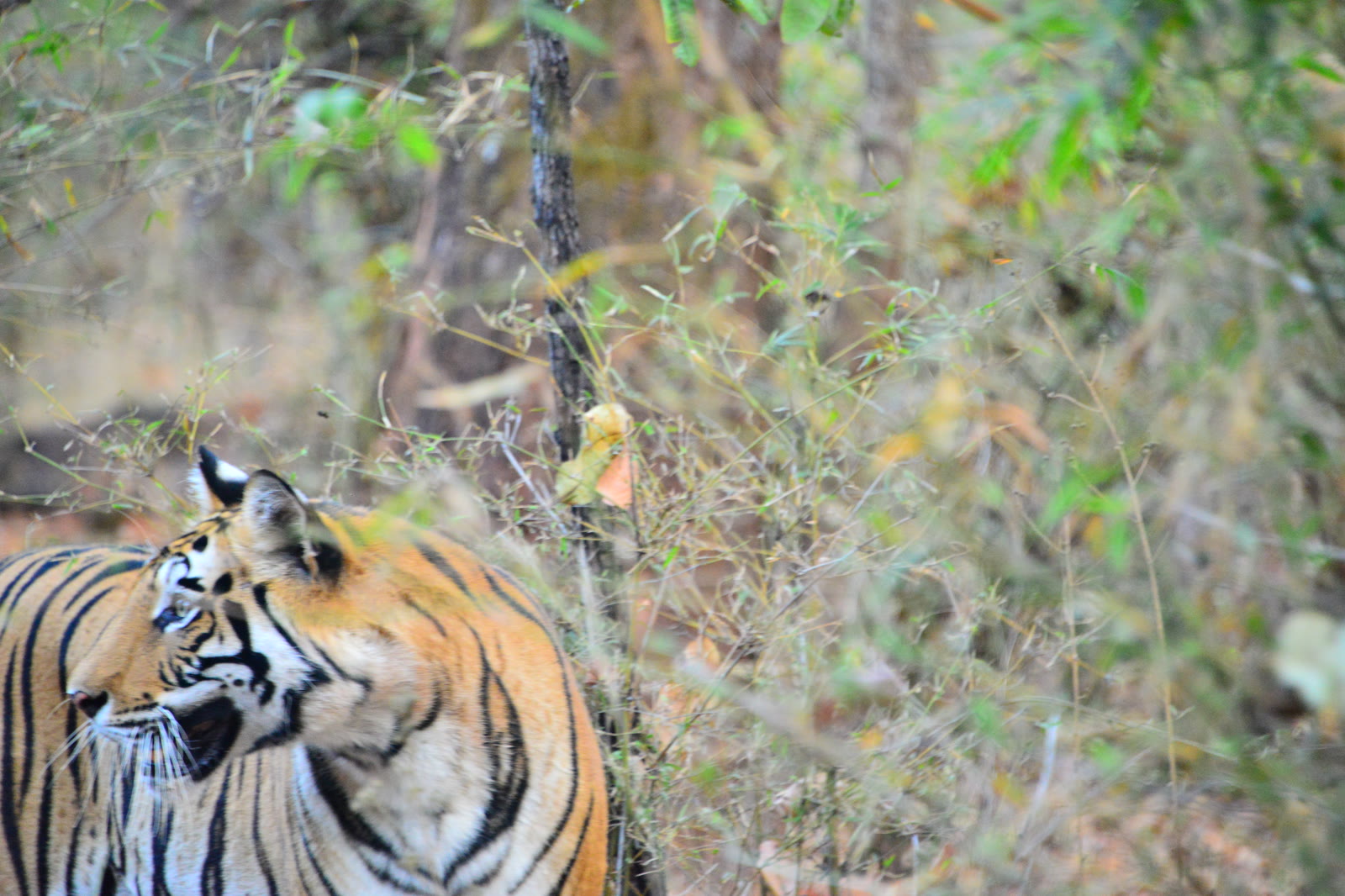
Dudhwa is one of India's clearest conservation success stories, and several of its species have risen strongly over the past decades.
| Year | Species and area | Estimated numbers |
|---|---|---|
| 2022 | Tigers, Dudhwa Tiger Reserve | About 135 |
| 2022 | Tigers, India | 3,682 (range 3,167–3,925) |
| 1977 to 2022 | Barasingha (swamp deer) | Up from 3,691 to 6,137 |
| 1977 to 2022 | Chital | Up from 22,408 to 36,636 |
| 1977 to 2022 | Hog deer | Up from 3,169 to 5,351 |
| 2022 to 2025 | Leopards | Up from 34 to 93 |
| 2024 | Rhinoceros | 46 |
The rhinoceros story is exceptional. One-horned rhinos, once locally extinct, were reintroduced from Assam and Nepal in 1984–85, and the population now numbers in the dozens. Dudhwa's early conservationists, notably Billy Arjan Singh, also pioneered the hand-rearing and release of tigers and leopards, part of the reserve's long history of recovery.
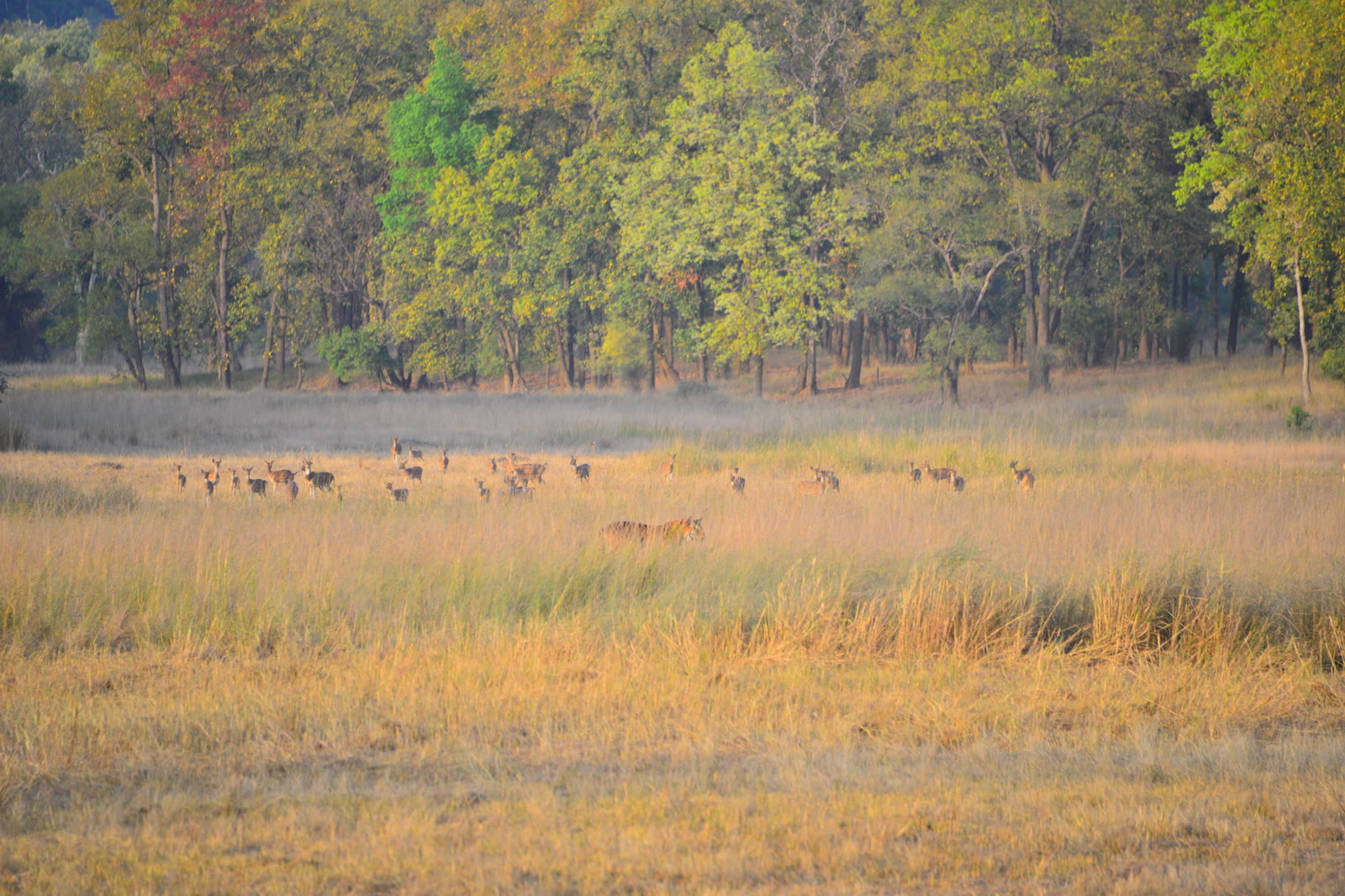
Tall grass makes tigers harder to spot than in open-country parks, so a sighting here feels earned, and swamp deer, hog deer and chital are seen on almost every drive. Rhino sightings are regular in the dedicated rhino area.
Other species
- Swamp deer (barasingha): Herds are frequent in the grasslands, especially in winter light.
- Hog deer: A regular sight on open grass.
- Asian elephant: Present in the reserve, seen occasionally as herds move through.
- Leopard: Present and increasingly recorded, though sightings remain occasional.
- Sloth bear, fishing cat and jungle cat: Present and rarely seen.
- Gharial and marsh crocodile: Best seen at Katarniaghat.
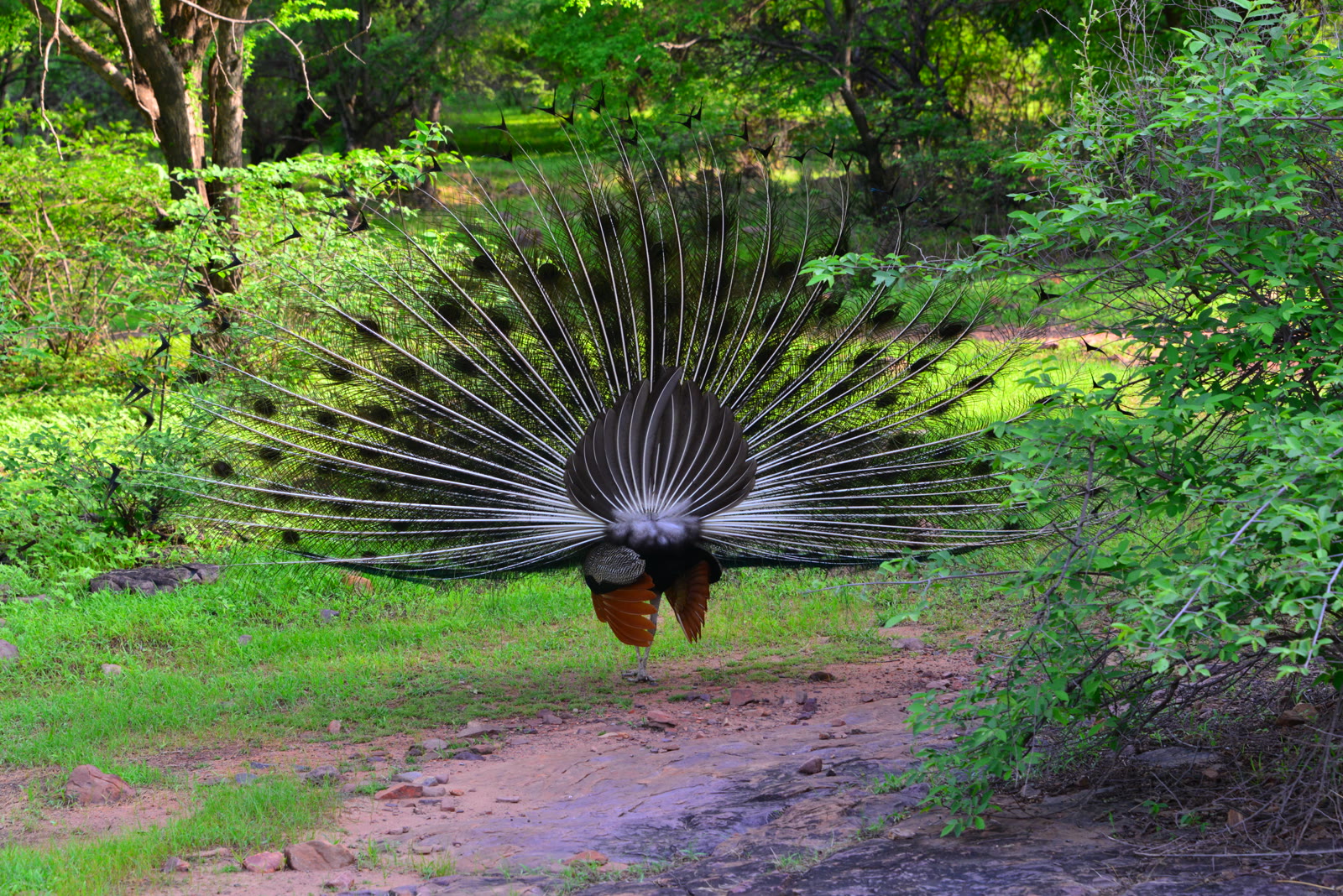
- Birds: More than 400 species, with Bengal florican, sarus crane and swamp francolin the specialities.
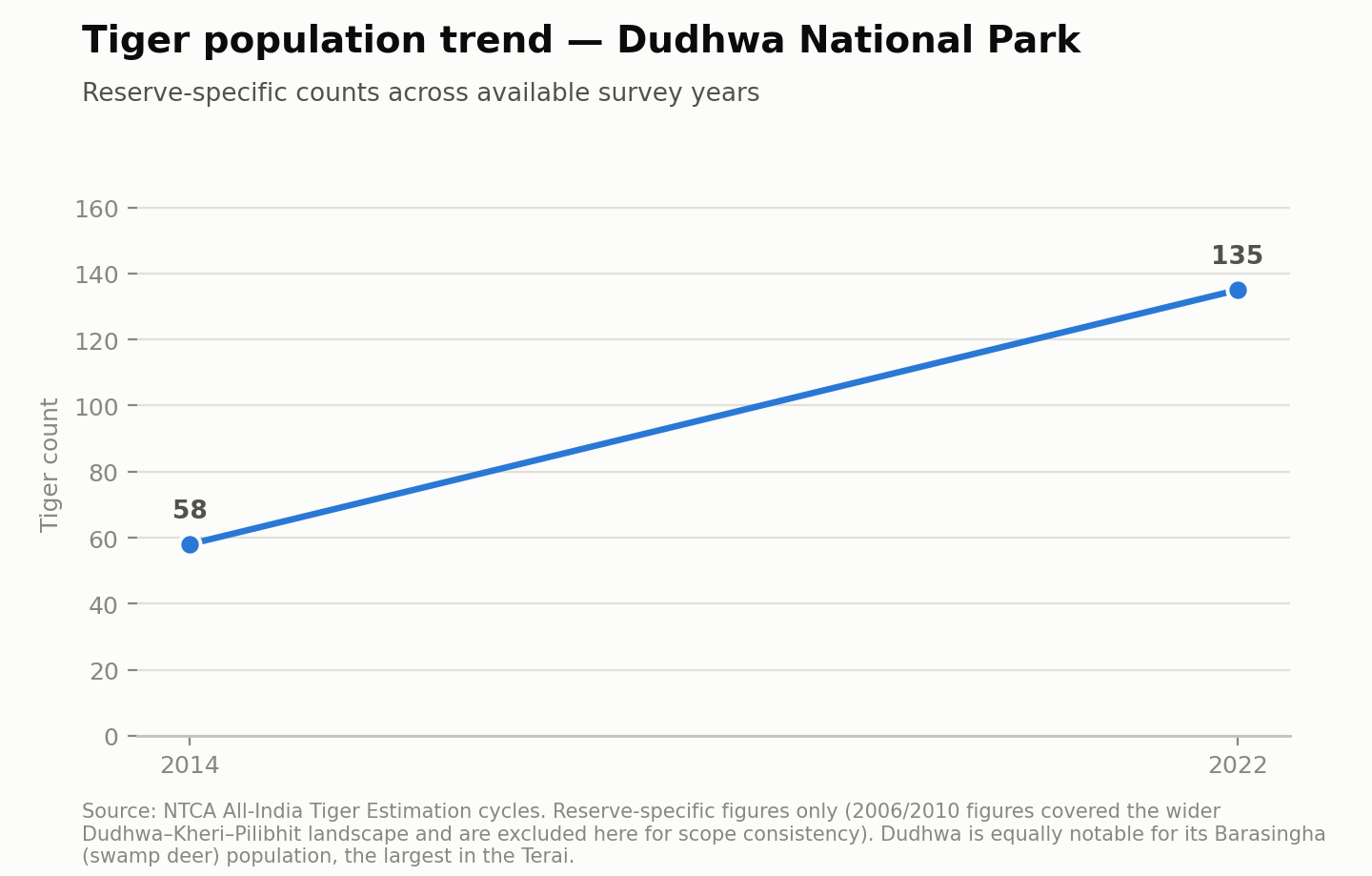
Safari Zones in Dudhwa National Park
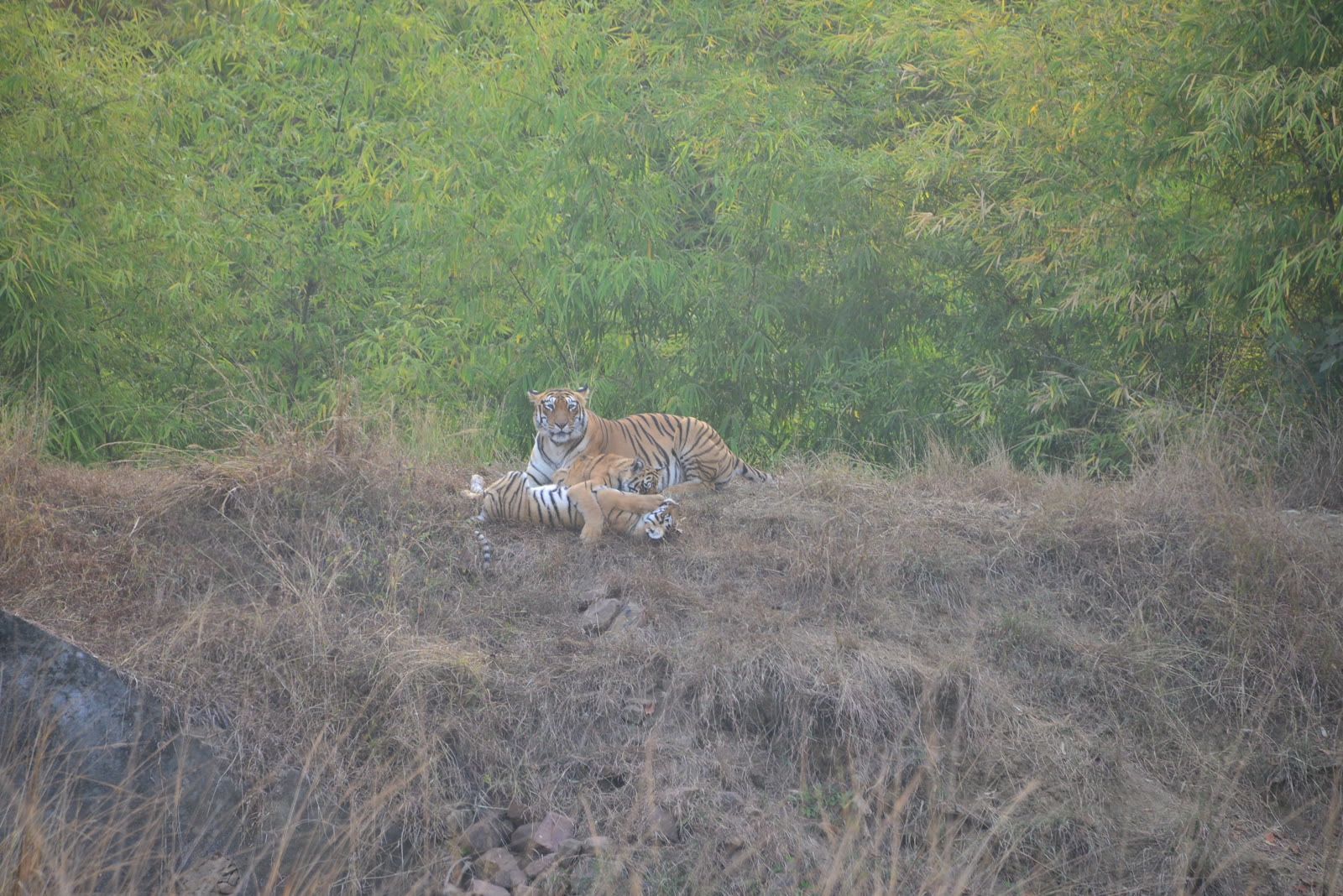
Dudhwa Tiger Reserve offers three main areas to explore, each with its own gate and landscape. A permit is tied to a zone, and no zone can promise a sighting.
| Zone | Base | Character |
|---|---|---|
| Dudhwa National Park | Dudhwa and Palia | Tall grassland, sal forest, lakes, the rhino area |
| Sathiana | Dudhwa side | Quieter grassland and forest drives, popular with birdwatchers |
| Kishanpur Wildlife Sanctuary | Mailani | Sal forest, grassland and swamp deer herds |
| Katarniaghat Wildlife Sanctuary | Motipur, Bahraich side | River, forest, gharial and dolphins |
Dudhwa National Park
The heart of the reserve, reached from Dudhwa and Palia, has the widest variety of habitats: open grasslands, shallow lakes, marshes and old sal forest. It is the best zone for barasingha, hog deer and the rhino area, and tigers and leopards are also recorded here. Drives feel spacious, with long views across the grass.
Sathiana
Sathiana offers quieter drives through grassland and forest on the park's southern side. It is a favourite with birdwatchers, with good chances of the specialities of the Terai grasslands.
Kishanpur Wildlife Sanctuary
Kishanpur, entered near Mailani, is rich in sal forest and grassland and known for its swamp deer herds. Leopards and tigers also live here, and the sanctuary suits travellers who want a different, less visited landscape from Dudhwa.
Katarniaghat Wildlife Sanctuary
Katarniaghat lies along the Girwa river on the Bahraich side. It is the reserve's water zone, with gharial, marsh crocodile and the Gangetic dolphin, boat trips on the river and tigers in the surrounding forest. It combines well with a stay in the Lucknow region.
Vehicles and rules
Open jeeps carry small groups with a forest guide. Permits are allocated by zone, so drives across two zones give the fullest picture. India Tiger Safari would be delighted to design your fully private Dudhwa safari: a bespoke journey through the zones that suit you best, with curated stays, a private jeep and a naturalist guide devoted to your party.
Mammals and Birds
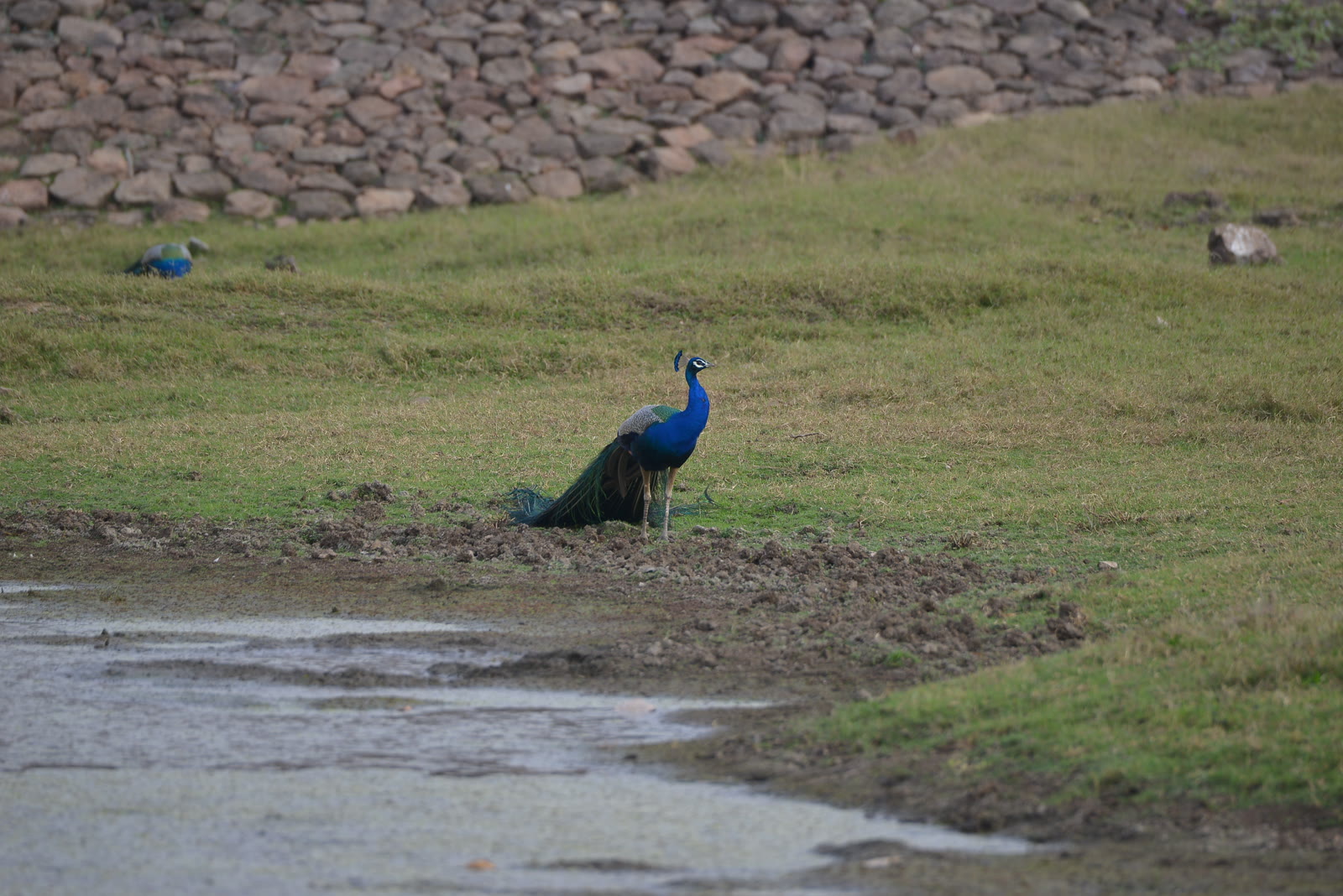
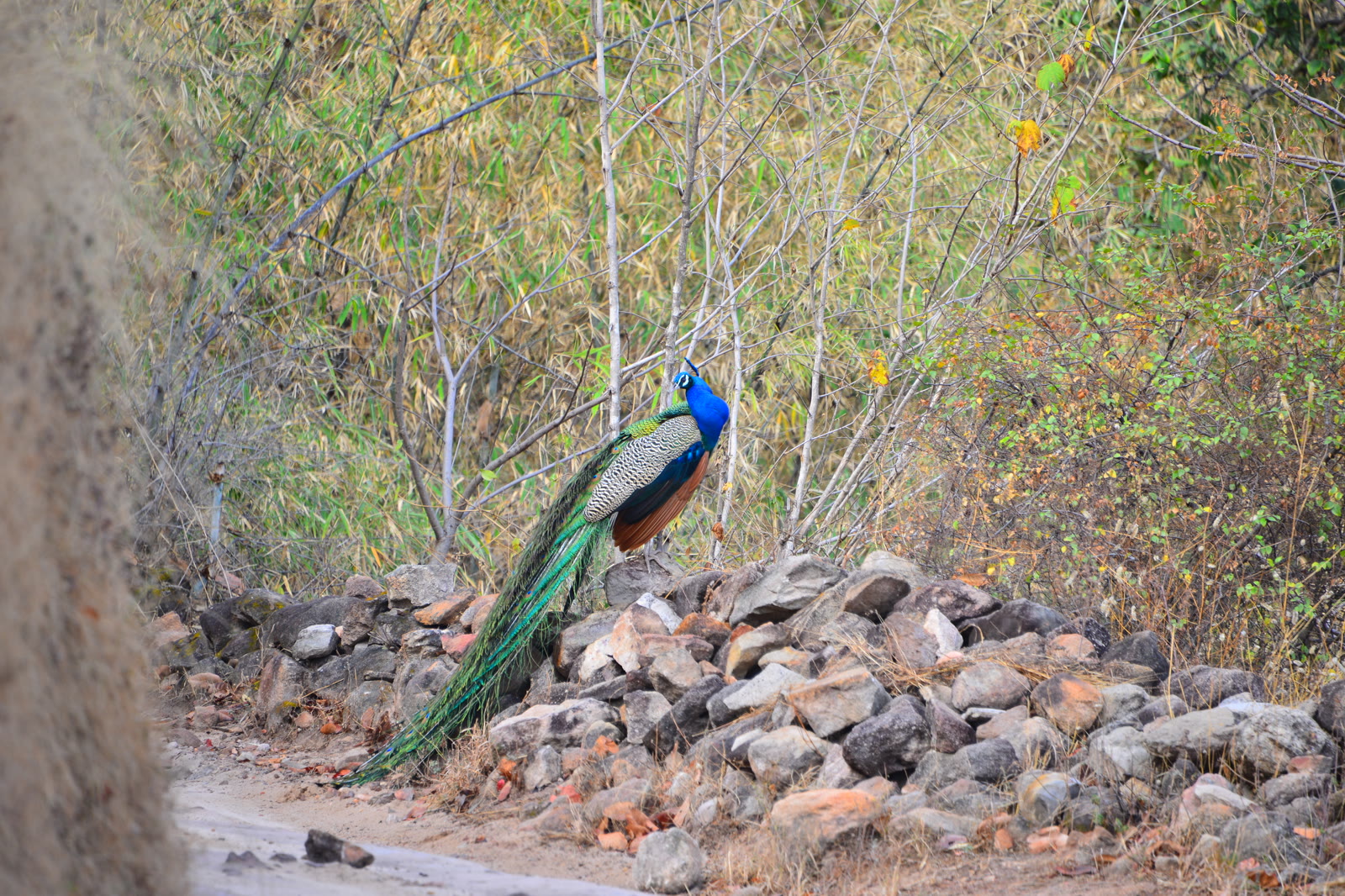
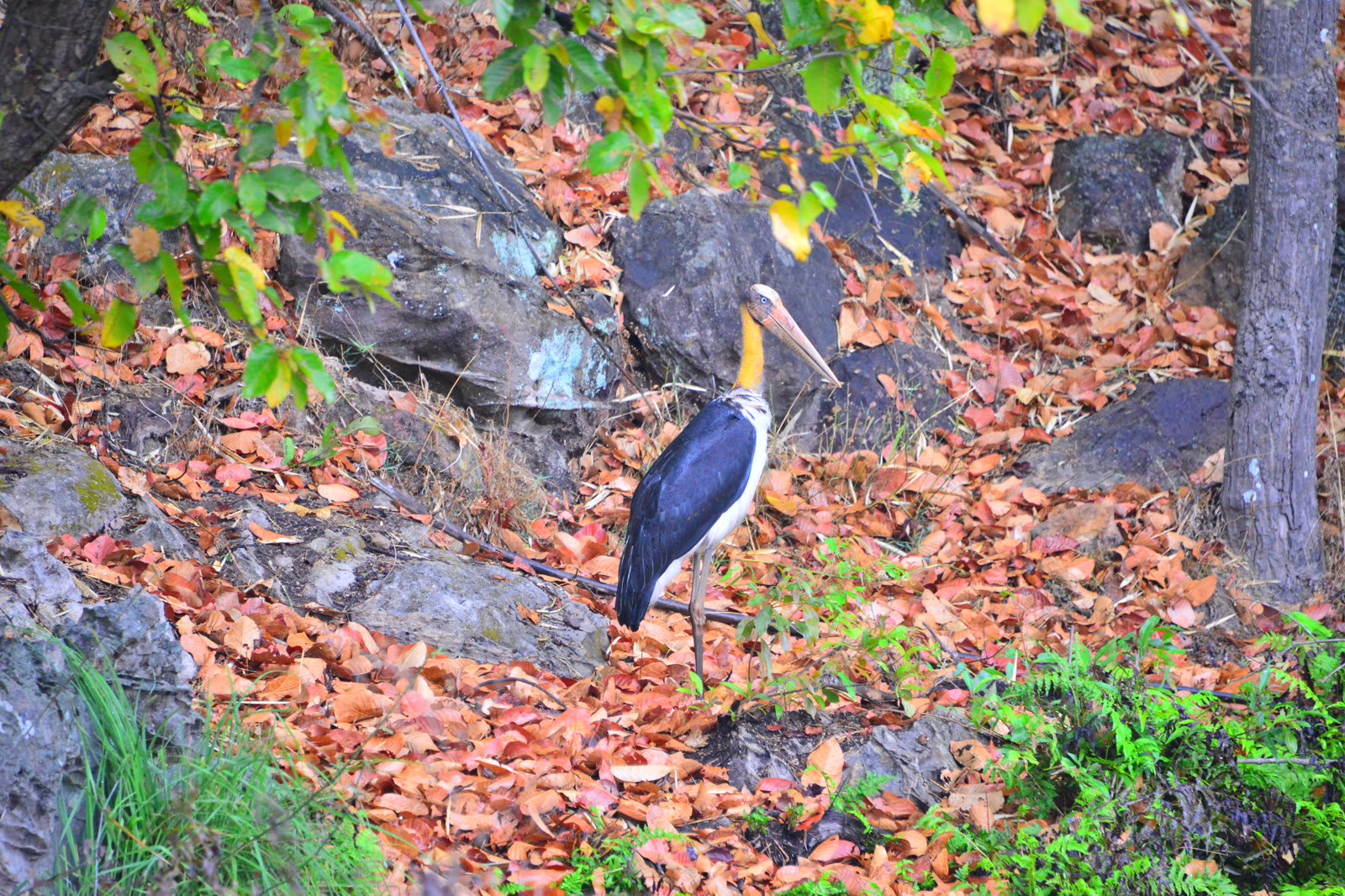
The lists below are representative and not complete.
Mammals
- Tiger
- Leopard
- Swamp Deer
- Hog Deer
- Chital
- Sambar
- Barking Deer
- Asian Elephant
- Indian Rhinoceros
- Sloth Bear
- Honey Badger
- Golden Jackal
- Jungle Cat
- Fishing Cat
- Leopard Cat
- Civet
- Wild Boar
- Rhesus Macaque
- Common Langur
Birds
- Bengal Florican
- Sarus Crane
- Swamp Francolin
- Painted Stork
- Indian Peafowl
- Fishing Eagle
- White-rumped Vulture
- Red-headed Vulture
- Hornbill
- Bee-eater
- Minivet
- Kingfisher
- Woodpecker
- Barbet
- Bulbul
- Drongo
- Oriole
- Cormorant
- Teal
- Egret
- Heron
- Owl
Accessibility
Dudhwa sits in a quiet corner of the Terai, and the journey through Uttar Pradesh's farmland and small towns is part of its character. Distances and times are approximate.
Train
| Station | Distance and road time to the park | Why use it |
|---|---|---|
| Palia Kalan | About 10 km; roughly 20 minutes | The nearest station, on the Mailani–Palia branch line, with limited services |
| Shahjahanpur | About 100–110 km; roughly two hours | A major station on the Delhi–Lucknow corridor, with good connections |
| Lucknow Junction | About 220–240 km; four to five hours | A major hub for trains from across India |
Air
| Airport | Distance and road time | Onward transport |
|---|---|---|
| Lucknow (LKO) | About 230–240 km; five to six hours | Private transfer or train |
| Delhi (DEL) | About 430 km; eight to nine hours by road | Flight to Lucknow, or a private road transfer |
Lucknow is the practical gateway, with regular flights from Delhi, Mumbai, Kolkata and Bengaluru.
Road
Lucknow (about 230–250 km, five to six hours). The route runs through Sitapur and Lakhimpur Kheri to Palia. Comfortable as a private transfer, with a stop for tea along the way.
Delhi (about 430 km, eight to nine hours). Via NH 9 through Bareilly and Shahjahanpur. A long day, best paired with an overnight stop or a flight to Lucknow.
Bareilly (about 150–180 km, three to four hours). A useful start for travellers coming from Corbett and the Kumaon foothills.
Within the reserve, only authorised safari vehicles are used, with a forest guide accompanying each.
Accommodation
Stays around Dudhwa are closer to the forest in spirit than in most parks. Places are simple, welcoming and set among fields and sal, with the reserve's gates a short drive away. This guide describes the character of each option rather than ranking properties.
Forest rest houses and eco-lodges
Forest department rest houses at Dudhwa, Sathiana and Kishanpur put you inside or beside the reserve, with the sounds of the grassland at night. They are simple and atmospheric, and are the choice for those who want the forest as close as possible.
Luxury and boutique lodges
A small number of well-appointed lodges around Palia and Mailani offer cottages, gardens, home-cooked meals and expert naturalists. They suit couples and small private groups who want comfort with an unhurried, authentic feel.
Tharu-style huts and village stays
Mud-and-thatch huts in the Tharu tradition give a warm cultural connection to the Terai's own people, with local cooking and village walks that complement the drives.
Resorts and mid-range hotels
A handful of resorts and hotels around Palia offer comfortable rooms, and are practical for families and groups.
Budget stays
Guesthouses in Palia and Mailani offer simple, good-value rooms close to the gates.
Choosing well
- Gate proximity: Stay near Dudhwa and Palia for the national park, near Mailani for Kishanpur, and on the Bahraich side for Katarniaghat.
- Dining: Lodges serve home-style Indian meals and can pack breakfast for early drives.
- Guiding: Forest guides accompany every vehicle, and lodge naturalists add depth.
- Families: Resort-style stays with gardens suit children best.
India Tiger Safari's bespoke private itineraries pair each zone with a curated lodge.
People Also Visit
Dudhwa sits at the eastern end of the Terai, which makes it a natural companion to parks along the Himalayan foothills.
Jim Corbett National Park
Corbett lies to the north-west, along the same Terai belt, and the two are often combined by road via Bareilly. Corbett brings sal forest, the Ramganga river valley and elephants, while Dudhwa adds open grasslands, swamp deer and rhinos. Together they make a satisfying journey through two contrasting Terai landscapes.
Ranthambore National Park
Ranthambore can follow Dudhwa on a wider northern circuit, usually connecting through Delhi or Lucknow. The dry deciduous forest, lakes and fort ruins of Rajasthan are a complete change from Dudhwa's wet grasslands, and the tigers here are famously easy to watch.
Kaziranga National Park
Dudhwa's swamp deer and grassland habitat find an echo far to the east at Kaziranga, home to the world's largest population of one-horned rhinoceros alongside its own tiger population and tall elephant grass. The two parks share a terai-and-floodplain character even across the distance between them, and together make an unusual itinerary pairing swamp deer and rhino sightings on one journey. India Tiger Safari can arrange a private itinerary linking Dudhwa and Kaziranga, each leg with its own naturalist guide and private vehicle.
Dudhwa National Park FAQs
What is the best time to visit Dudhwa National Park?
The park is open from 15 November to 15 June, and November to April is the most comfortable. Winter days are mild, at roughly 20 to 30°C, and the grasslands are golden with barasingha in the soft light. May and June are hot, when animals gather near water. The monsoon closes the park for breeding.
How many days do you need in Dudhwa?
Two to three nights is ideal, giving three to five drives across two or more zones. That allows time for the grasslands of Dudhwa, the quieter forests of Kishanpur and, if you wish, the river at Katarniaghat. India Tiger Safari's bespoke itineraries match nights and zones to your dates.
Can you see tigers in Dudhwa?
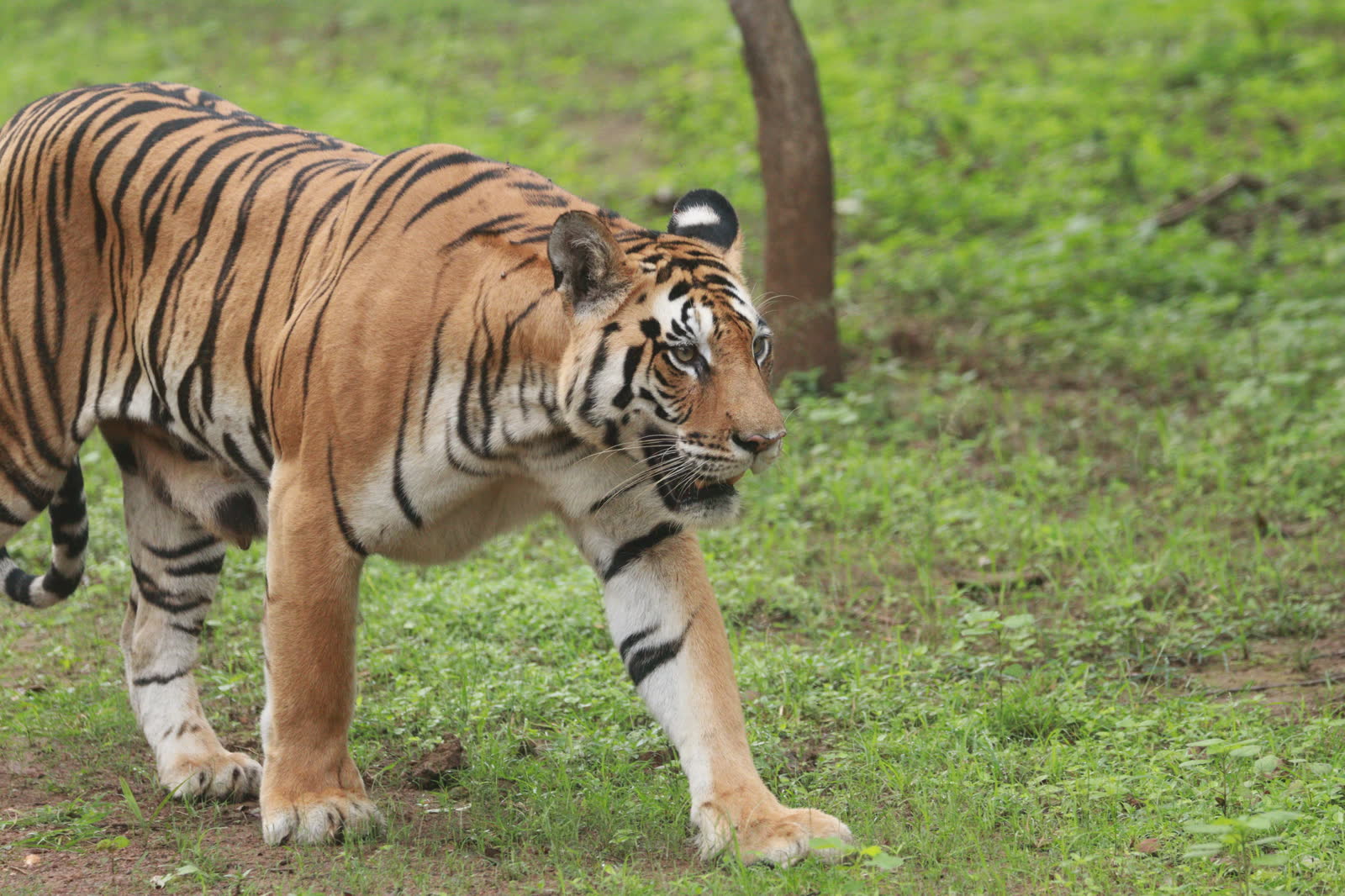
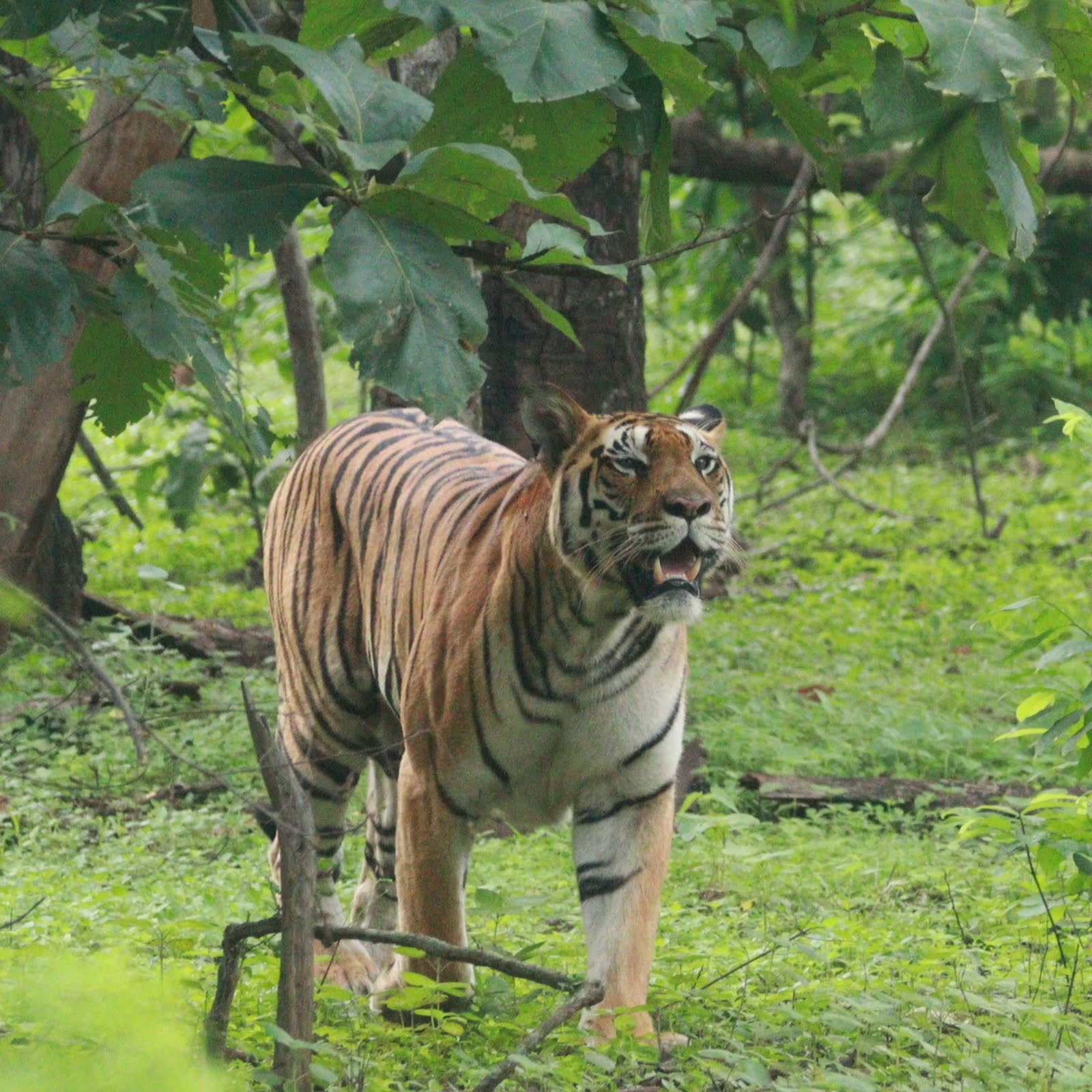
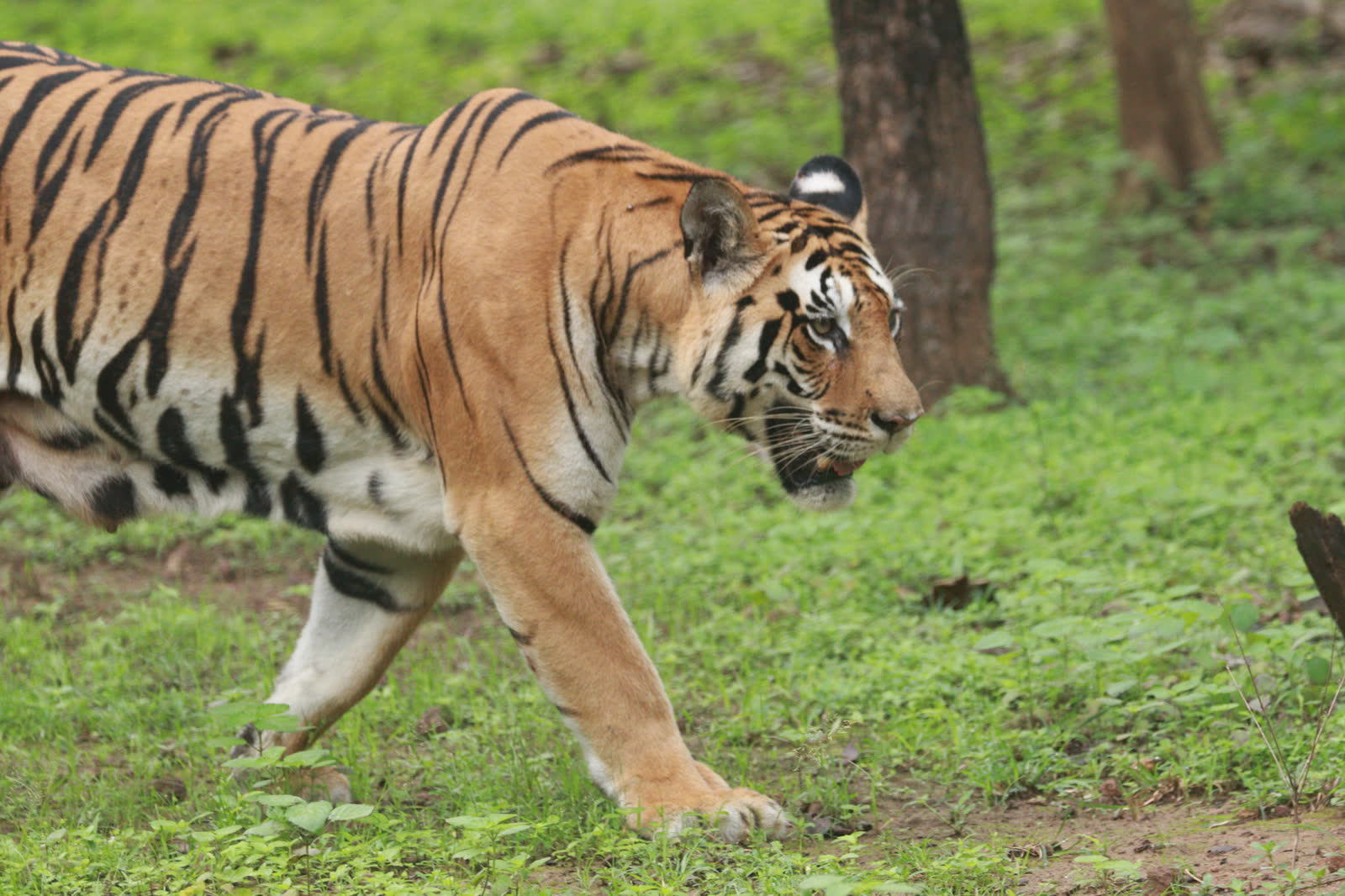
Dudhwa Tiger Reserve held an estimated 135 tigers in 2022. Tall grass and dense sal make tigers harder to spot than in open-country parks, so each sighting feels earned. No sighting can be promised, but swamp deer, hog deer, rhinos and birds reward every drive.
Which safari zone is best in Dudhwa?
The national park itself offers the widest variety, with barasingha, hog deer and the rhino area. Sathiana is popular with birdwatchers, Kishanpur is known for swamp deer herds, and Katarniaghat is the place for gharial, marsh crocodile and Gangetic dolphins. Combining two zones gives the fullest picture.
How do Dudhwa safari bookings work?
Safaris are booked by zone, date and a morning or afternoon shift, in a jeep with a forest guide. Every guest needs valid ID. India Tiger Safari handles permits, vehicles and guides for its private guests, so you can concentrate on the landscape and the animals.
Can you see rhinos in Dudhwa?
Yes. One-horned rhinos were reintroduced from Assam and Nepal in 1984–85, and about 46 lived in the park in 2024. Rhino sightings are regular in the dedicated rhino area, where the animals graze near water and tall grass. It is one of the reserve's most rewarding experiences.
How do you reach Dudhwa National Park?
Lucknow, about 230 to 240 km away, is the practical gateway, with regular flights from major cities. Palia Kalan station is about 10 km from the park, and Shahjahanpur, about 100 to 110 km away, is a major rail hub. From Delhi, the road journey is about 430 km and eight to nine hours.
Is Dudhwa suitable for families?
Yes, for families who enjoy quiet nature. Drives last about three to four hours in open jeeps, in a calm, uncrowded park. Winter mornings can be cold, so bring warm layers. Resort-style stays with gardens suit young children, and a private jeep lets families set a comfortable pace.
What should you wear on a Dudhwa safari?
Choose muted greens, browns and khaki, and layer up, since winter mornings in an open jeep are cool. In summer, bring a hat, sunscreen and light long sleeves. Wear closed shoes, avoid strong perfume and carry binoculars, especially for the birds.
Is a private jeep available in Dudhwa?
Yes. A jeep permit covers one vehicle for a small party, so a private group can have it to itself. India Tiger Safari arranges a private jeep and a naturalist guide devoted to your party as part of its bespoke journeys.